
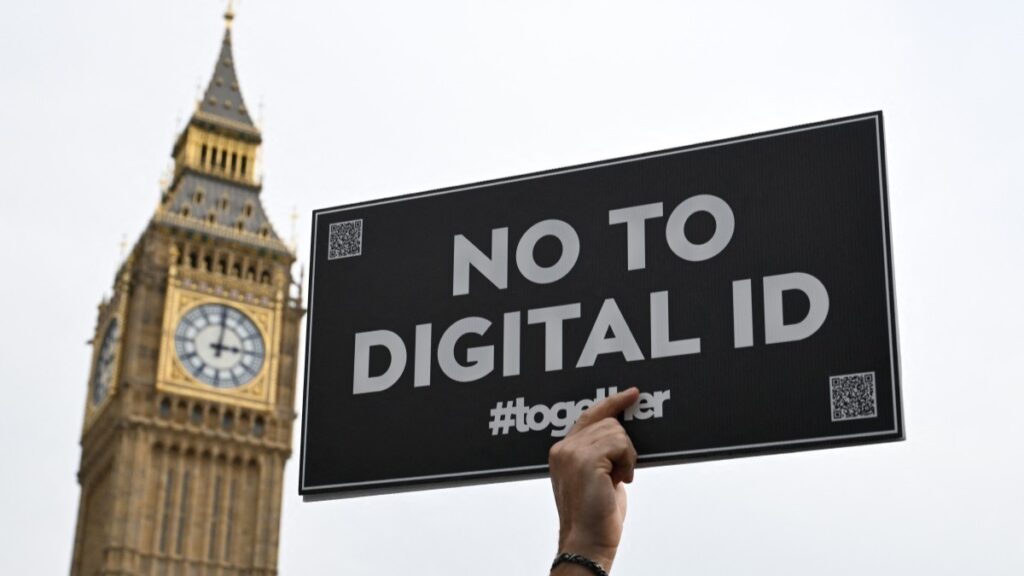
Digital ID Plans ‘Scrapped,’ But UK Campaigners Must Remain Vigilant
The government has itself poured cold water on suggestions this form of identification is dead and buried.

The government has itself poured cold water on suggestions this form of identification is dead and buried.
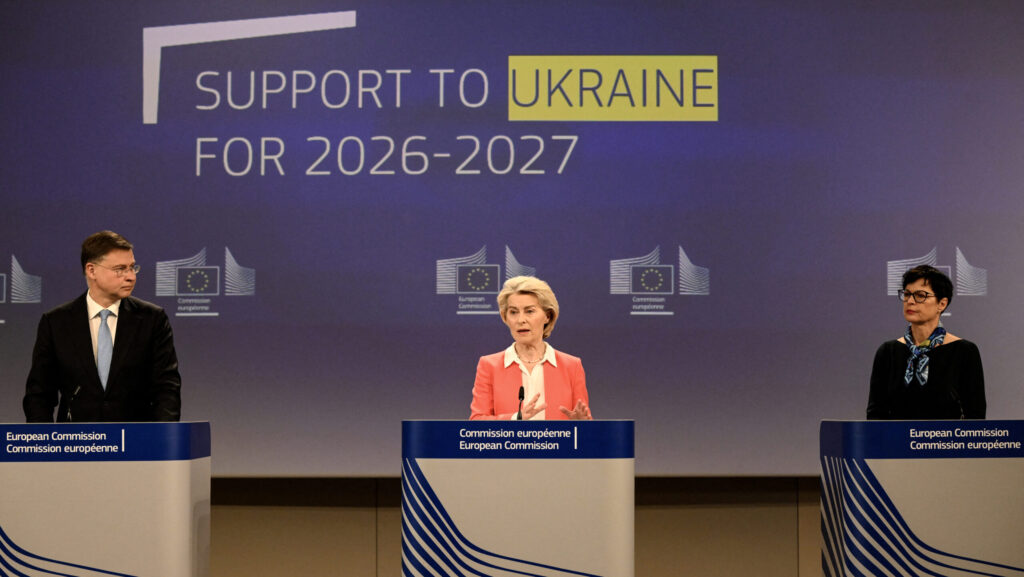
Behind the language of solidarity, new EU loans are reshaping defence spending, debt, and decision-making—often without much public scrutiny.

As Berlin scrambles to respond to the outage, critics say years of denial about extremist threats have left authorities reacting late—and at public expense.

The latest World Watch List points to worsening conditions in Africa and the Middle East, with Nigeria emerging as the deadliest country for believers.
Opponents accuse Brussels of pushing through a deal that benefits industrial elites while ignoring mounting rural anger.
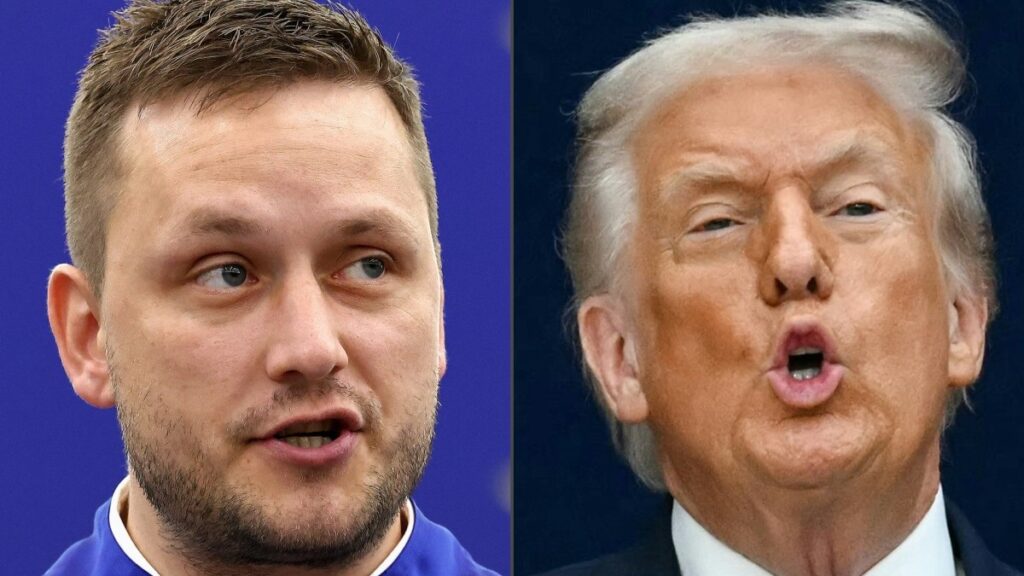
Greenland’s leader says U.S. proposals are “disrespectful,” but Trump maintains he will take the island “one way or the other.”

Meloni’s government is staking one of its flagship reforms on a popular vote that will shape the future of Italy’s judicial system.
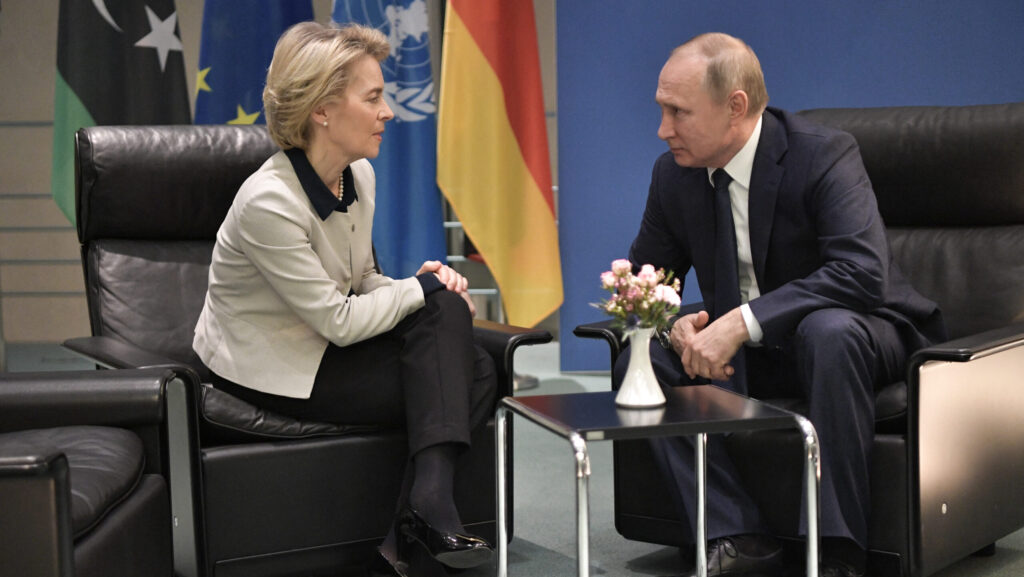
Senior European figures are beginning to acknowledge that ending the war in Ukraine will ultimately require dialogue with Russia.

How can Britain defend other nations if it can barely defend itself?
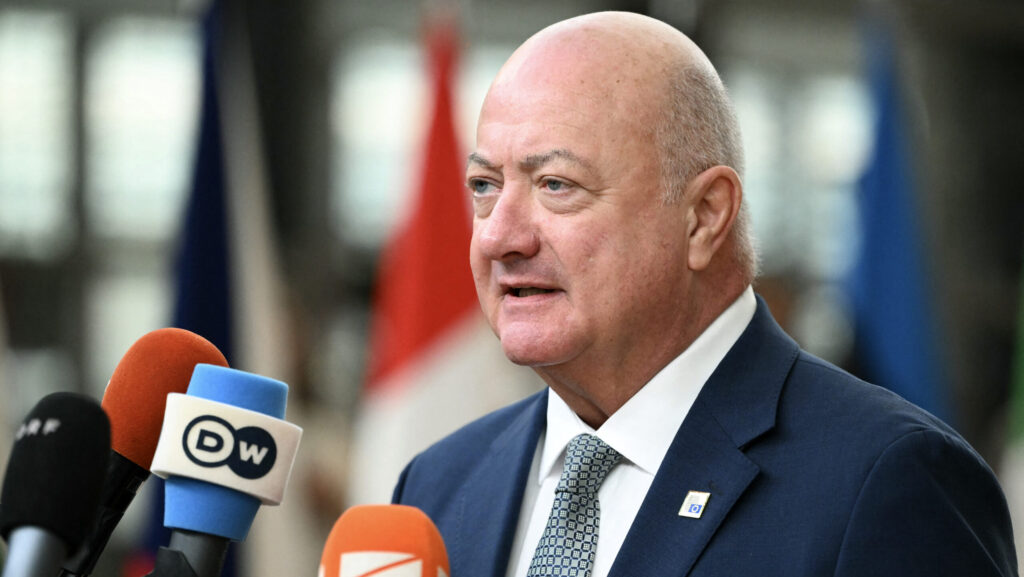
A Vienna arbitration case has forced the government to decide whether religious law can ever be enforced by the state.
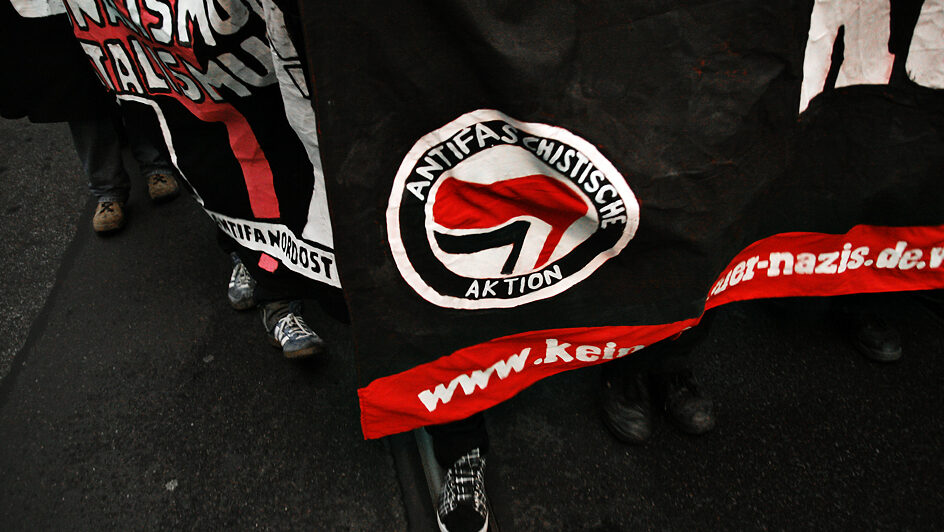
A new rewards programme signals a tougher line on groups long treated in Europe as a public-order issue rather than a security threat.
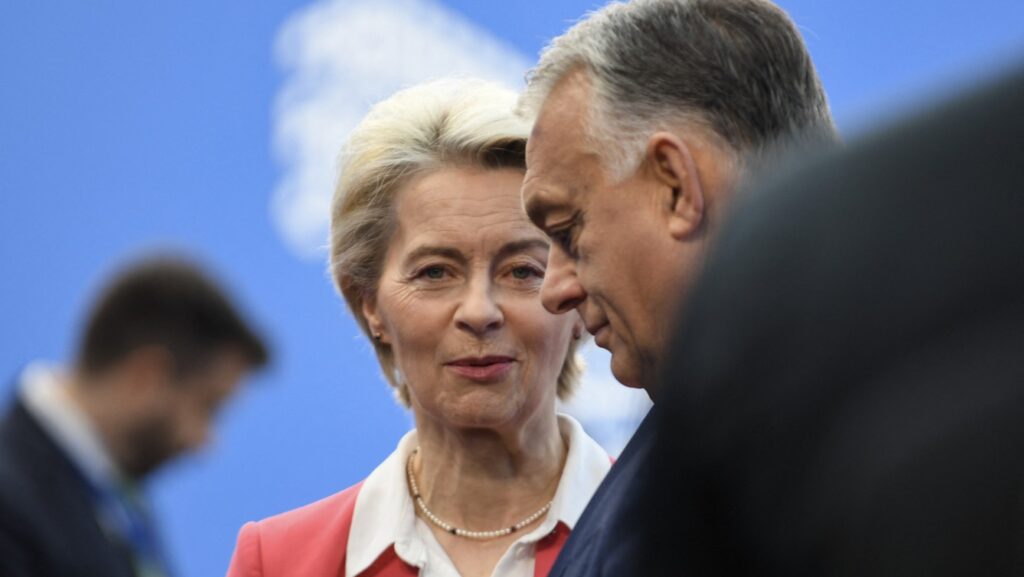
Hungary’s alleged failure to implement the much-maligned Media Freedom Act is Brussels’ latest excuse for singling the country out for punishment.
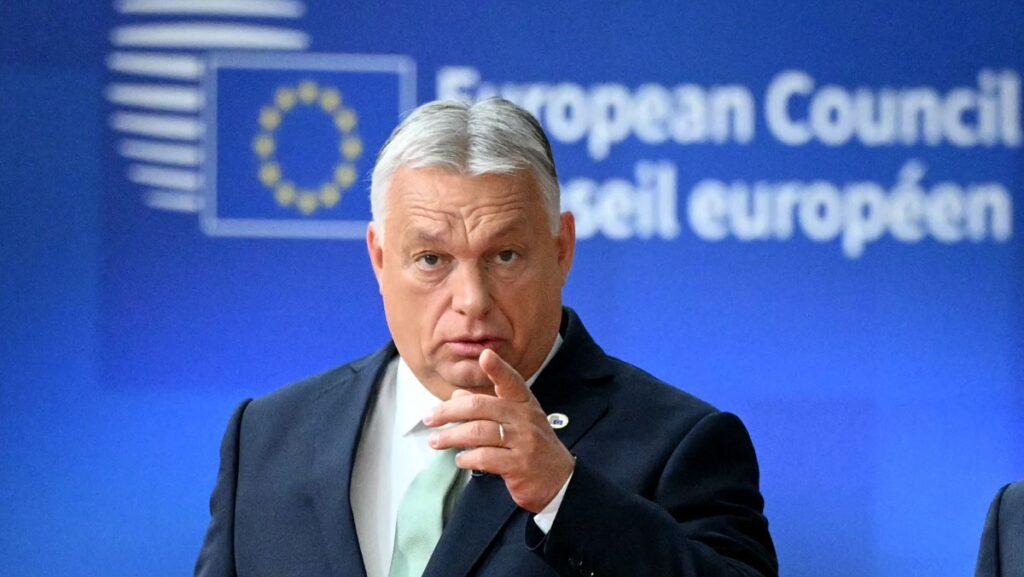
The document marks a sharp shift in tone from the United States, raising questions about Brussels’ direction and its ability to manage the continent’s growing crises.

The signatories of the joint letter argue strong economies should not be sacrificed on the altar of obscure targets set by Brussels.

The leak comes as Warsaw and Washington intensify contacts on the future of their strategic cooperation.
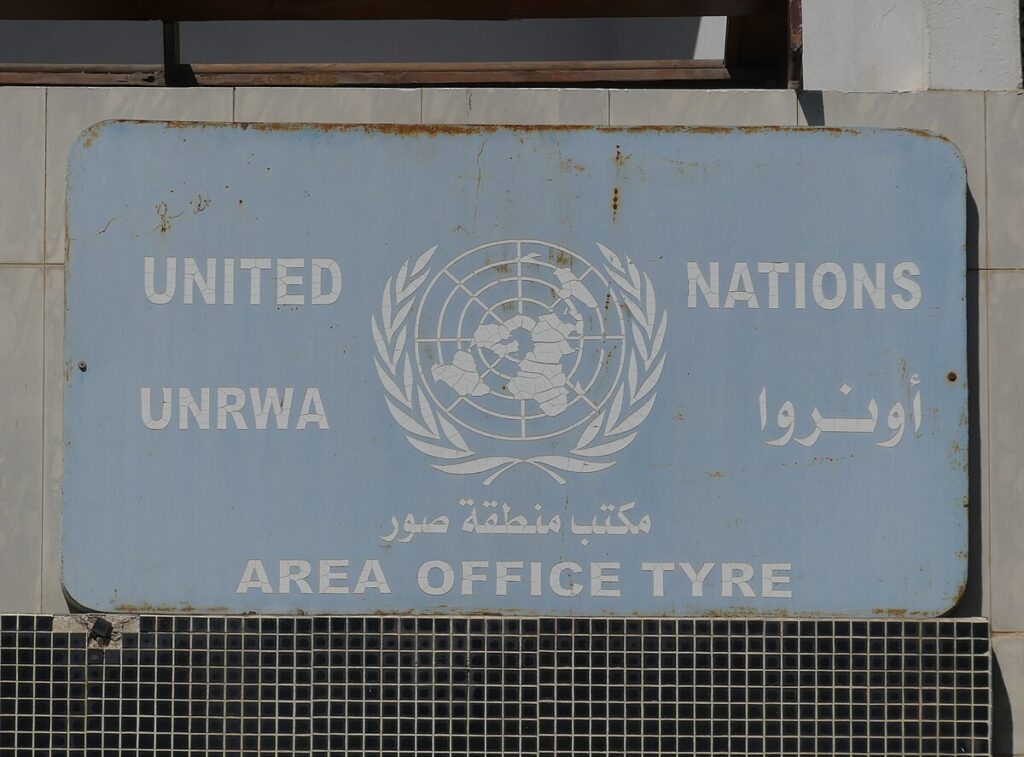
The agency’s critics say years of mismanagement opened the door to extremist influence.

Brussels has been criticised for apparently issuing an “unprecedented threat” to an EU founding member.
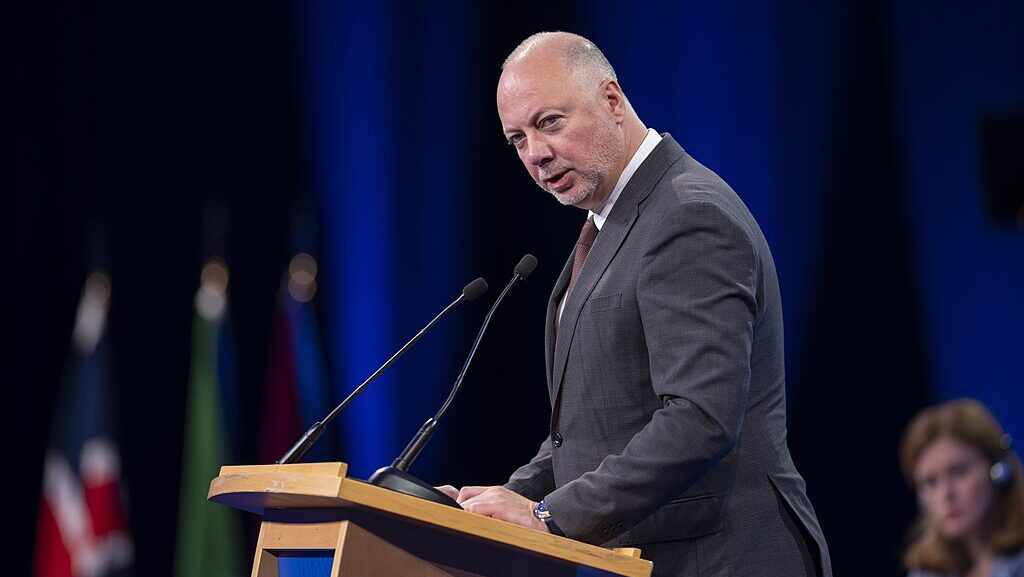
Citing “the will of the people,” Prime Minister Rosen Zhelyazkov announced his cabinet’s resignation, saying that the wave of civic energy should be “supported and encouraged.”
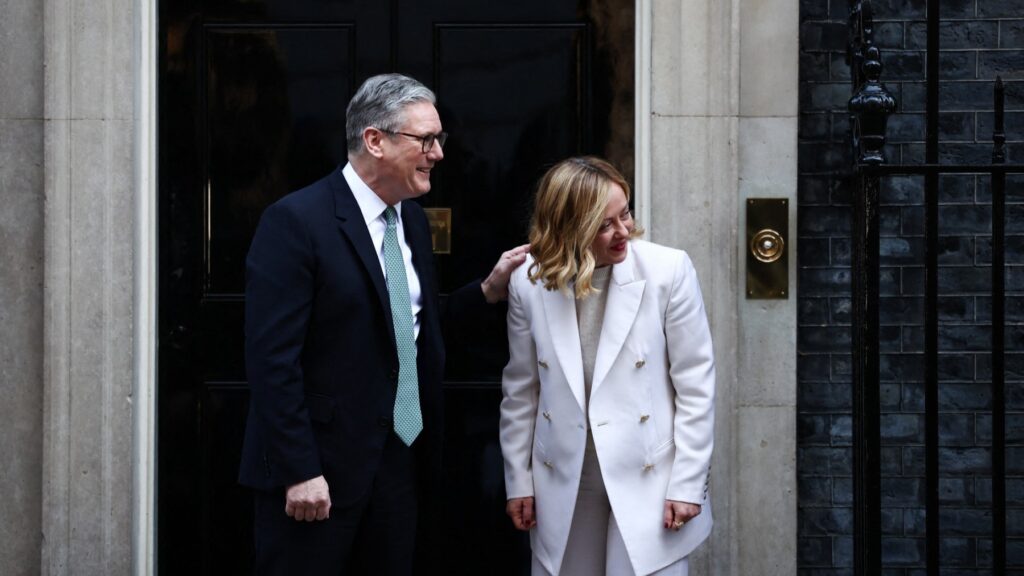
Some believe tinkering with the convention is not enough—that members should leave it altogether.
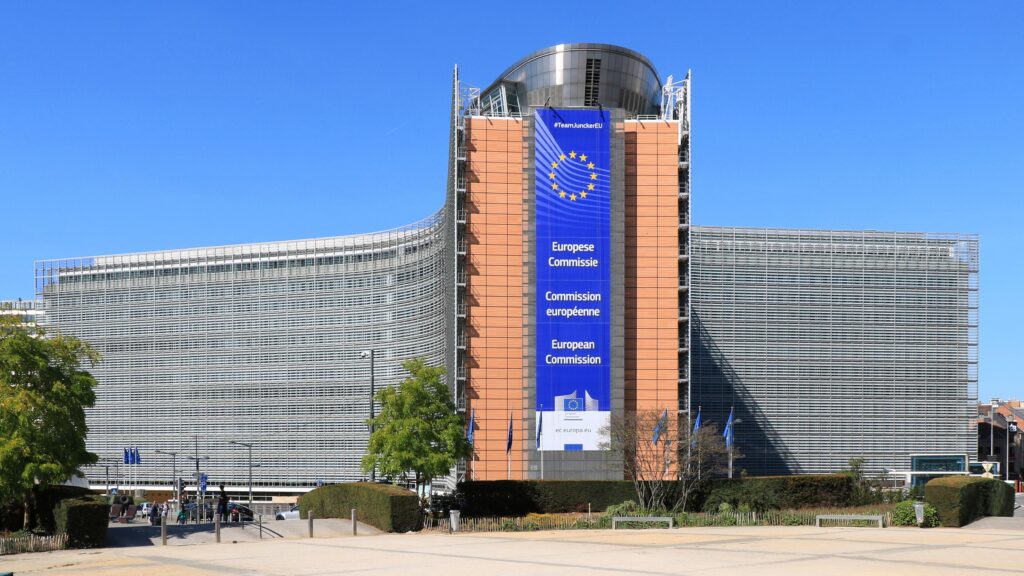
The new EU budget may become a “strategic instrument of political ambition” that seeks to centralize power in Brussels.
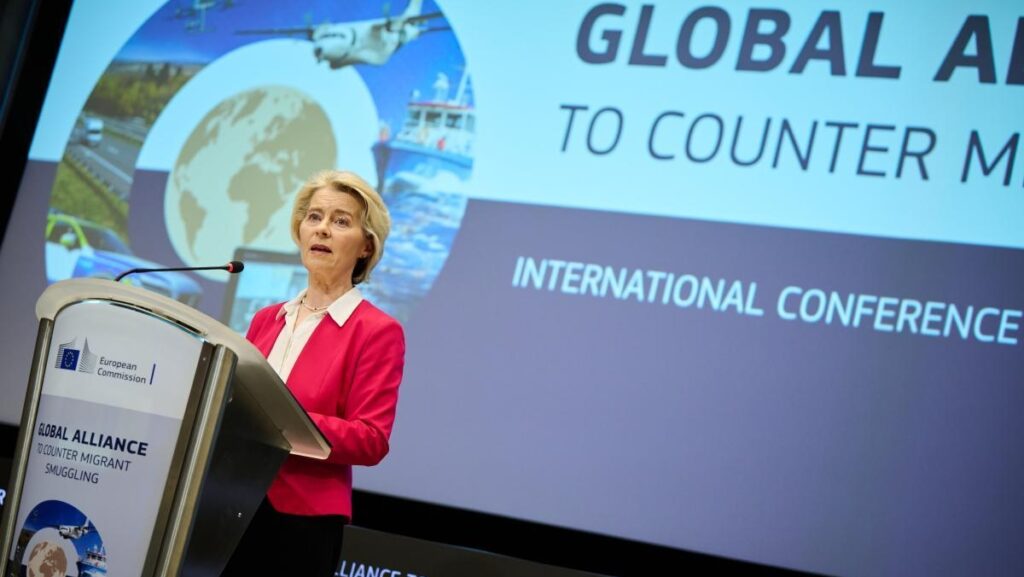
The ‘talent partnership’ with India will open up more and easier ways for people to flock to Europe, and Ursula von der Leyen hopes to expand it to more countries soon.
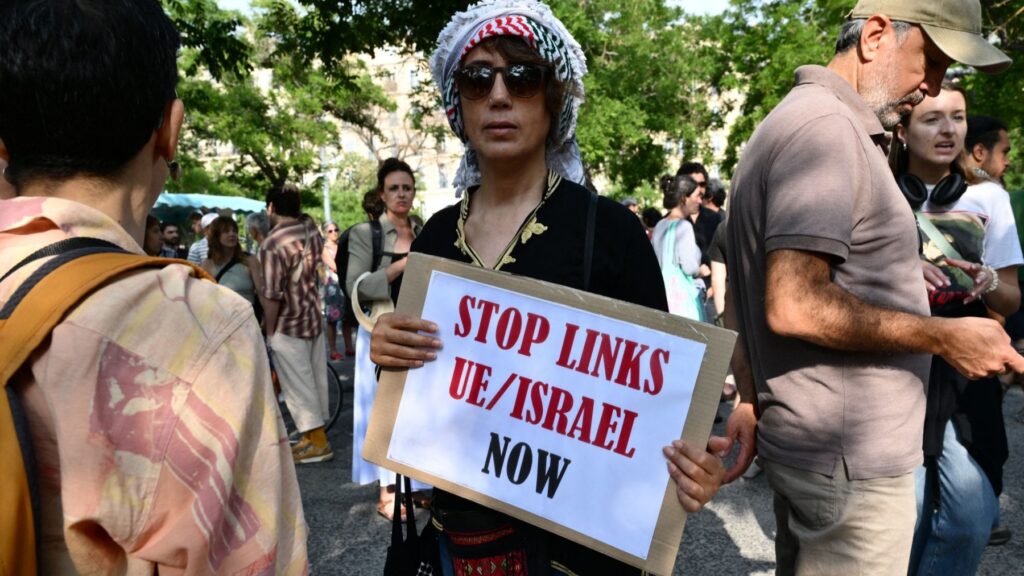
The European political climate after Gaza, street-level pressure, and the partisan use of the conflict complicate any attempt to rebuild the relationship between Brussels and Jerusalem.