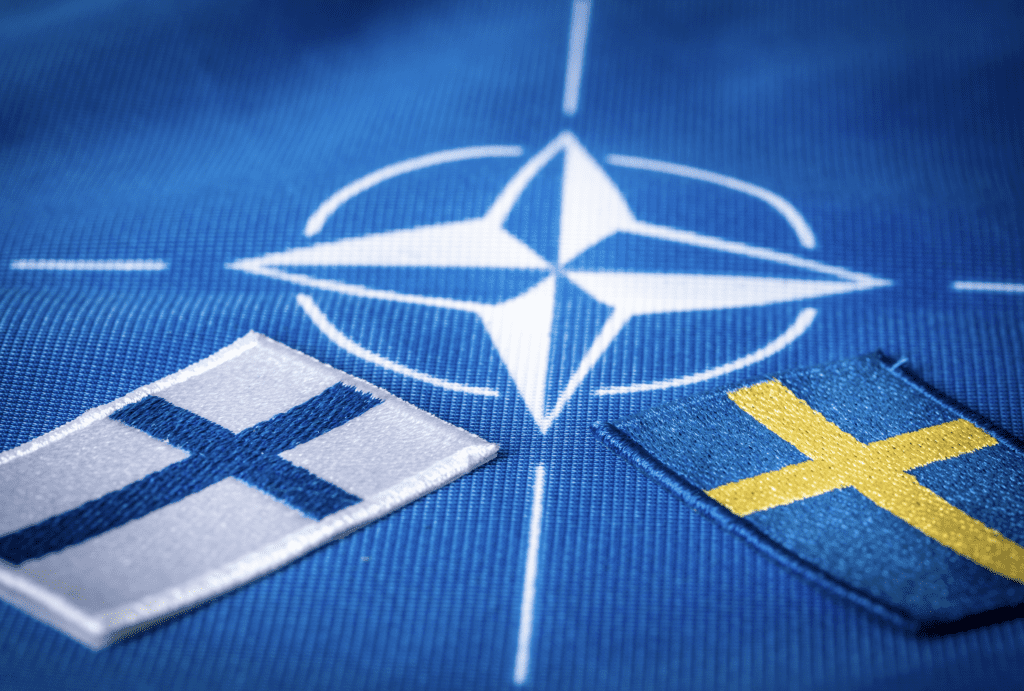
During a June 12th meeting in Helsinki with Finnish President Sauli Niinistö, Secretary General Stoltenberg made clear that the Turkish demands on the two Nordic countries are legitimate.
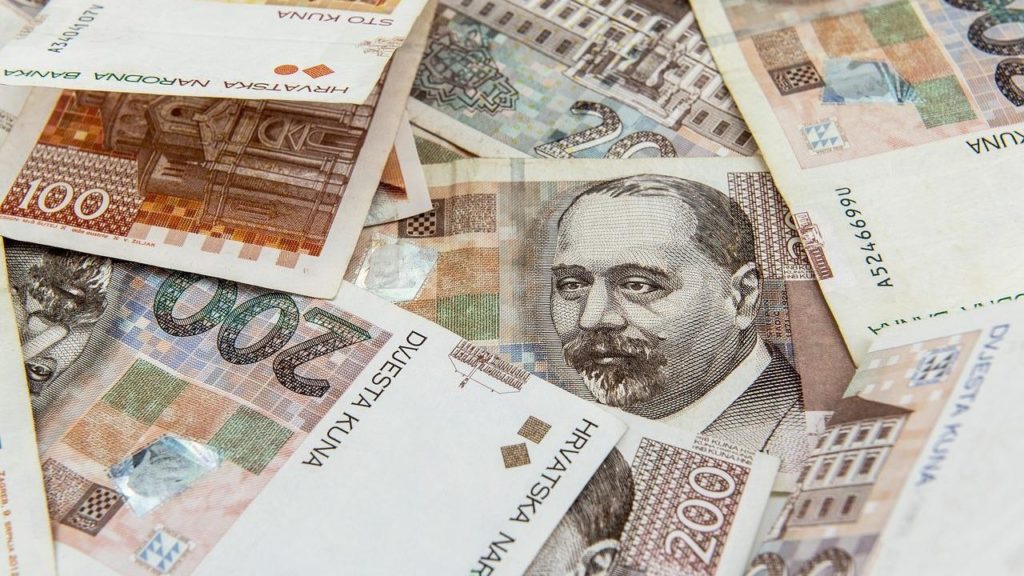
As Croatia’s lawmakers enter the final stretch toward euro membership, it is essential that they understand exactly what happened in Greece, and why. In five short years, 2009-2014, the Greek economy imploded: one quarter of it vanished. This was a direct result of the austerity packages that the EU and the ECB forced upon the government in Athens. What will Croatia do to avoid ending up in the same trap as Greece?

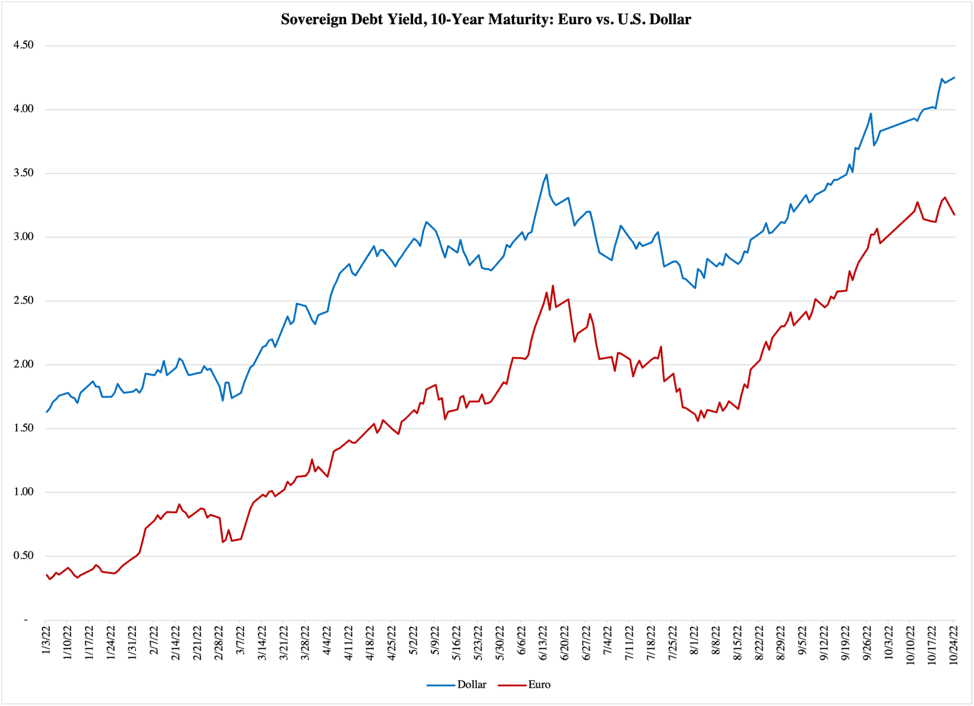
A debt crisis sweeping across both continents has the potential of bringing about a new global depression. Governments have no room to use fiscal policy to mitigate the crisis; their monetary policy capabilities have already been depleted in responding to the recent pandemic. Yet there was no mention of this threat in Davos.
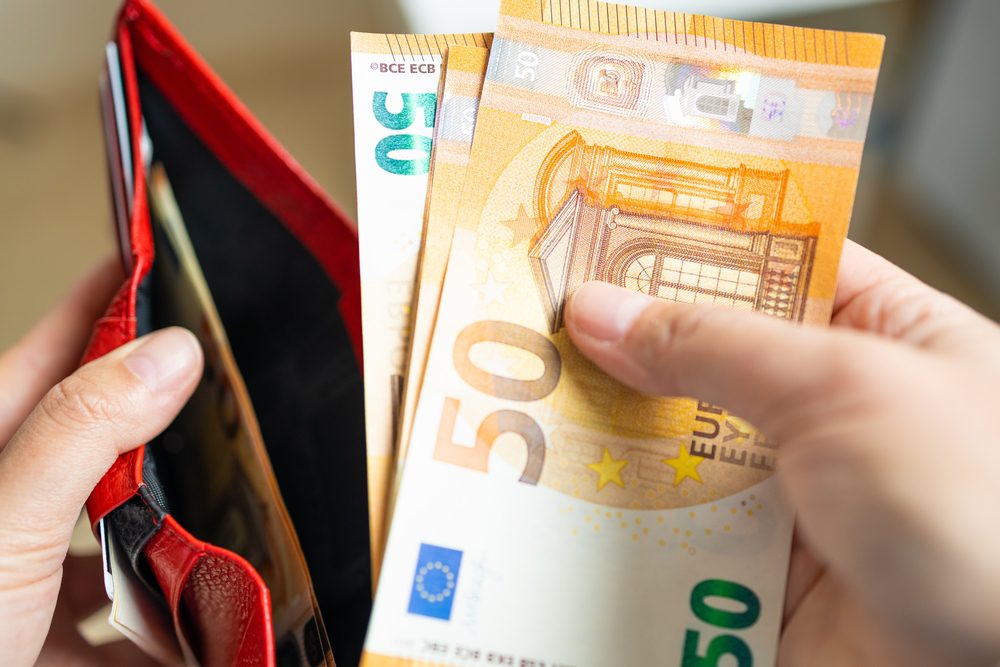
Bloomberg suggests that consumers “sitting on 700 billion-euro ($753 billion) cash” is reason enough to predict macroeconomic resiliency in Europe, but this report is contradicted by findings by Eurostat on retail trade in the euro area and the EU as a whole.

Hungarian inflation is expected to top out at 11% later in the year, with central-bank interest rates in the 7.5-8.5% bracket.

Capitalism does not destroy other values, nor does it come without respectable merits. Quite the contrary: the profit motive has elevated human existence to unprecedented levels. We can feed more mouths, cure more of the sick, educate, and elevate more people than we have ever been able to do. The problem lies instead in the fallibility of human nature.
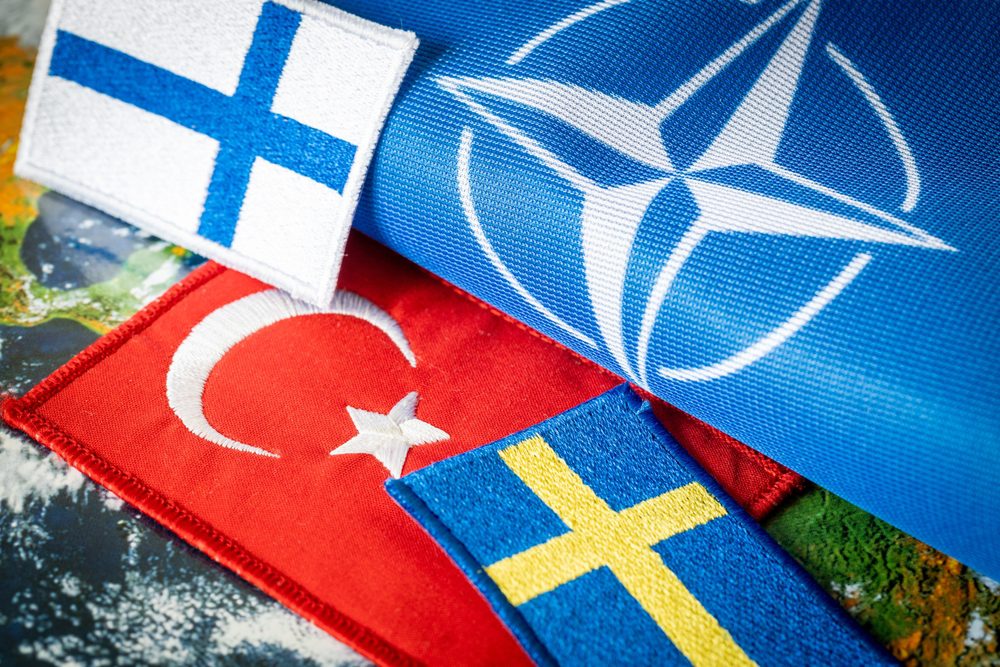
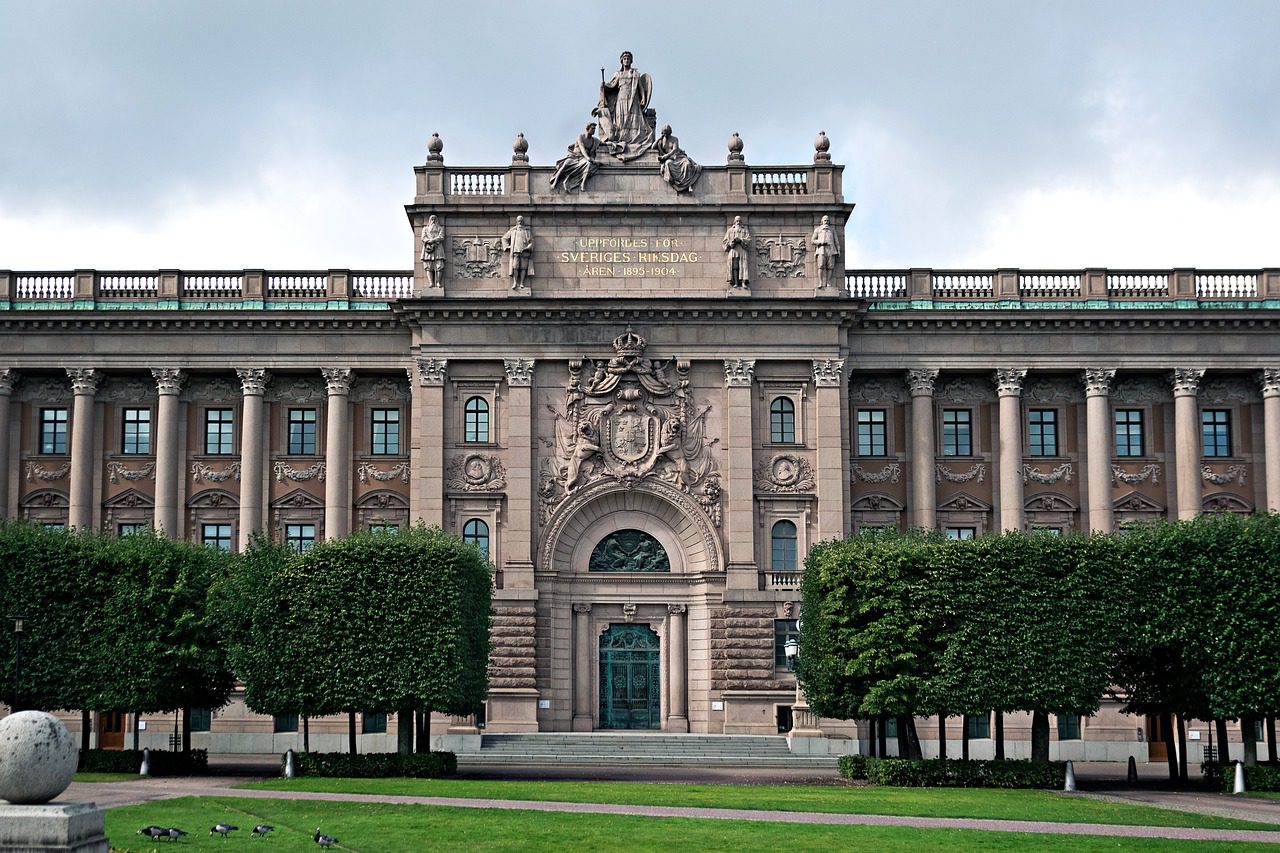
The demand from Ankara for Hultqvist’s resignation comes at the same time as the center-right opposition in the Riksdag, the Swedish Parliament, has demanded a vote of no confidence for Minister of Justice Morgan Johansson.

A new debt crisis looks unavoidable. There is practically no interest in fiscal reforms across Europe, leaving the continent vulnerable to a destructive downward spiral of rising interest rates and structural budget deficits.

According to the auditors, the specific efforts to ‘green’ agriculture have had negligible ‘climate action’ effects.

The numbers for the first quarter of this year were released by the Bureau of Economic Analysis showing a 30%-percent rise in revenue for the U.S. federal government over the pre-pandemic first quarter of 2019.
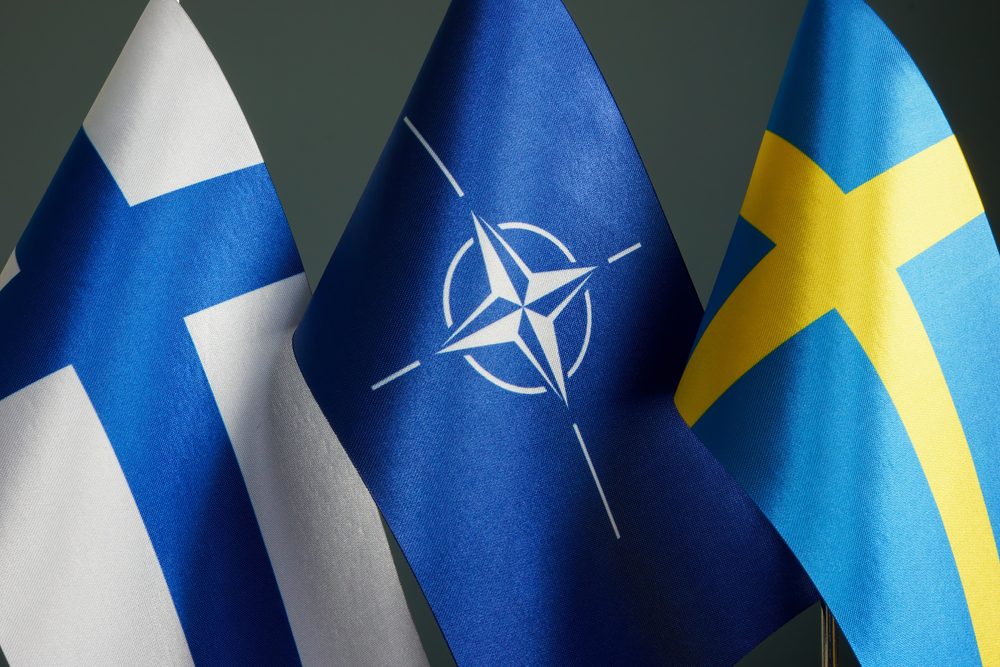
A Turkish newspaper has named five politicians in Sweden, one of them a member of parliament, as collaborators with terrorist-labeled PKK.
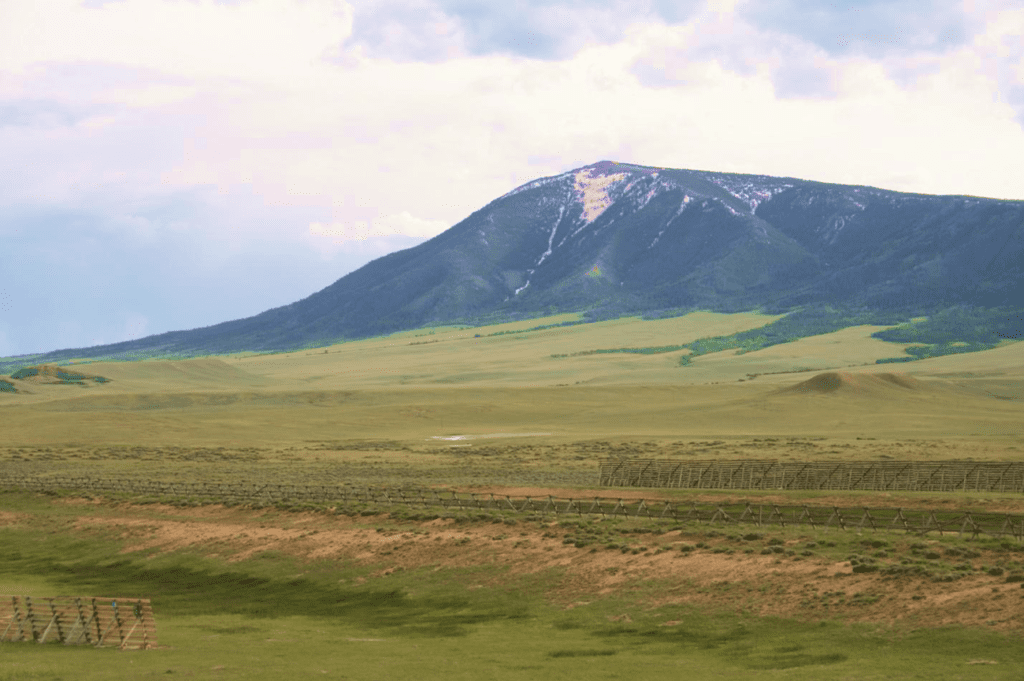
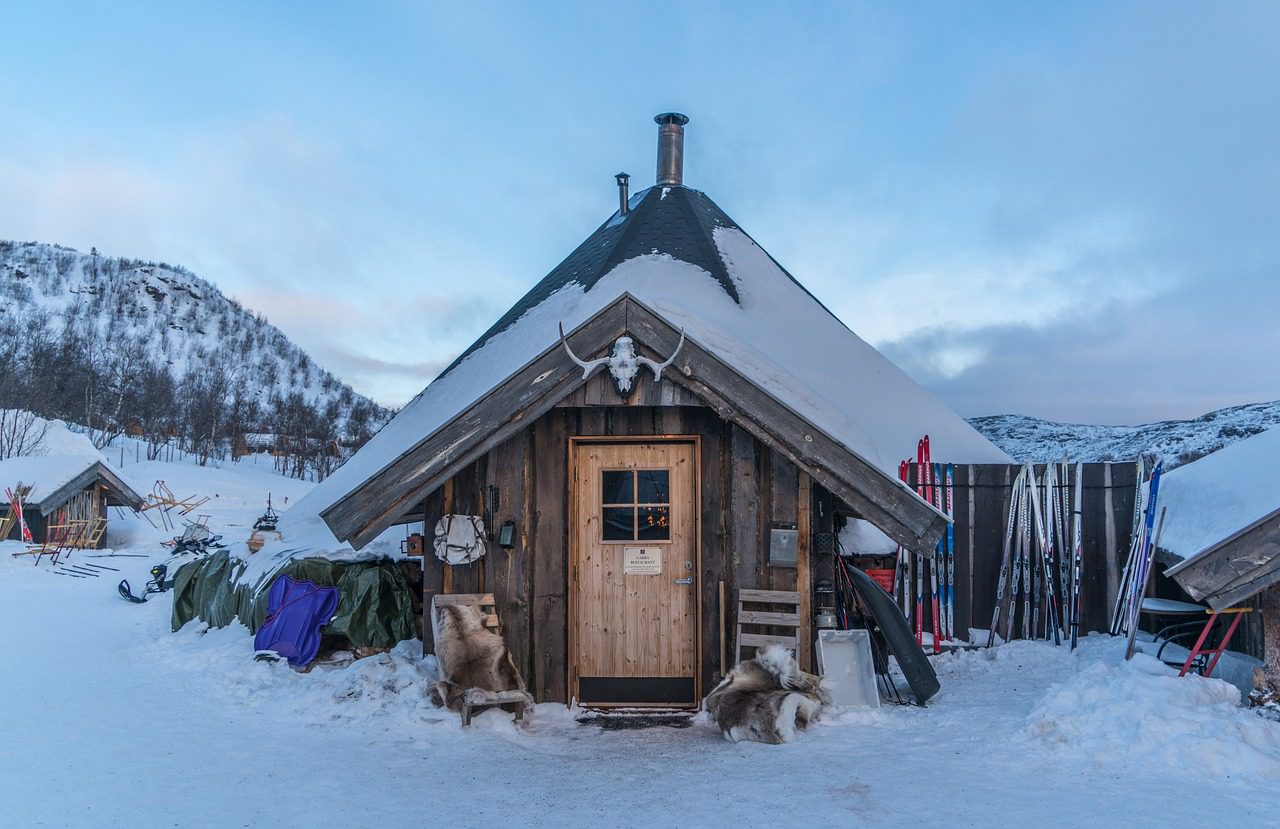
A moral question lingers for both Americans and Europeans, 30 years after the Ruby Ridge incident: do we as citizens have the right to isolate ourselves and effectively secede from the rest of society? If we try to do so, does the government have the right to intervene and force us back under its jurisdiction?