

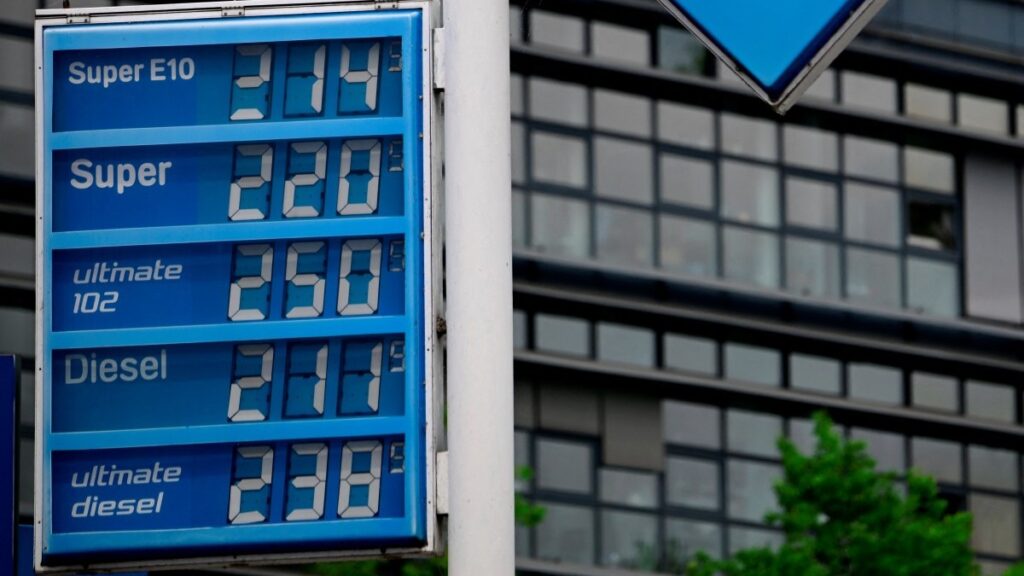
For the EU to overcome the energy challenges ahead, it cannot afford to abandon pragmatic solutions for the sake of dogmatic and rigid expectations.
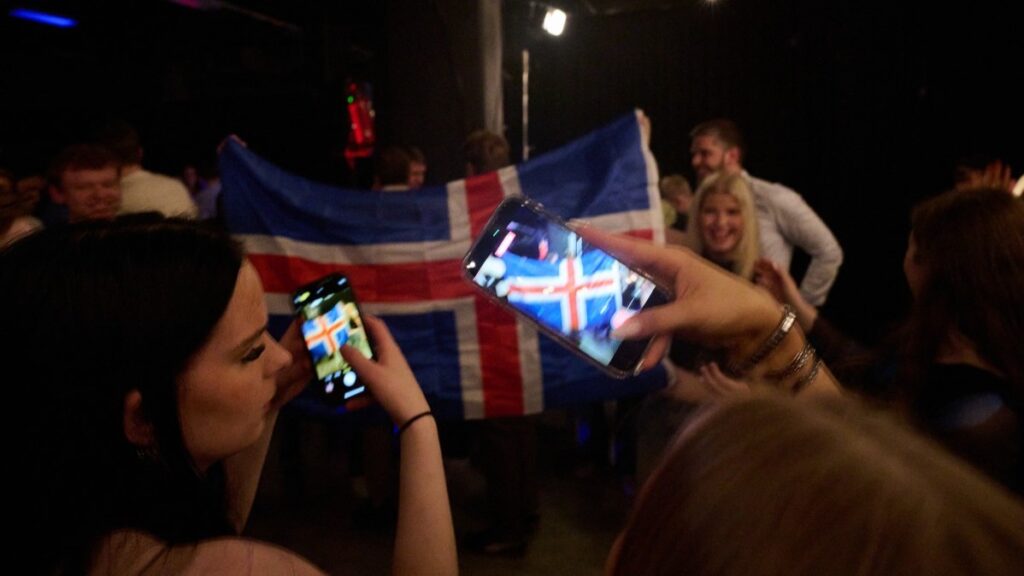
Icelanders were offered a chair at the negotiating table. They looked at it. And decided they were perfectly comfortable standing.
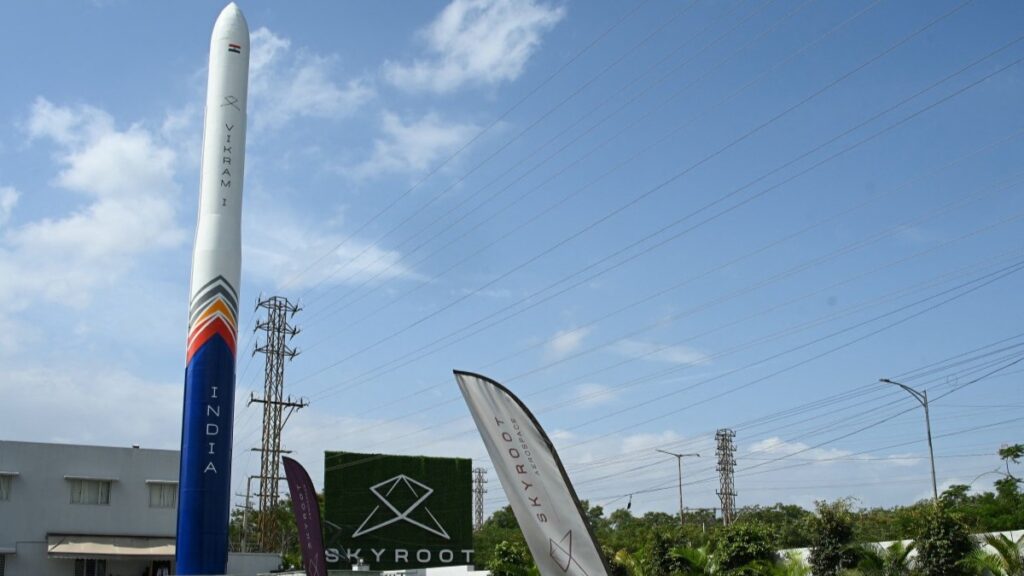
Vikram-1’s success confirms India’s entry into the private launch market just as Europe fears it may be unable to meet projected demand by the end of the decade.
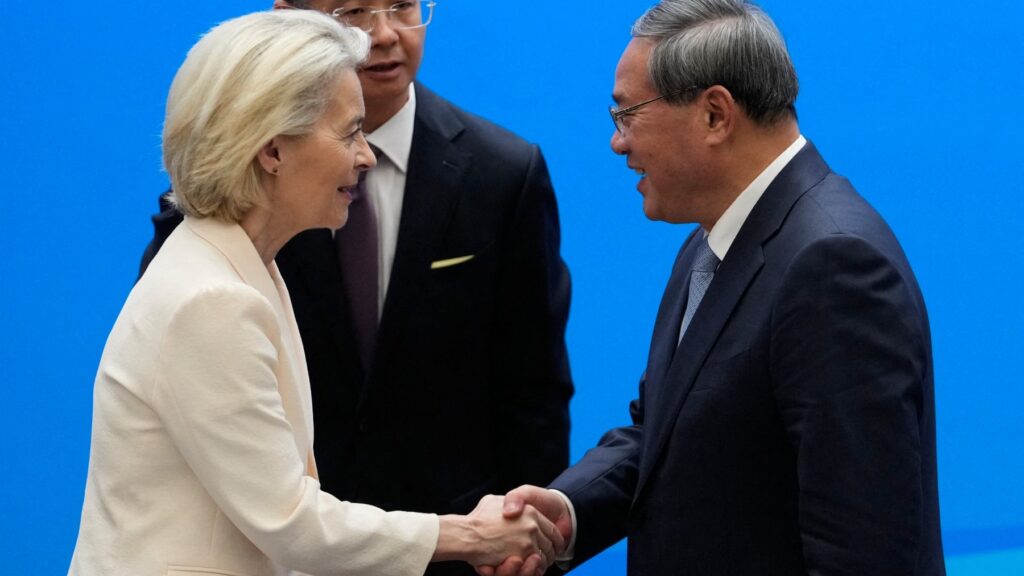
Brussels promises to reduce dependencies while Chinese companies gain ground in sectors that are essential to the European economy.
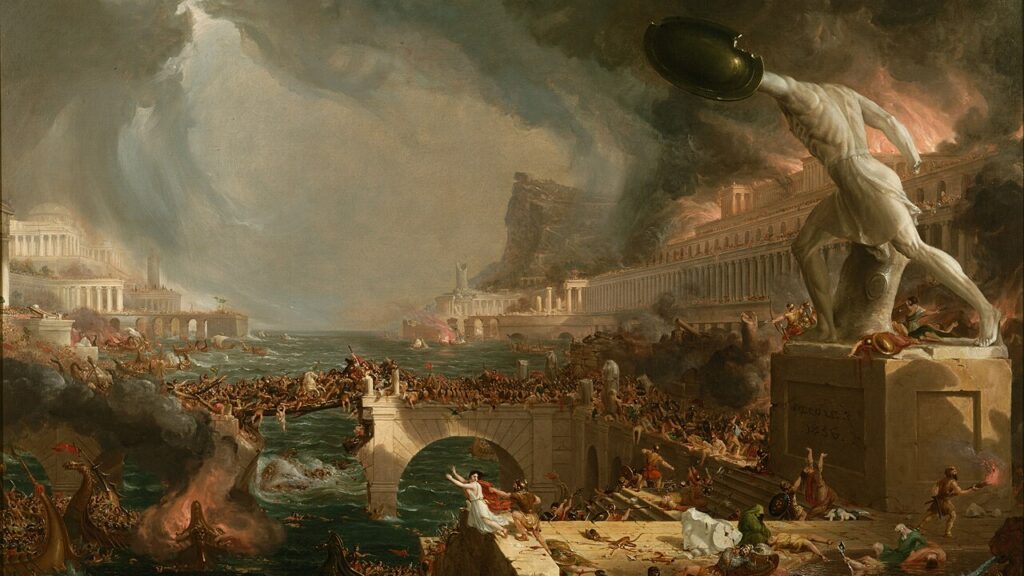
It’s not that European elites embrace the uninvited illegal aliens’ values. They just despise their own. A civilization ashamed of itself cannot ask others to assimilate into anything meaningful. And so they don’t.
Abolishing the veto will not create a common strategic interest where none exists. It will merely allow the majority to impose on individual countries decisions that those countries may regard as a threat to their own security.

Before Europe became a collection of nation-states, it was a civilization bound together by scholars, shared learning, and the pursuit of truth. As our capacity to communicate has expanded beyond imagination, the intellectual culture that sustained that world has steadily eroded.
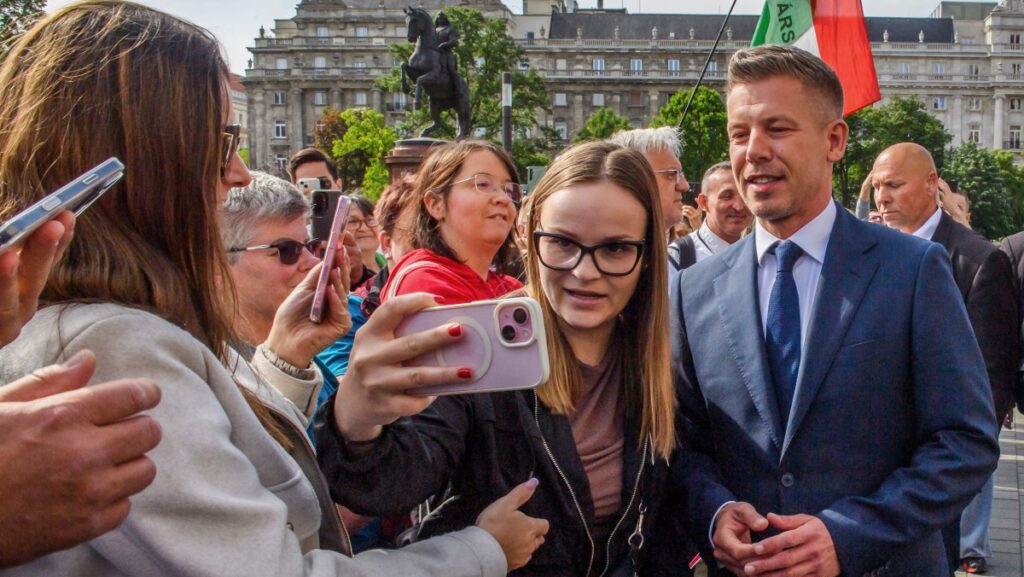
Anti-politics has become the latest trending communication product, but if we denounce political experience as a sin and herald amateurism as a virtue, we pave the way for chaos.
Germany’s massive investment in EV charging infrastructure was meant to accelerate the green transition. Instead, it has become a textbook case of cronyism, central planning, and the high cost of ignoring market signals.
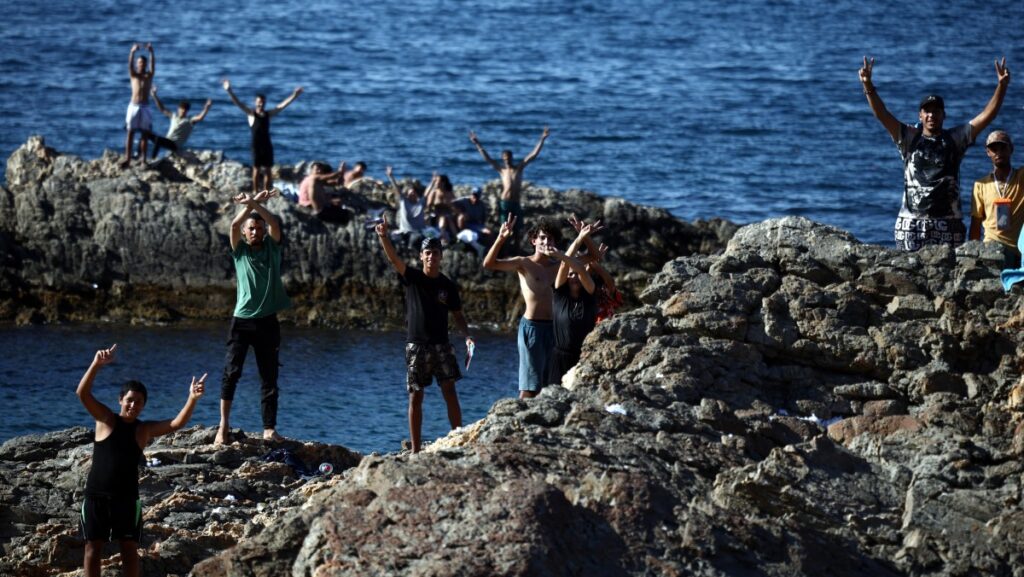
Europe may choose an extensive welfare state. It may choose extremely open immigration. But it cannot indefinitely maintain both without producing fiscal strain, political conflict, and declining public trust.
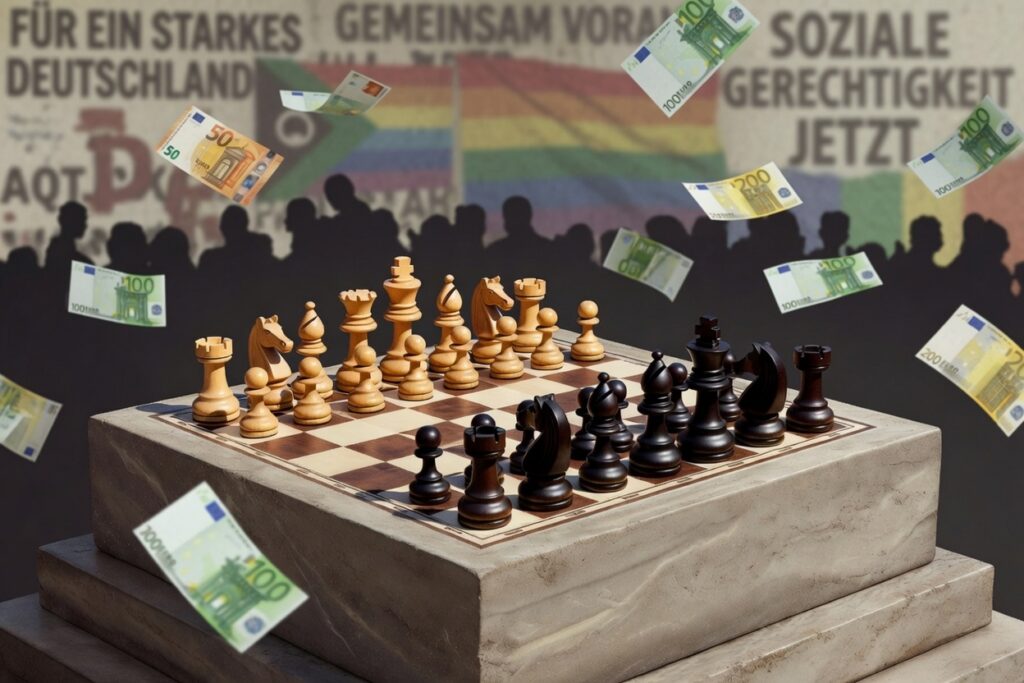
Democracy is not paradise, ideology, or a blank canvas for every political desire. It is a set of rules that demand restraint—and the humble recognition that we can be wrong.
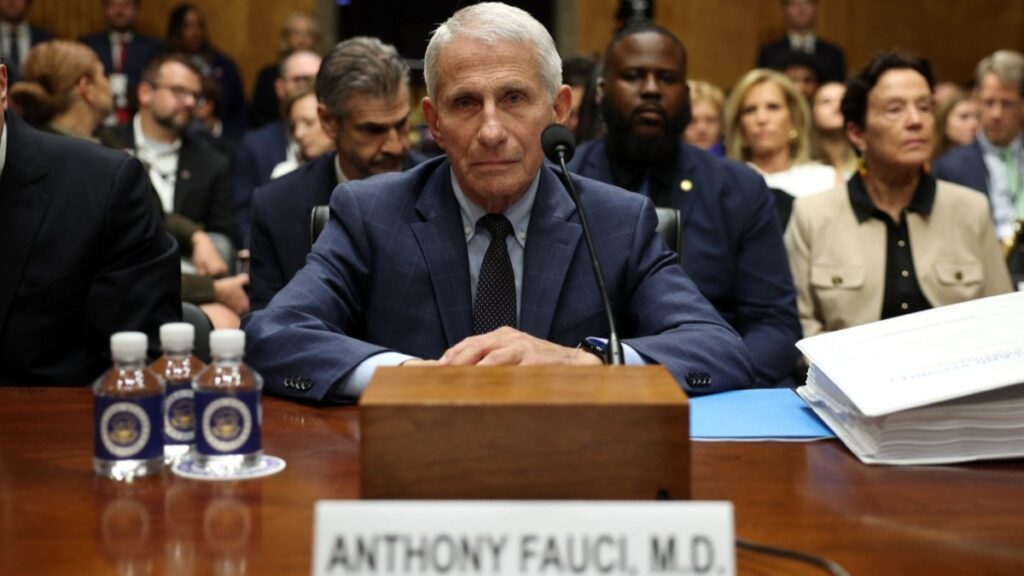
A scathing U.S. House of Representatives subcommittee report backs a probable laboratory origin for COVID-19, finds no quantitative basis for the six-foot rule, and argues that officials overstated the vaccines’ ability to prevent infection and transmission.
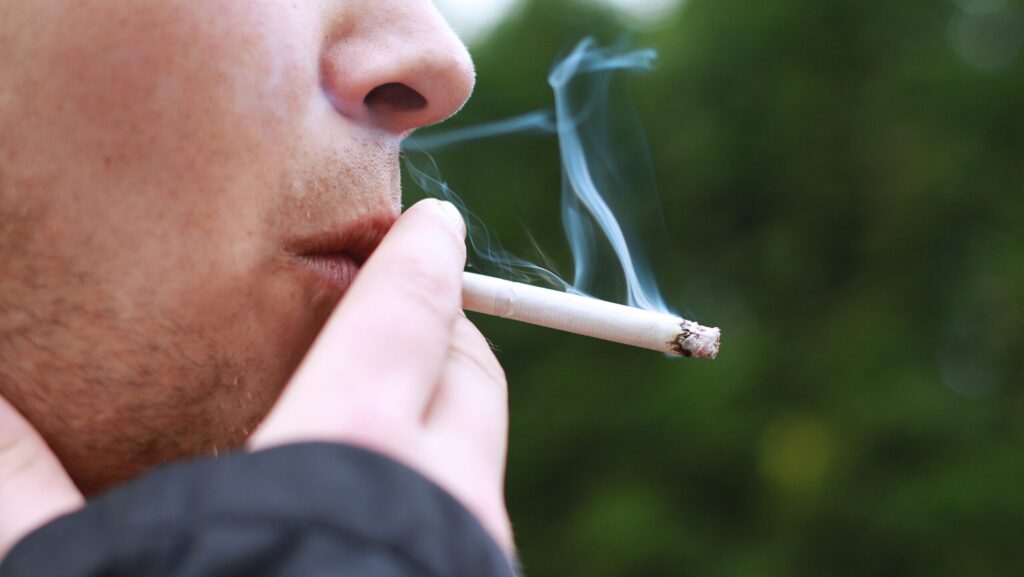
Prioritising lower-risk alternative products over prohibitions would reduce both cigarette consumption and associated crime more than any number of snowballing product regulations in Brussels.
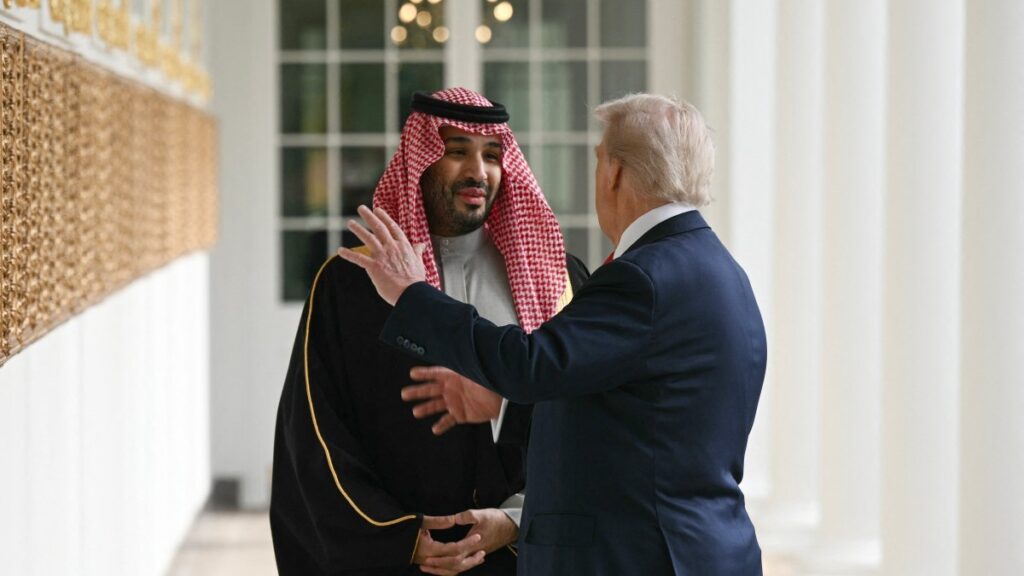
The two-year examination period before uranium enrichment technology is actually transferred to the KSA may be long enough to realize that the deal is not good for anyone.
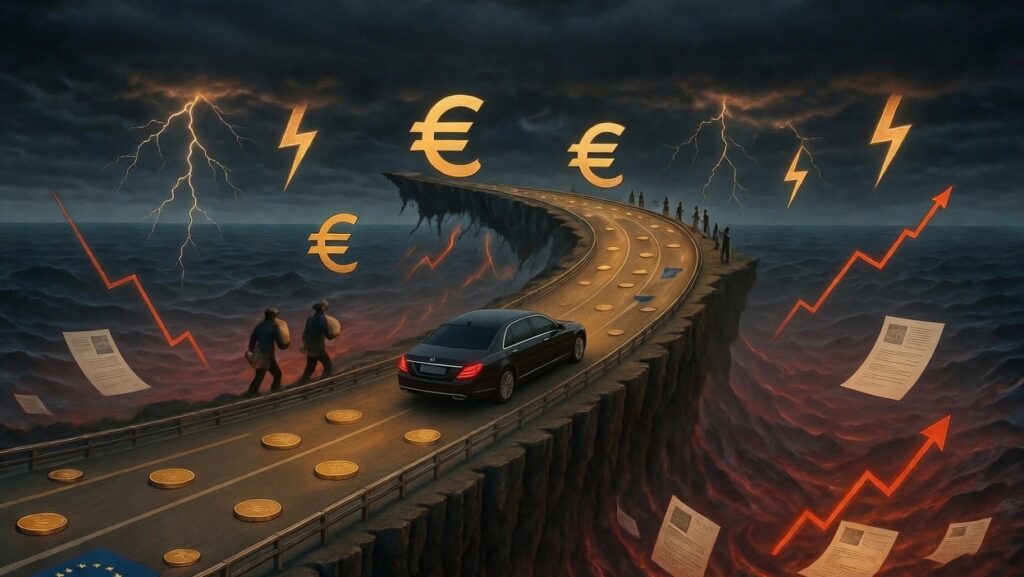
More defense spending, more climate redistribution—the EU spins the biggest wealth transfer machine yet.
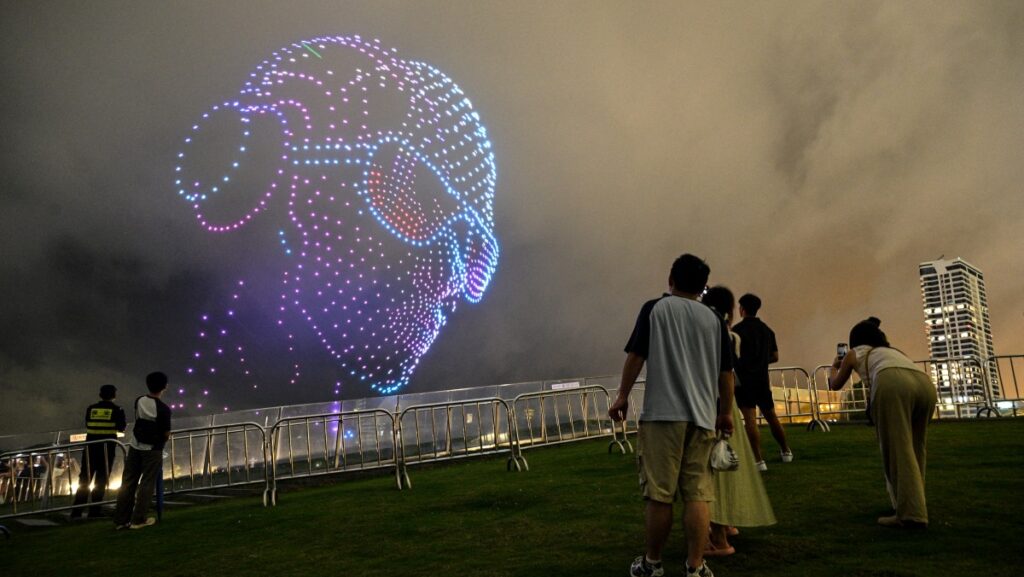
Has Europe gradually become so committed to institutional uniformity that it has unintentionally reduced one of the principal engines of its own historical success: competition among jurisdictions?

Persistent exploitation of legal loopholes in an EU outermost region erodes Europe’s sovereignty claims and creates opportunities for criminal and state-adjacent networks.
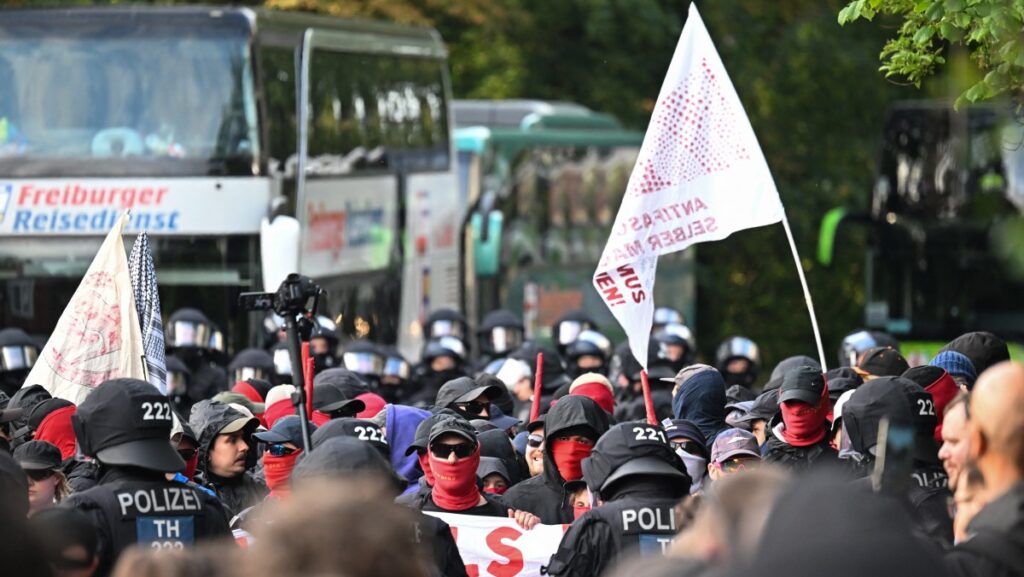
Anti-fascism in Germany has changed from a militant fringe concern into the moral common sense of its educated middle classes. One consequence of this is that the label ‘fascist’ now makes violence less objectionable.
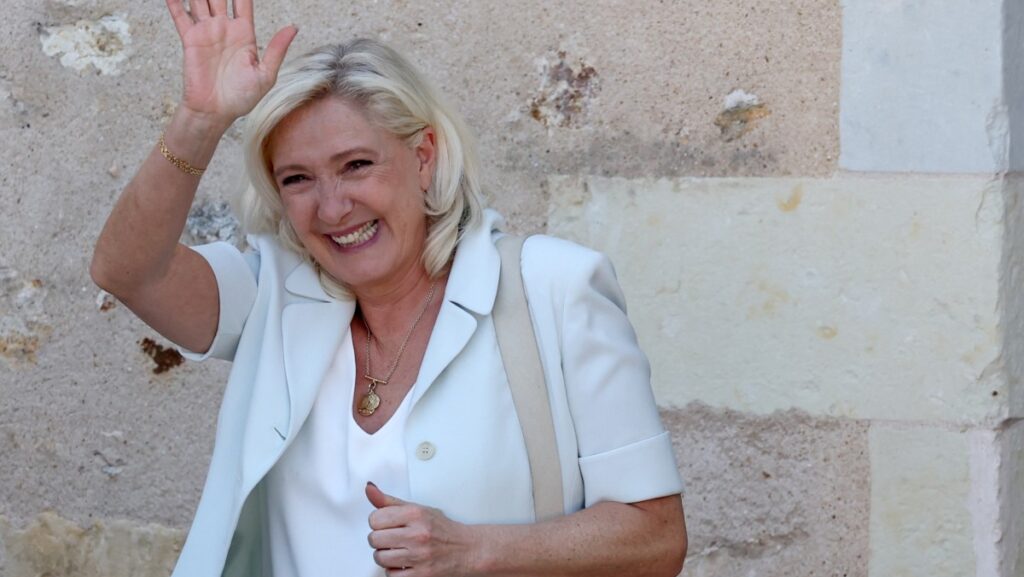
Marine Le Pen launches a high-stakes 2027 presidential bid, turning her legal battle into the defining gamble of the campaign.
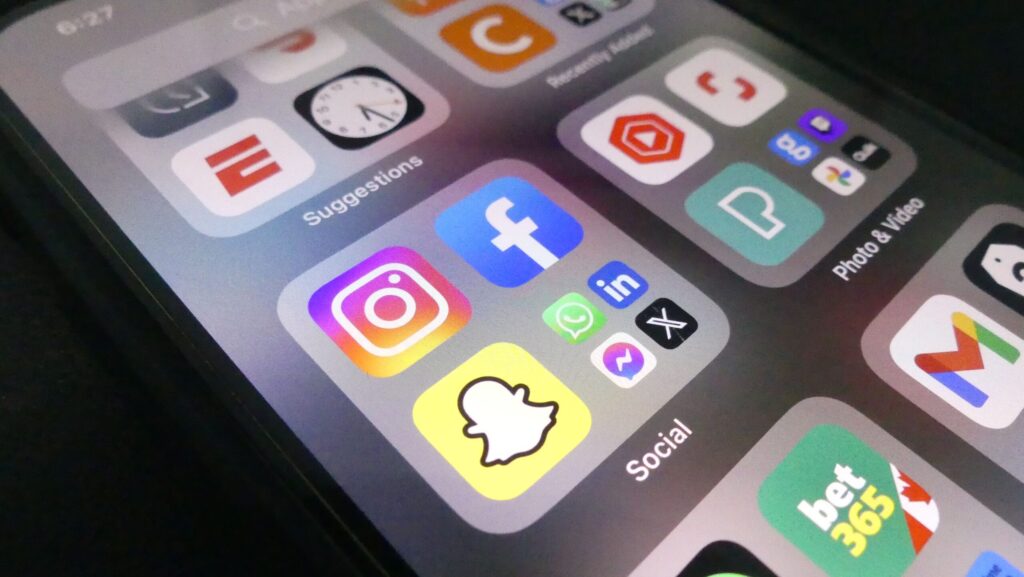
Brussels frames the digital euro, age verification, and Chat Control as separate solutions to real issues, but together they highlight who controls the digital infrastructure shaping everyday life in Europe.
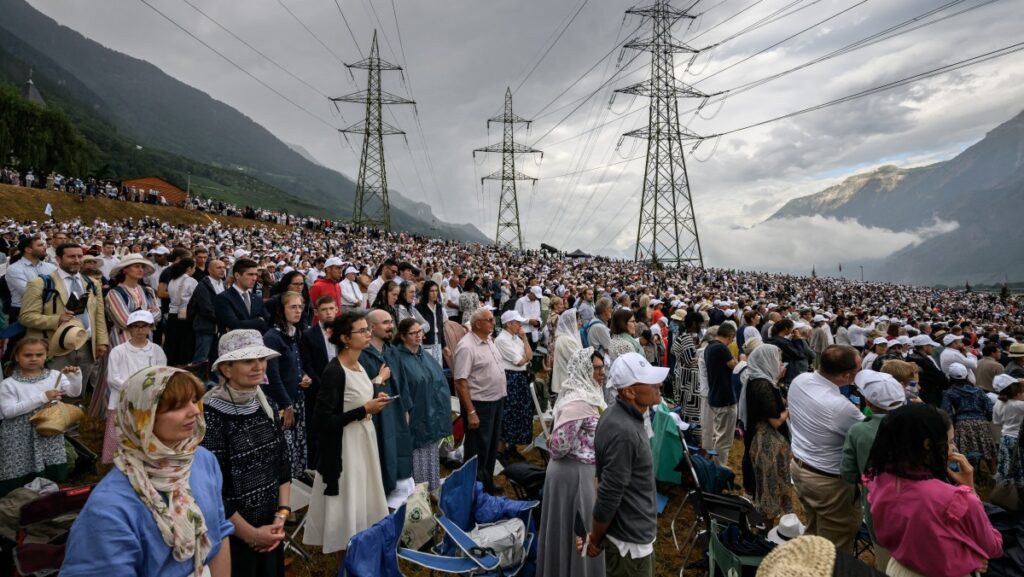
The largest Catholic traditionalist society has been excommunicated from the Church. What now for the Latin Mass and doctrinally conservative Catholics?
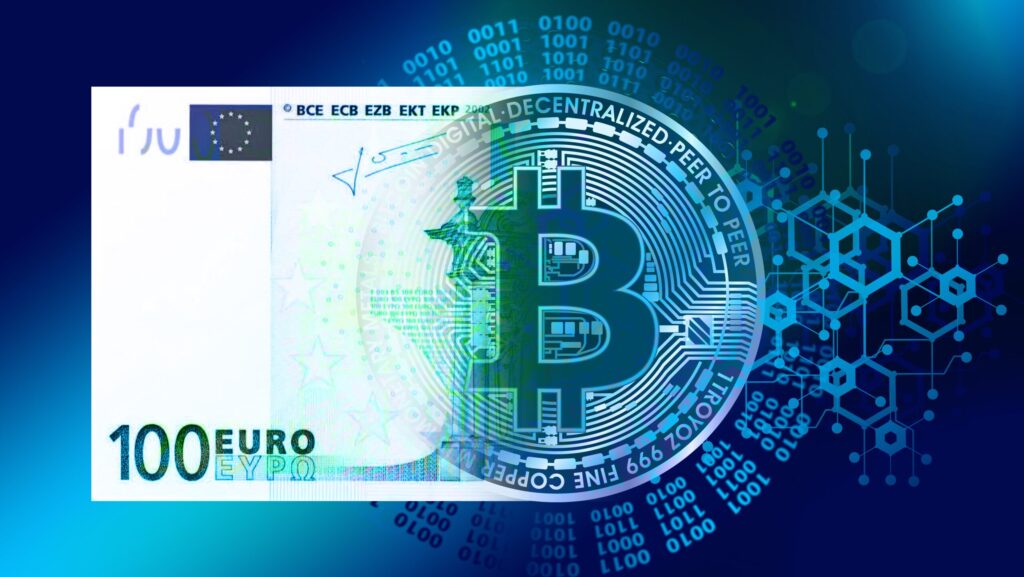
Sovereignty in the 21st century is no longer measured solely by territory, military capability, or political institutions. It increasingly depends on who controls the infrastructure that enables economies to function.
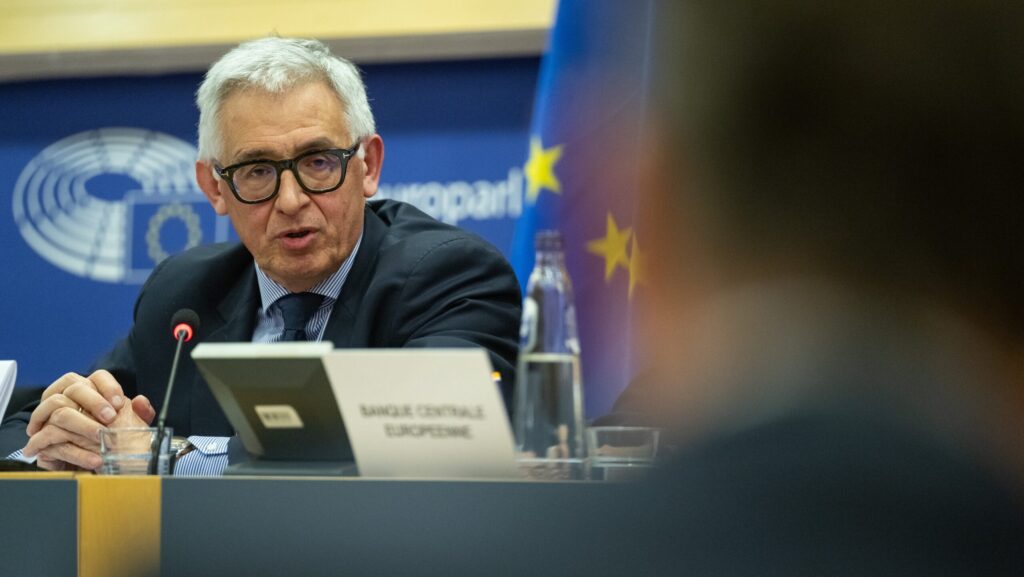
The European Parliament voted to open negotiations on the most ambitious monetary project in Europe since the creation of the euro—without any independent body having examined whether the ECB had the Treaty authority to propose it in the first place.
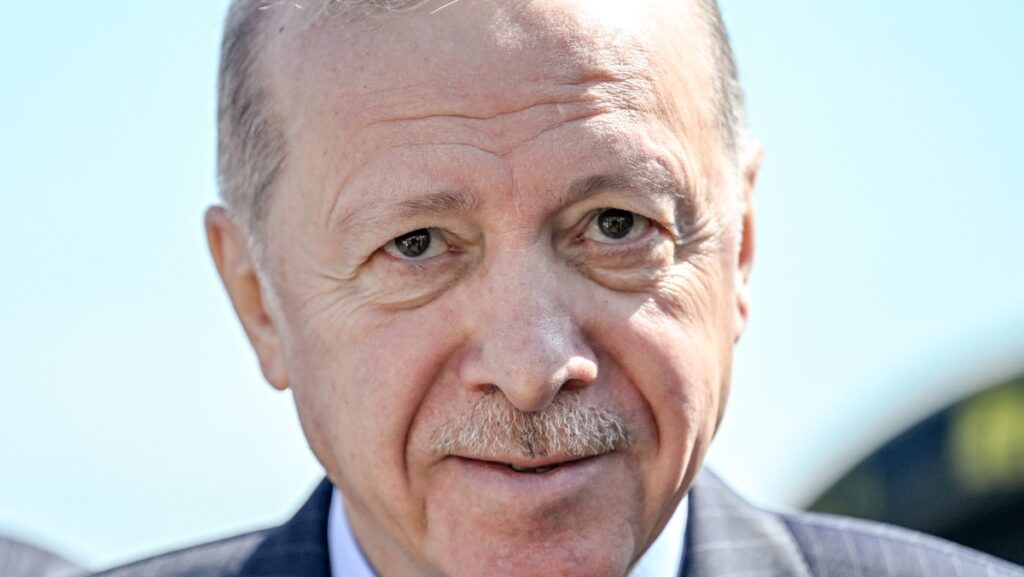
Erdoğan’s recent address formalises Ankara’s proactive strategy of shaping its neighbourhood through military and diplomatic means, raising tensions with Greece while signalling long-term regional ambition.
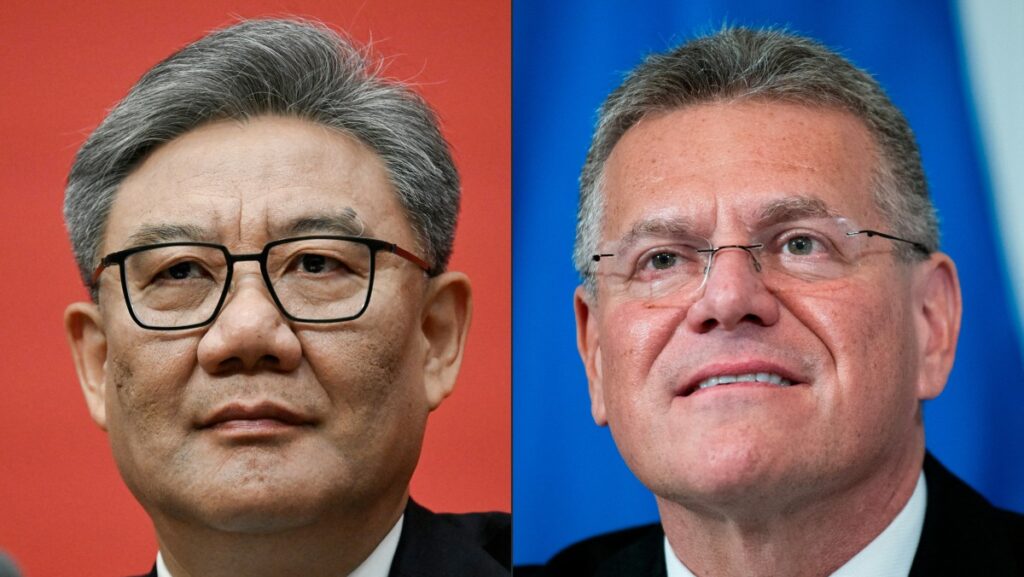
A country that has halted exports as an act of foreign policy is categorically different from one that has not, and European law should reflect that distinction.
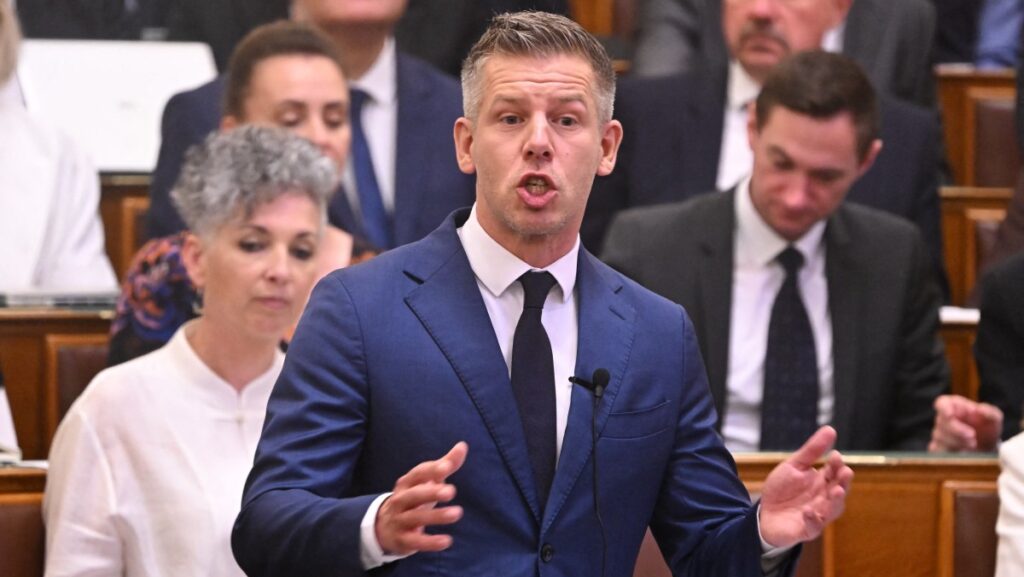
By wielding his supermajority as a weapon, Péter Magyar has chosen the path of permanent escalation.
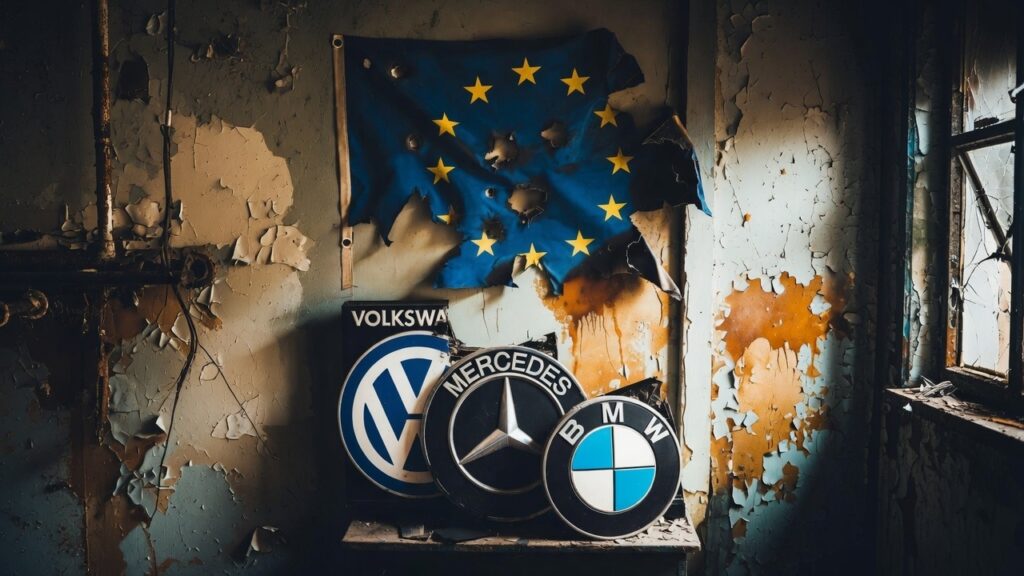
As Germany is losing its automotive edge, France and Italy are facing overcapacity, Spain is exposed by its role as a production platform, and China is advancing inside Europe’s own market.
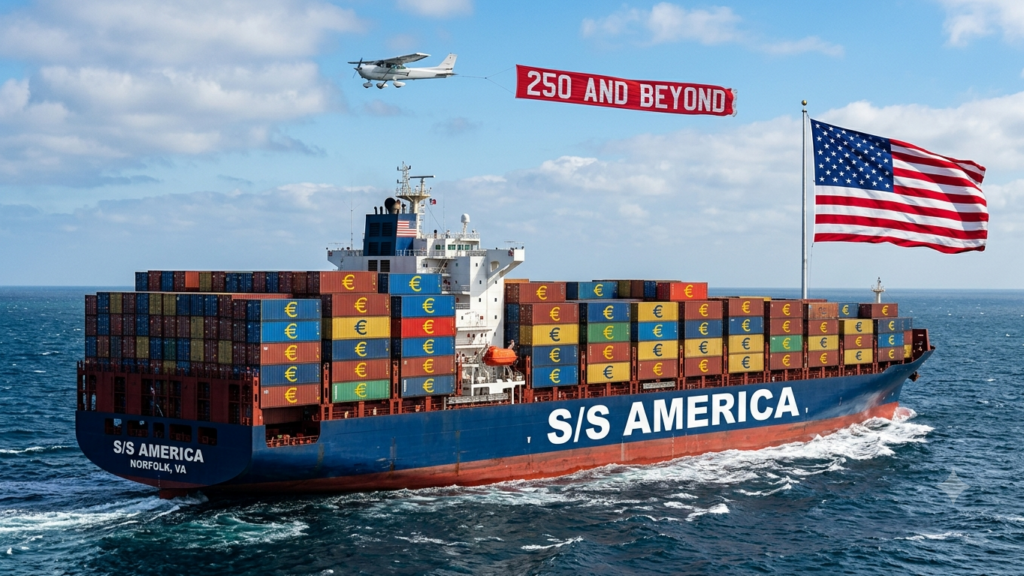
In the choice between thriving capitalism and over-taxed regulatory hell, money speaks louder than Eurocratic political hype.
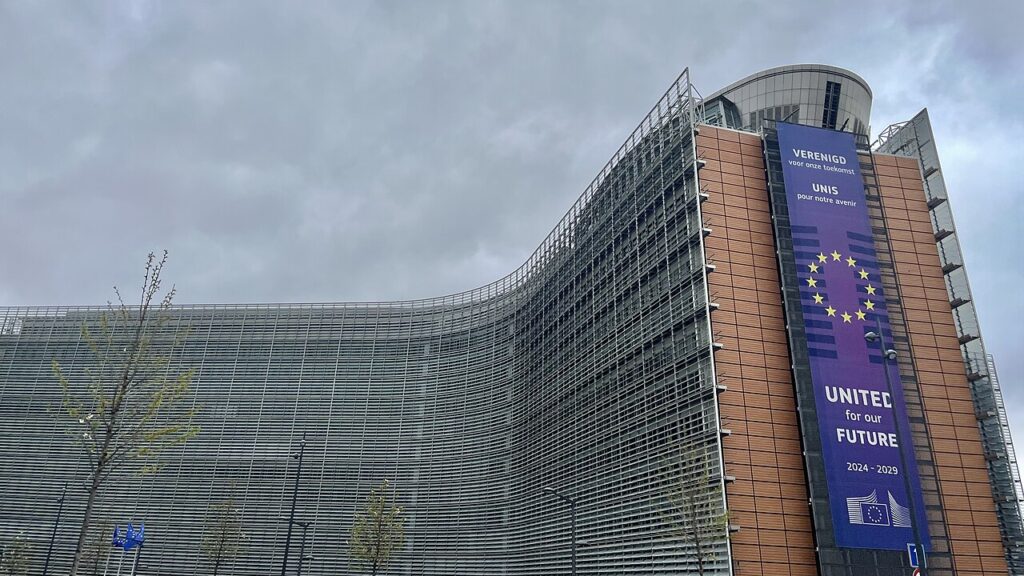
Brussels must ask whether its transparency rules still reflect where influence actually resides.
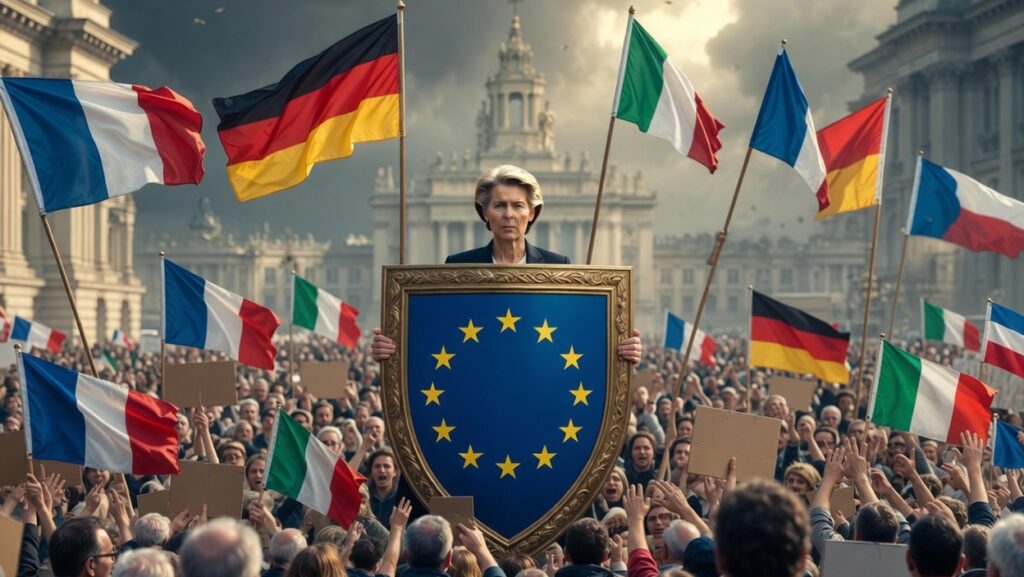
A committee established to defend democracy from manipulation has become the cheerleader for a system that treats democratic speech itself as a manipulable object.