

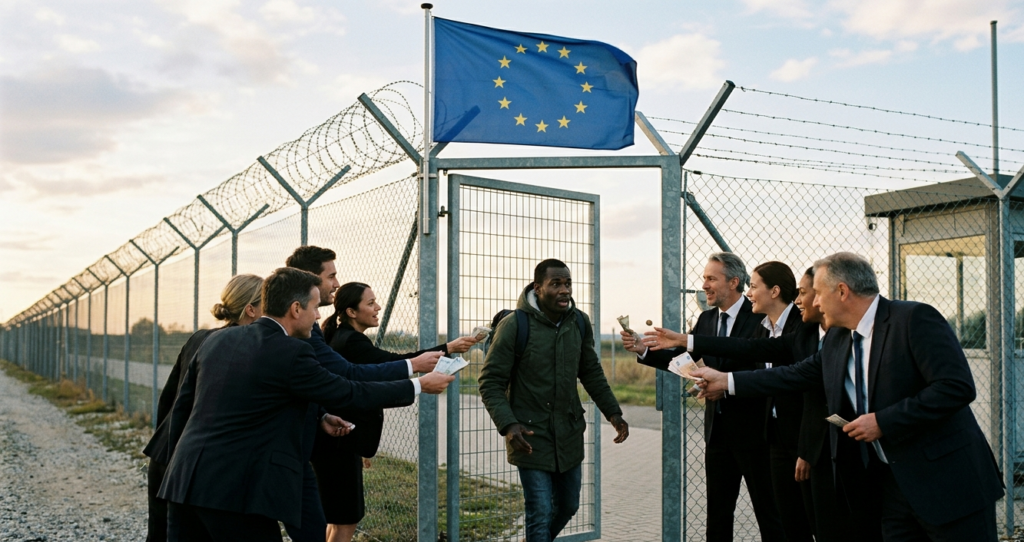
Is the EU really seeking full harmonization of benefits for illegal immigrants and asylum seekers? If so, the consequences for most member states will be fiscally catastrophic.
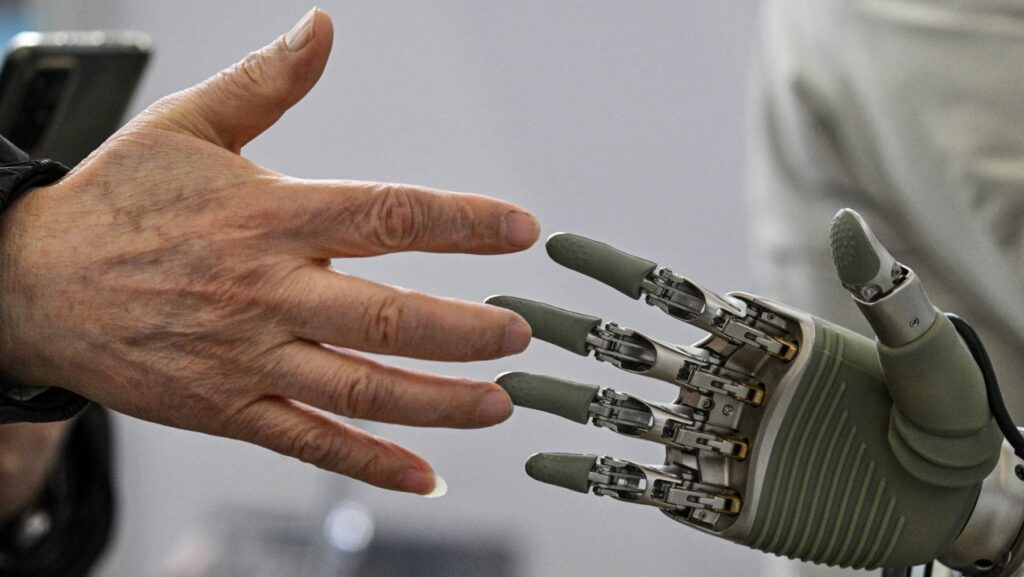
Europe is beginning to recognise that sovereignty is not merely a legal or political concept, as it also rests on the capacity to produce, innovate, and sustain economic power.

The question is not whether Leo XIV has spoken well. It is whether the institutional architecture exists for any temporal authority to answer, and whether any European institution has been authorised to ask the anthropological question the encyclical raises.
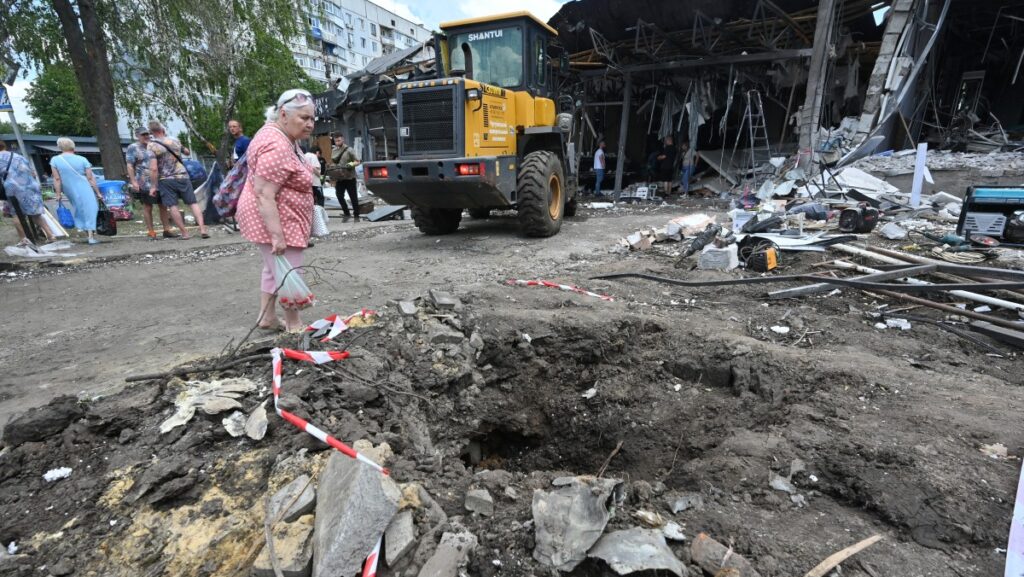
Can Ukraine sustain the costs of a long war of attrition against a larger opponent while preserving the demographic, economic, and social foundations of a viable post-war state?
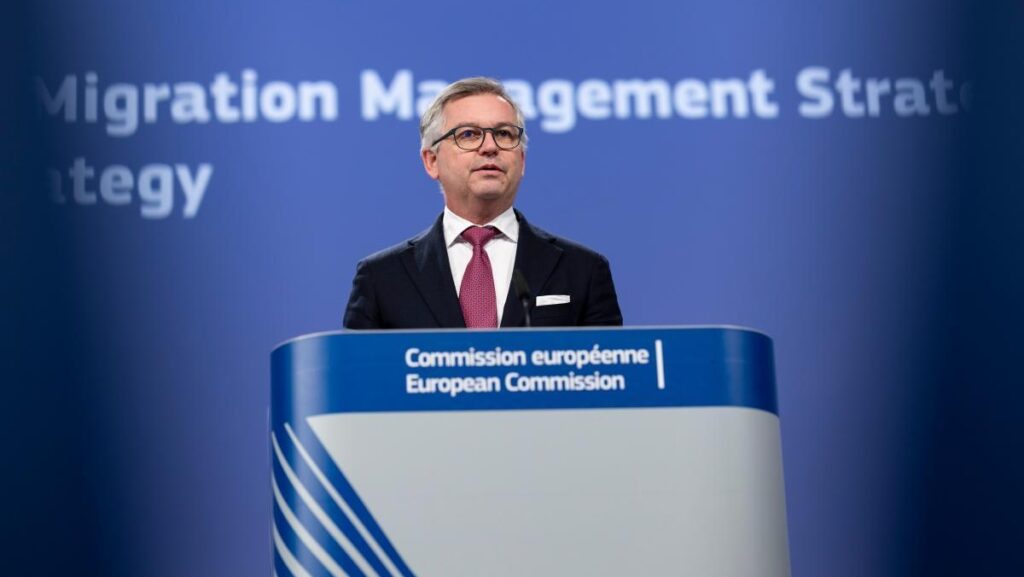
A quick explainer on the EU’s landmark migration management legislation and why the European Right is not happy about it.
The European Central Bank’s latest rate hike is built on an inflation forecast that’s likely to prove far too modest.
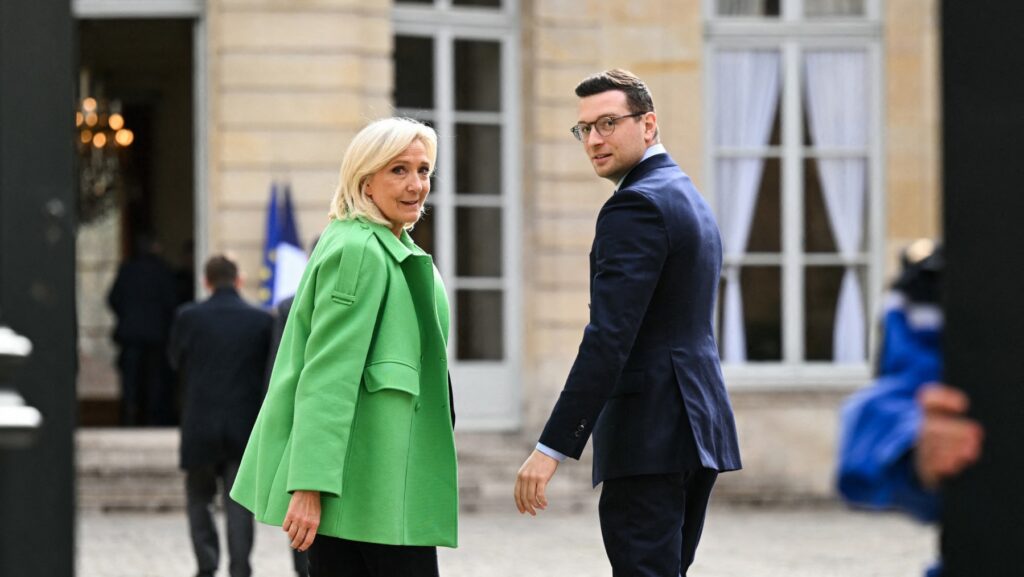
On July 7th, the outcome of Marine Le Pen’s trial will determine not only the RN’s candidate for 2027 but also the party’s political line.

While the core countries, centered around the French-German-Italian triad, struggle with a stagnant economy, outliers attract business investments and in return get strong GDP growth.

A society can survive temporary economic hardship. It can recover from military defeat. It can rebuild cities destroyed by war. What it cannot easily recover from is the loss of civilizational self-confidence.
From Greece to Bulgaria, there are faint but promising signs that Brussels may have realized that it cannot whip member states into fiscal compliance.
A proposed elder care reform in Germany becomes a stark symbol for the end of the European model. As comfortable middle-class life becomes unattainable, economic stability and political tranquility wither away.
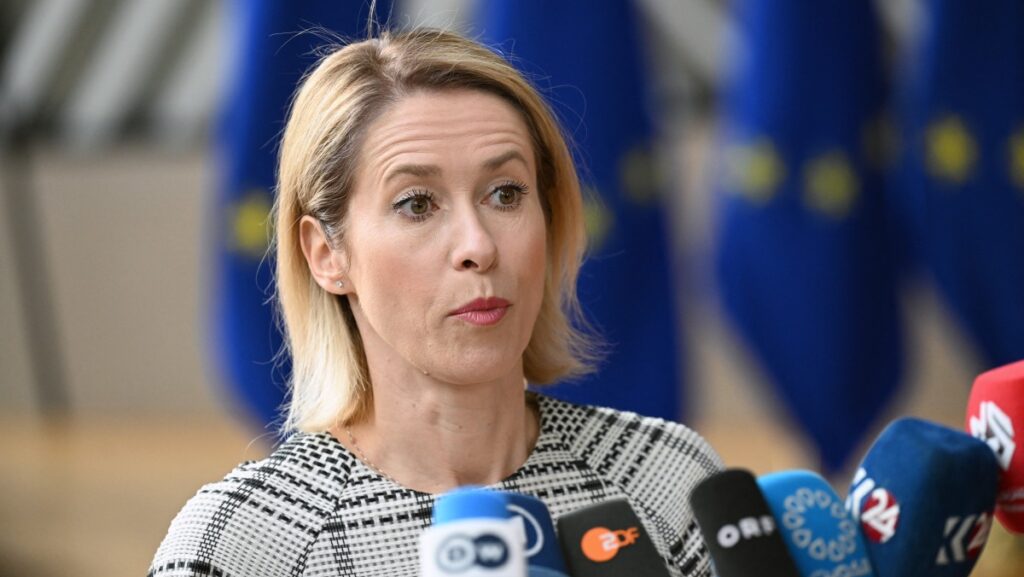
Sovereign states coordinating defence by consent, in preference to an emergency federalism that issues handbooks because it cannot field divisions: that is the only direction worth defending.
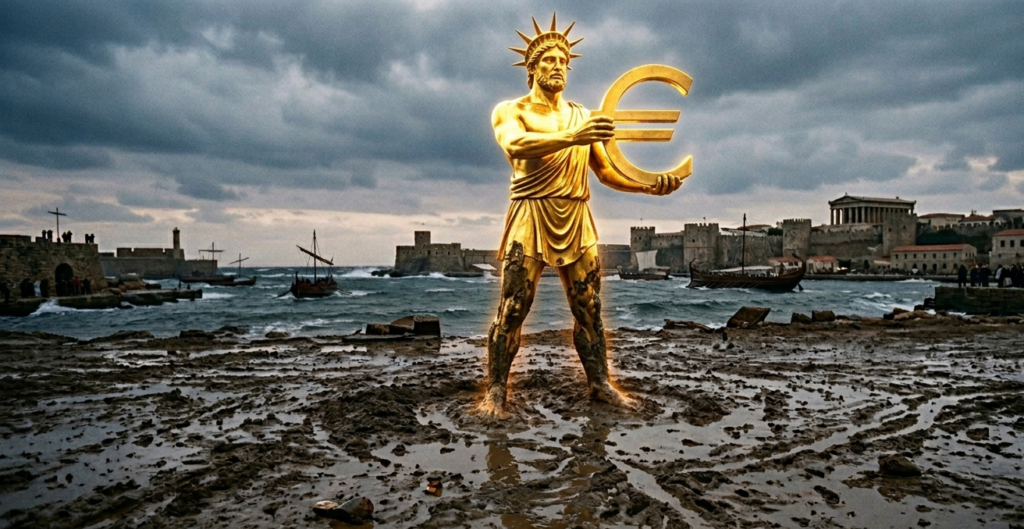
Neither tariffs nor the war in Iran can throw a wrench into Europe’s financial machinery like its home-grown problems can.

Businesses both foreign and domestic are turning their backs on Germany. The nation’s deindustrialization is no longer a fearful forecast—it is stark reality.
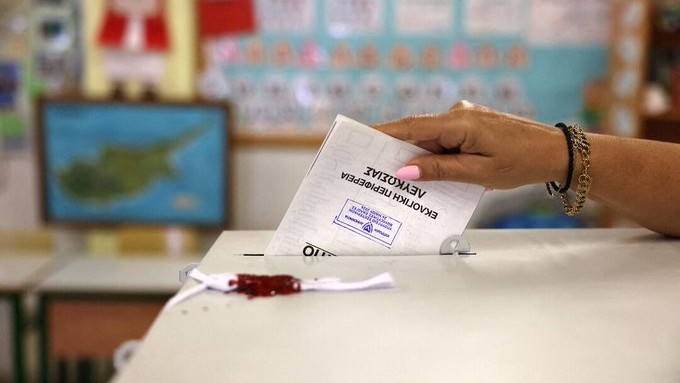
Overall, the elections point more toward gradual political reconfiguration than systemic rupture.
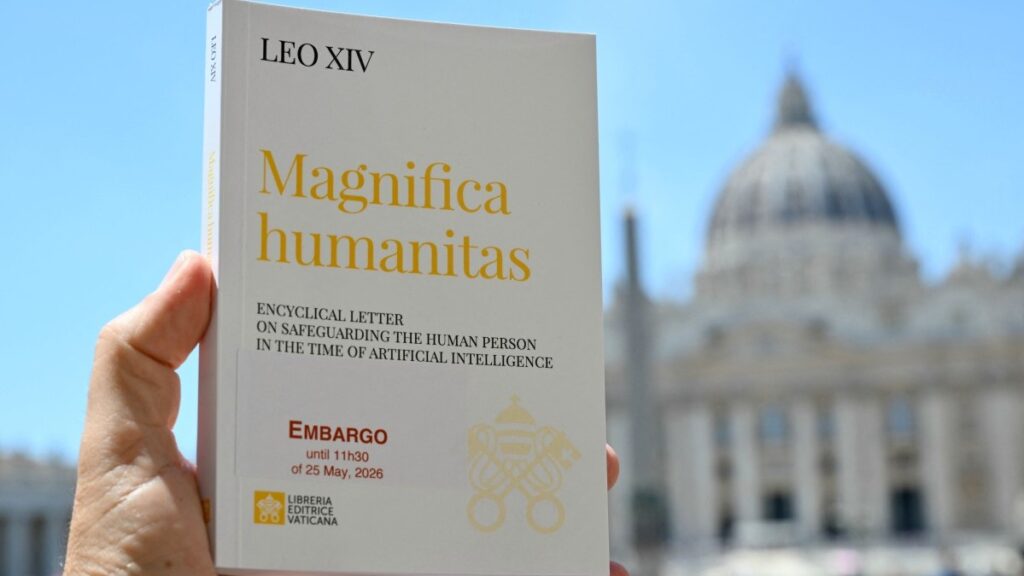
“We must lovingly safeguard the grandeur of humanity bestowed upon us and revealed in its fullness in Christ, the splendor of which no machine can ever replace,” the American pontiff wrote in his first encyclical.

Can Kirk’s measured, pragmatic conservatism meaningfully address a French Right forged by the irreparable fracture of 1789 or does it seem too mild for the depth of the revolutionary rupture that still defines modern French identity?

Once a legal status acquired in one member state begins circulating freely across the Union, national constitutional distinctions gradually erode in practice even when they formally remain intact.

A new report lays out a risky path ahead for Budapest—including painful inflation levels not seen since the last energy shock.
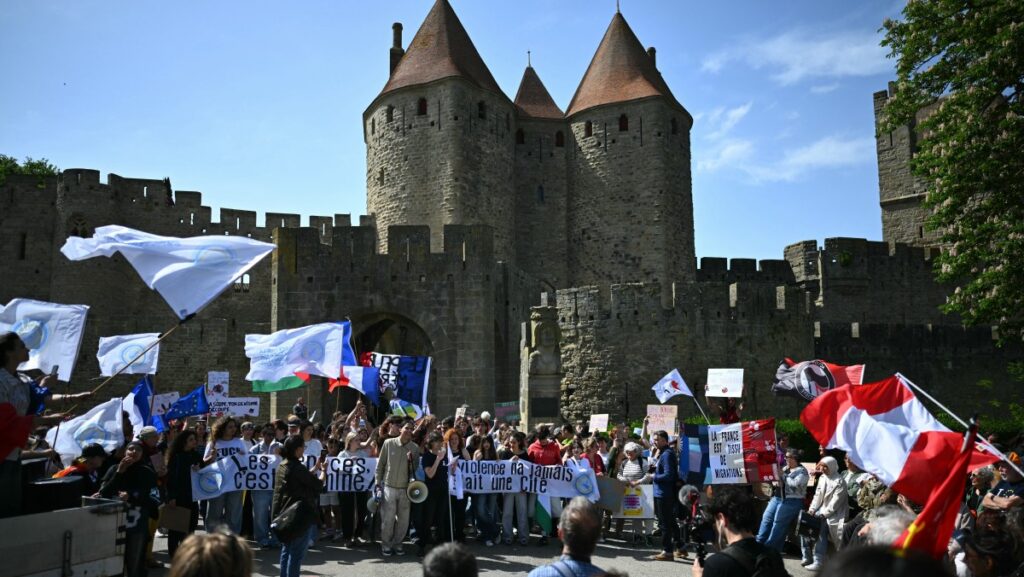
Budget cuts imposed on trade unions or activist cultural organisations: what if this were simply a triumph of common sense?
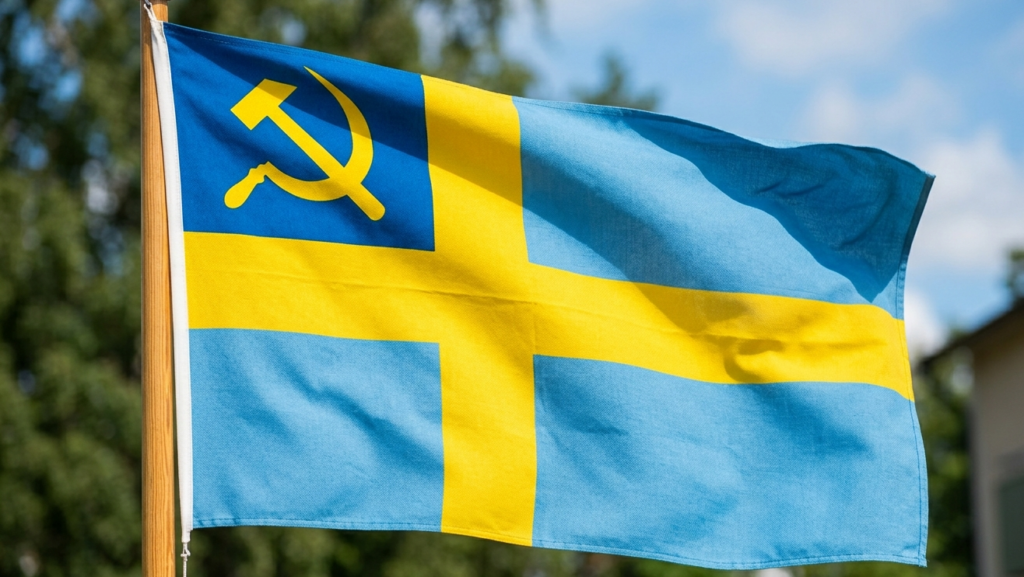
Another wave of media stories tries to portray Sweden as a reborn haven for capitalism. Nothing could be further from the truth.
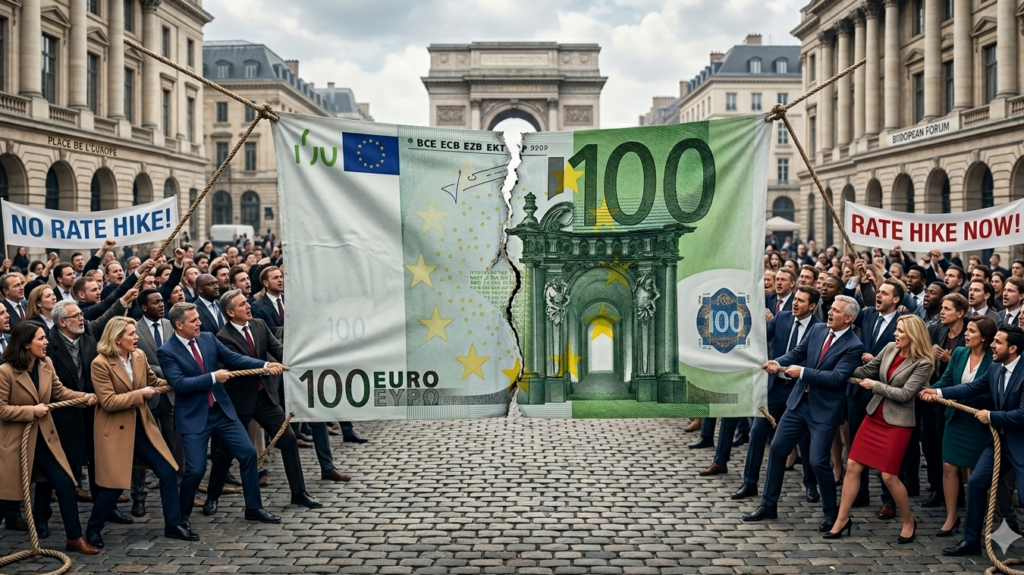
With the threat of stagflation growing stronger, the ECB is allegedly still reluctant to raise interest rates. This is very troubling, especially with stagflation lurking in the woods.
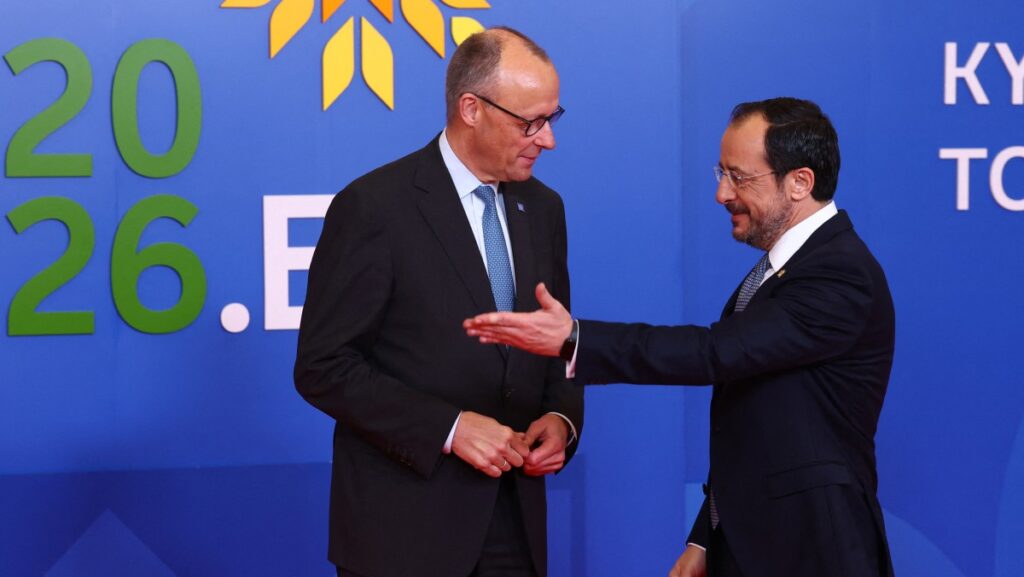
What appears, on paper, as a serious expression of mutual defence still depends in practice on political improvisation.

Recent discussions have tried to explain a transatlantic difference that has been growing for decades.

Here comes another political-posturing project from Brussels.
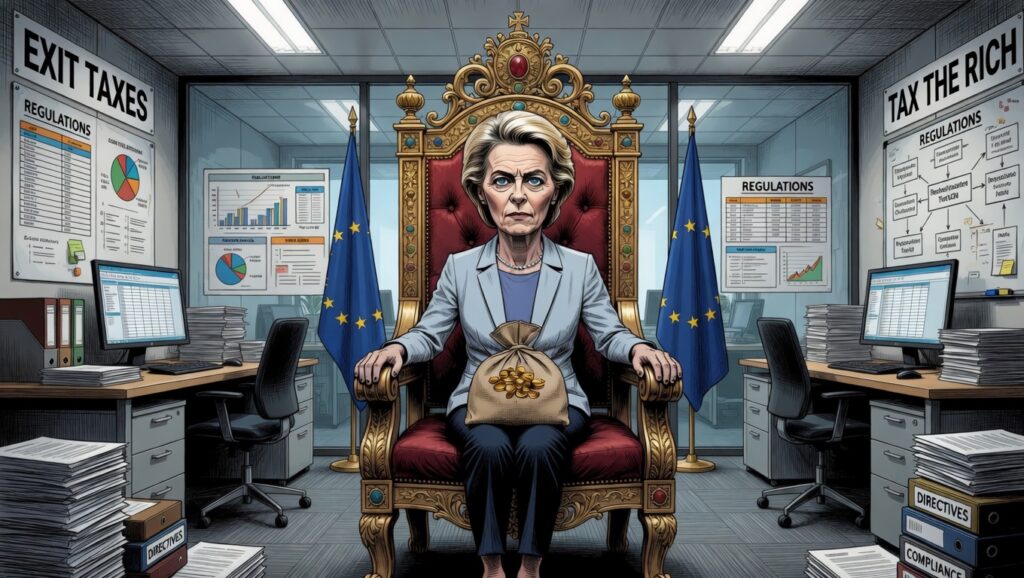
Having learned nothing from history, the EU Commission has ordered a report that looks like an instruction manual for how to chase wealth out of Europe.
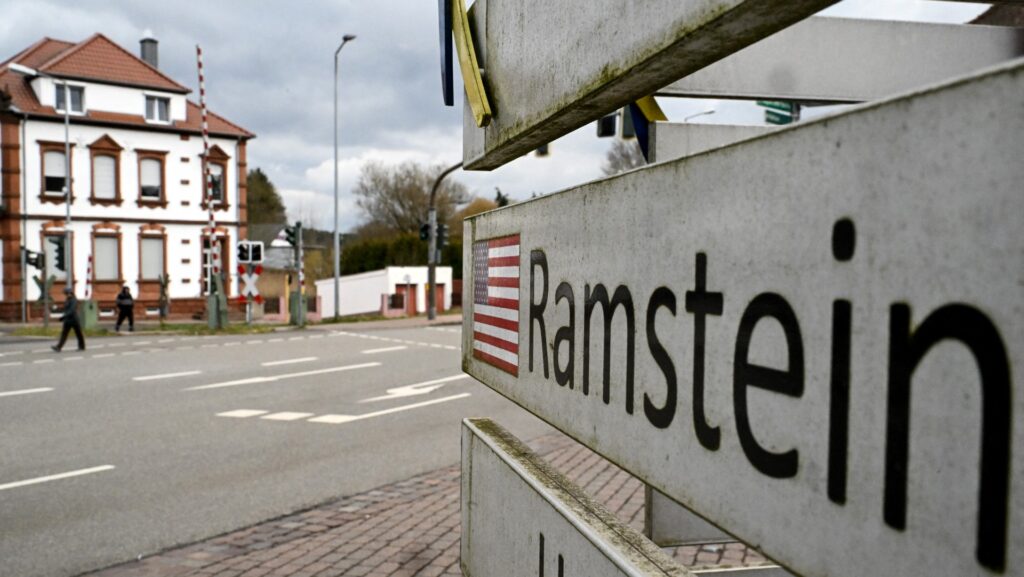
Trump’s move coincides with Berlin’s strategy to become Europe’s leading conventional military power.
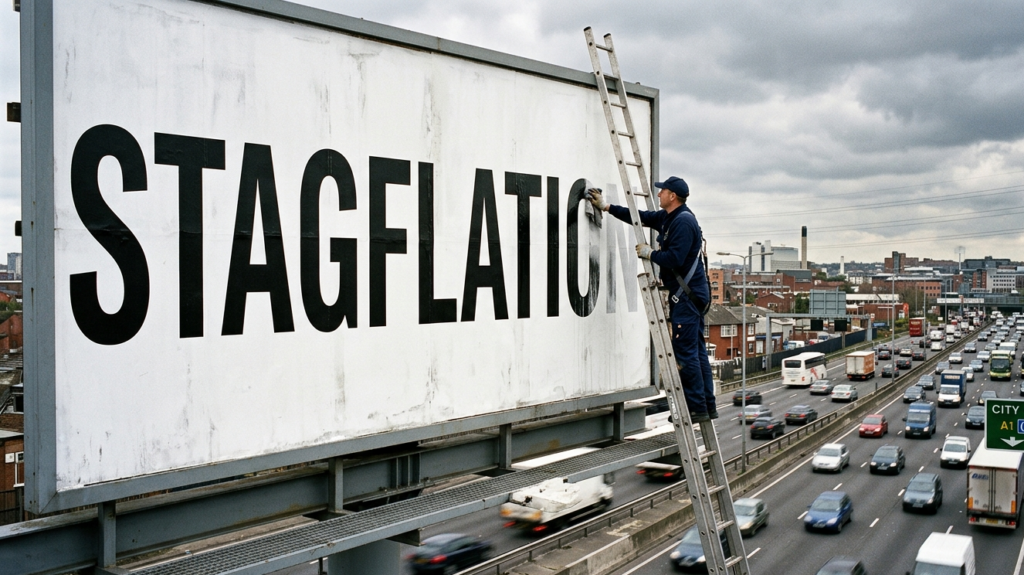
The numbers don’t lie, but euro zone money chief Christine Lagarde still refuses to be responsible and admit the obvious.

If their tax plan is any indication, Hungary’s incoming government will declare political war on the nation’s conservative accomplishments.

The same system that encouraged the reduction of births is now trying to manage the consequences.