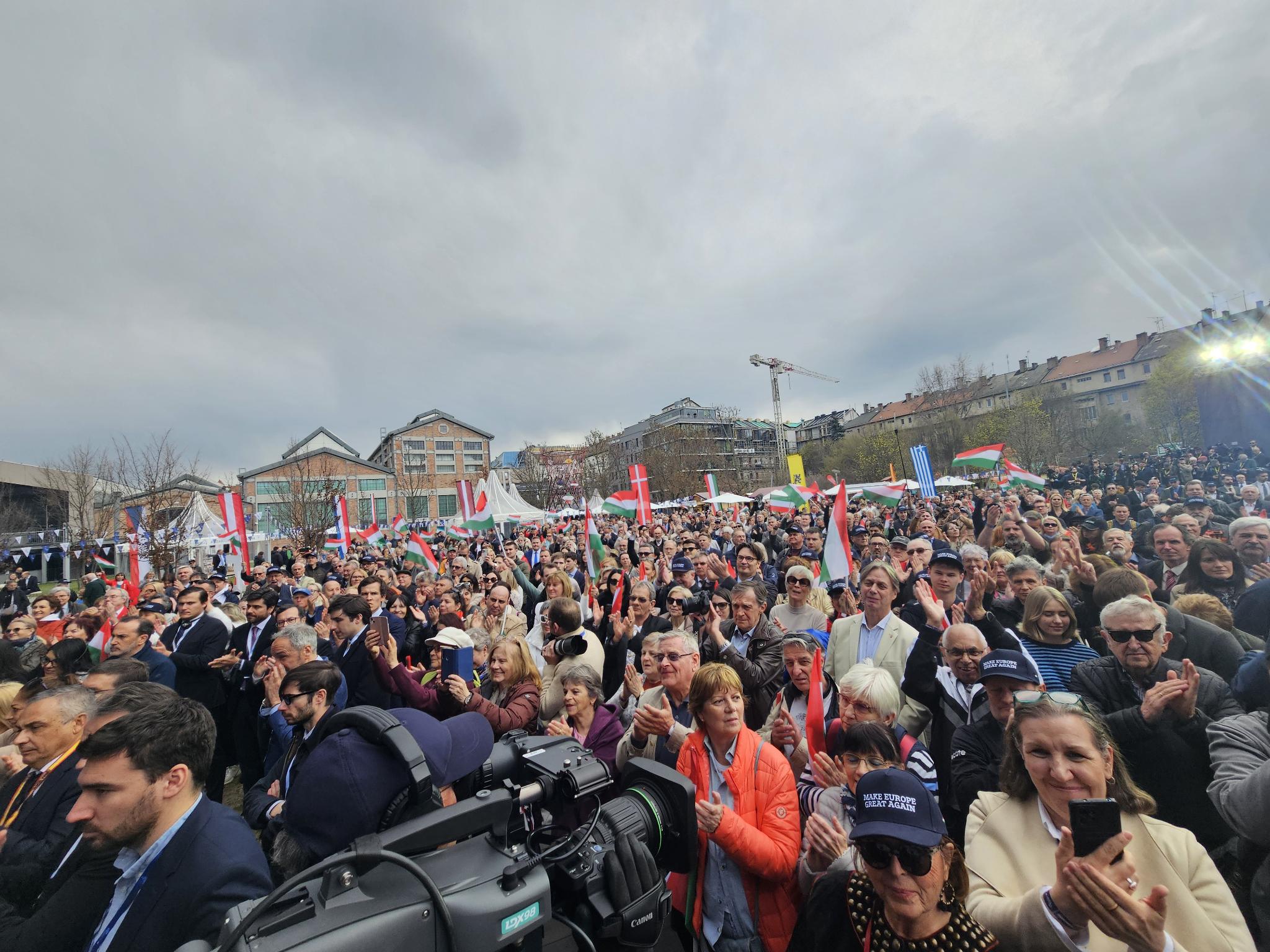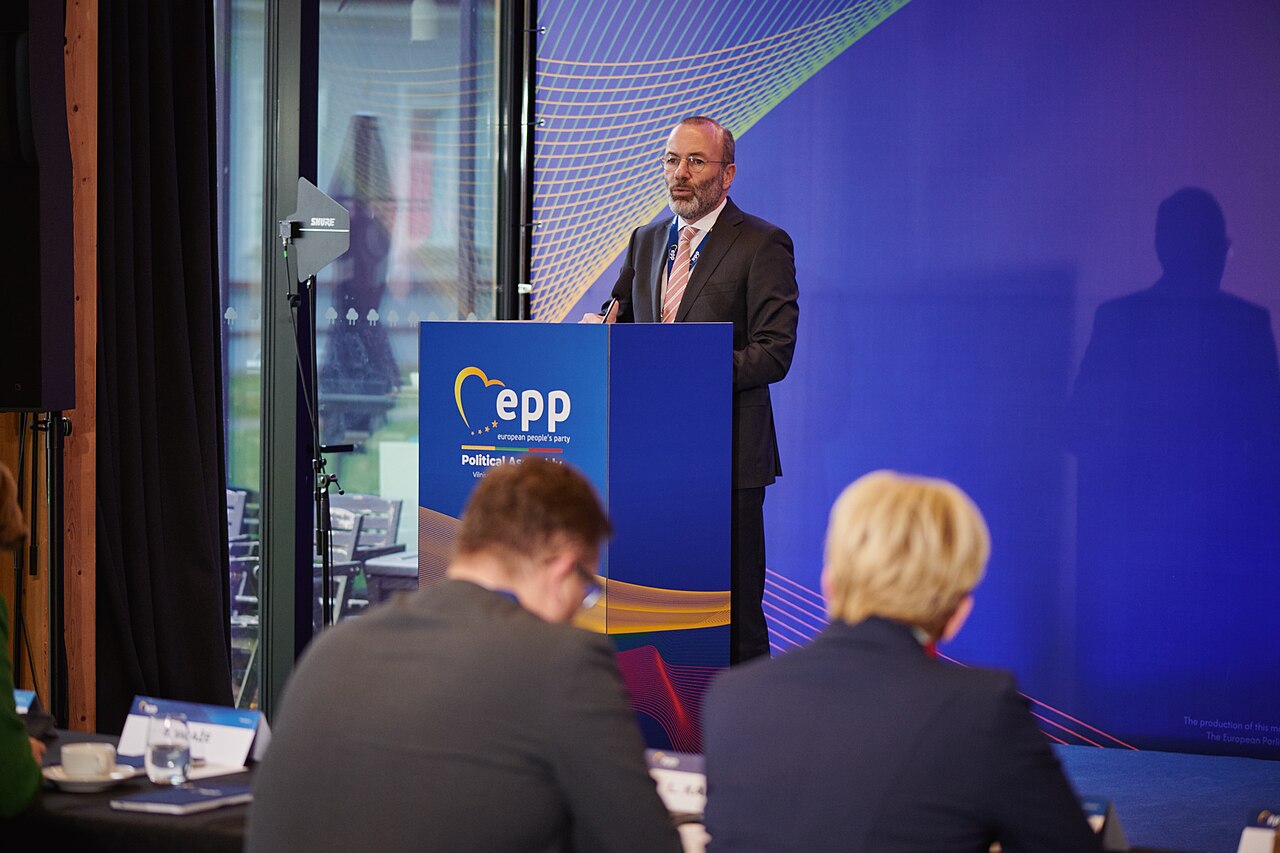
Conservative and sovereignist leaders from across Europe gathered in Budapest to call for a shift away from EU centralisation and towards national sovereignty.
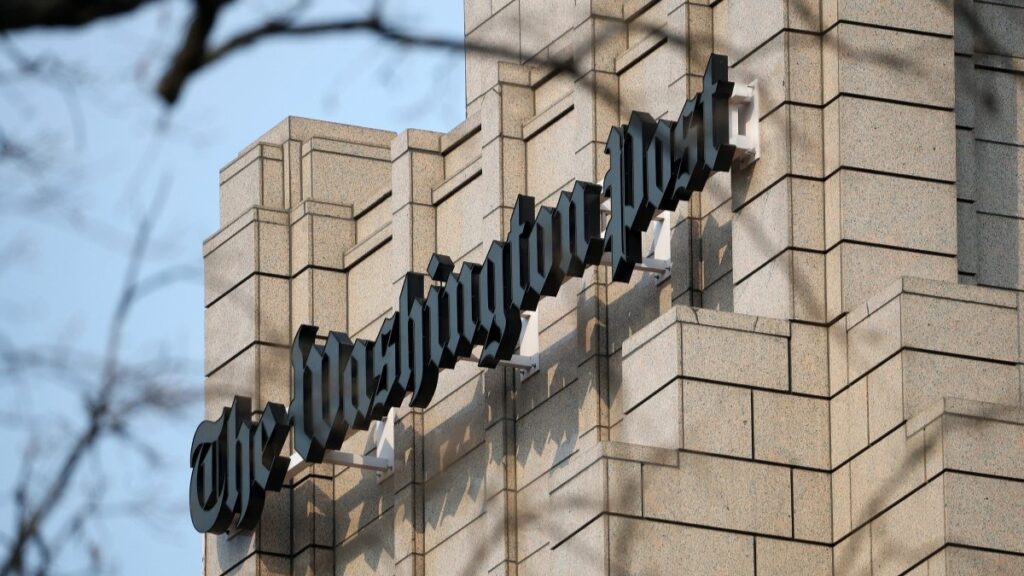
Western liberal media reports alleging Budapest colluding with Moscow are coming thick and fast over fears of another victory for Viktor Orbán.

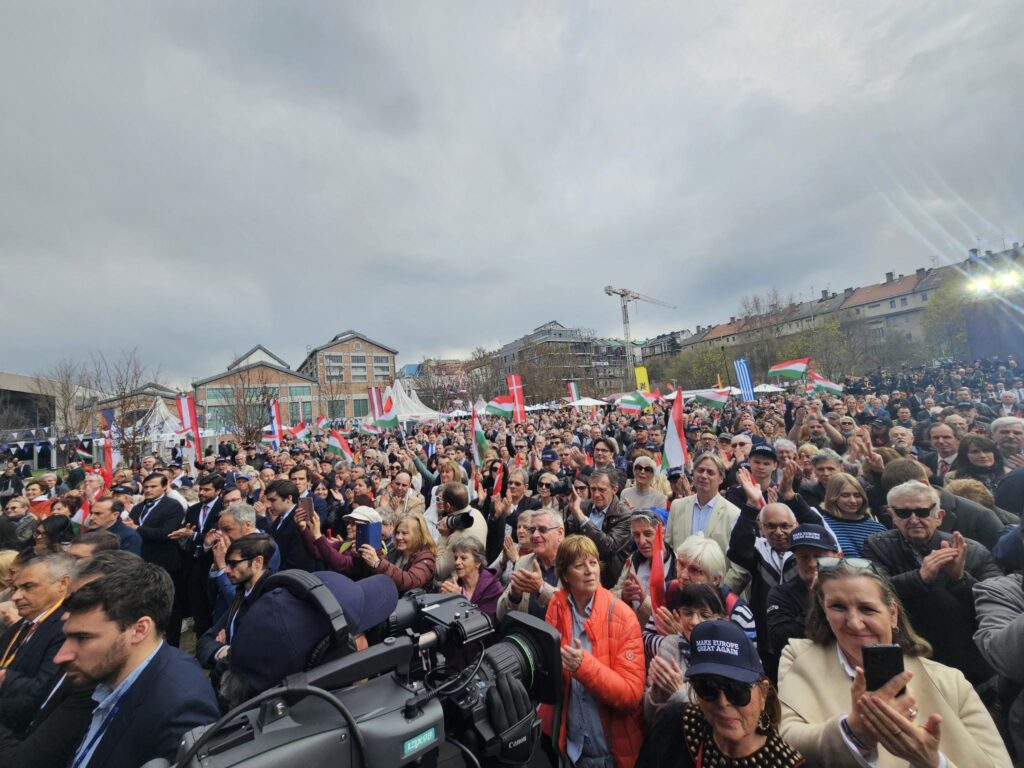
Conservative leaders from across the world gathered in Budapest for CPAC Hungary 2026, as the country prepares for a closely watched parliamentary election.
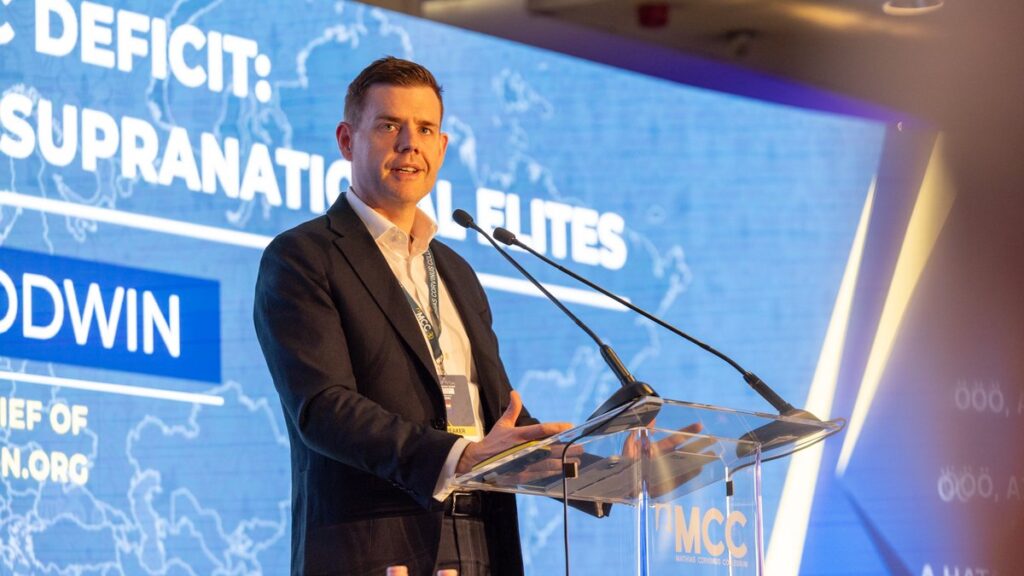
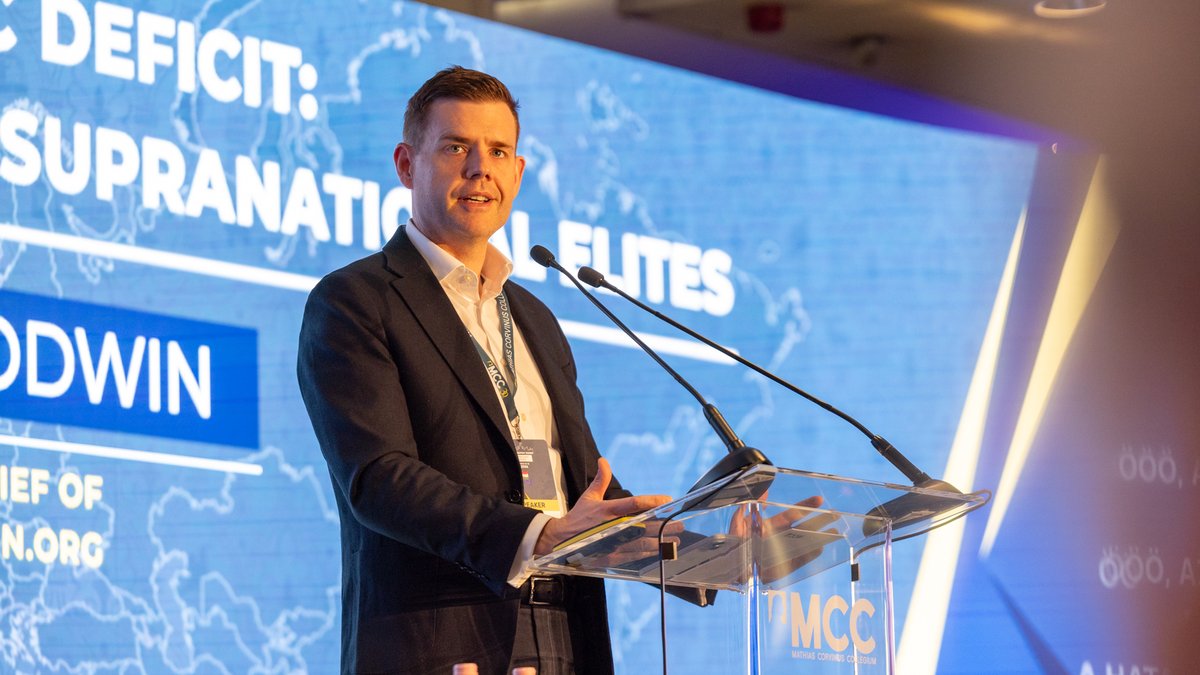
“We are essentially importing political practices that look more at home in Lebanon or Sierra Leone or Pakistan than they do in Britain.”
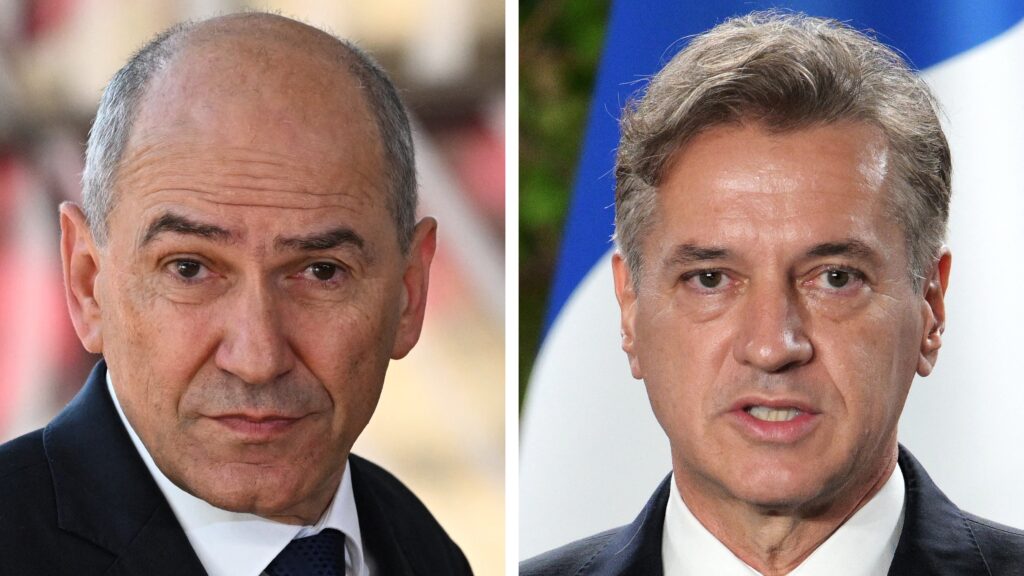
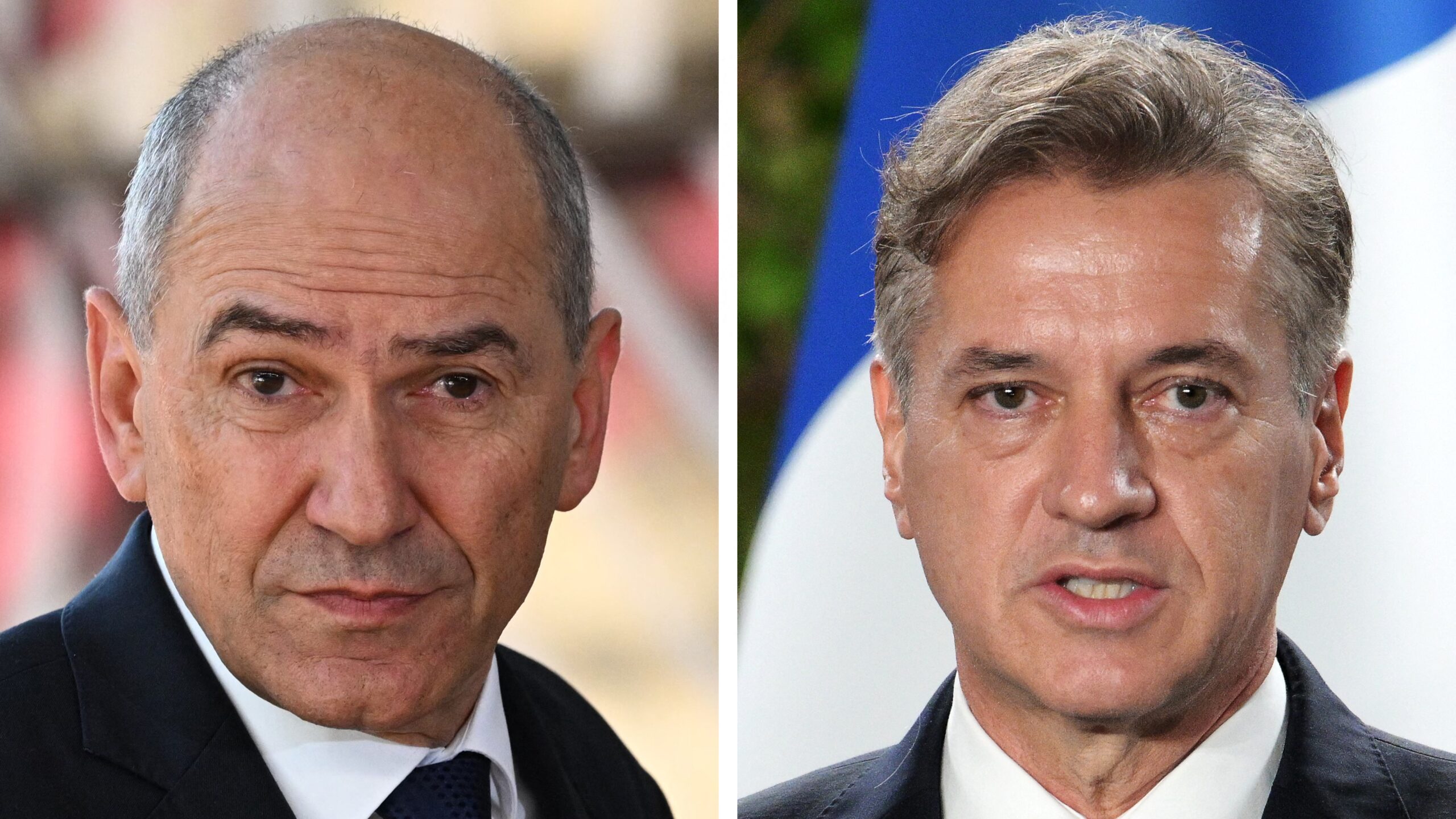
As Slovenia heads to the polls this Sunday, revelations of corruption and entrenched networks within the left-wing government have emerged.
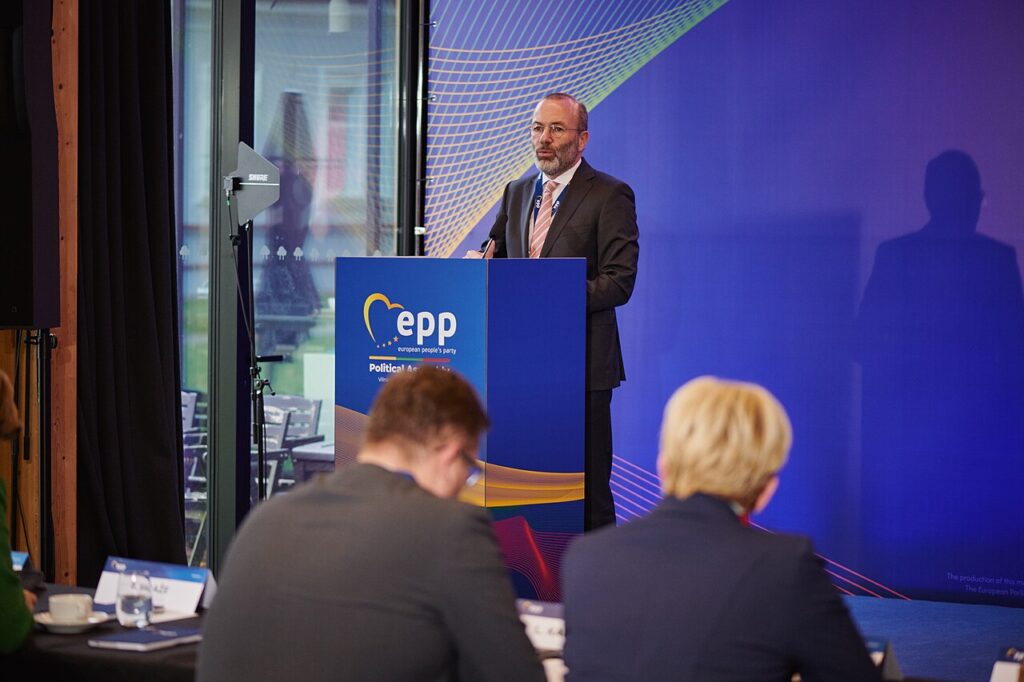
Not one, but two controversial photos of an opposition Tisza Party candidate have fuelled a fresh political storm—weeks before Hungarians head to the polls.
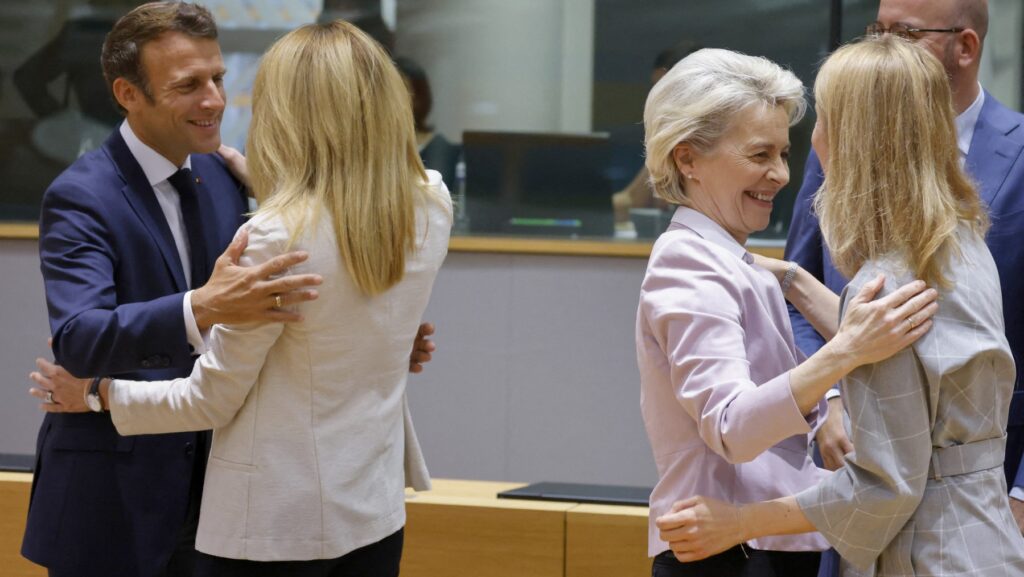
A political scientist says Europe’s refusal to engage seriously with Moscow could trap the continent in a prolonged conflict.

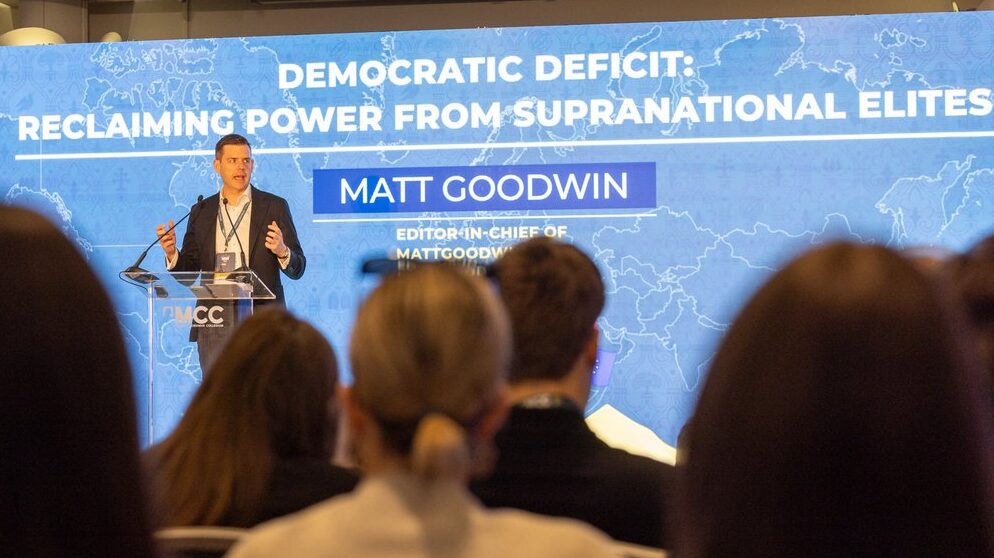
Speakers at the MCC Budapest Summit argued that the West faces growing demographic, political, and geopolitical pressures and called for renewed emphasis on national sovereignty and democratic accountability.
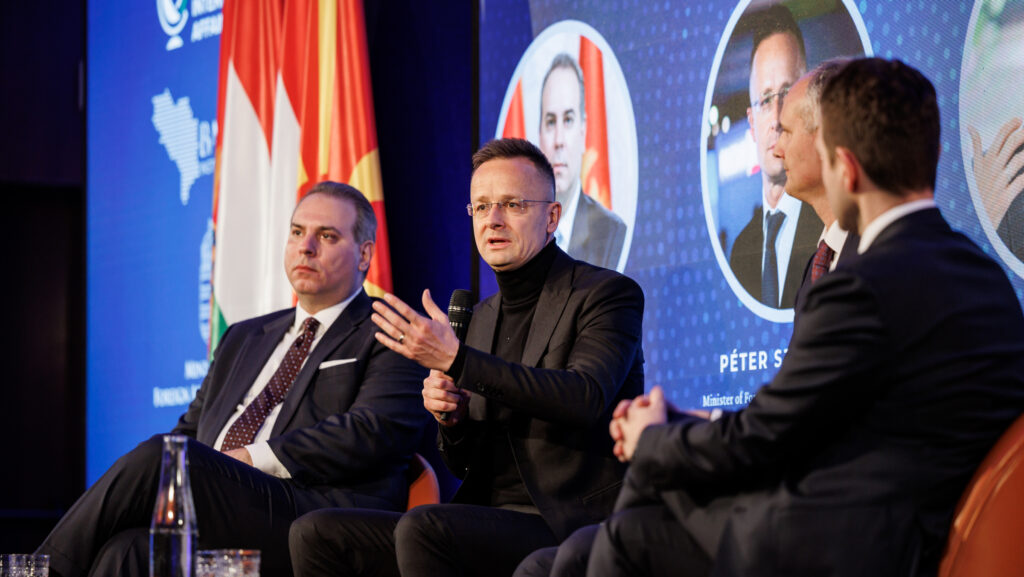
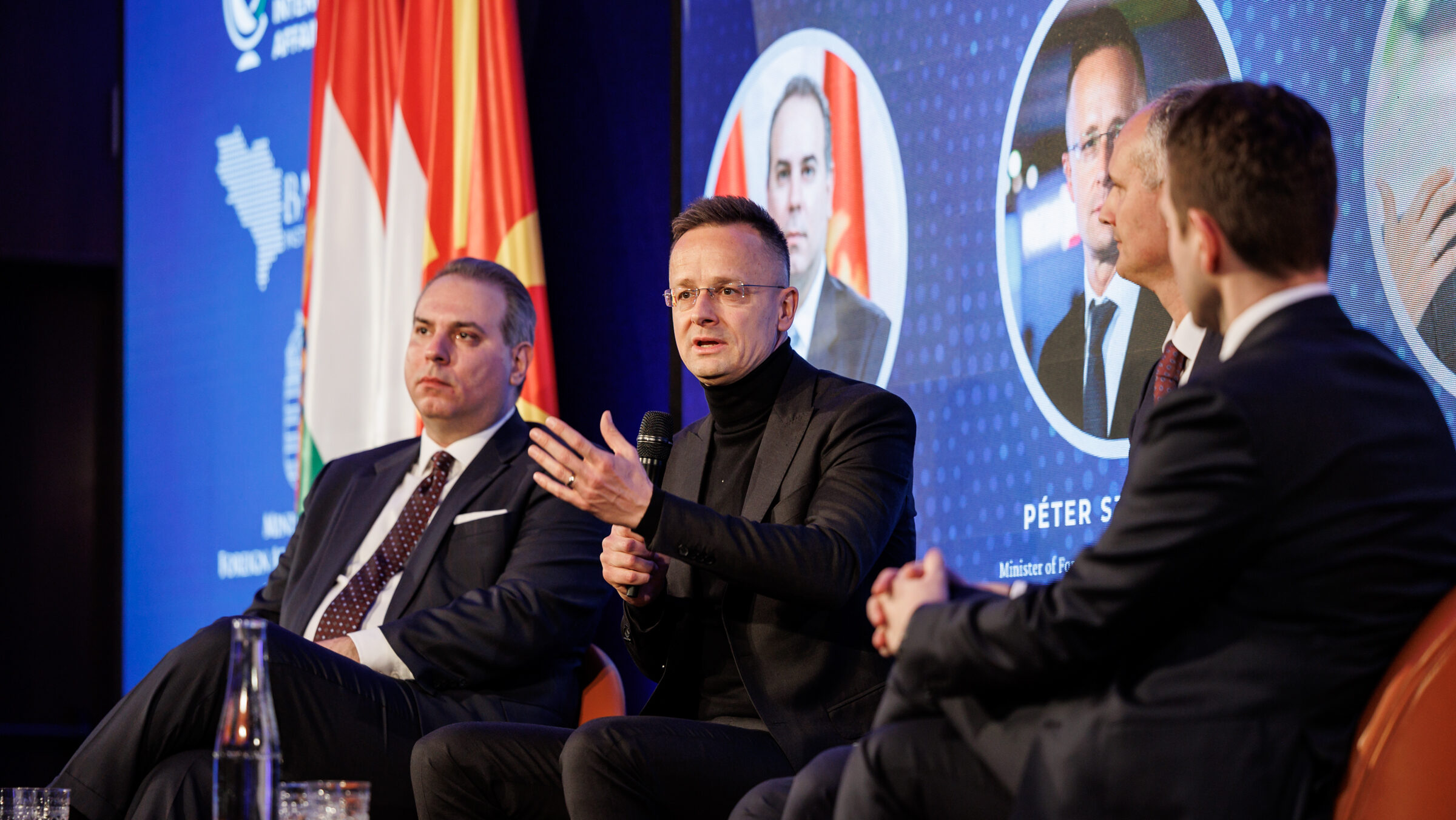
Speakers at the Budapest Balkans Forum warned that the EU’s enlargement policy lacks credibility and clarity.

Hungarian authorities want to know why two armoured vehicles transported large amounts of cash and gold linked to a Ukrainian state bank through the country.
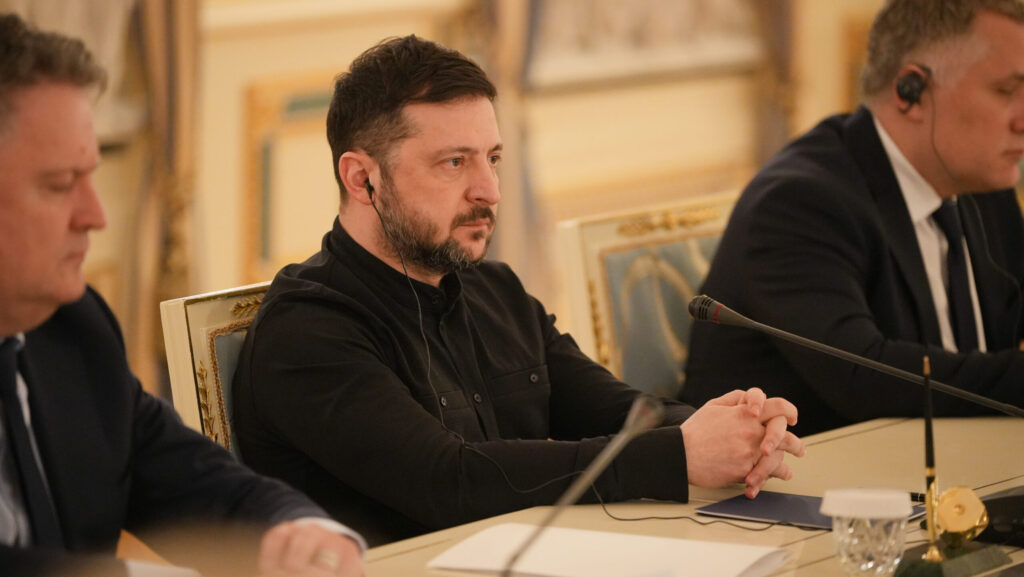
The row erupted as Hungary blocks a €90 billion EU loan while pressing Kyiv to restore Russian oil flows through Druzhba.
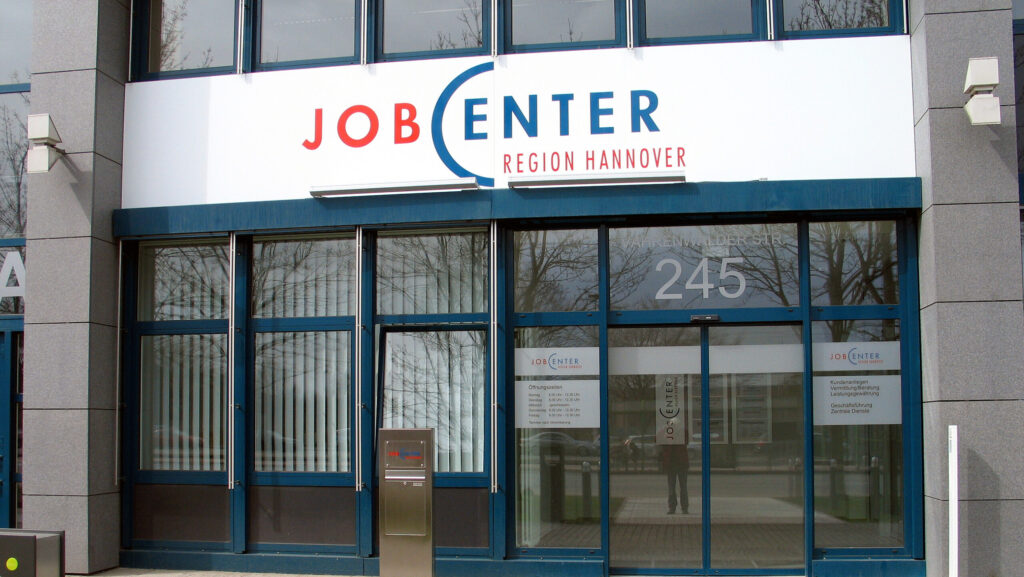
The reform comes amid growing political tensions over rising numbers of foreign welfare recipients and concerns about incentives to work.