
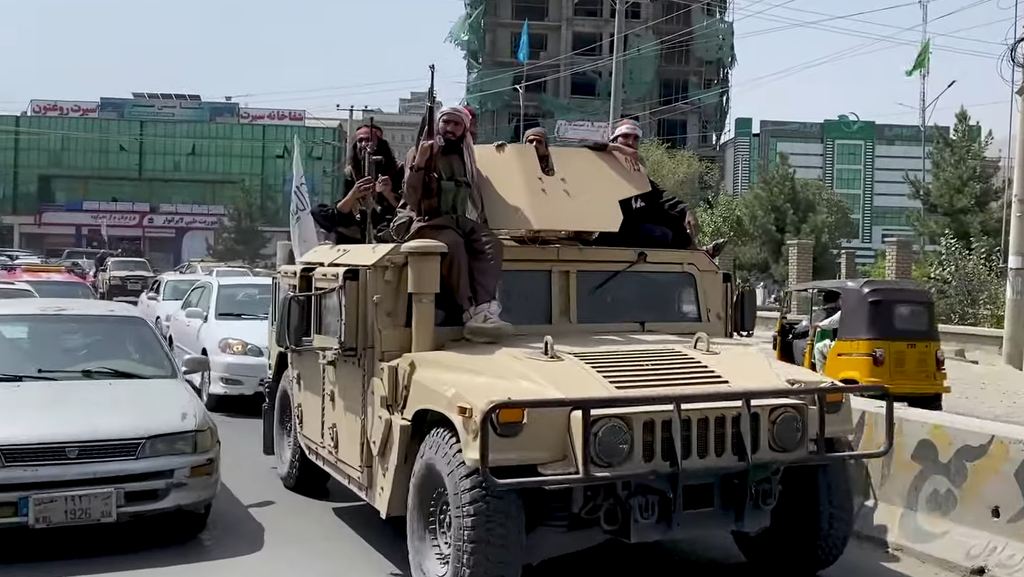
Afghanistan-Pakistan Truce Ends as Border Violence Looms
Hours before the ceasefire expired, a suicide bomber struck at a Pakistani military camp, killing seven and reigniting border fears.

Hours before the ceasefire expired, a suicide bomber struck at a Pakistani military camp, killing seven and reigniting border fears.

Afghanistan and Pakistan engaged in one of the most intense border clashes in recent years.

The Afghanistan crisis is heightened by its rulers imposing control on essential services and financial networks—in the form of an organised communications blackout.

An internet watchdog reports that connectivity at less than 1% of normal levels, forcing residents and businesses to rely on radio and limited satellite links to communicate.
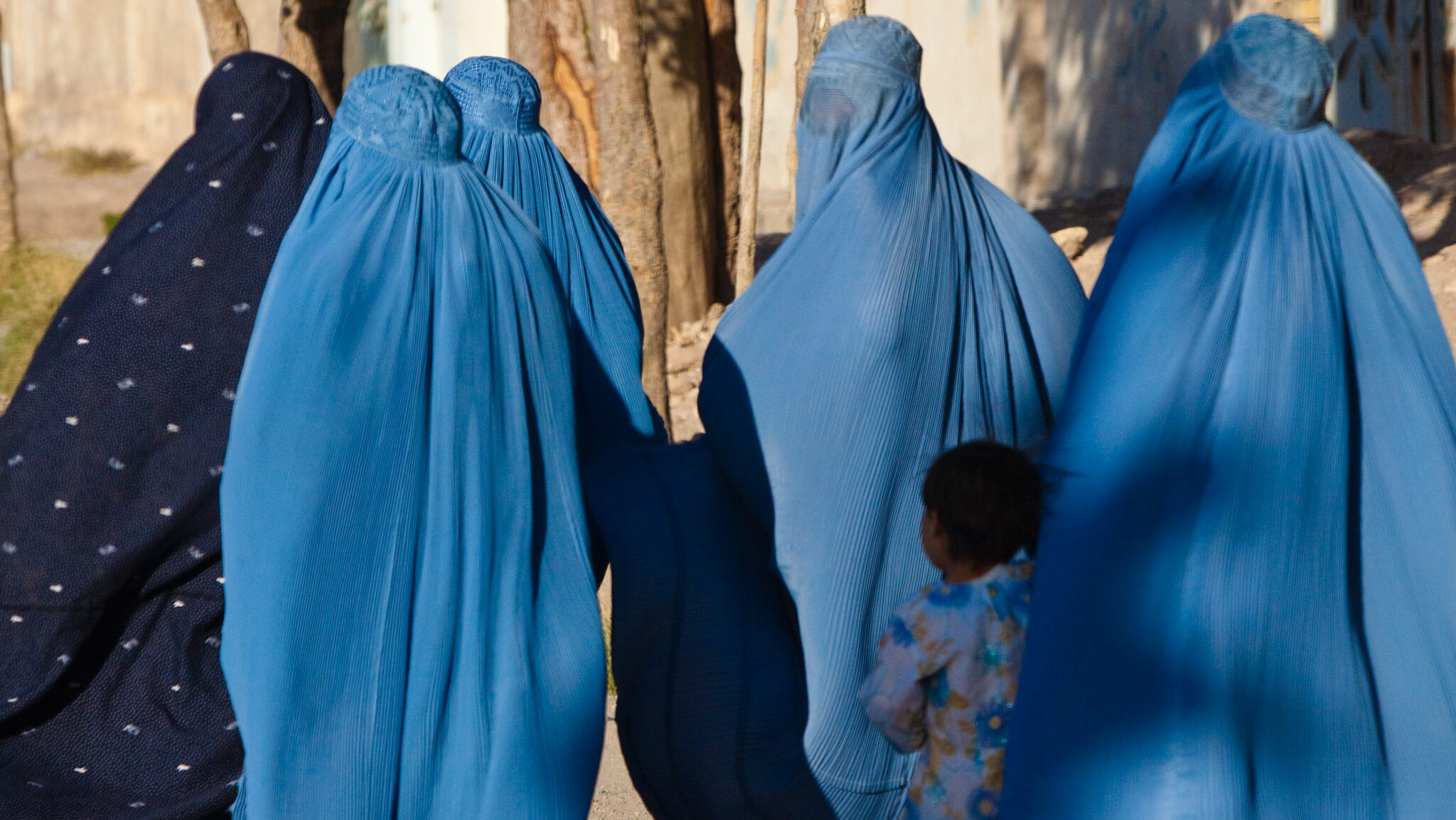
Women’s rights—especially access to education—are being trampled on daily in Afghanistan.
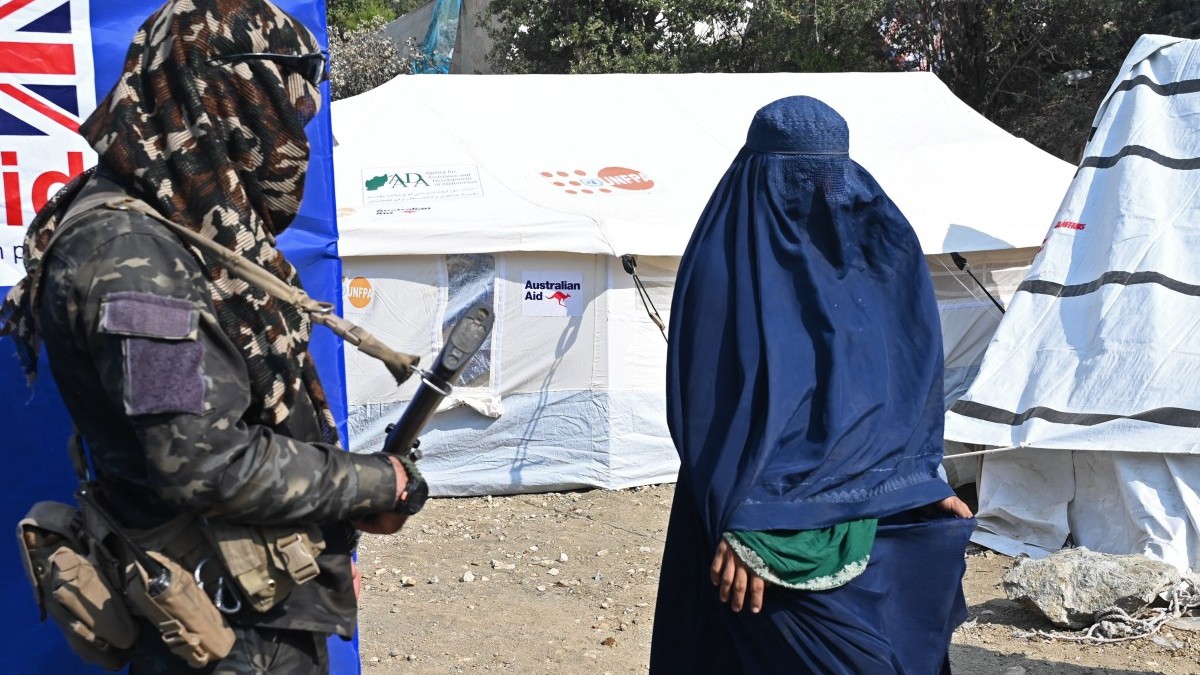
Homes, businesses, and offices are left offline while mobile data remains accessible in northern Afghanistan.

Across their territory, the Islamist authorities are cutting cables to ‘preserve virtue.’

Following secret government talks with the Taliban, regular repatriations of migrants could become a reality.
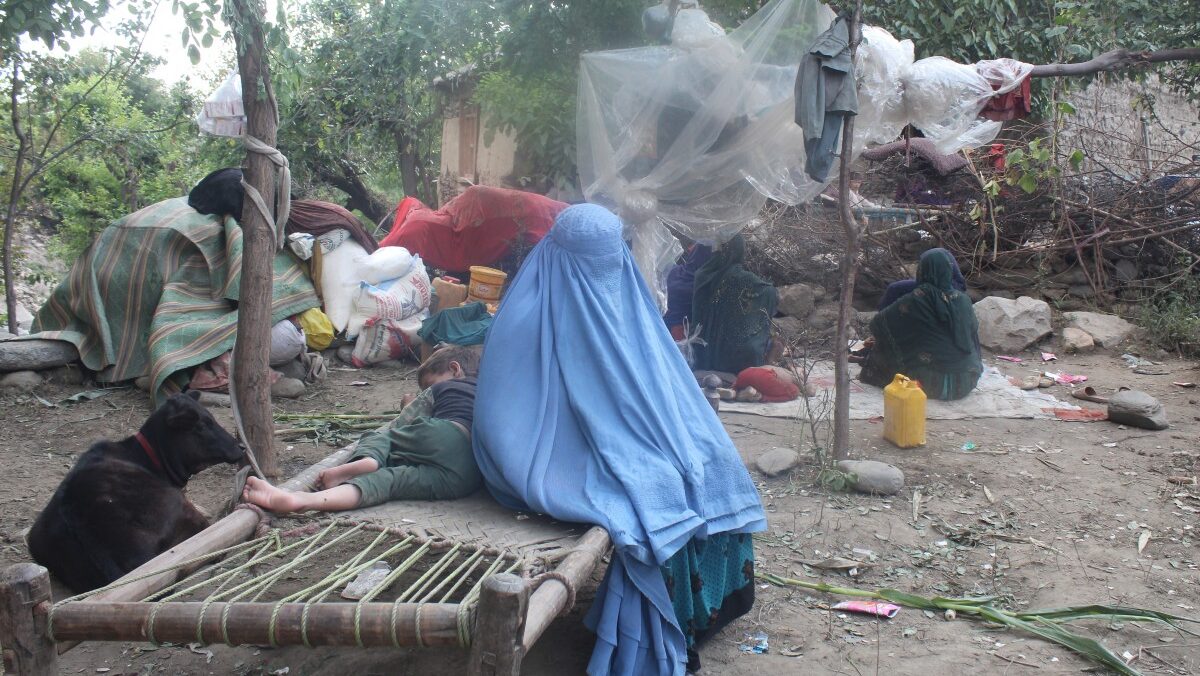
After destructive tremors women are left without help—not least thanks to a legal ban on men touching women.
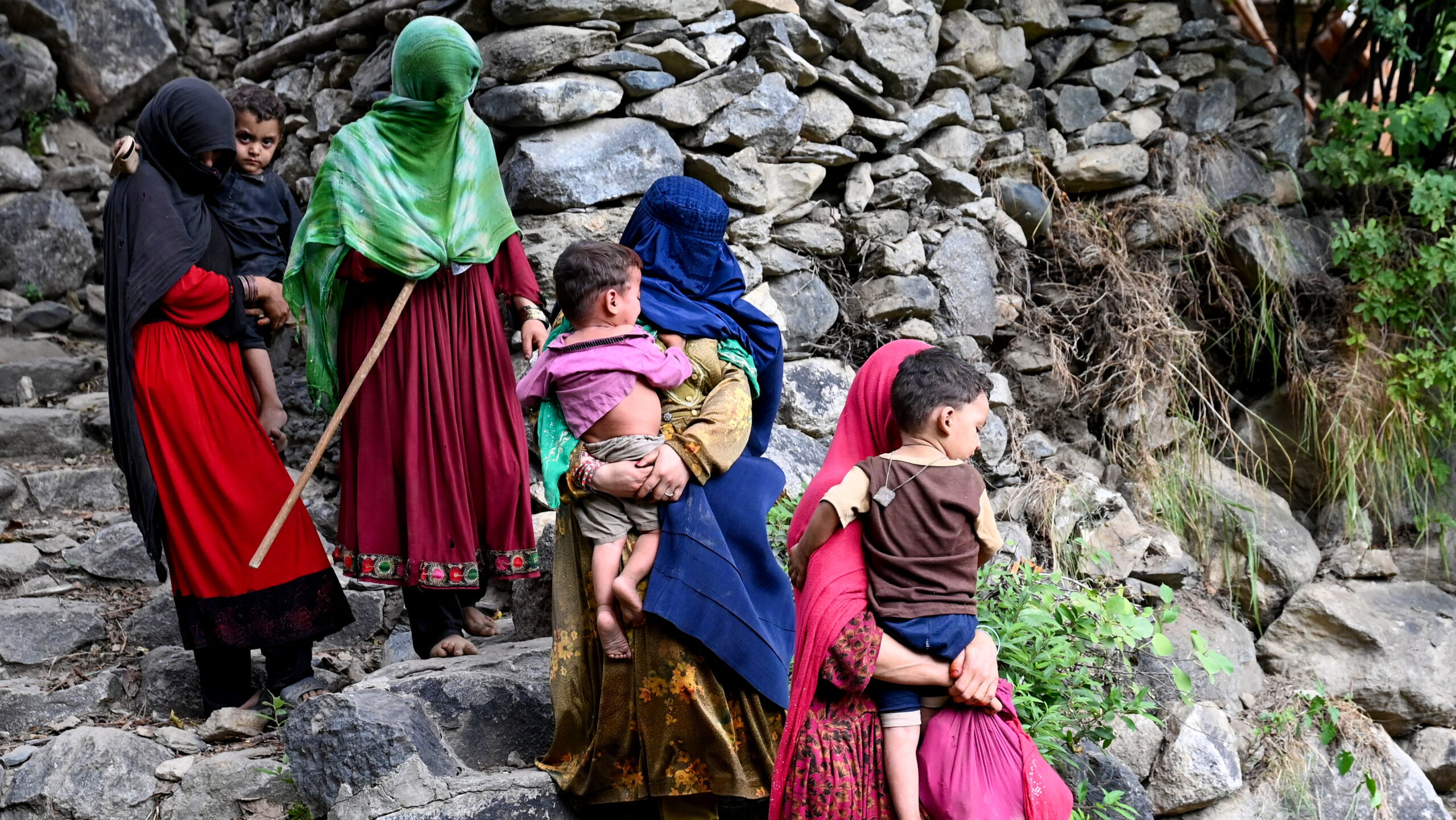
The United Nations says the earthquake could impact “hundreds of thousands.”