
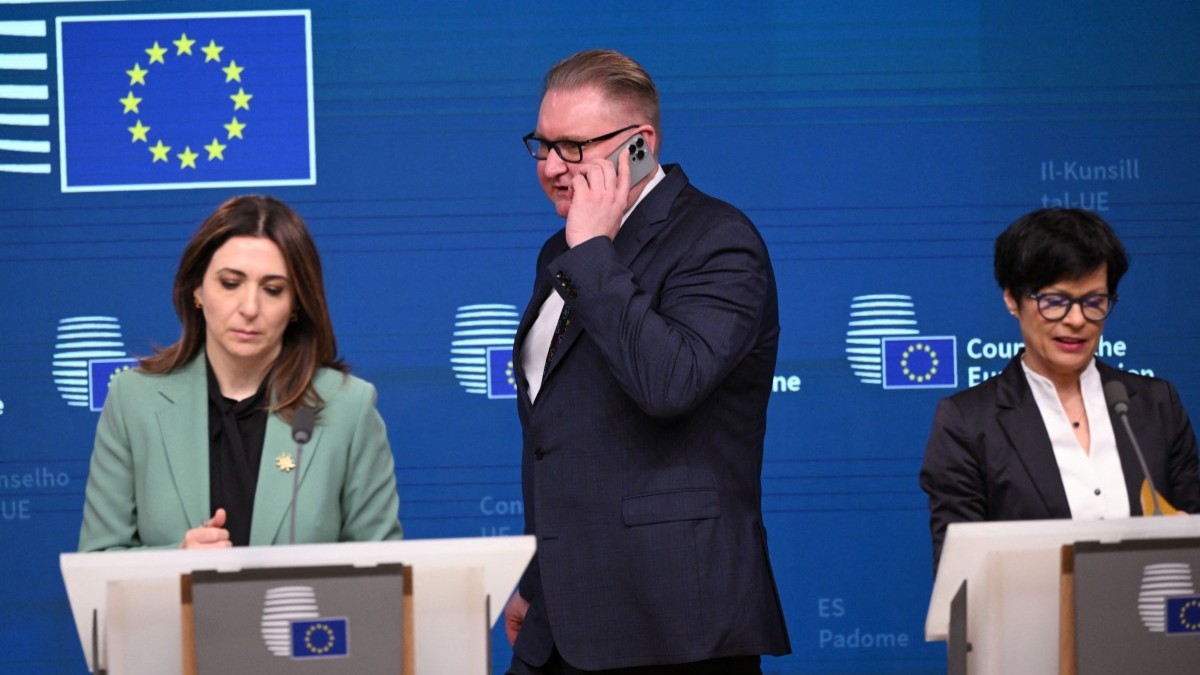
Montenegro Accession Gains Pace as Ukraine Reshapes EU Enlargement Agenda
The pace of the Balkans country’s progress once again highlights the preferential treatment Brussels is giving Ukraine.

The pace of the Balkans country’s progress once again highlights the preferential treatment Brussels is giving Ukraine.
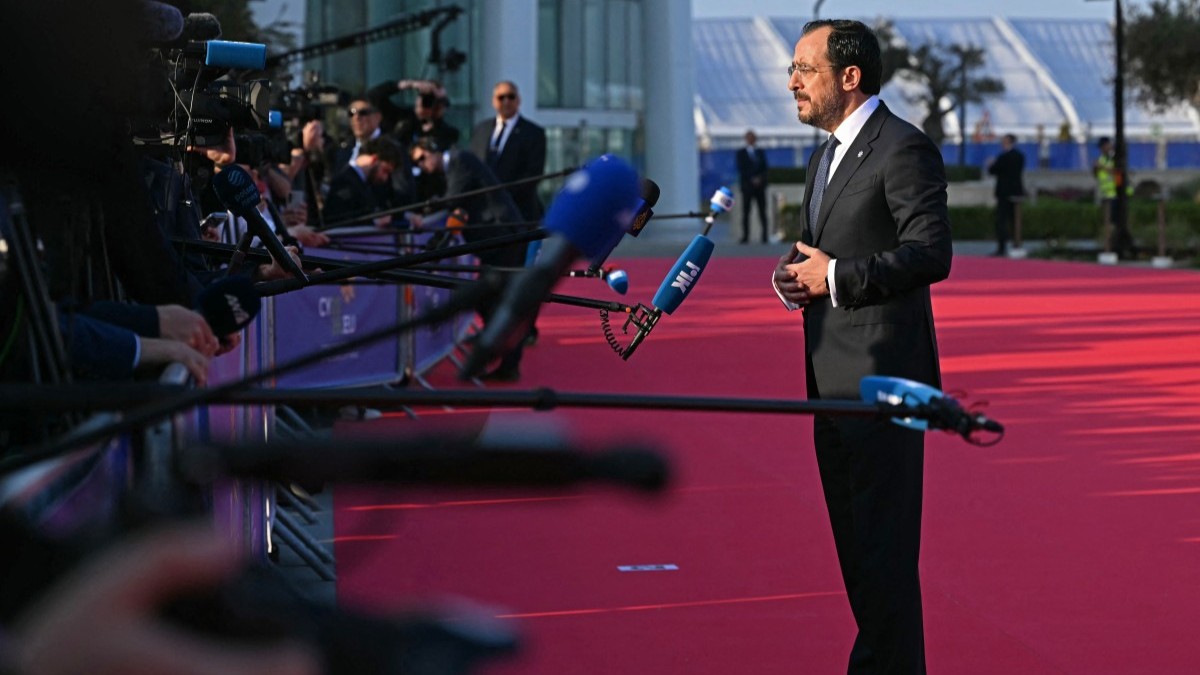
Brussels is celebrating the vote that grants Kyiv massive funding during a war whose end is nowhere in sight.
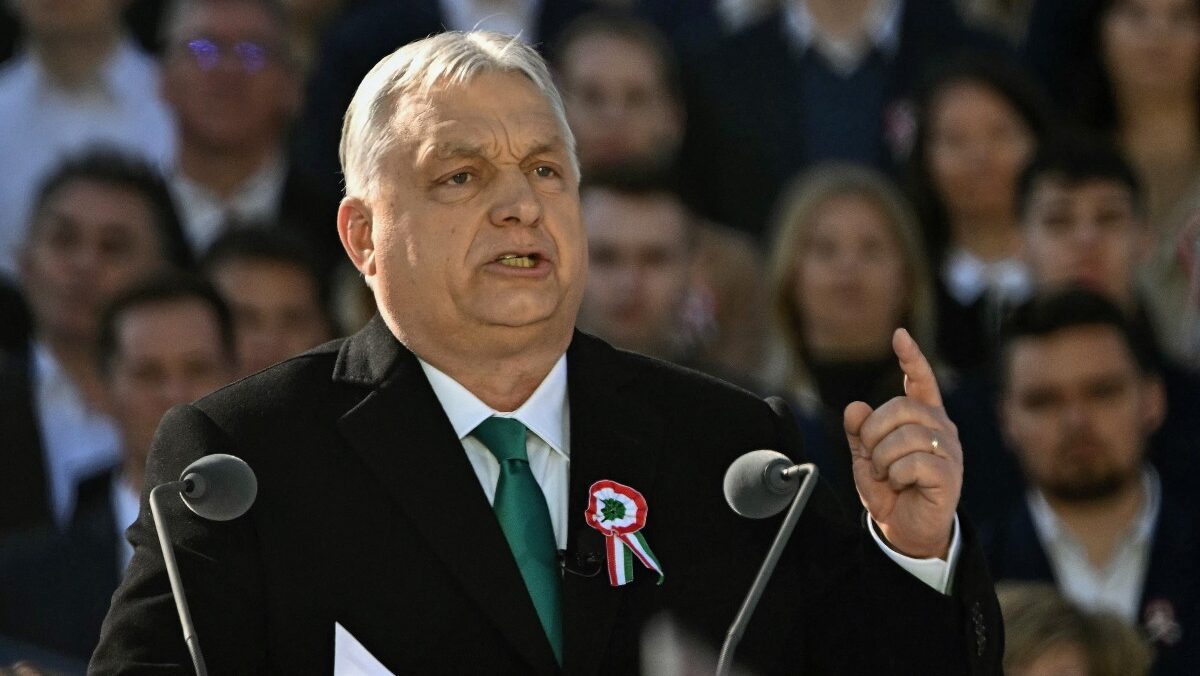
Slovakia’s prime minister reminded the EU leadership they cannot favor Ukraine over the energy needs of member states.

Fearing a fresh surge in energy prices, Brussels is fast-tracking a new cooperation framework with Baku that extends beyond gas into defense and security.
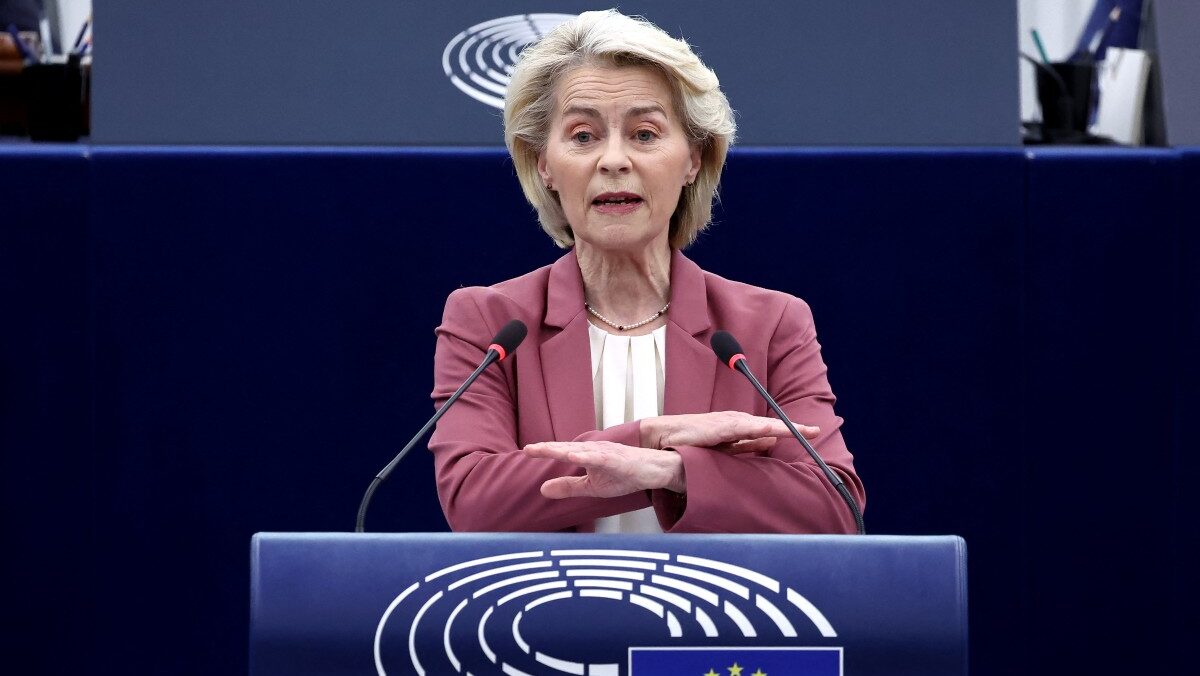
The Commission president tends to forget that she has no mandate to meddle in foreign policy.
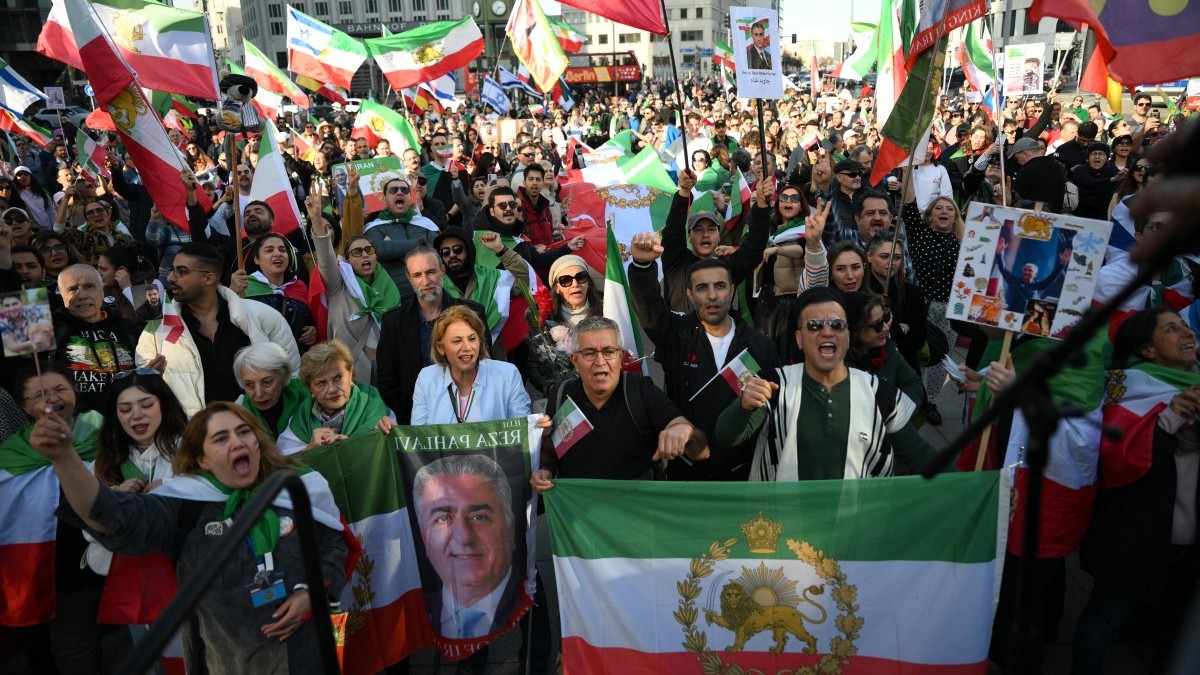
The European Union, France, and several international actors have called for immediate restraint after the United States and Israel launched strikes against Iran.
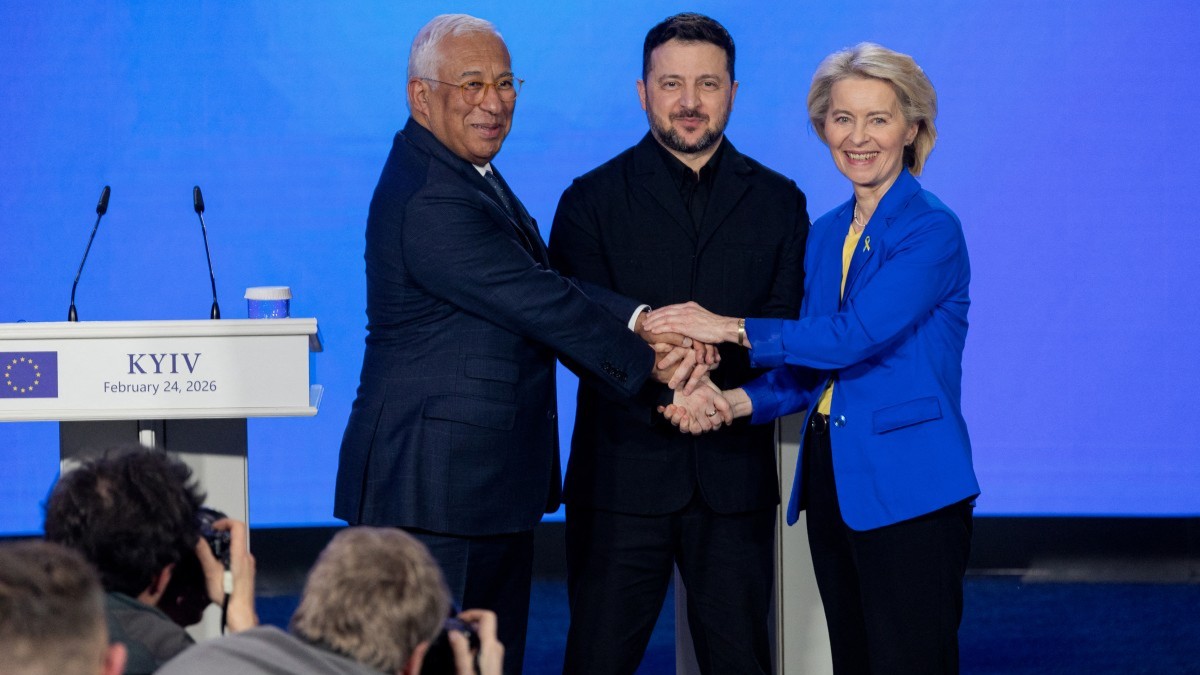
EU officials are pretending to take Budapest’s concerns seriously, while quietly preparing to shovel cash to Kyiv regardless.
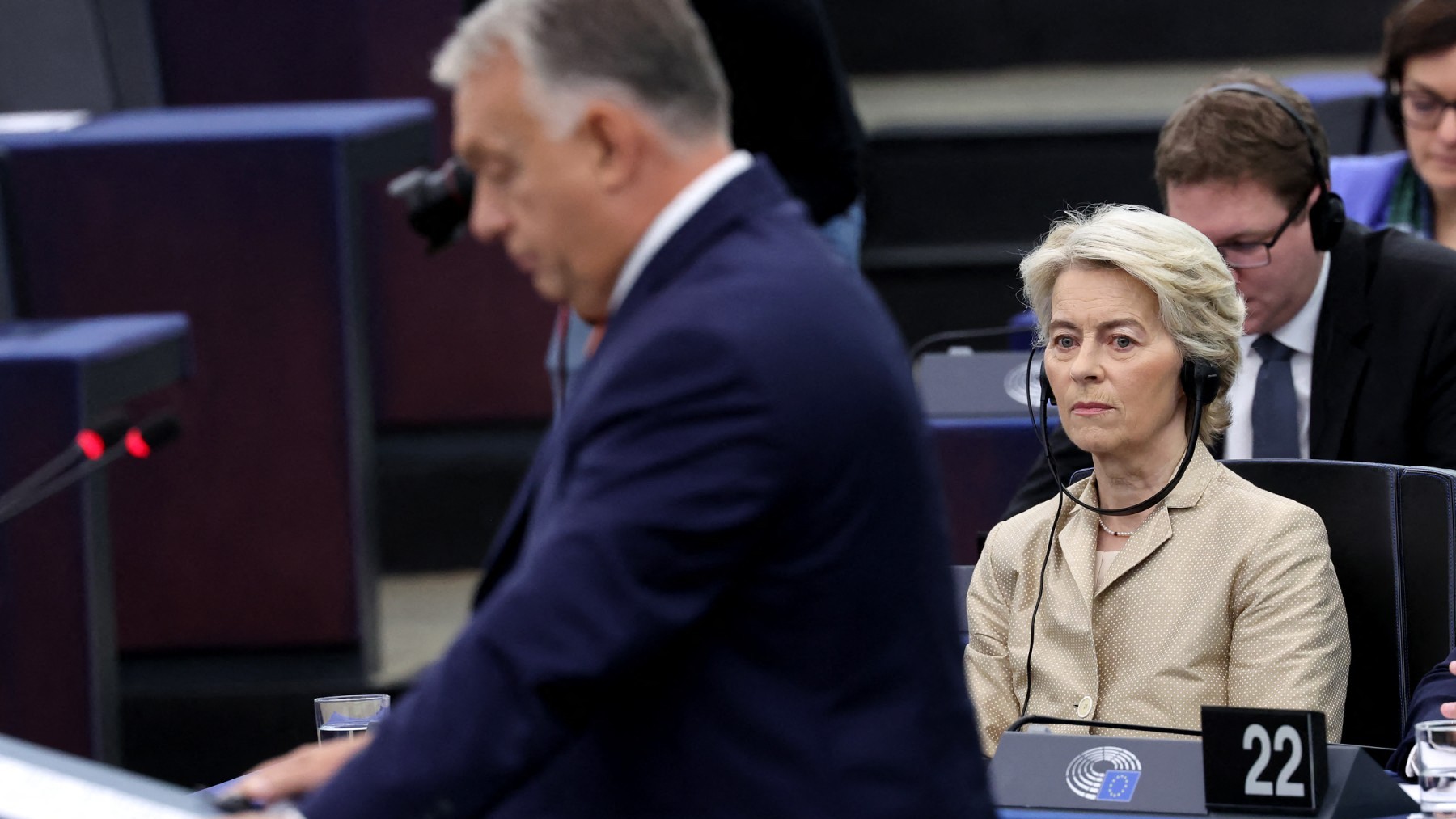
The EU establishment is siding with Kyiv rather than helping one of its own member states secure a significant energy issue.
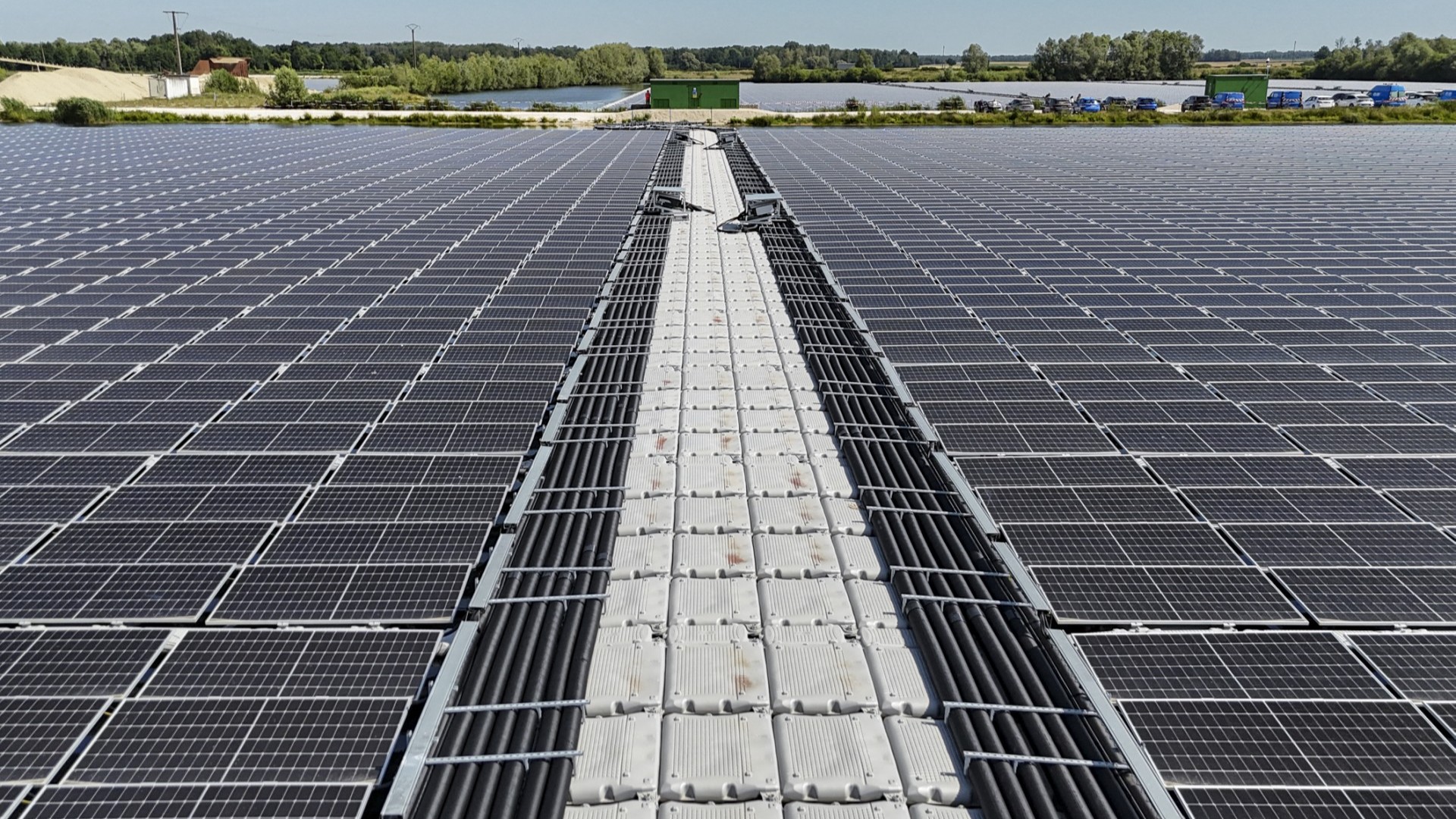
After years of tensions and soaring bills, the EU Commission has acknowledged that the design of the electricity market requires a thorough review.
The informal retreat on February 12 reveals the tension between long-pending economic reform and mounting political pressure to fast-track Ukraine’s entry into the EU.