

‘Trans Mary’ Depiction Sparks Outrage at Vienna Exhibition
The Künstlerhaus show has prompted protests and political debate, provoked by content including a wolf in priest’s clothes.

The Künstlerhaus show has prompted protests and political debate, provoked by content including a wolf in priest’s clothes.

“There are millions of people interested in ‘right-wing culture,’ but they have nothing to do with conservatism.”
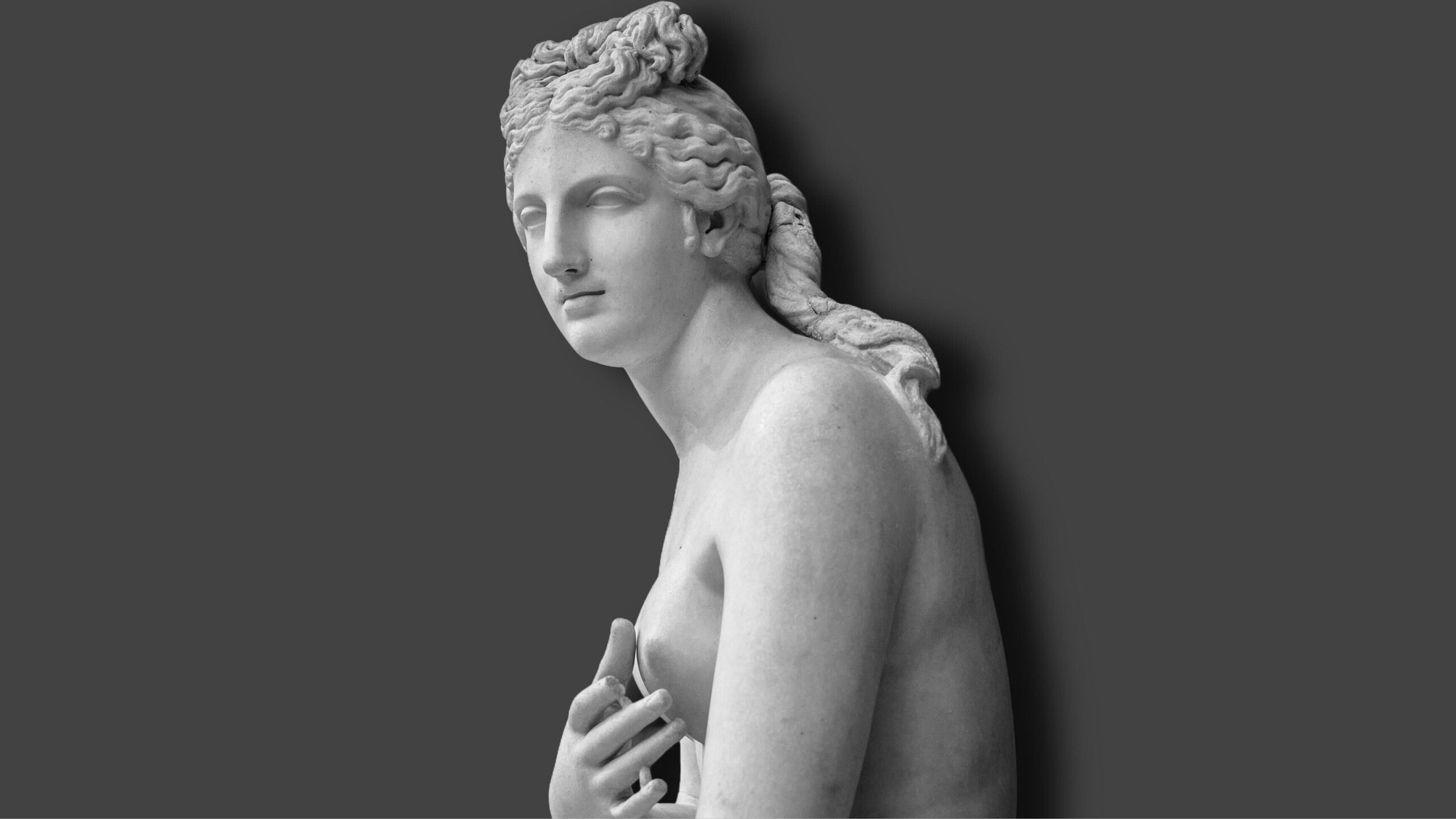
The 18th-century bronze sculpture, a copy of a 1st-century BC marble, was ‘reported’ by the Equal Opportunities Officer.
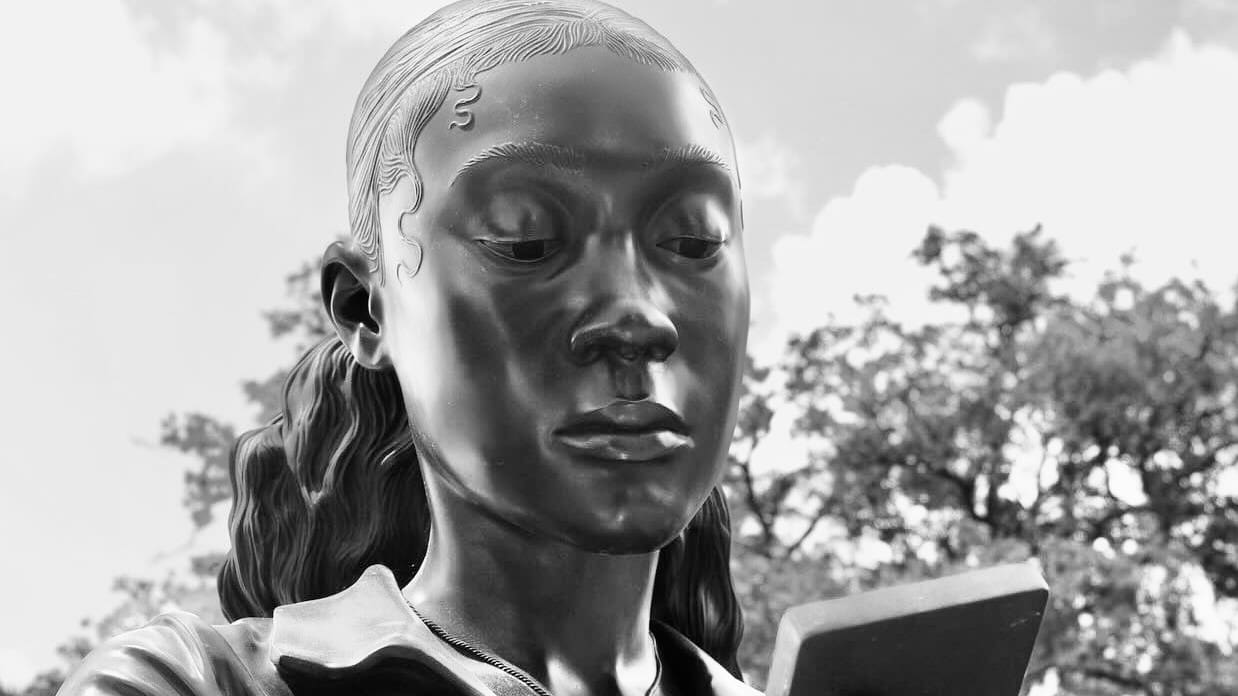
Activism obviously does not care for the fact that the indigenous people of ancient Rome and Greece happen to be white.

The statue of French national hero Joan of Arc was under threat—until a Hungarian town intervened.

Today’s iconoclasts seek little more than a photograph in the newspaper, if not a prison sentence—think of the media-ready antics of Just Stop Oil, throwing soup on Van Gogh or spraying Stonehenge with orange paint. Any attention they might lend to their cause is smothered in a self-serving narcissistic love of the image of themselves performing destruction.

The Flemish expressionists provide an example of reconciling tradition and experiment.
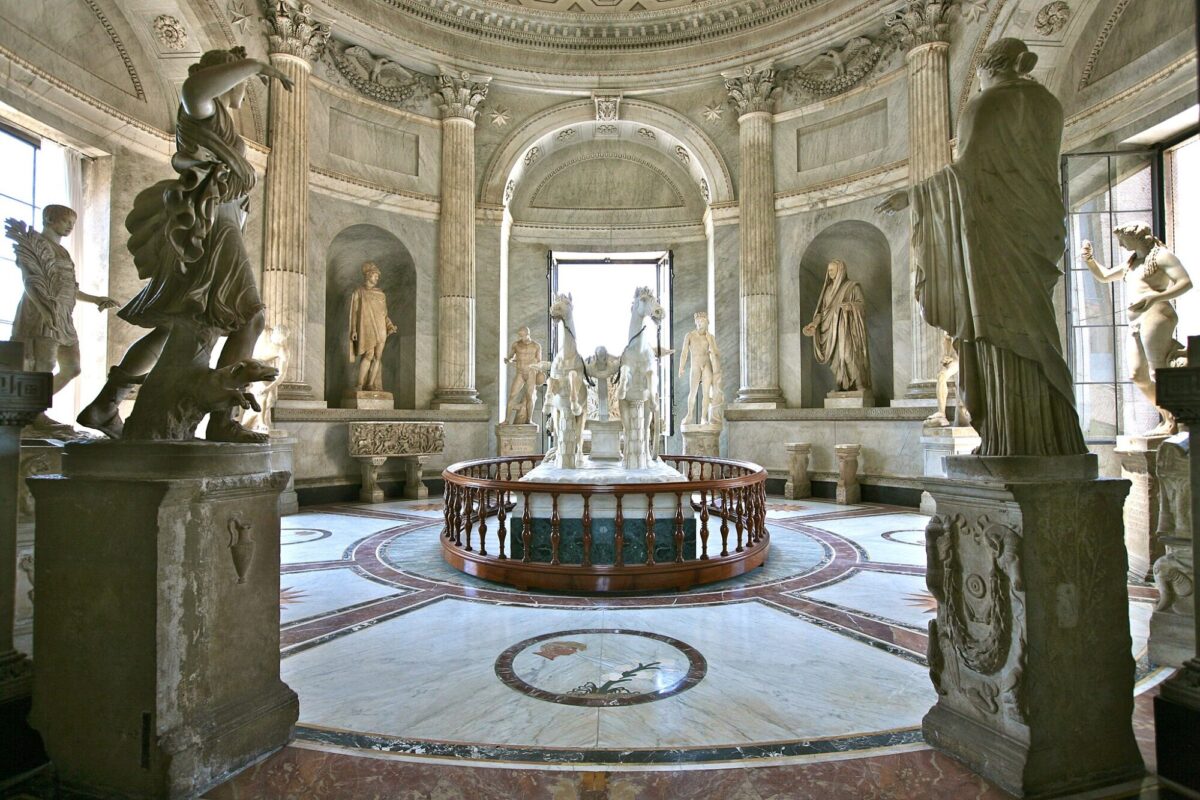
Modern man has bought into the broken merchandise of aesthetic subjectivism, after first embracing ethical subjectivism, resulting in countless works of art that deify ugliness as if it were a new form of beauty.

The most striking difference between “Las Meninas” and Mazo’s “Familia del pintor” is the juxtaposition of families depicted.

In an age where modern art often prioritizes shock value over substance, how can we rediscover the timeless beauty that has inspired generations? In this episode, we are joined by Dr. Elizabeth Lev, a renowned art historian with a passion for the Italian Renaissance and Baroque periods. This conversation invites you to reconnect with the transformative power of beauty and its vital place in our lives.