“They Shall Not Pass”: Orbán Sends Message to Brussels on Migration
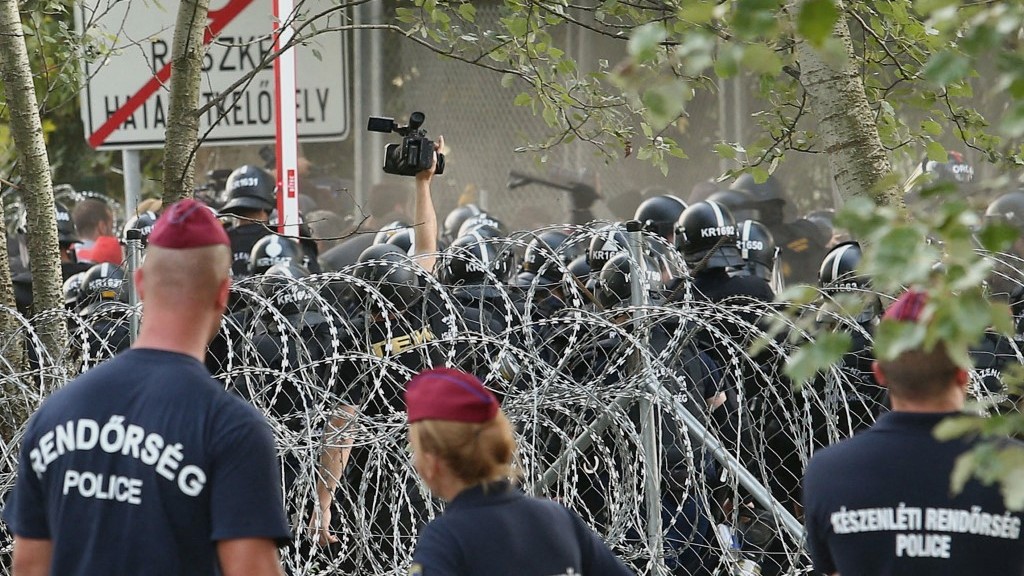
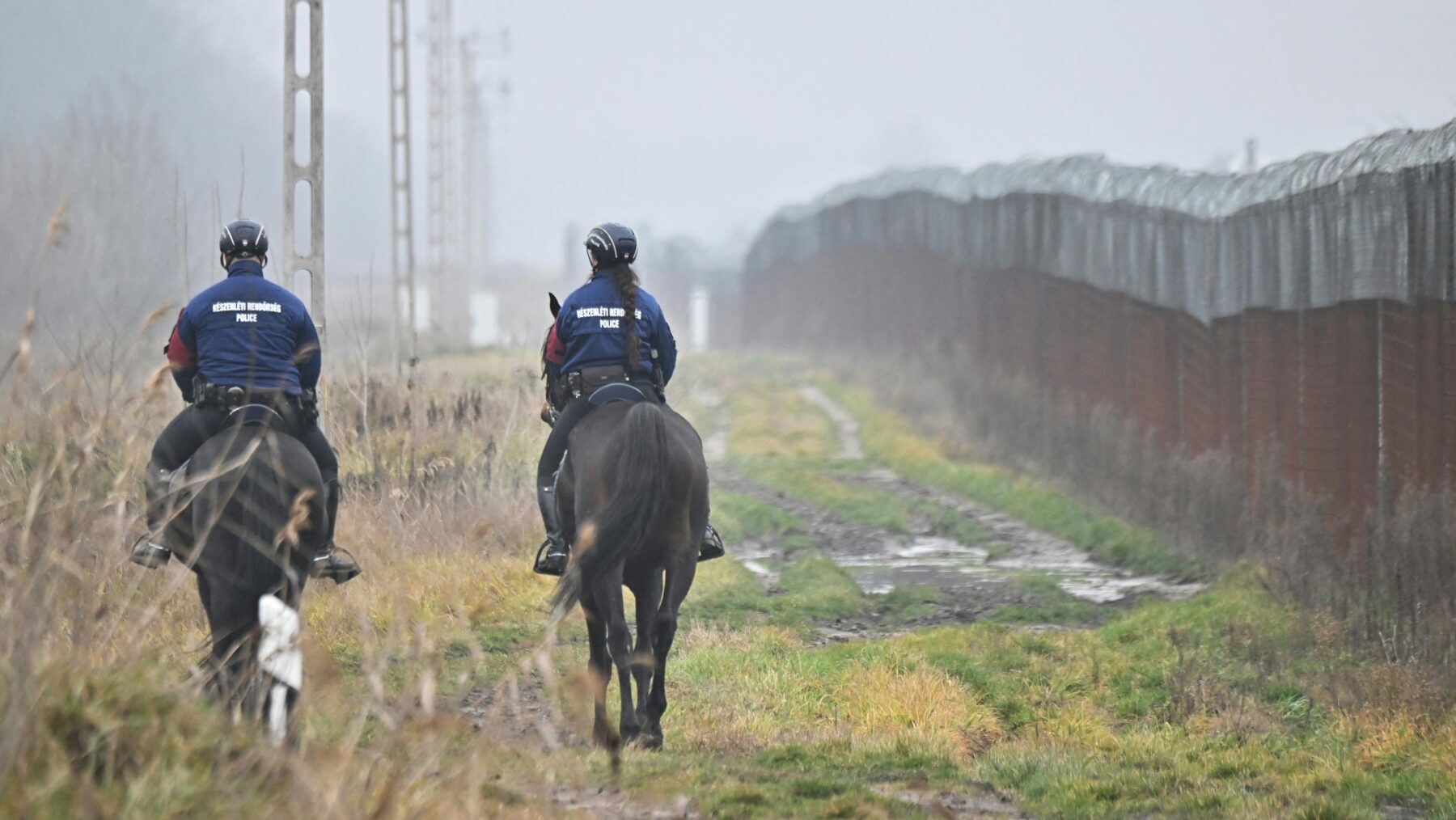
A decade after the Röszke border incident, Hungary highlights the importance of strong border control and strict migration policy.

A decade after the Röszke border incident, Hungary highlights the importance of strong border control and strict migration policy.

After ten years of failed migration policies, Brussels “still wants to manage migration instead of stopping it,” the Hungarian PM said.

Berlin’s state-funded return program sees repeated re-entries, prompting calls for stricter border measures.

The goal is to block the Baltics migration route.

“We are witnessing a powerful centralising current within the EU, which instrumentalises migration as a means of social engineering—a mechanism for political takeover in Europe.”

The opposition PiS party is criticising the government for persecuting its citizens instead of illegal migrants.

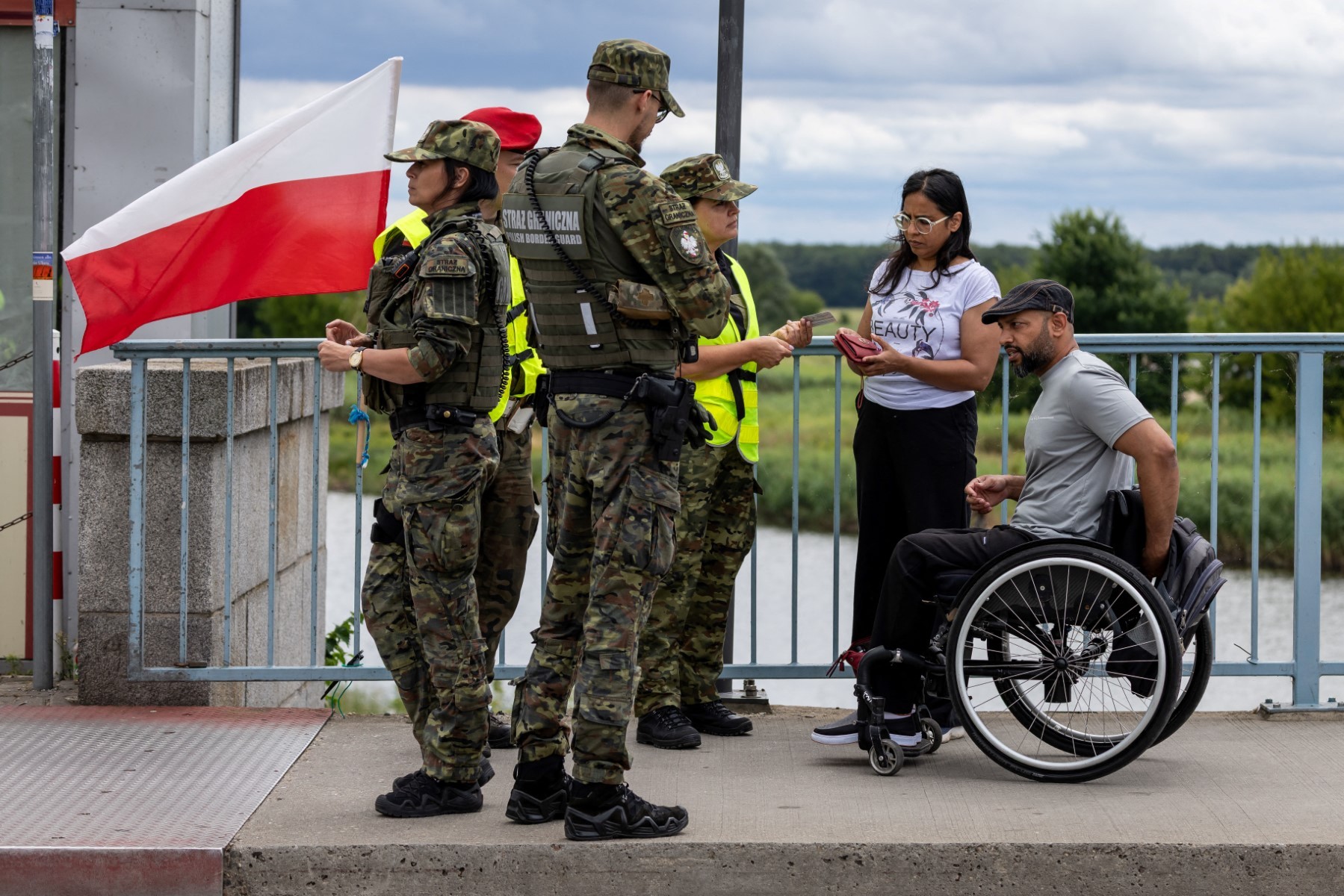
The Tusk cabinet is trying to dismantle citizens’ border patrols, but the movement keeps growing.

Private talks between coalition members and opposition figures add pressure as the government faces increasing criticism over border control.

Forty years on, the European Union’s open-borders experiment has proved catastrophic.

At the end of the day, what citizens want from their leaders is for them to defend their interests and their country.