

Schengen’s Midlife Crisis
Forty years on, the European Union’s open-borders experiment has proved catastrophic.

Forty years on, the European Union’s open-borders experiment has proved catastrophic.
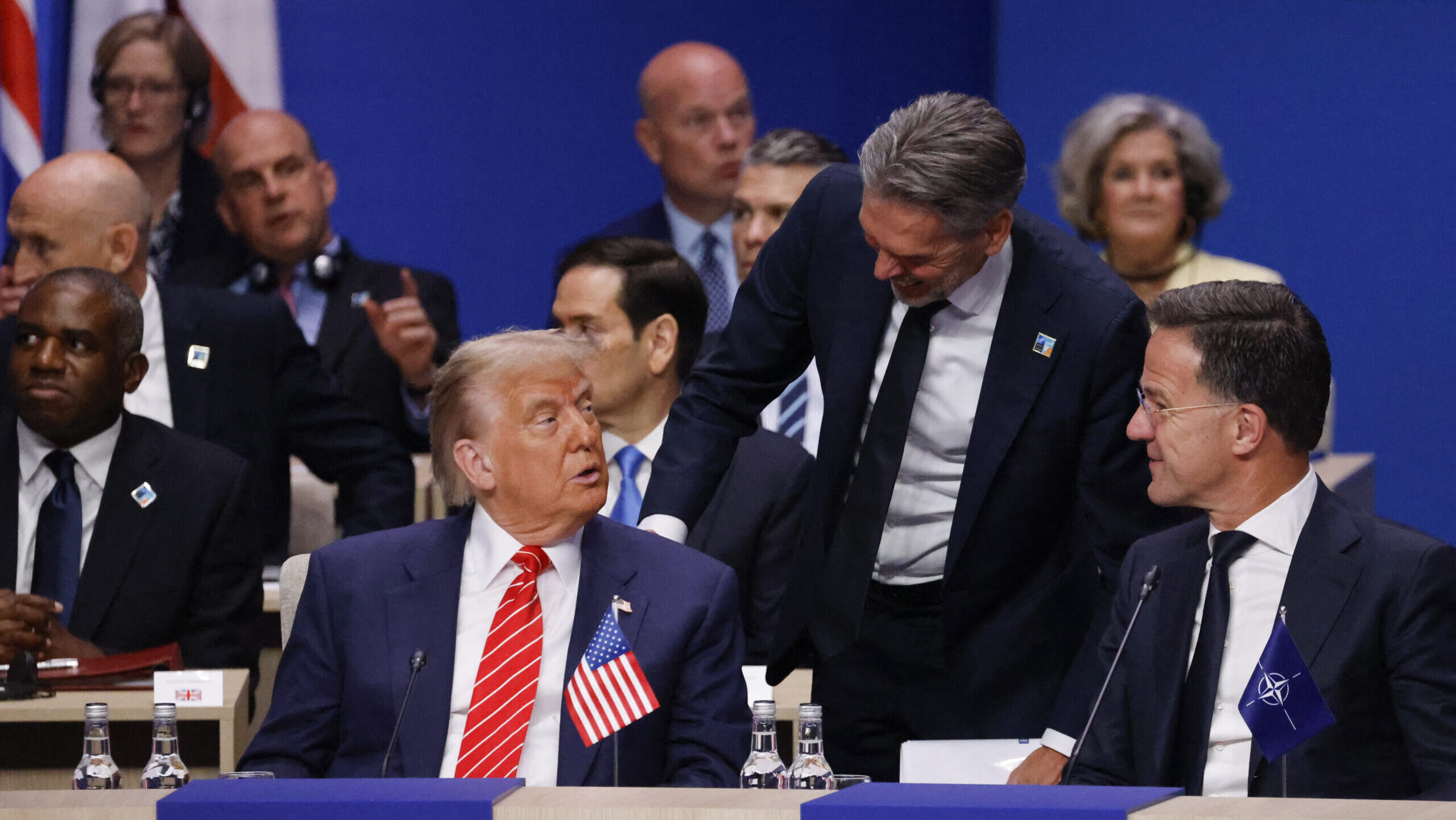
At the end of the day, what citizens want from their leaders is for them to defend their interests and their country.
Bosnia and Herzegovina are to work with the EU on border control—although be prepared to manage expectations.

Geert Wilders praised this as a “fantastic initiative,” saying it is necessary because establishment parties have “completely failed” voters.

A journalist who crossed the border unhindered several times calls the CDU’s crackdown “window-dressing.”

“History will judge this Commission and the pro-migration politicians harshly. Until that day comes, we’ll continue defending our citizens.”

What the EU Commission sees as an anomaly, CPAC attendees see as a model to follow.
Italian Prime Minister Georgia Meloni defended her country’s law enforcement authorities against the ideologically biased claims of the report.
The advanced digital technology allows for better cooperation between member states and stricter control over letting dangerous individuals into the Schengen area.
“Schengen must live!” Luxembourg’s interior minister commented, concerned about the impact on his country’s many cross-border commuters