
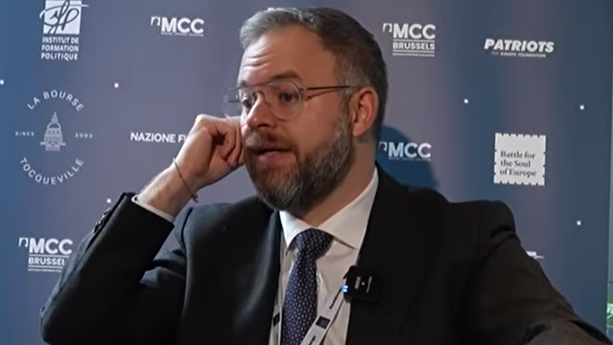
Balázs Orbán: Mass Migration Is Europe’s Greatest Threat
Viktor Orbán’s chief strategist lays out why border fences, family policy, and defying EU fines are worth the political cost.

Viktor Orbán’s chief strategist lays out why border fences, family policy, and defying EU fines are worth the political cost.
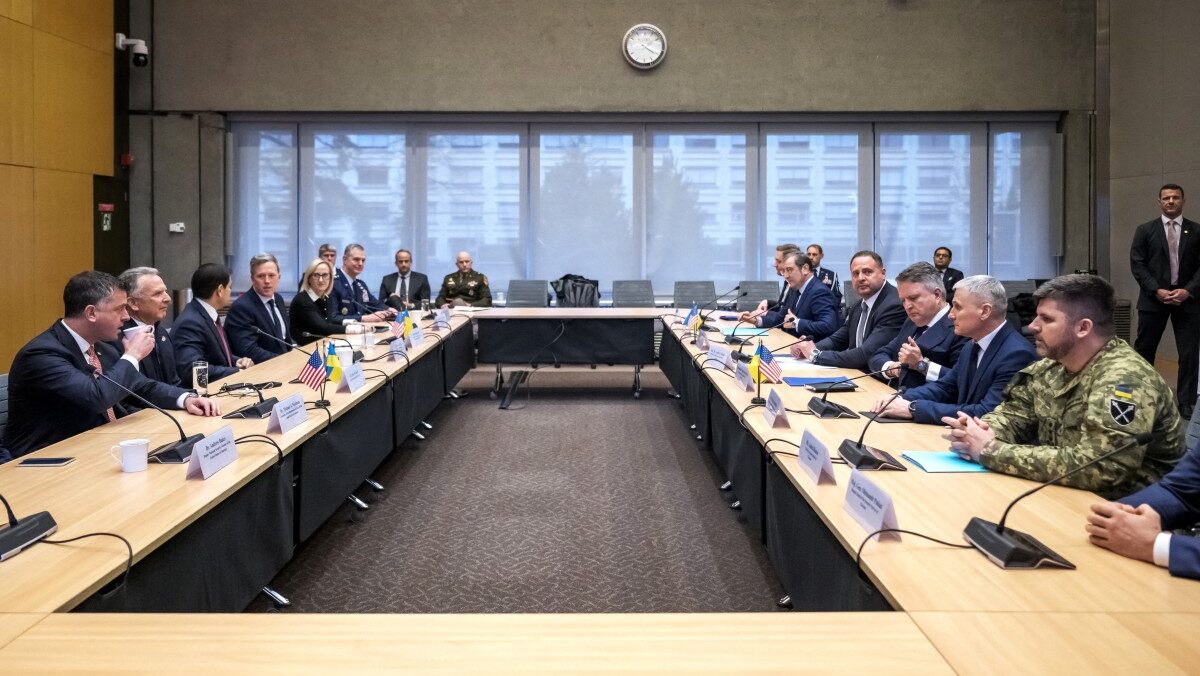
The danger of 1938 was not too much realism—it was too little. And that is what we risk repeating today, not by negotiating, but by refusing to do so.

Newly uncovered documents reveal how Downing Street shaped the British narrative on the war in Ukraine, shutting down any early path to negotiation and projecting a new moral doctrine that now defines European policy.

From moral crusade to global business: Boris Johnson’s pro-Ukraine activism reveals how virtue can become a lucrative brand.

As Britain armed Ukraine in the name of solidarity, its defence industry—and Boris Johnson’s allies—turned war into opportunity.

On April 9, 2022, Kyiv was expecting the announcement of a ceasefire. What it received instead was an ultimatum. Three years later, documents and testimonies confirm that on that day, it was not peace that was decided, but the duration of the war.

A £1 million donation, a defense entrepreneur, and a former prime minister turned international advocate. The Johnson–Harborne–QinetiQ connection sheds light on the intersection of political power, private influence, and the business of war.

The UK “will once again be paying countless millions of pounds into EU coffers—for the privilege of becoming the non-voting punk of the EU Commission,” former PM Boris Johnson commented.
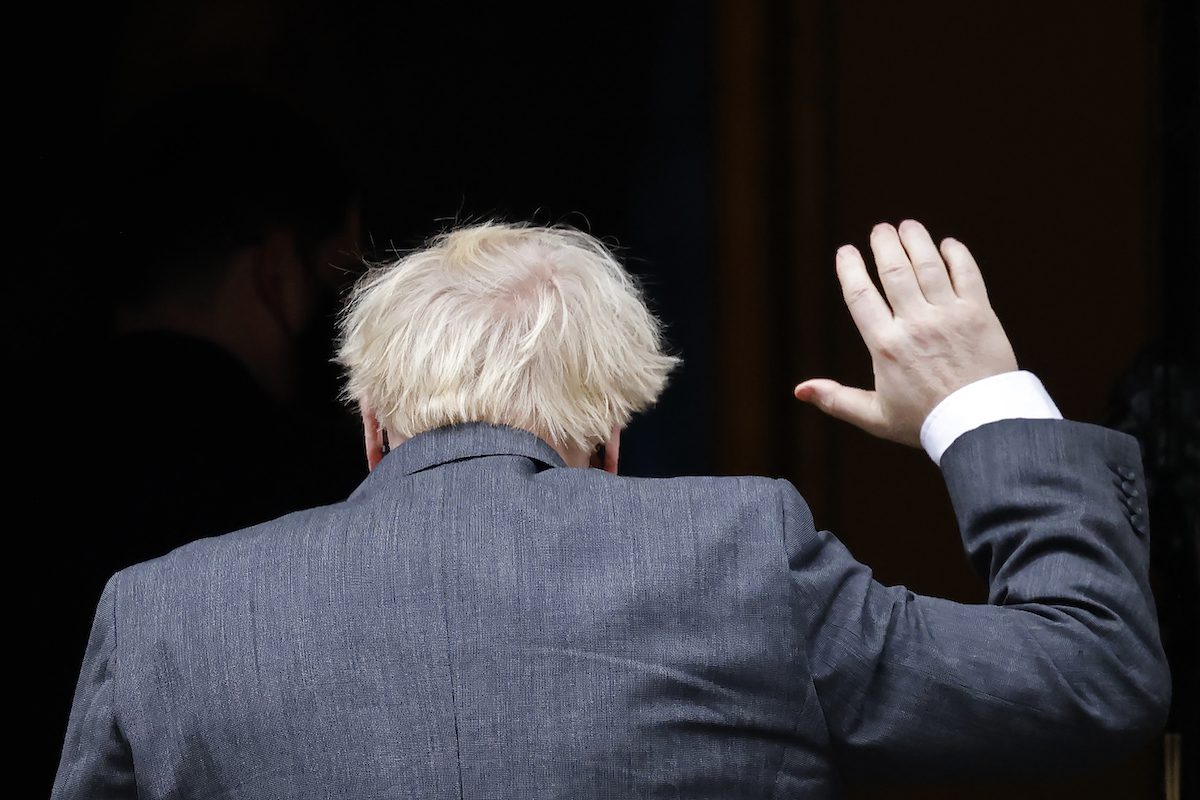
Johnson’s demise represents the failure to consolidate a historic and lasting pro-worker, pro-nation consensus.
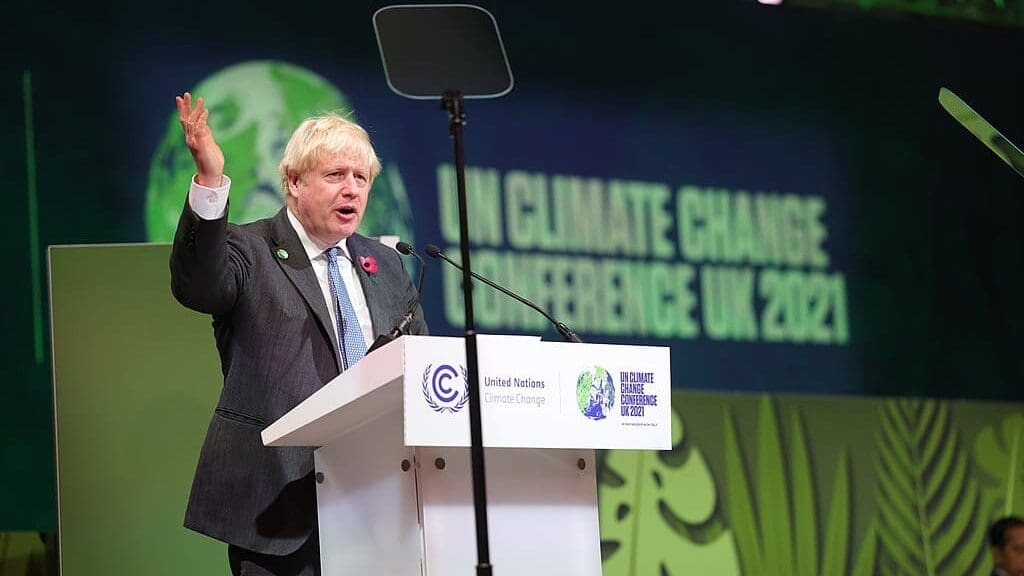
The former prime minister believes the Conservatives must continue to work to “finish the job of reaching net zero.”