

EU Commission Initiative May Facilitate Money Laundering
The European Commission’s well-intended initiative to make life easier for entrepreneurs comes with some surprising weaknesses.

The European Commission’s well-intended initiative to make life easier for entrepreneurs comes with some surprising weaknesses.

The initiative reportedly intended to strengthen the Commission’s analytical capacity is drawing criticism, as it may impact on the sovereignty of member states.
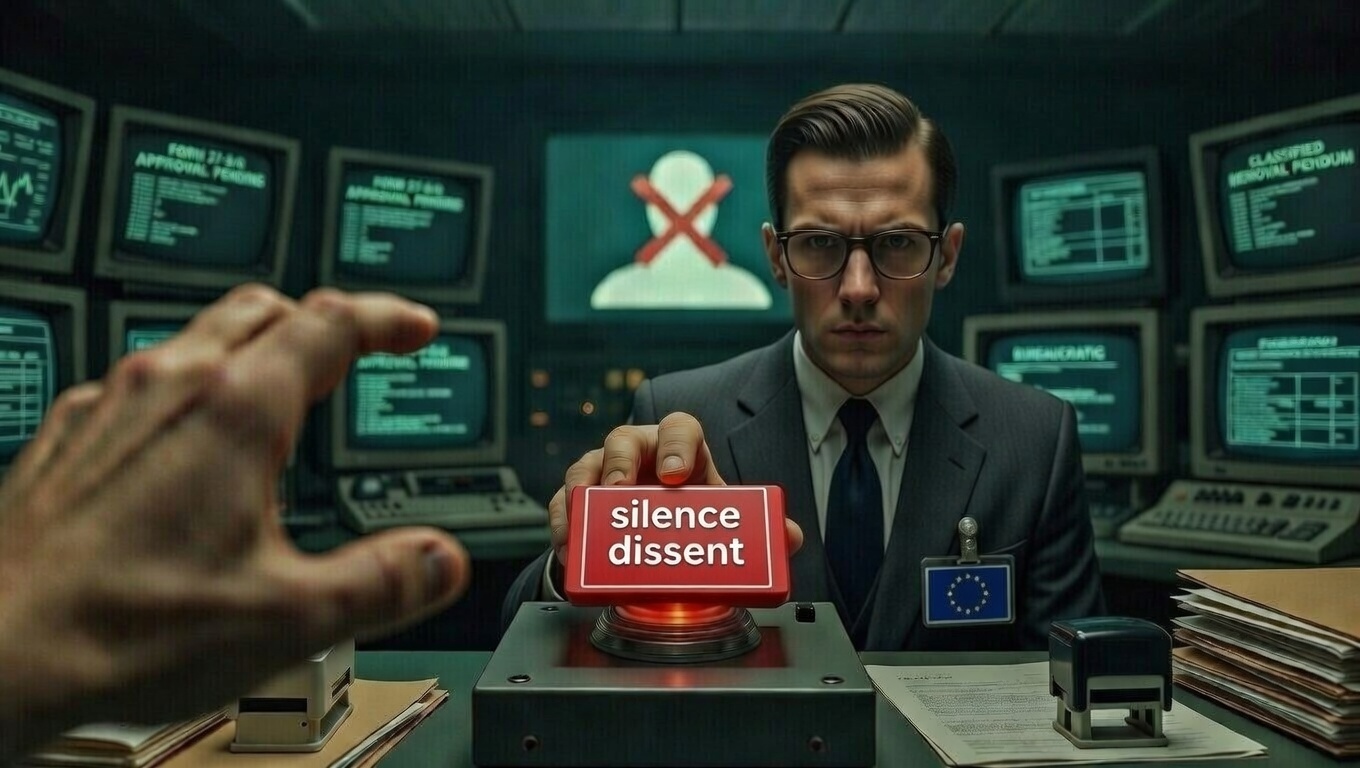
While appearing reasonable and necessary when taken individually, these measures collectively build an ecosystem of repression that East Germany’s Stasi could only have dreamt of.
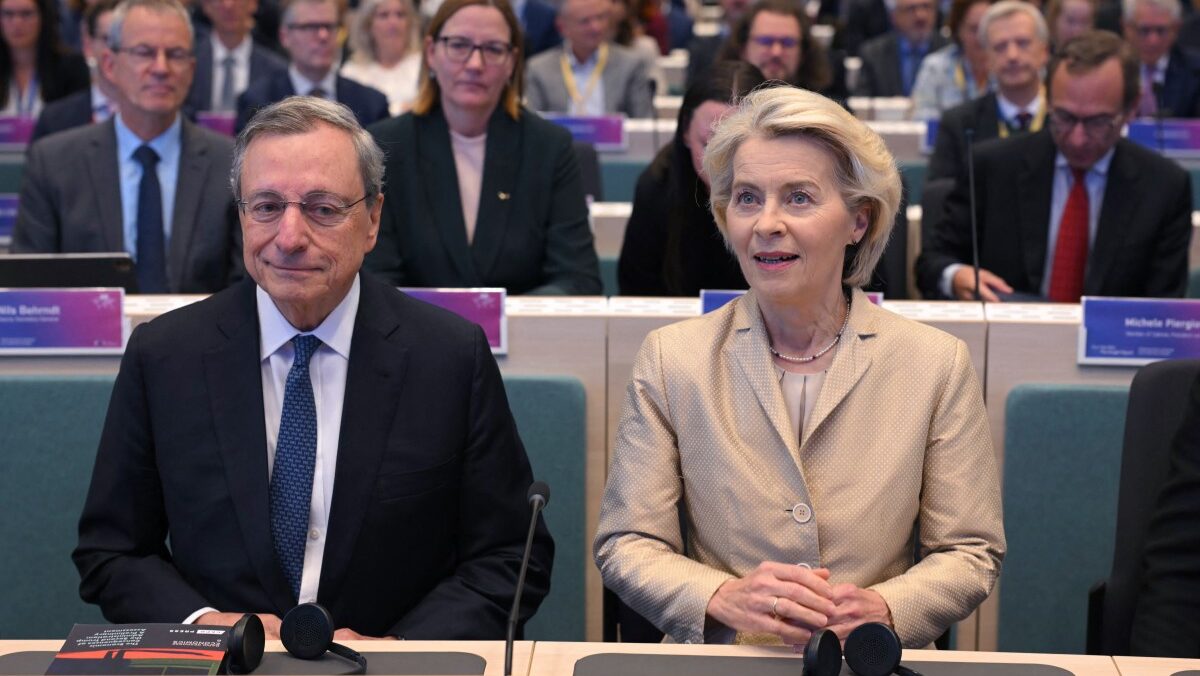
“What is striking in Draghi’s speech is what is absent: any reference to democratic consent.”

The clash with the United States acts as a catalyst for an internal struggle: who really defines what Europe is and should be?

The document marks a sharp shift in tone from the United States, raising questions about Brussels’ direction and its ability to manage the continent’s growing crises.

Orbán argues that the EU’s political elite is using the war in Ukraine as a pretext to accelerate a federalist project that restricts national sovereignty.

The EU Commission’s proposal for the next multiannual financial framework hides a political revolution in plain sight.

The European Commission unveils two flagship defense projects amid growing concerns over funding and political control.

Under the banner of security, the European Commission moves toward a military integration that many member states firmly reject.