
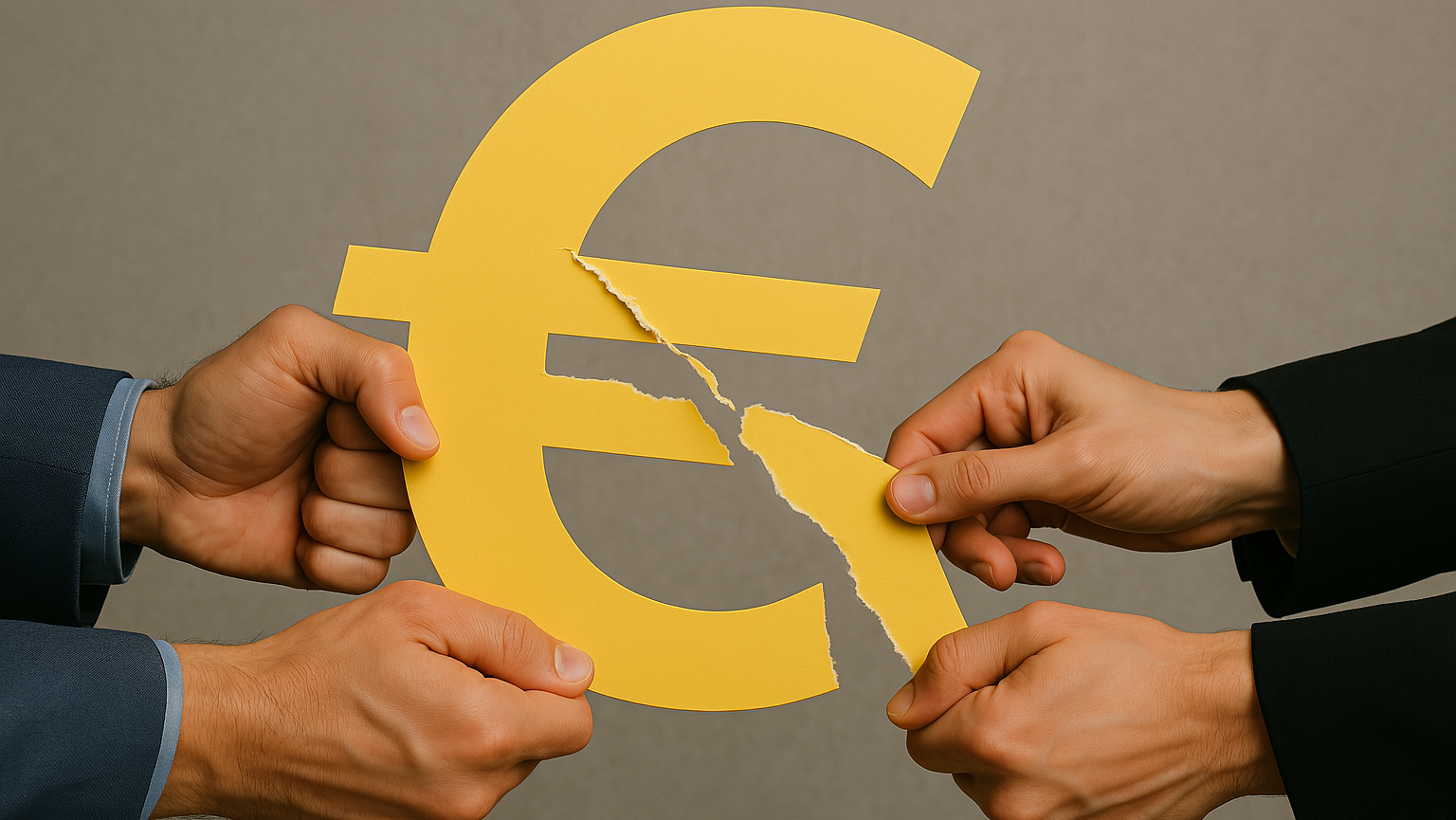
Inflation Creates a Two-Tiered Euro Zone
Eurostat says inflation looks calm—but beneath the surface, a worrying split is emerging. Polarized inflation poses a serious challenge for the ECB and an increasingly hands-on Brussels.

Eurostat says inflation looks calm—but beneath the surface, a worrying split is emerging. Polarized inflation poses a serious challenge for the ECB and an increasingly hands-on Brussels.

Tariffs take the heat for U.S. inflation, but EU data blows that theory apart.
What is being presented as a technological defense against external actors could, in fact, become a model of total financial control.

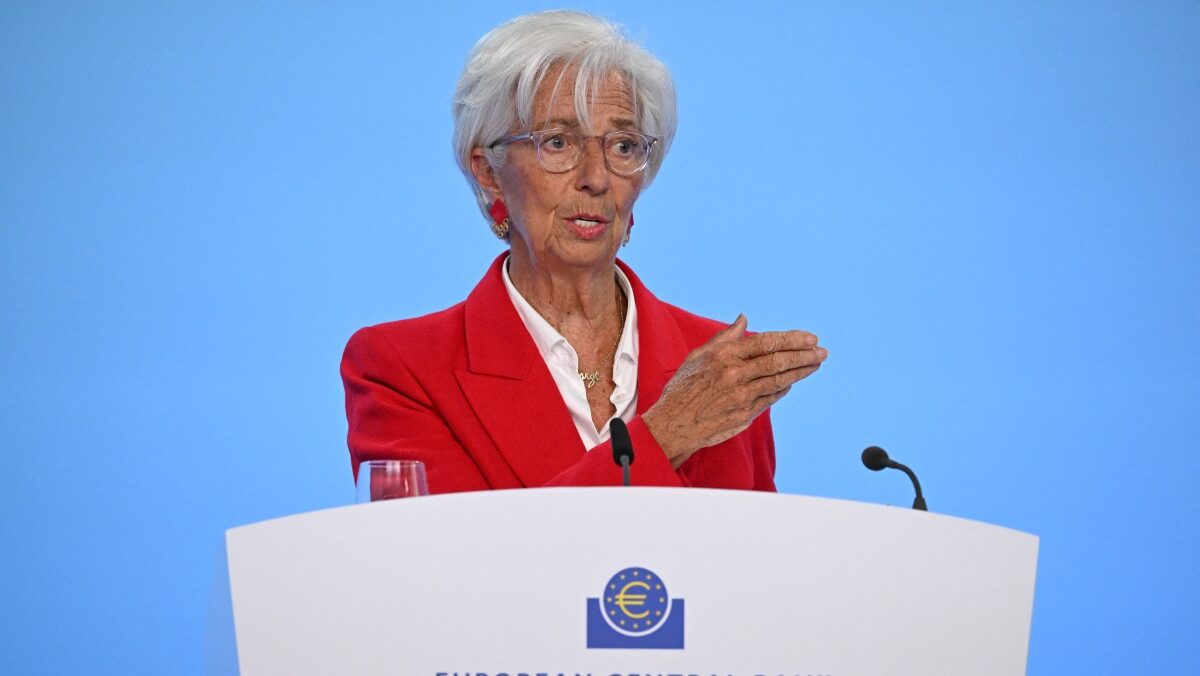
In a stunning admission, the central bank concedes that more public debt is the only path to more economic growth in the euro zone.

Citizens’ needs won’t be a priority once national leaders are beholden to their fiscal overlords in Brussels and Frankfurt.
Kažimír will fight this conviction, while continuing his work in two significant banking roles inside the EU.
Eurostat’s flash estimate shows annual inflation in the euro area dropping to 2.2% in March 2025 from 2.3% in February.

While President Macron is busy trying to cling to power, the ECB is helping France down the path of economic self-destruction.

The European Central Bank has cut interest rates again, and the Federal Reserve may follow. With inflation rising in both regions, these rate cuts must stop.

Although the central bank president makes some salient points, they do not add up to the really big reason why Europe keeps falling economically behind America.