Hungarians Facing Two Different Futures
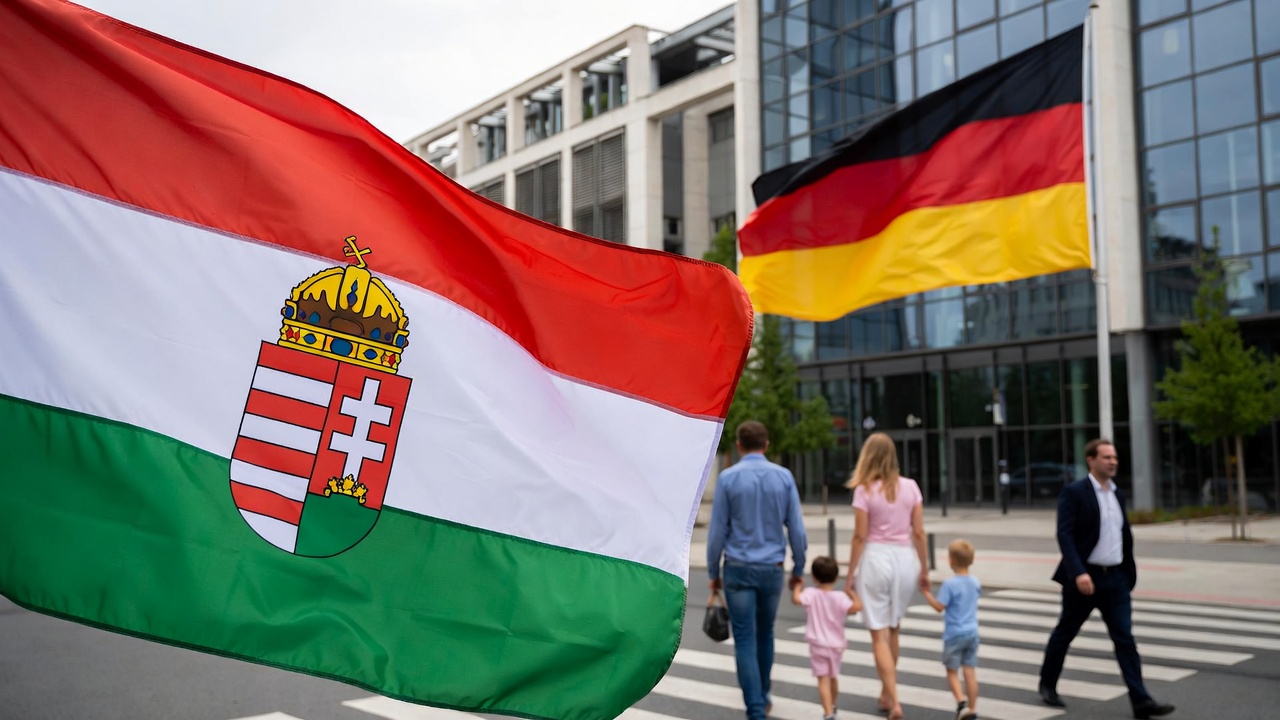
The leak of an alleged plan by the opposition to raise taxes drastically sharpens the contrast between two choices in the April elections.

The leak of an alleged plan by the opposition to raise taxes drastically sharpens the contrast between two choices in the April elections.

In a pattern eerily similar to other EU states, the Belgian government stands and falls with its own inability to balance its finances. The price will be paid by taxpayers.

Contrary to widespread myths and errors being produced by right-of-center pundits, the Swedish experience with democratic socialism was not short, and it never ended.

The new pope is advised by a Curia that remains Bergoglian in orientation—progressive in theology and socialist in politics.

Chancellor Merz has conceded that Germany can no longer sustain its expansive welfare state—a fiscal surrender to economic reality that other nations may soon be forced to replicate.

Unless the French political leadership does something radical, more downgrades are coming.

EU member states must decide between prioritizing reduced ‘inequality’ or increased economic growth.

There is a big need for structural reforms to the Slovakian welfare state. Such reforms require a level of political leadership that Europe so far has only seen in Hungary.

The EU hints that it wants to get involved in health care funding. If it does, it could disrupt national health care models and grow government at the expense of other ways to pay for medical services.

In a nefarious attempt to grab power, the EU keeps pushing for its own tax revenue—and to be allowed to spend a lot more money.