
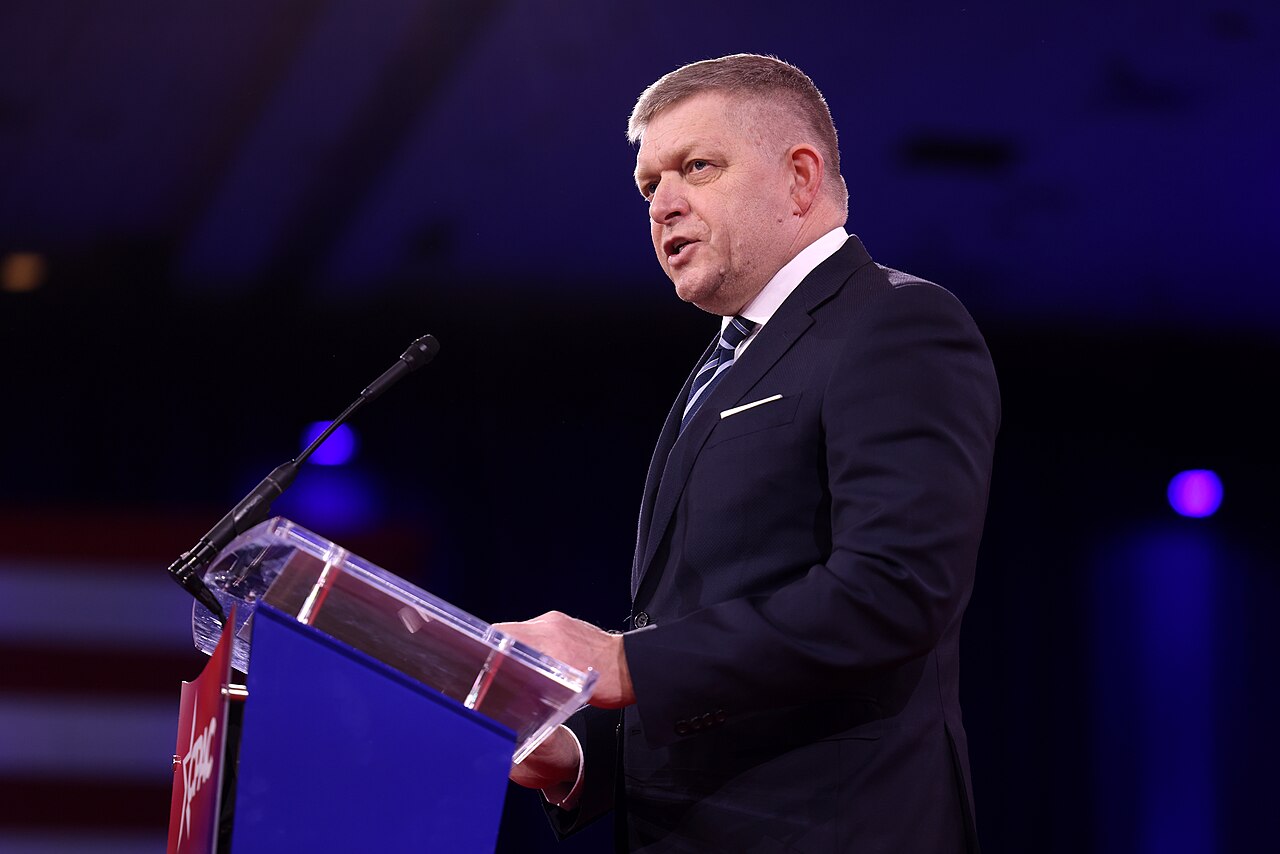
Fico Warns He’ll Cut off Power to Ukraine
Slovakia has threatened Ukraine with disconnecting the country’s emergency electricity supply if Russian oil deliveries to Slovakia are not restored.

Slovakia has threatened Ukraine with disconnecting the country’s emergency electricity supply if Russian oil deliveries to Slovakia are not restored.

Kyiv’s anti-corruption agency detained the country’s former energy minister as he attempted to leave the country.
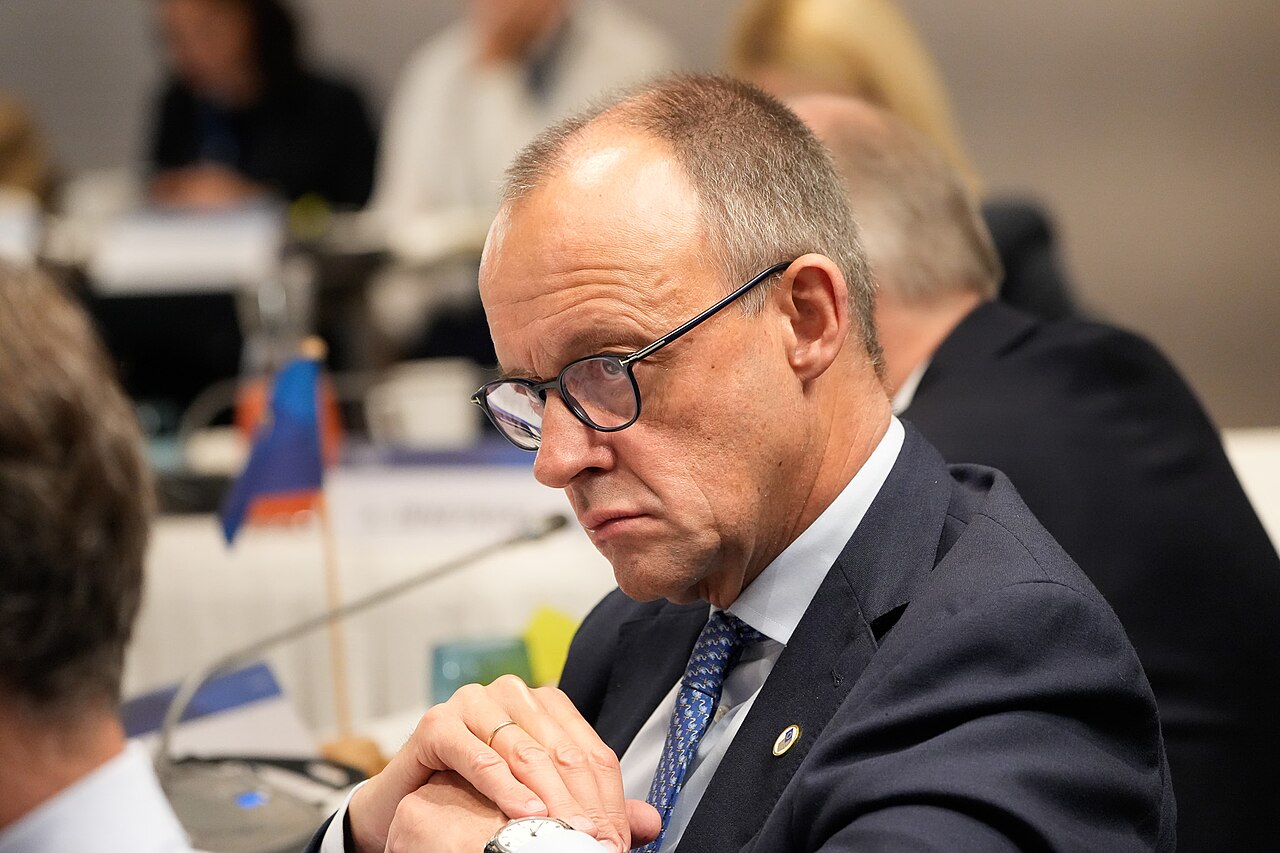
The German chancellor blamed former governments for high energy prices.

With its ‘circular’ vision, the European Commission demonstrates its complete detachment from economic reality.

Despite new supply agreements with U.S. and European firms, Russian gas is set to remain Hungary’s key energy source in the months and years ahead.
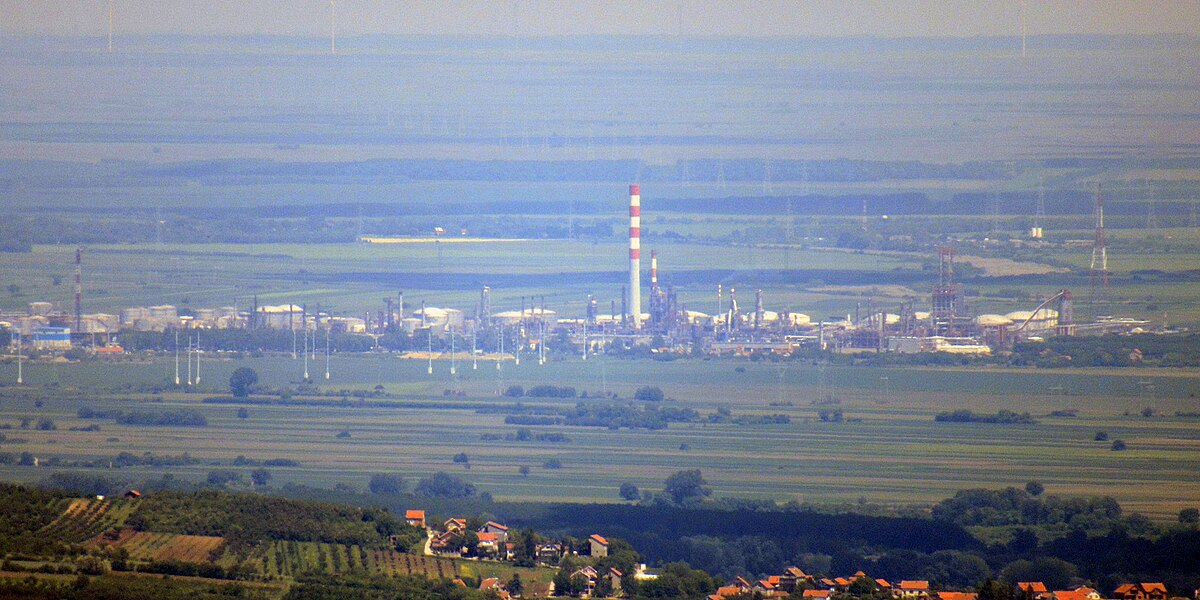
A Budapest initiative aims to boost Belgrade, which faces a potential shutdown of its Pančevo refinery as U.S. sanctions bite Russian-owned assets.

This dangerous nonsense plays into the hands of inept politicians incapable of solving the country’s pressing problems.
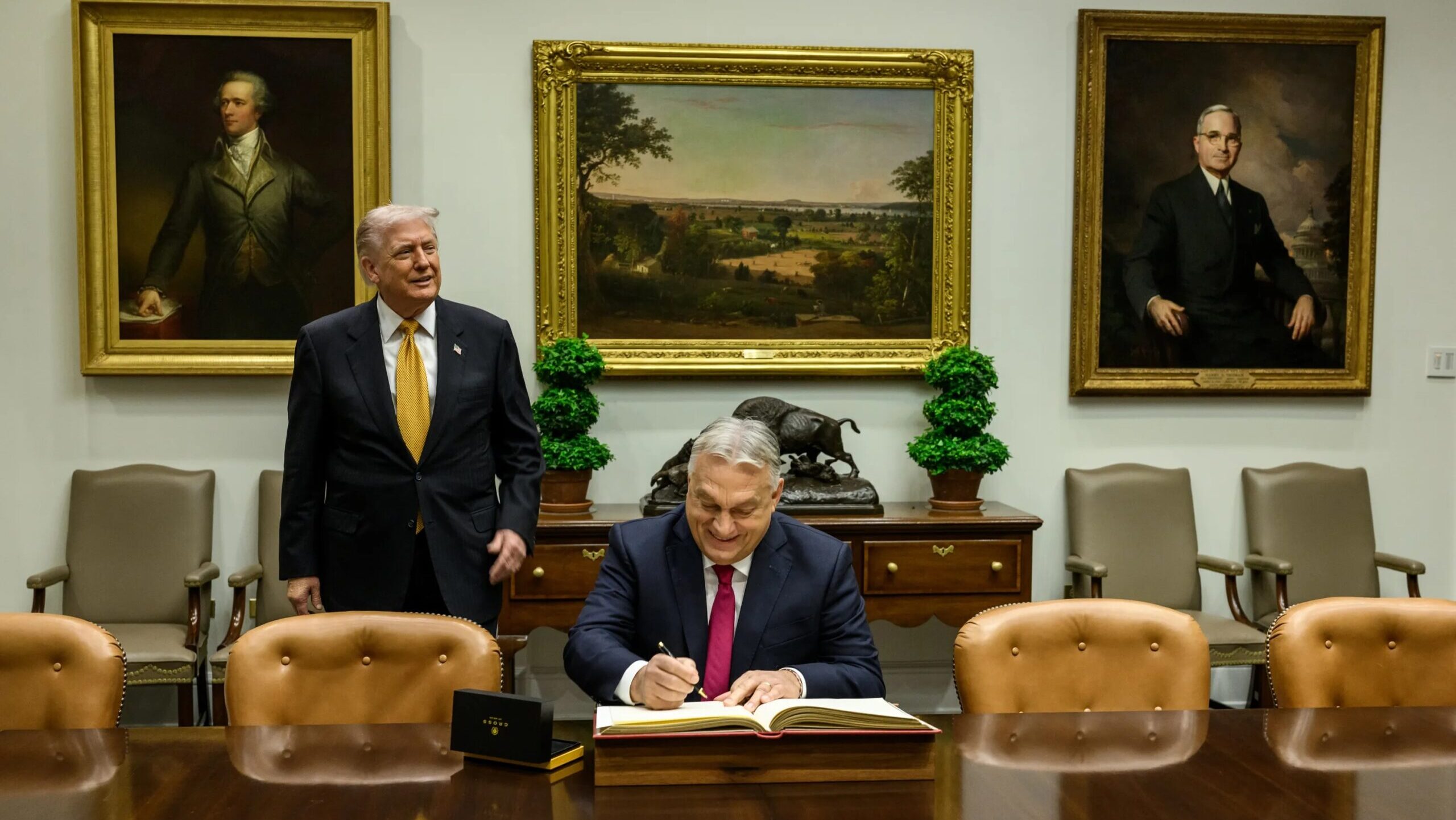
The Washington meeting marks a decisive moment for Budapest, combining energy independence with renewed transatlantic partnership.
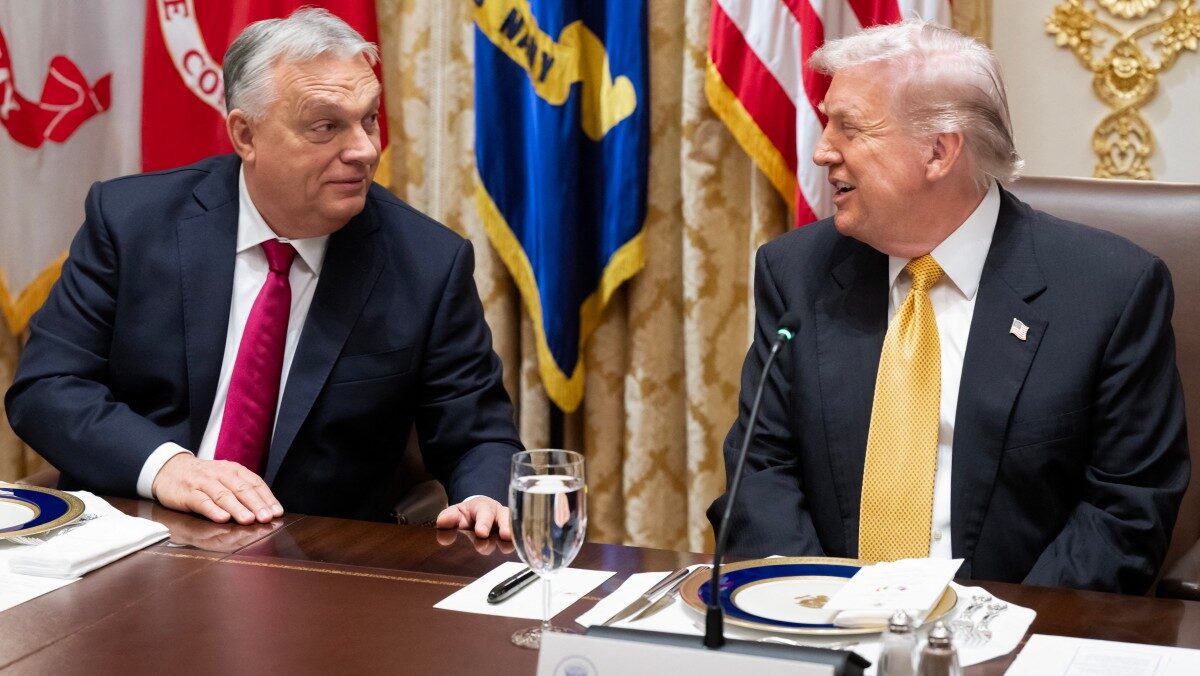
Pressed on whether Hungary might be exempted from U.S. oil sanctions on Russia, Trump said, “We’re looking at it.”

Hungary’s insistence on defending its energy security and its right to pursue peace talks offers a model of what a more balanced and sovereign Europe could look like.