
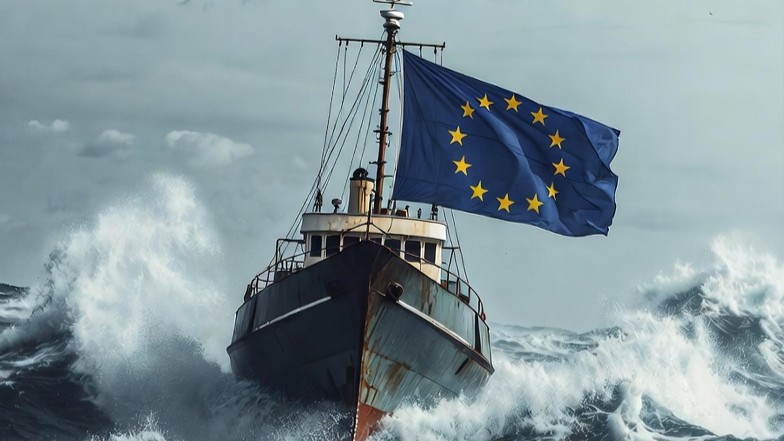
Iran Ceasefire: What Comes Next for Europe?
Brussels is celebrating the temporary pause of Middle East hostilities while remaining dependent on foreign energy, vulnerable trade routes, and outside protection.

Brussels is celebrating the temporary pause of Middle East hostilities while remaining dependent on foreign energy, vulnerable trade routes, and outside protection.
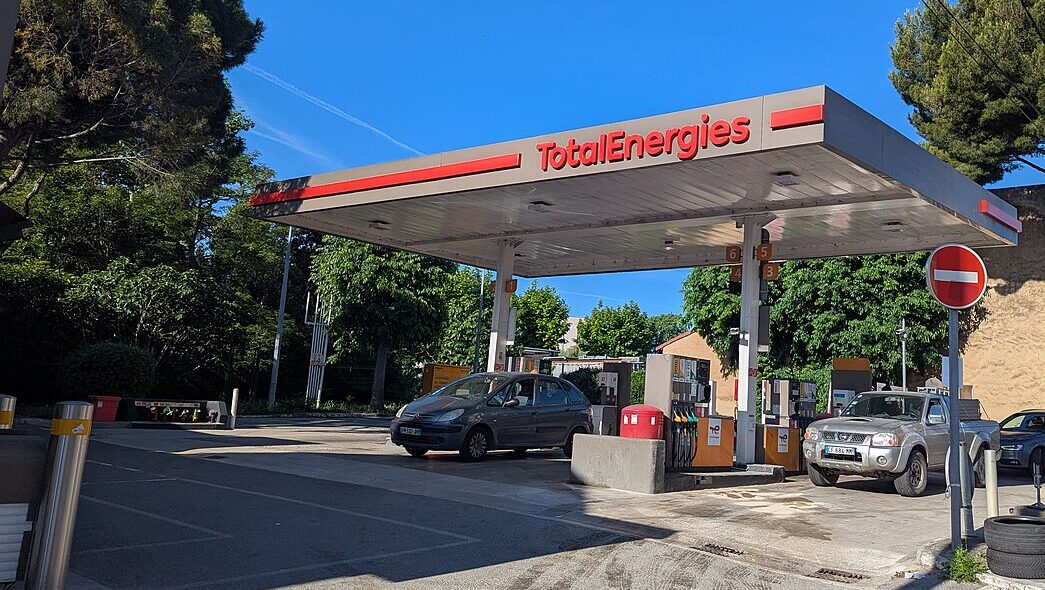
Three years after reducing its dependence on Russian gas, Europe is still heavily dependent on imported oil and on strategic routes. The supplier may have changed. The dependence has not.
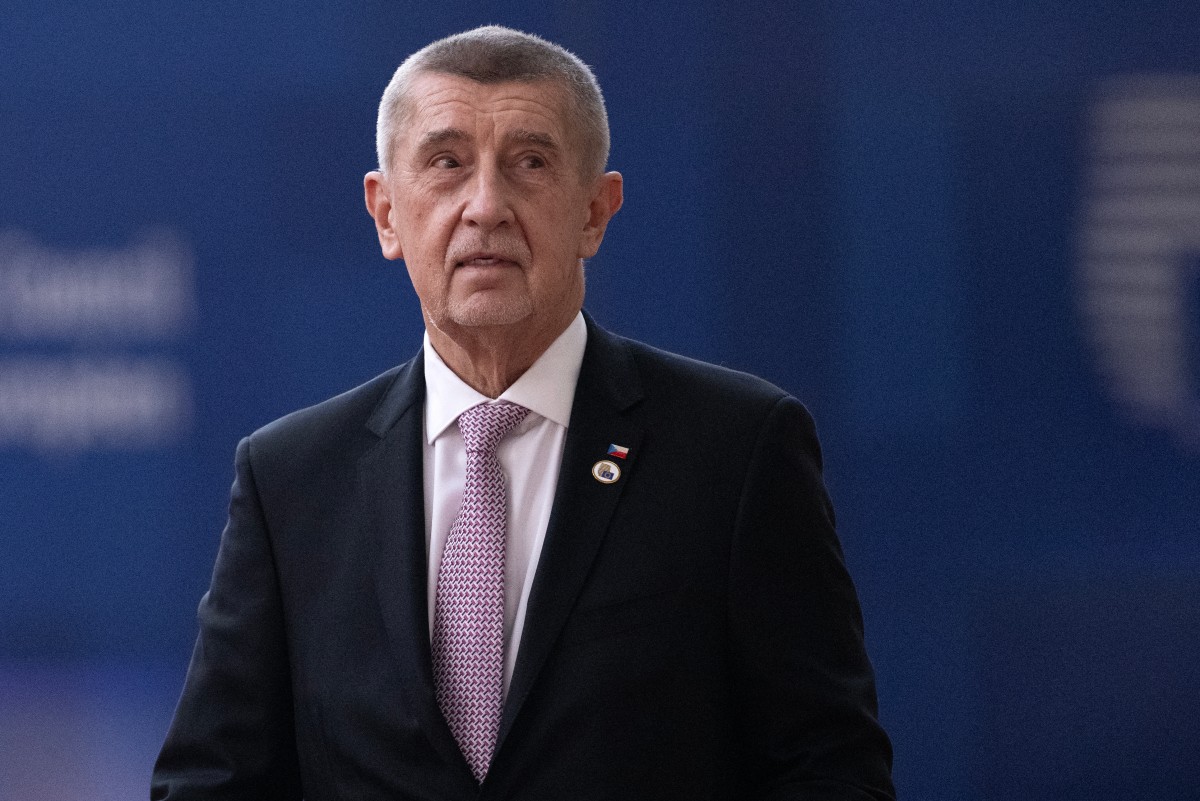
PM Andrej Babiš criticized Czechia’s neighbors for failing to coordinate on fuel pricing.
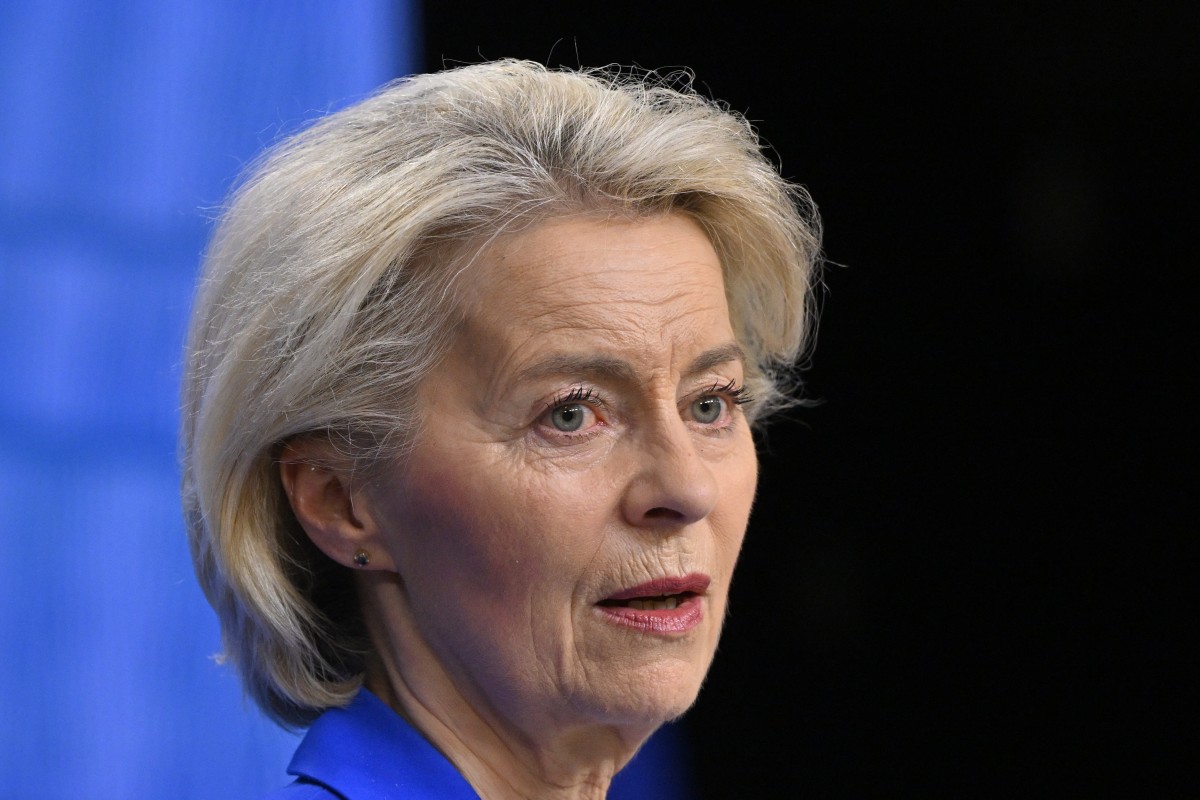
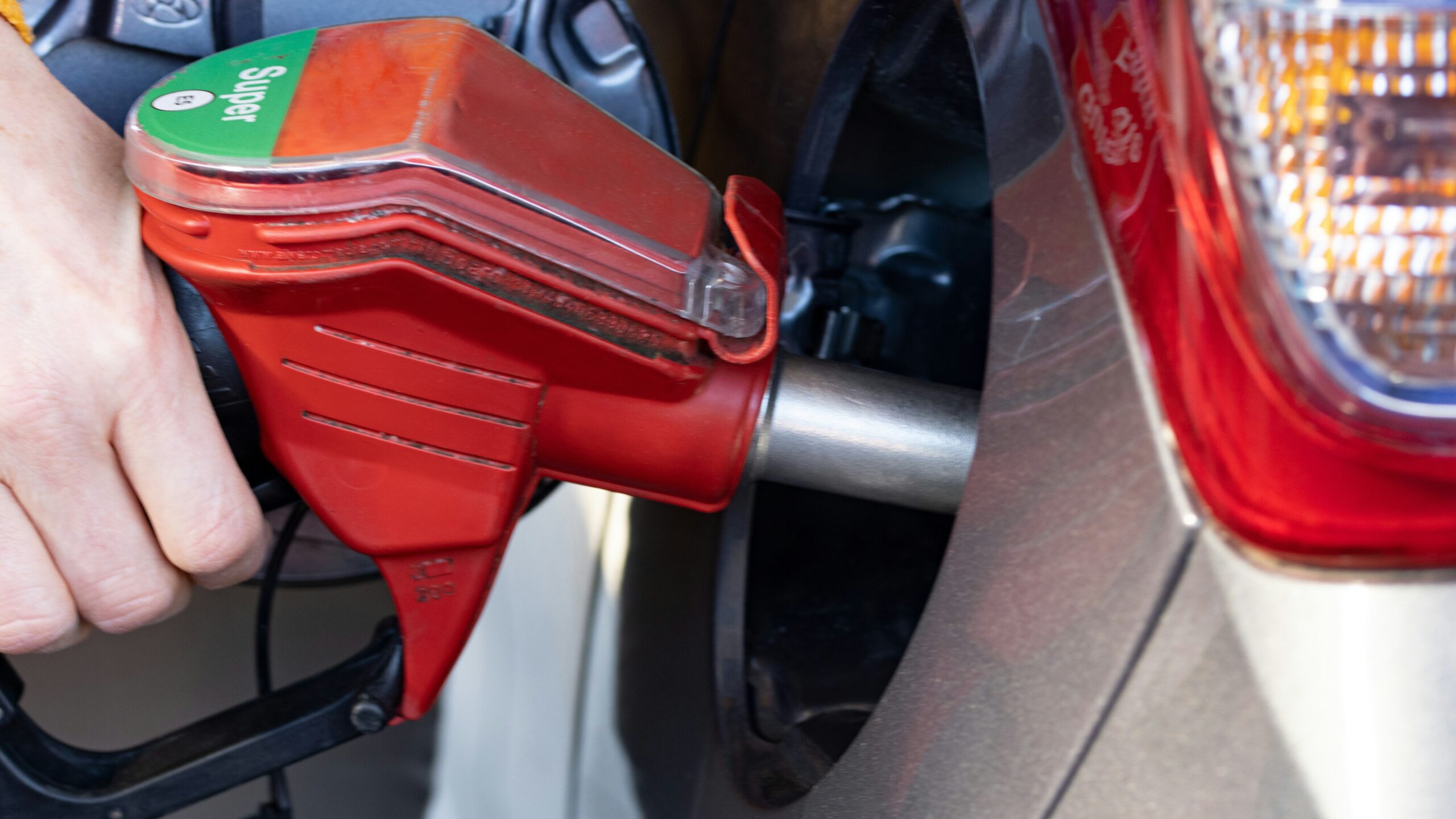
In a letter to Budapest, the Commission argued that Hungary’s measures on fuel prices may violate EU law by restricting the free movement of goods and services.
Brussels avoids speaking about it openly but the ghost of the 2020 COVID-19 crisis is beginning to reappear in the corridors of the EU.
“The more you can do to save oil, especially diesel, especially jet fuel, the better we are off,” Dan Jørgensen said.
Berlin is exploring emergency energy measures, including the revival of mothballed coal facilities, as the conflict in Iran triggers a sharp rise in gas prices across Germany.
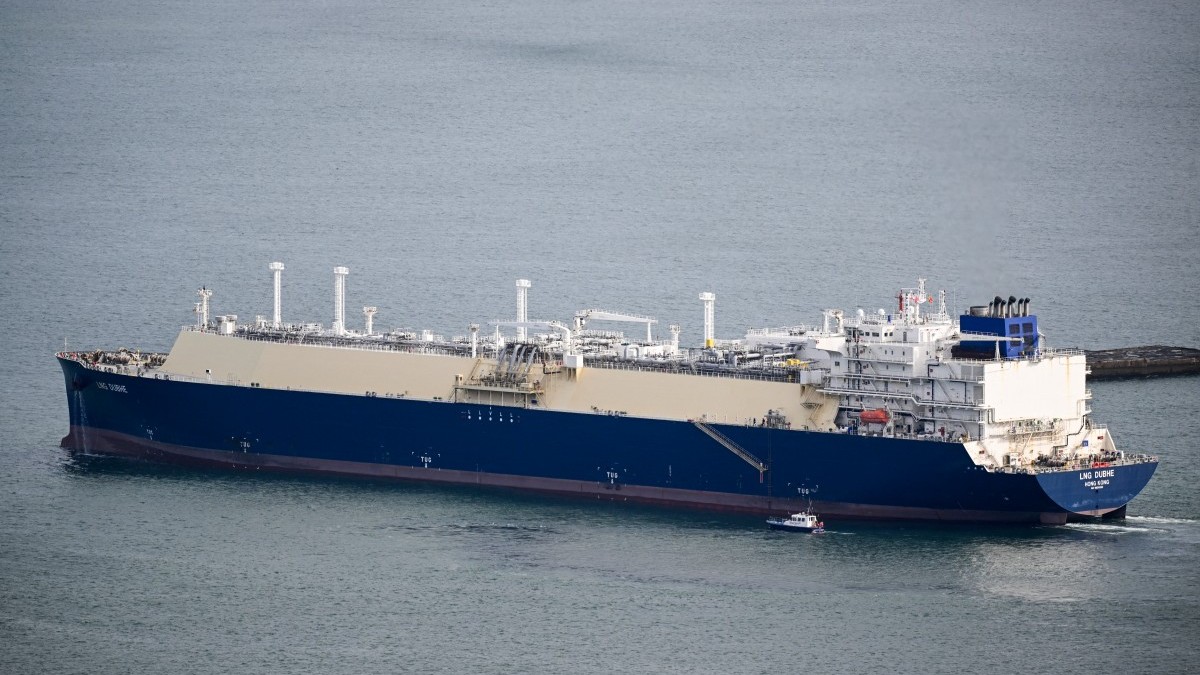
Brussels is opting for technical adjustments in response to the shock caused by the Iran crisis.
Amid mounting energy instability, Moldova’s PM said his crisis-management policy was necessary to allow a rapid response.
The crisis in the Middle East is pushing up oil and gas prices and forcing the EU to face the consequences of its expensive and unstable energy system.