
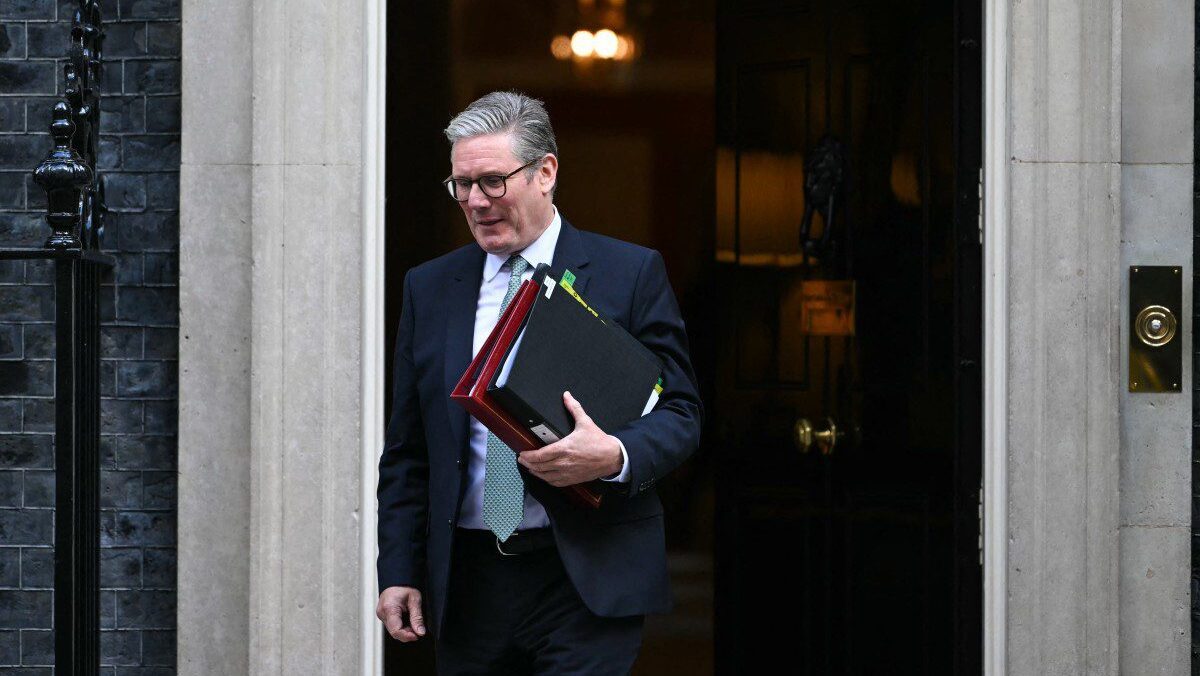
Reform UK Hits Out at Labour’s “Wicked and Cruel” Pensioner Payment Cut
Just one Labour MP voted against scrapping winter fuel payments for millions of pensioners.

Just one Labour MP voted against scrapping winter fuel payments for millions of pensioners.
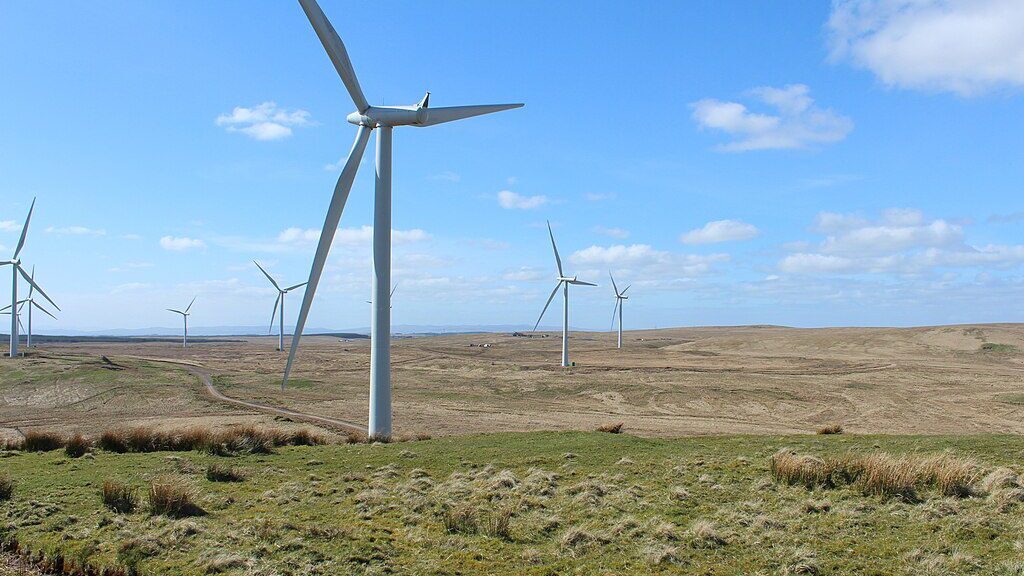
Government mulls higher charges for ‘smart meter’ users during peak hours.
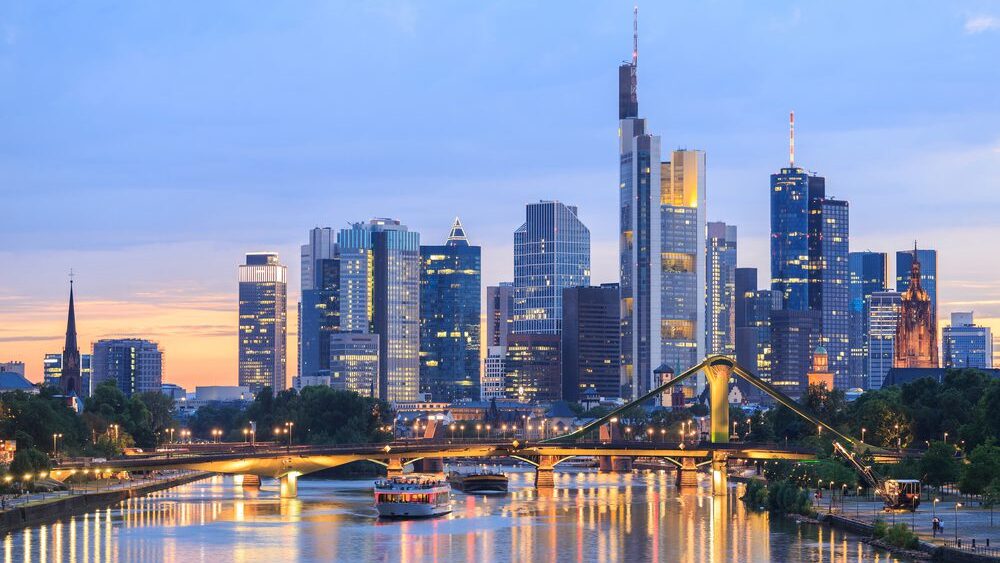
With bankruptcies rising sharply and major companies cutting jobs, Germany’s economic future looks bleak.
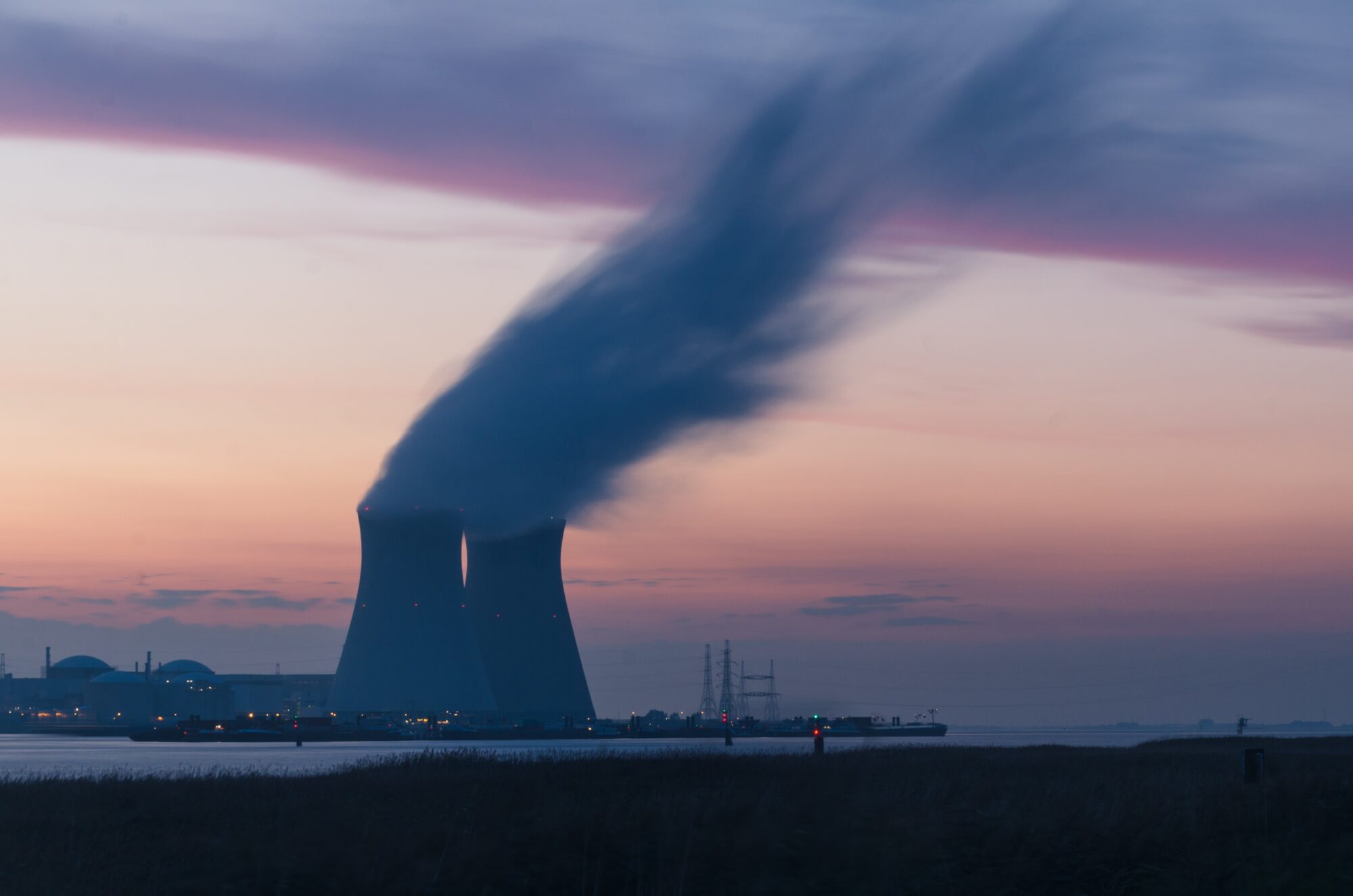
Niger’s negotiations with French mining companies have turned into demands, threatening French energy security and heating needs.
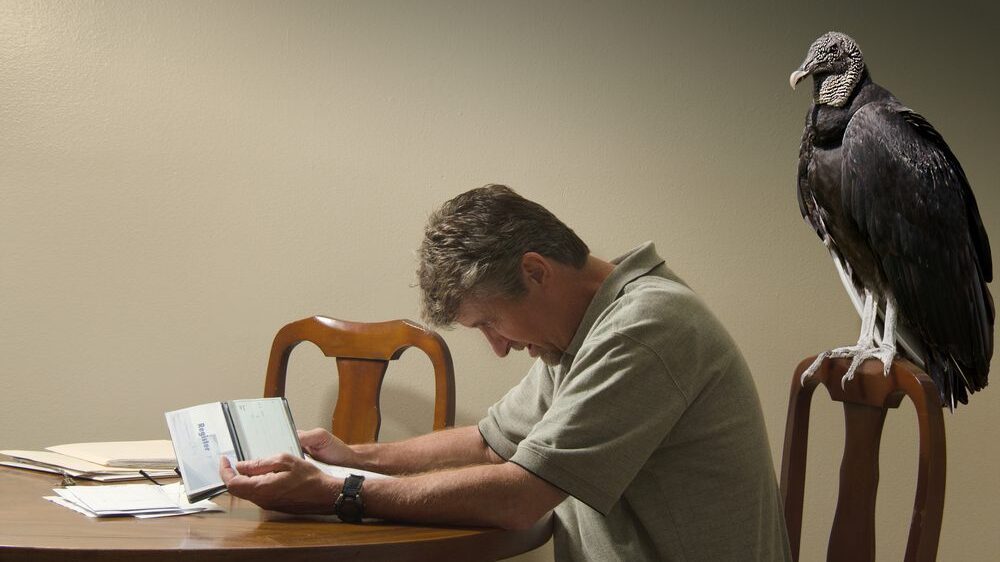
With a marginal burden of around 50% of gross income under Germany’s taxation and transfer system, people with middle incomes effectively end up with only half of every euro they earn, a study shows.
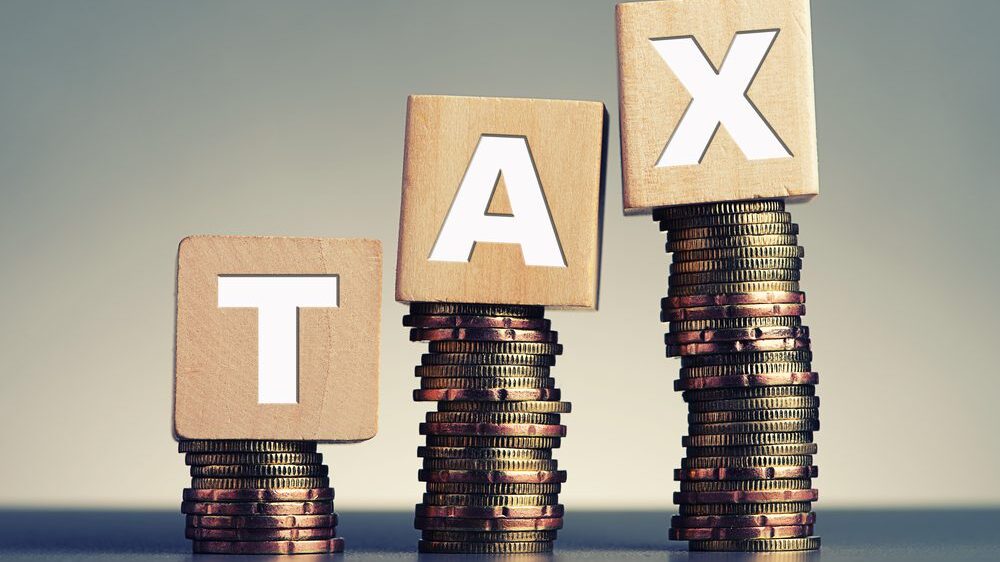
If neither wages nor energy prices can explain why the ECB is right in being concerned about persistent inflation, then what can explain it? There is a candidate that nobody wants to talk about: taxes.

Ministers are encouraging Britons to ditch their gas boilers for heat pumps, but the ‘net zero’ secretary Grant Shapps admitted he has yet to do so himself.
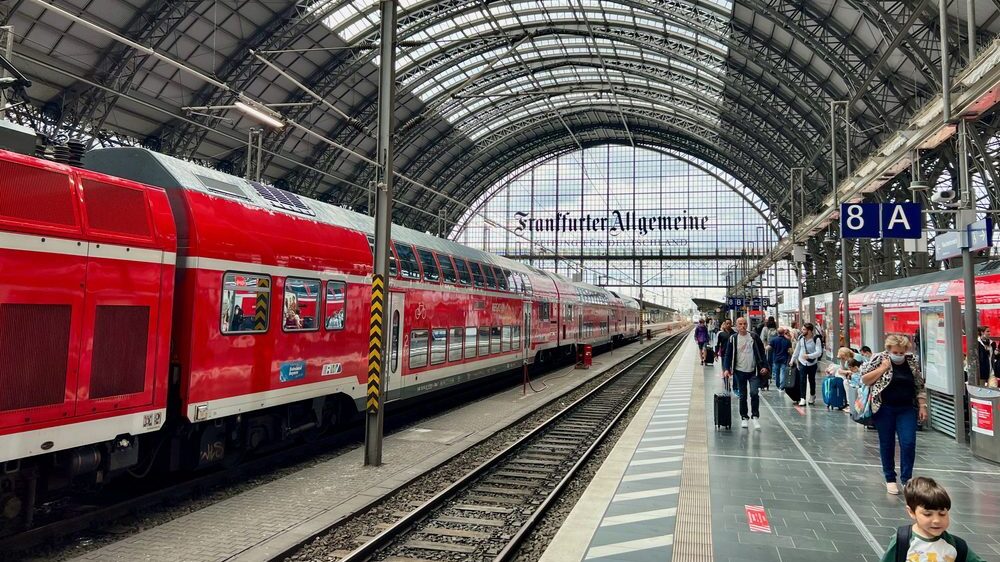
German’s national train operator has announced that all long-distance trains will be cancelled, and the Frankfurt airport has cancelled all regular flights.
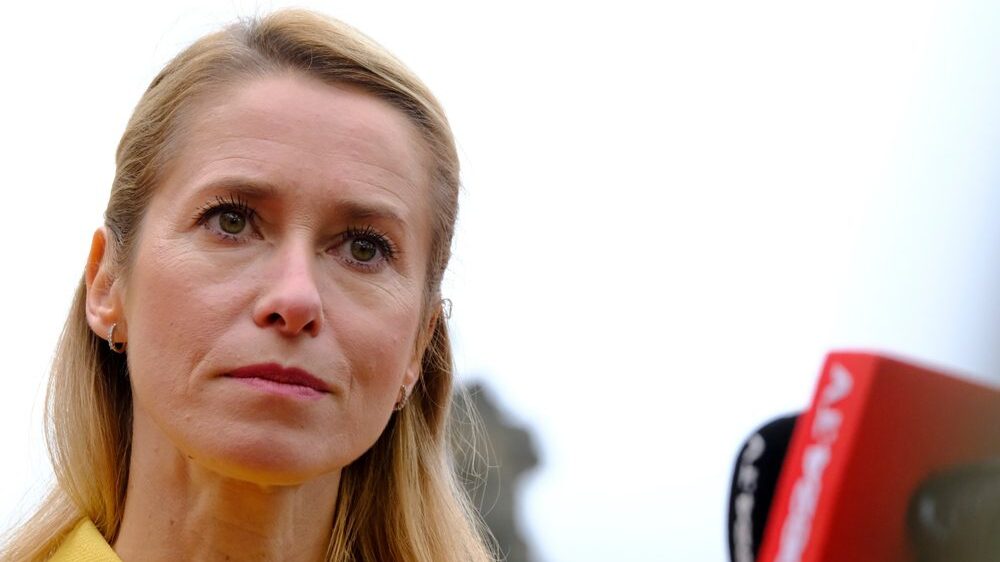
The incumbent Prime Minister Kaja Kallas led the polls, but her leadership is far from secure, since poor energy policies and allegations of election fraud undermine her victory.
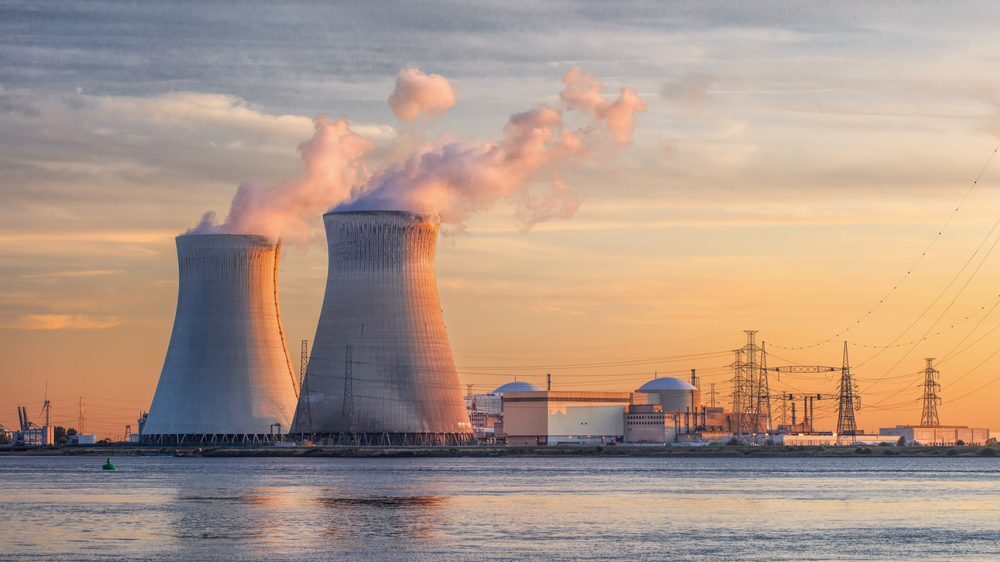
Germany, Austria, Spain, and Luxembourg remain staunchly opposed to the use and expansion of nuclear power to achieve Europe’s ambitious energy goals.