

Patriotic Bloc and Common Sense Score Victory in EP with New Returns Regulation
The centre-right EPP voting with the right-wing parties to allow the externalisation of returns marks a political turning point in the EU.

The centre-right EPP voting with the right-wing parties to allow the externalisation of returns marks a political turning point in the EU.

“What we are seeing now is that the political map of Europe has changed, but some parties are still trying to behave as if nothing had happened.”
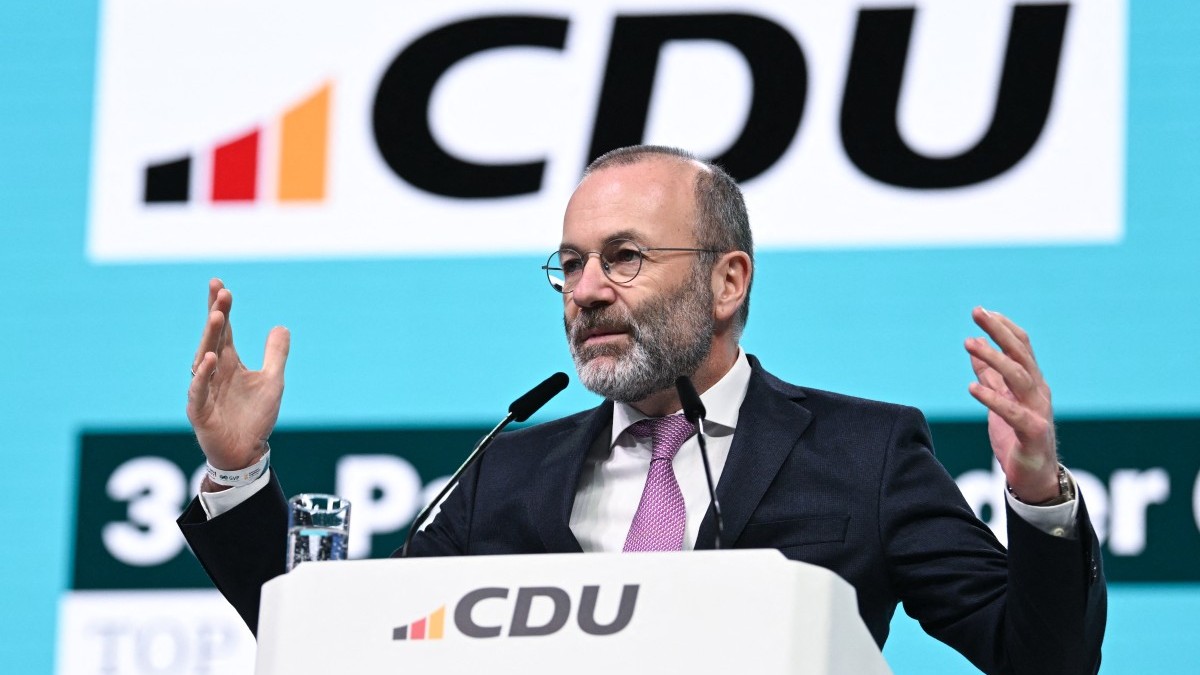
Von der Leyen’s European People’s Party is drawing fire from progressives after voting with right-wing populists on tougher migration policies.
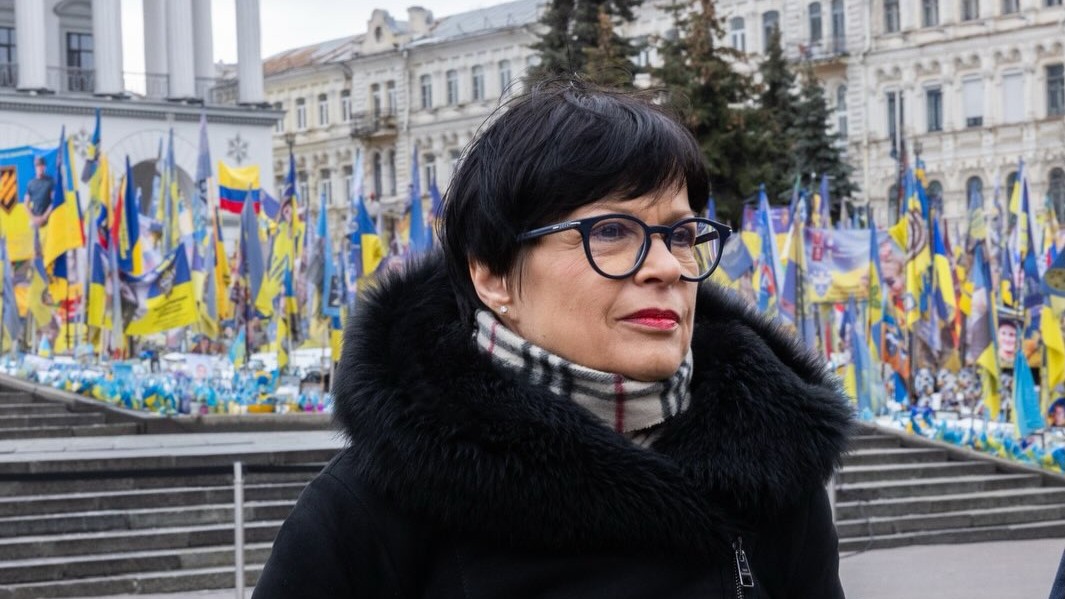
Slovenian MEP Romana Tomc presented new documents alleging Kos collaborated with Yugoslav intelligence, demanding a Commission investigation.
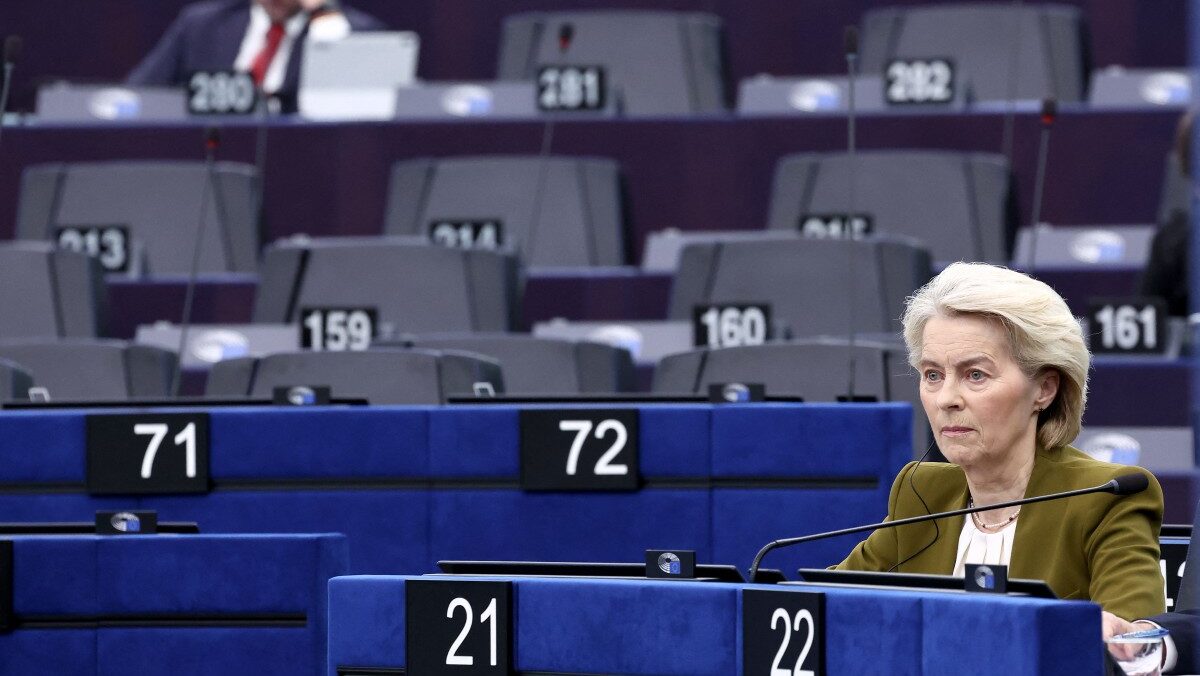
Dutch Farmer-Citizen Movement MEPs say they were punished by the European People’s Party for dissent.

Students aged 12 and 13 from the Italian section of the European School Brussels II are taking part in ‘sex education’ sessions today without a formal parental opt-out option.
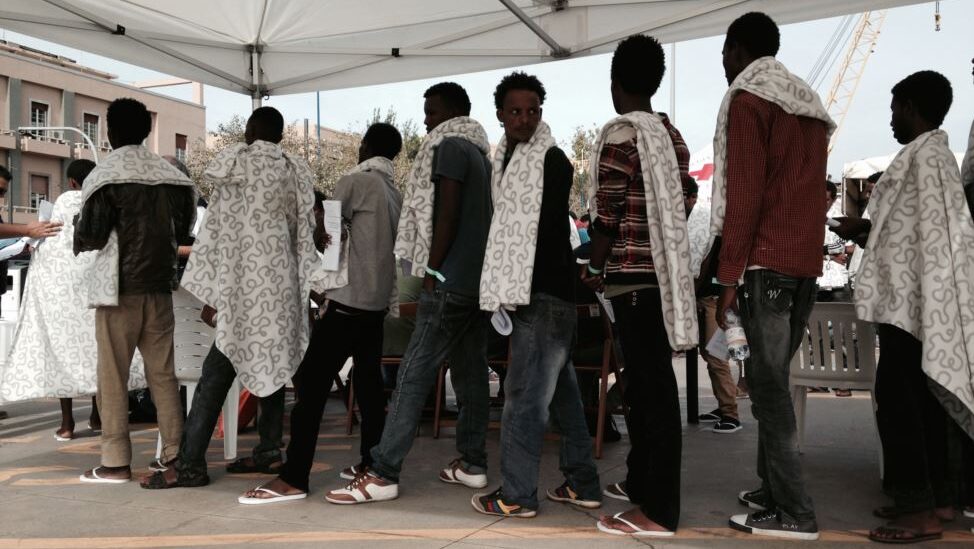
An unusual alliance of centre-right, conservative, and nationalist parties pushed through measures aimed at curbing asylum applications and speeding up returns.
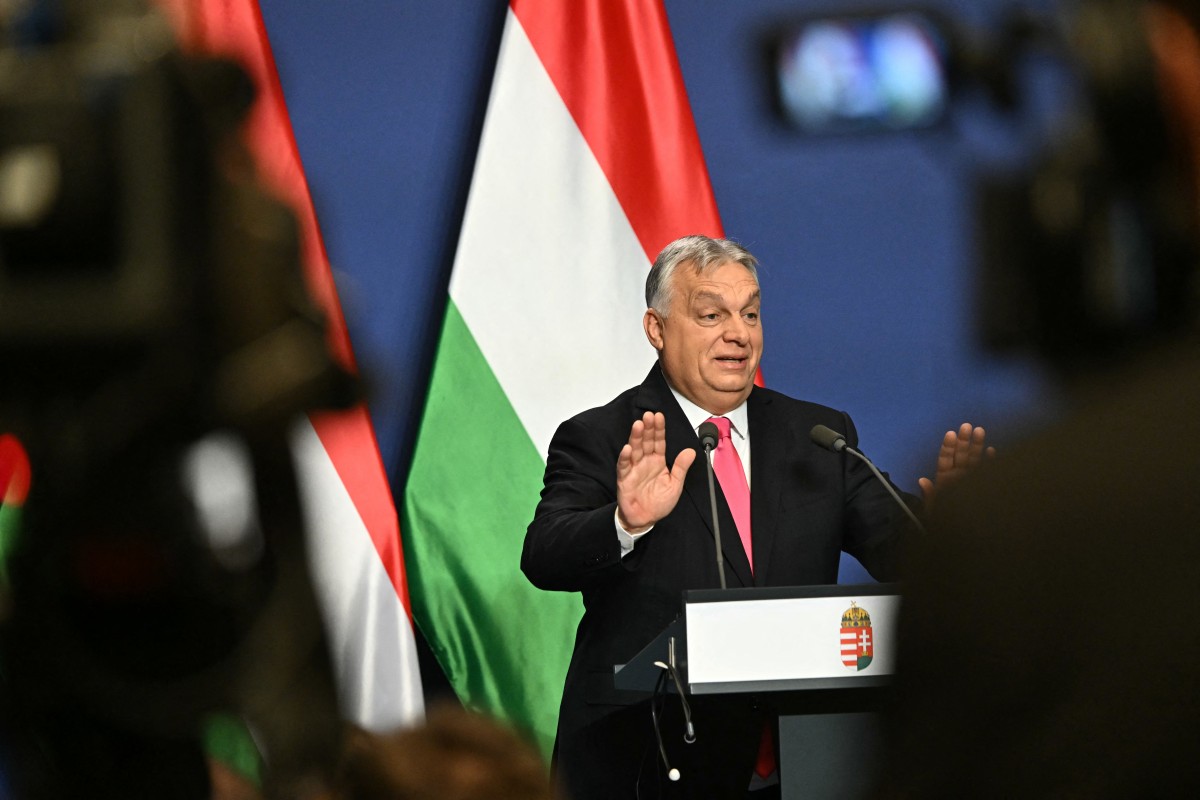
Hungarian PM encouraged citizens to say no to domestic provocations and oppose involvement in the Ukraine conflict.

Delegates from more than 35 countries and members of three major right-wing European parliamentary groups—the ECR, the PfE, and the EPP—are set to attend.
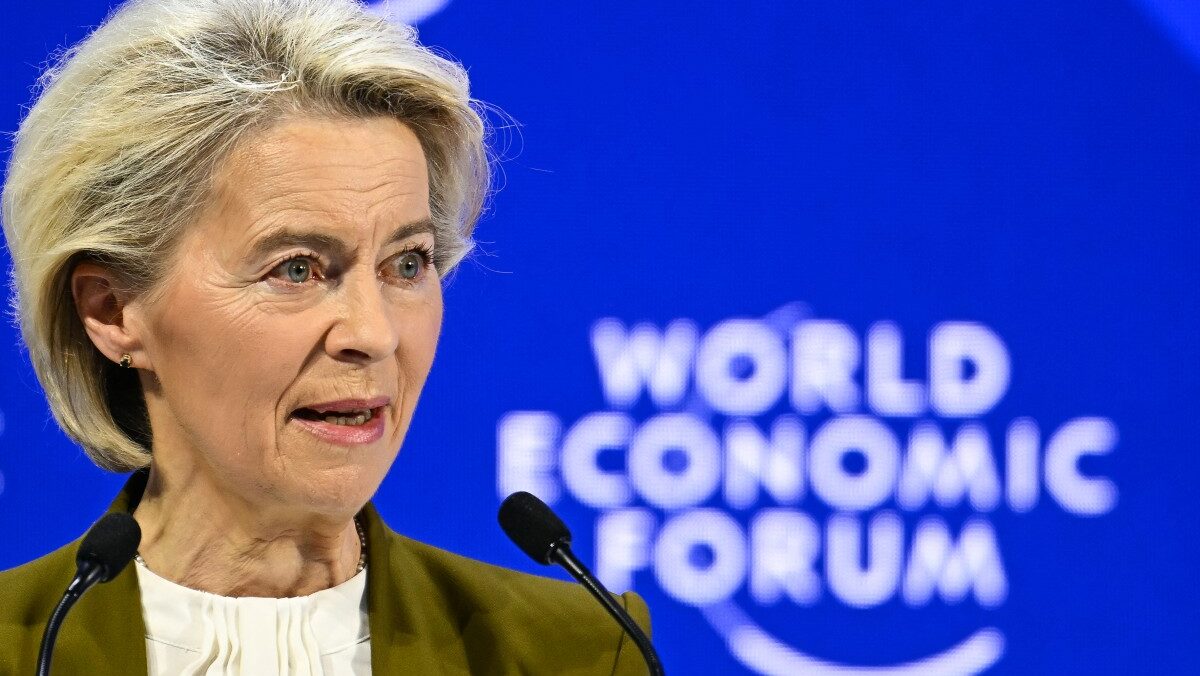
The continuity at the top of the Commission only highlights the EU’s inability to conclude the increasingly contested Mercosur trade agreement.