
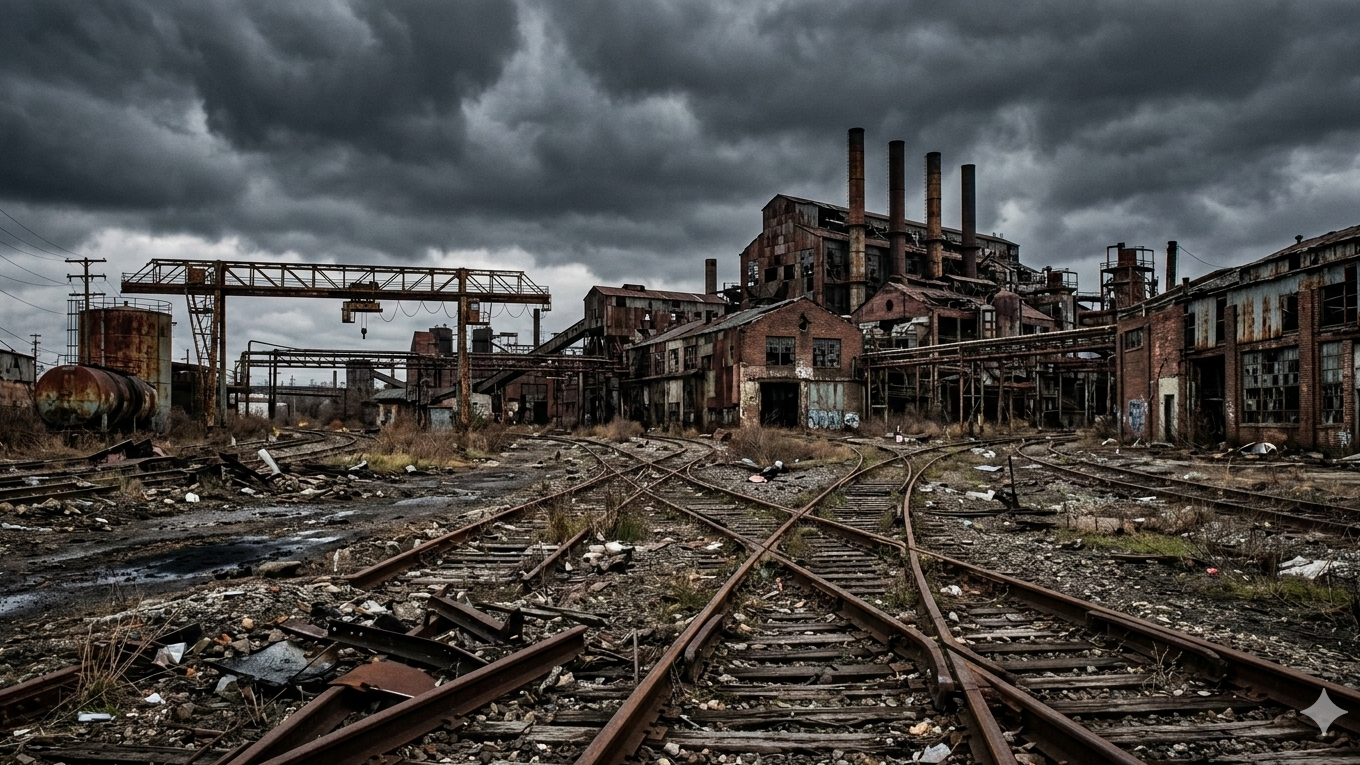
EU Commission Almost Admits: Europe Stuck in Industrial Poverty
The European Commission’s report on the Industrial Accelerator Act recognizes some of Europe’s economic problems. Unfortunately, that’s where the good stuff ends.

The European Commission’s report on the Industrial Accelerator Act recognizes some of Europe’s economic problems. Unfortunately, that’s where the good stuff ends.
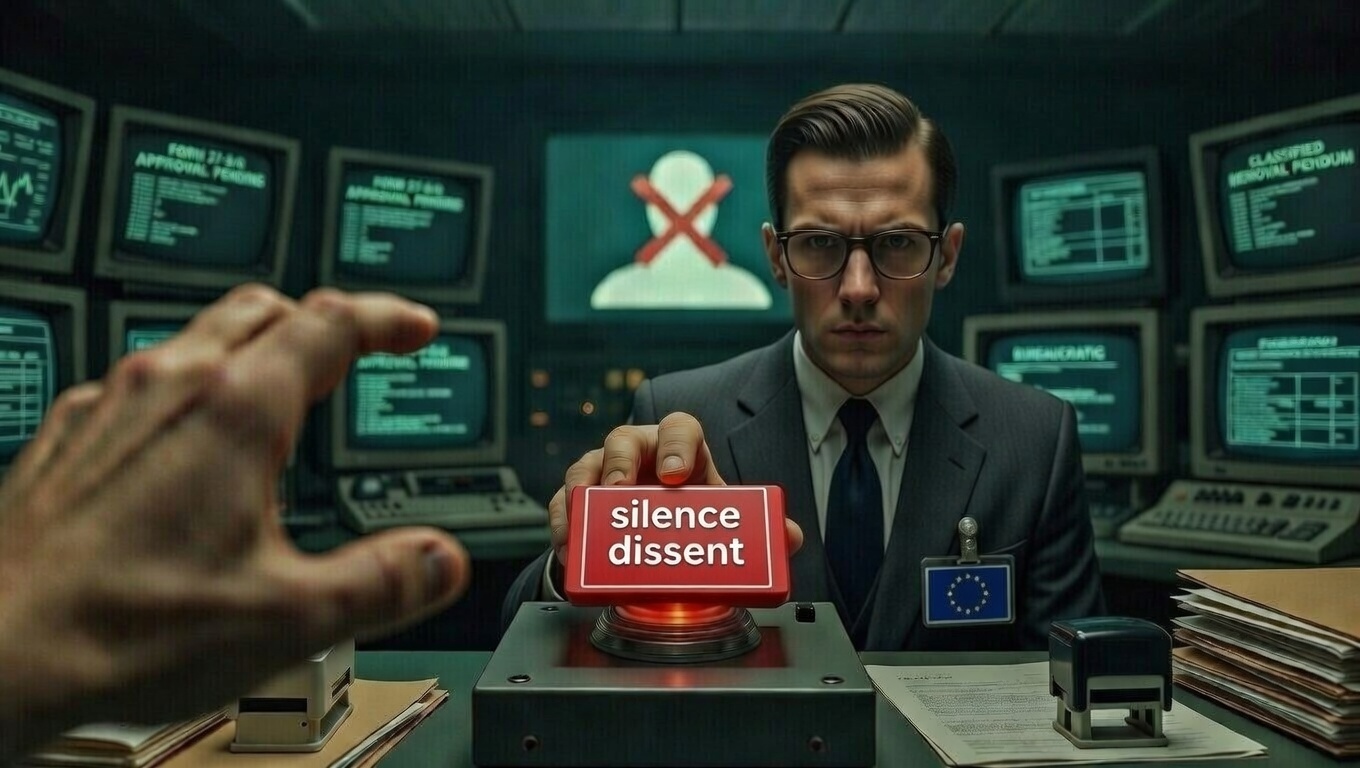
While appearing reasonable and necessary when taken individually, these measures collectively build an ecosystem of repression that East Germany’s Stasi could only have dreamt of.

The Commission aims to finalize the financial framework before possible political changes in major member states.

Any efforts to promote abortion at the EU level violate its constitutional boundaries.
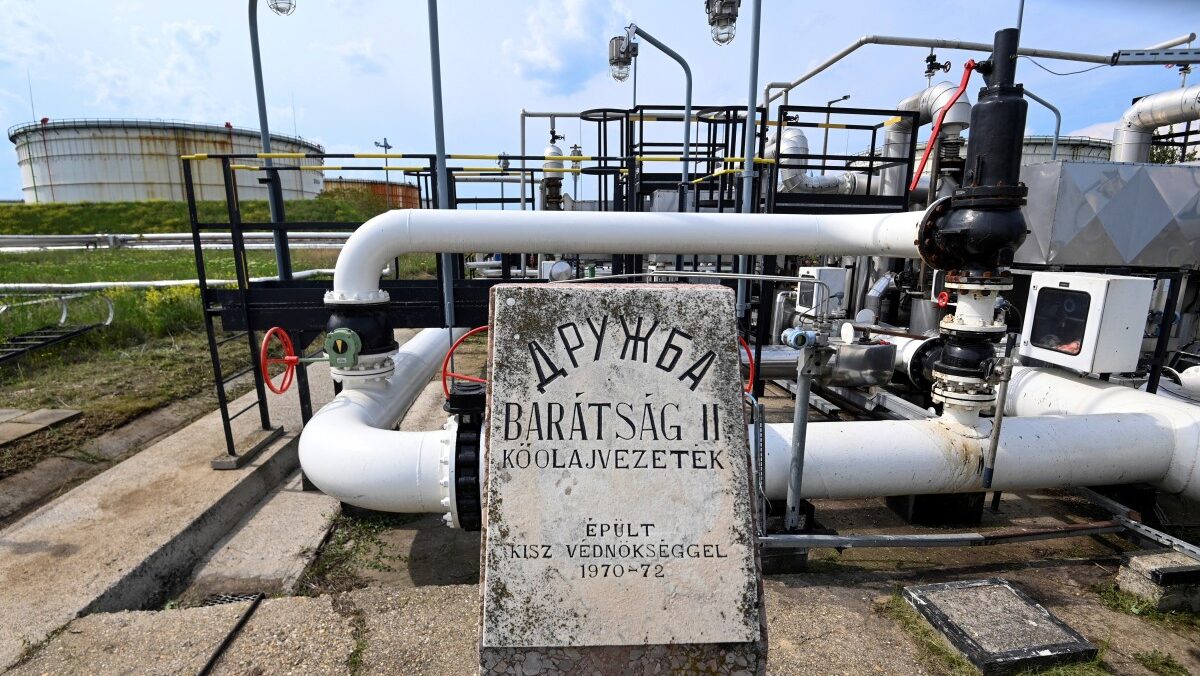
Key details are still not clear, and no timetable has been set for the repairs Ukraine claims are needed.

In its toxic cocktail of war mania and pathological hatred of Orbán, the EU is betraying its very purpose—and obliterating trust in itself.

The Spanish decision “is not in line with the European Union’s current spirit on migration,” an EU official said.
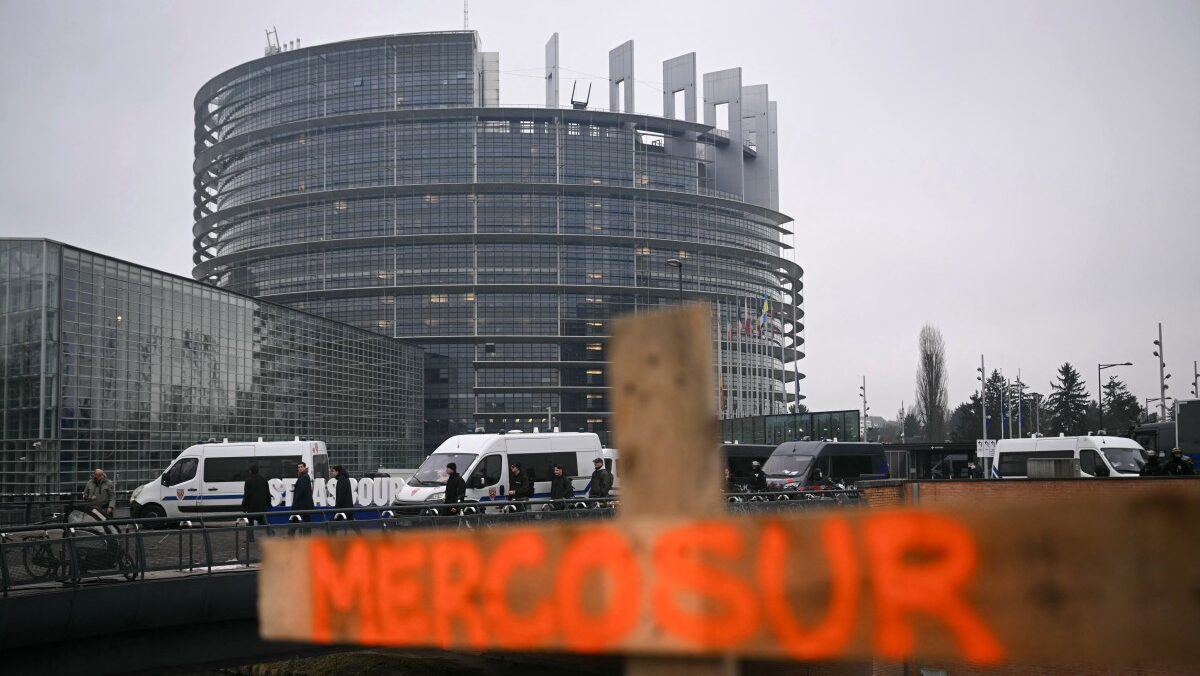
In Strasbourg, the European Parliament committed an almost subversive act: it did its job.
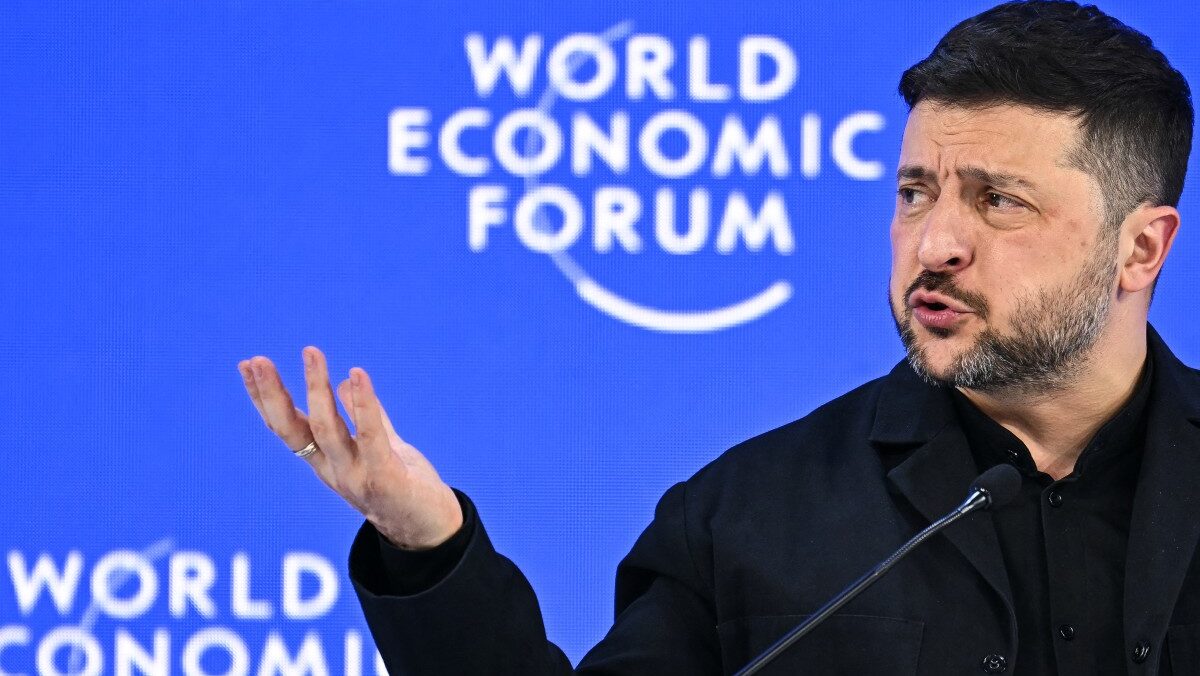
The Commission’s strategy to integrate Ukraine strains the EU’s internal unity and fuels criticism over an institutional double standard.
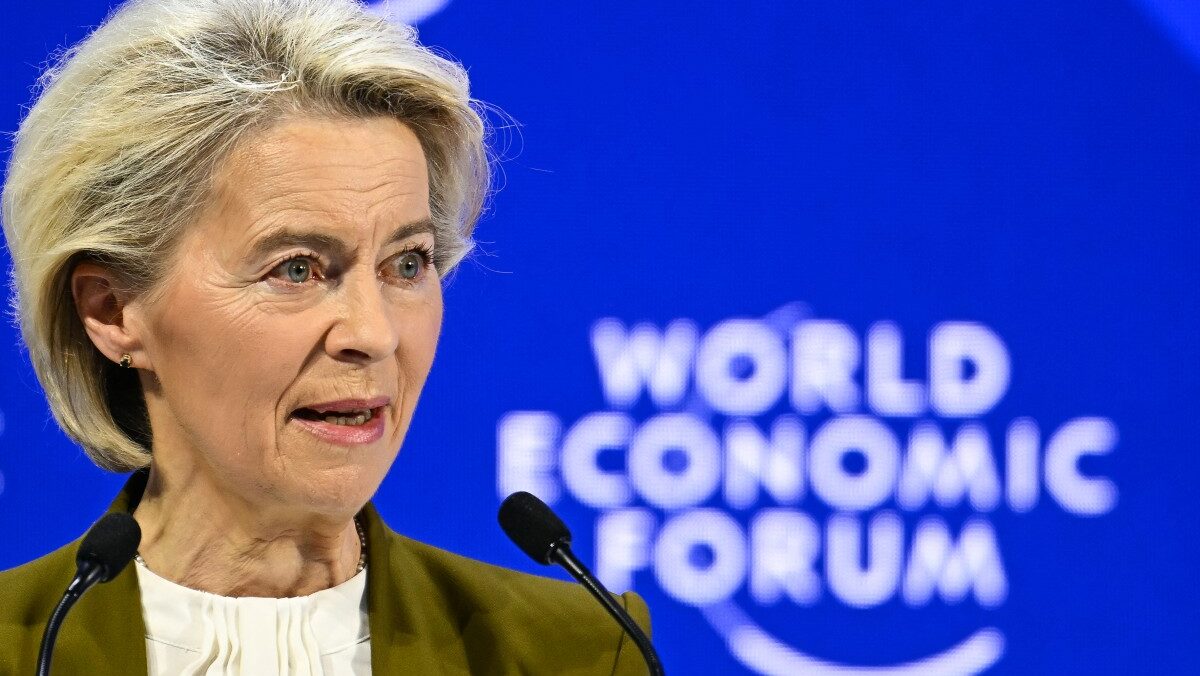
The continuity at the top of the Commission only highlights the EU’s inability to conclude the increasingly contested Mercosur trade agreement.