
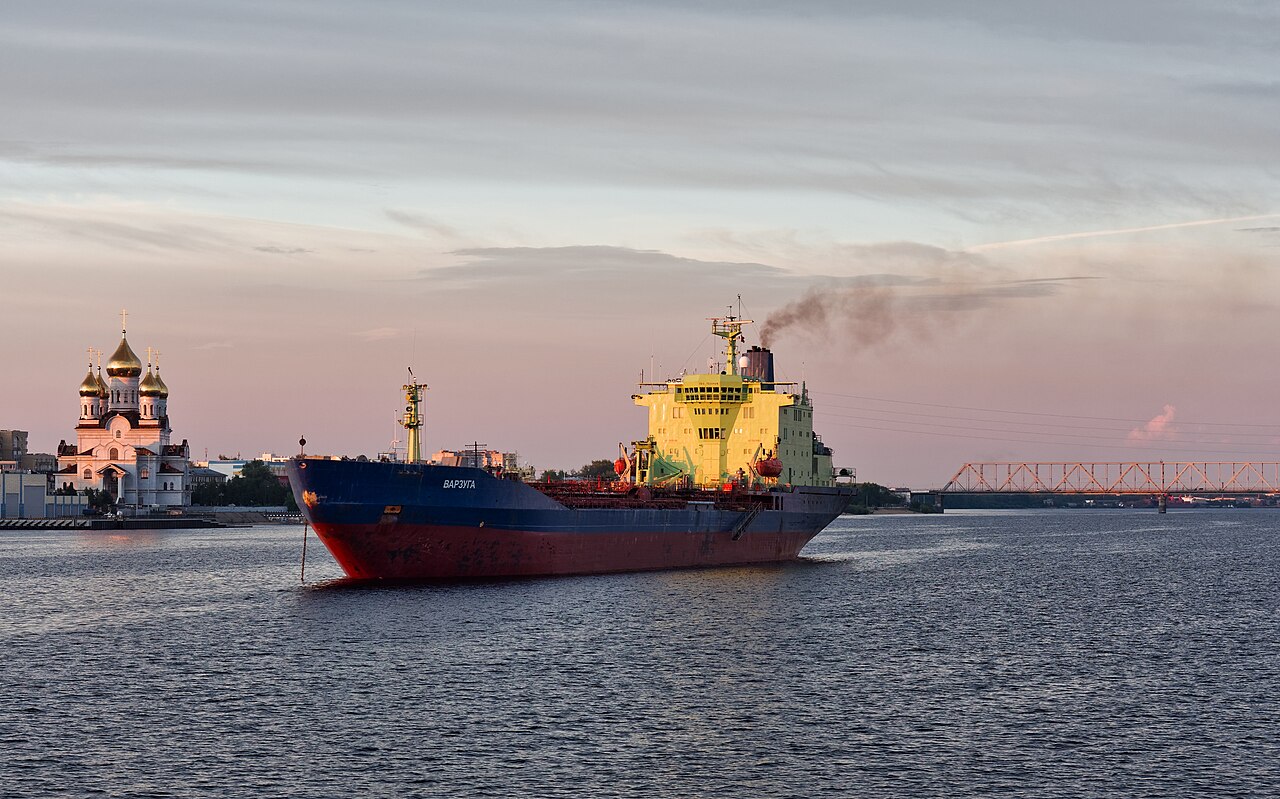
EU Delays Plan To Permanently Ban Russian Oil Imports
The disruption of supply caused by the Israeli-U.S. war on Iran has caused oil prices to skyrocket.

The disruption of supply caused by the Israeli-U.S. war on Iran has caused oil prices to skyrocket.
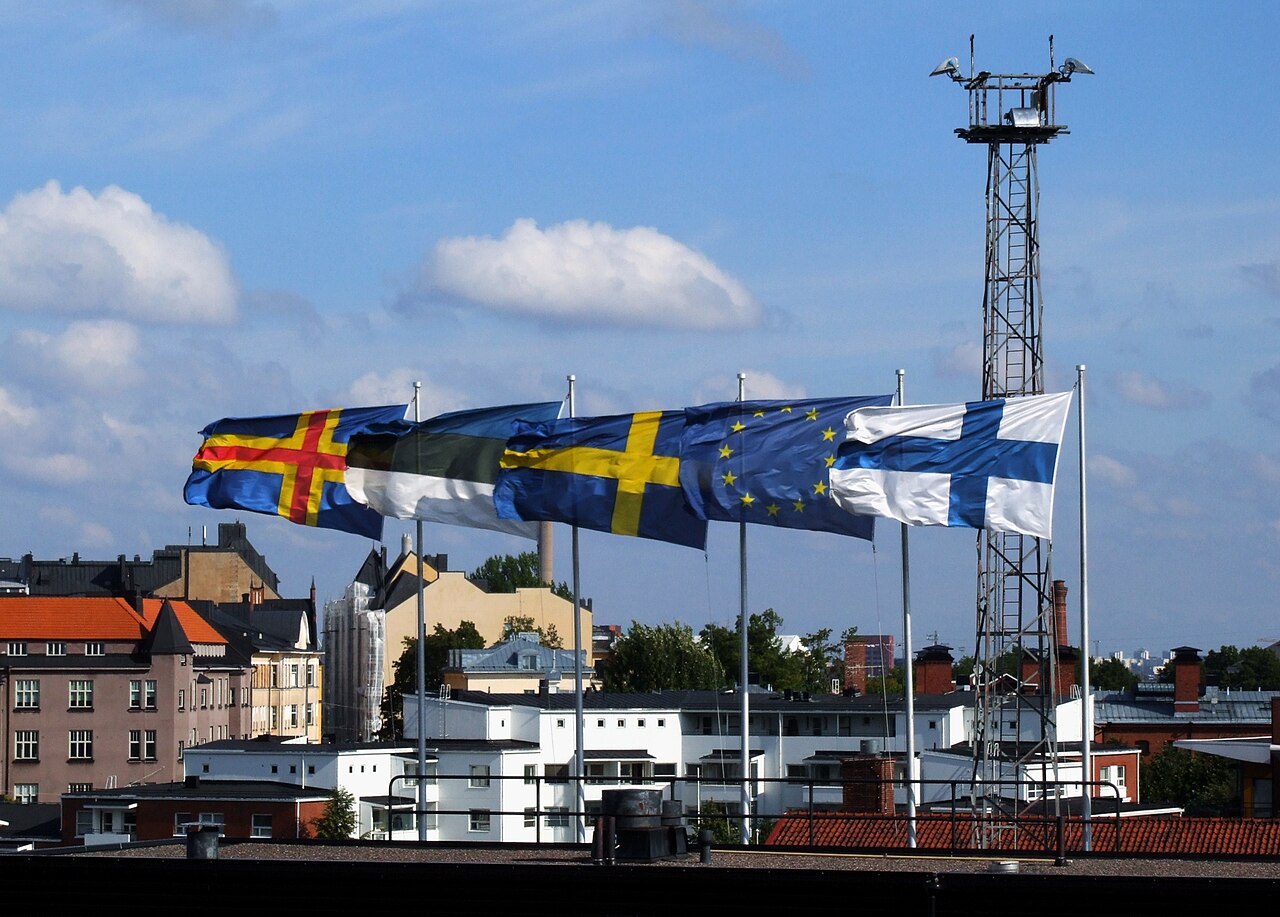
Finnish officials claim undertrained crews and aging ships pose a greater risk to undersea cables than Moscow.
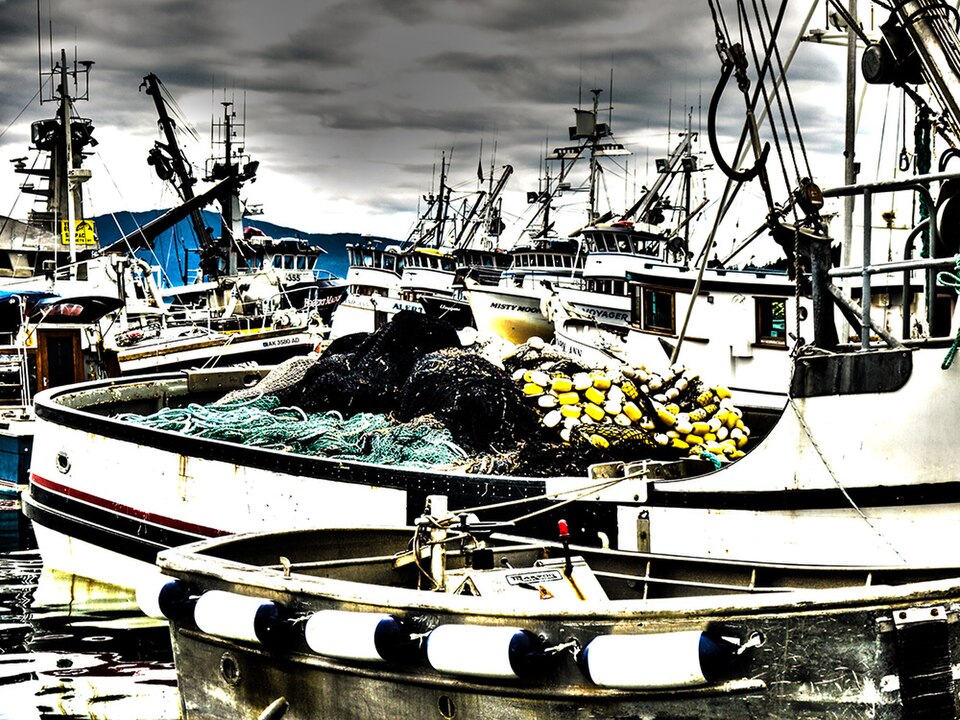
Registration documents from the Comoros Islands did not convince local authorities that Sea Owl One was not part of Moscow’s maritime machinations.
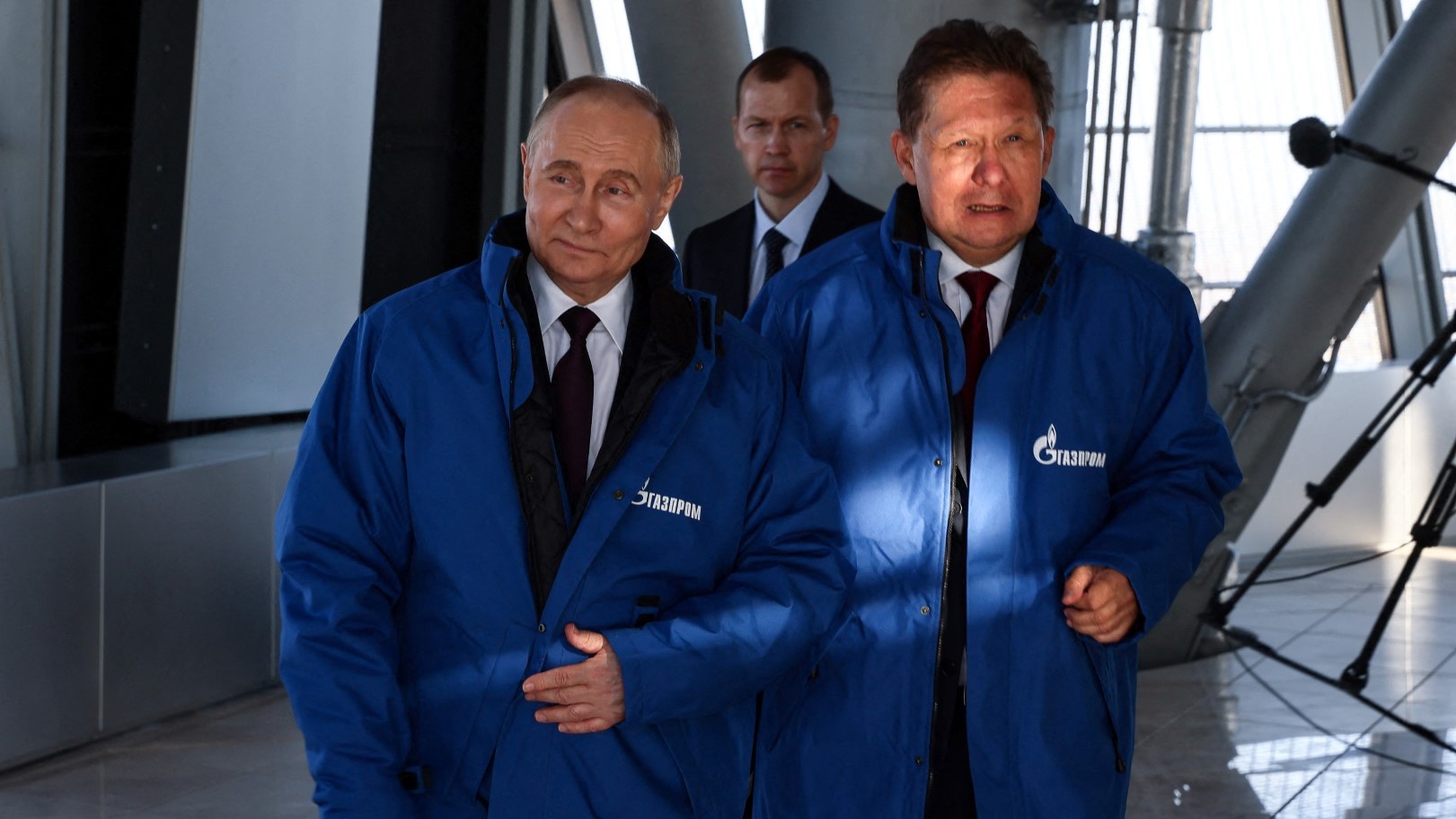
Sanctions have reduced the Kremlin’s margins, but they have neither curbed its exports nor eased Europe’s energy crisis.

One former MEP described the bloc as starting to look like North Korea.

The Hungarian foreign minister warns that without cooperation with Russia, Hungary’s affordable energy system could be put at risk.
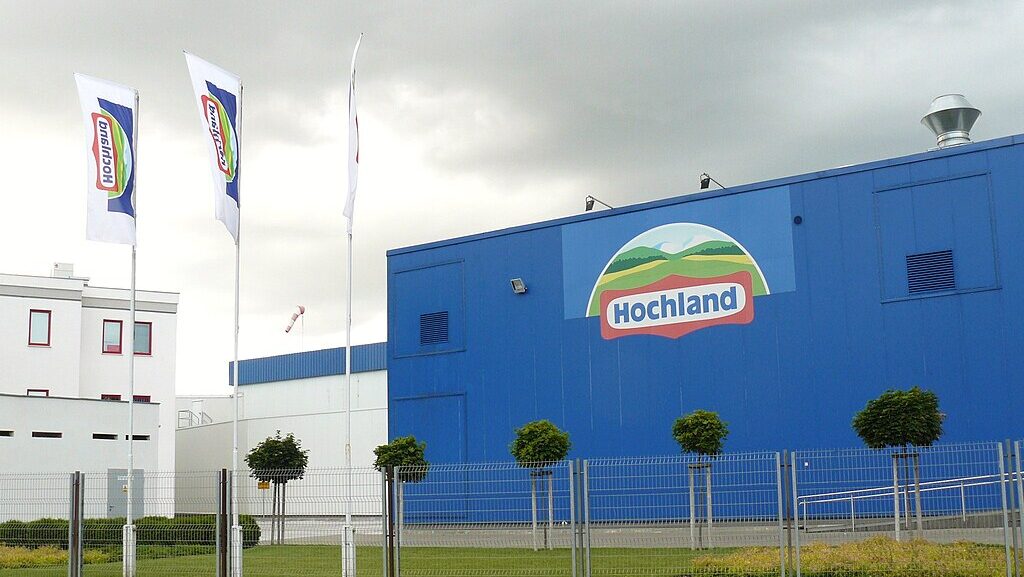
International companies have contributed over €51 billion in taxes to Russia since early 2022, with German firms among the largest contributors.

If the EU’s defence of international law is selective, if it depends on the political convenience of the moment, then its claim to represent a “community of values” becomes fragile indeed.
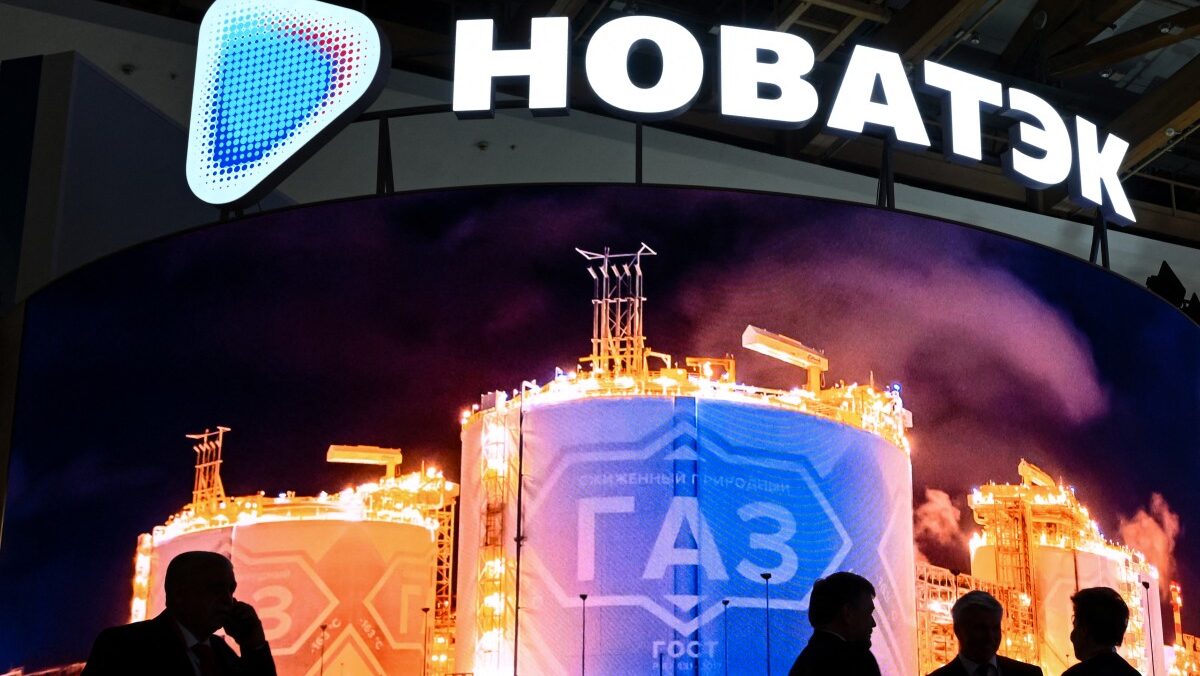
Brussels and Washington unveil new measures targeting the Kremlin’s energy core in a bid to force an end to the war in Ukraine.

Under a new sanctions package, EU officials aim to stop Moscow’s visiting representatives from “manipulating public opinion.”