
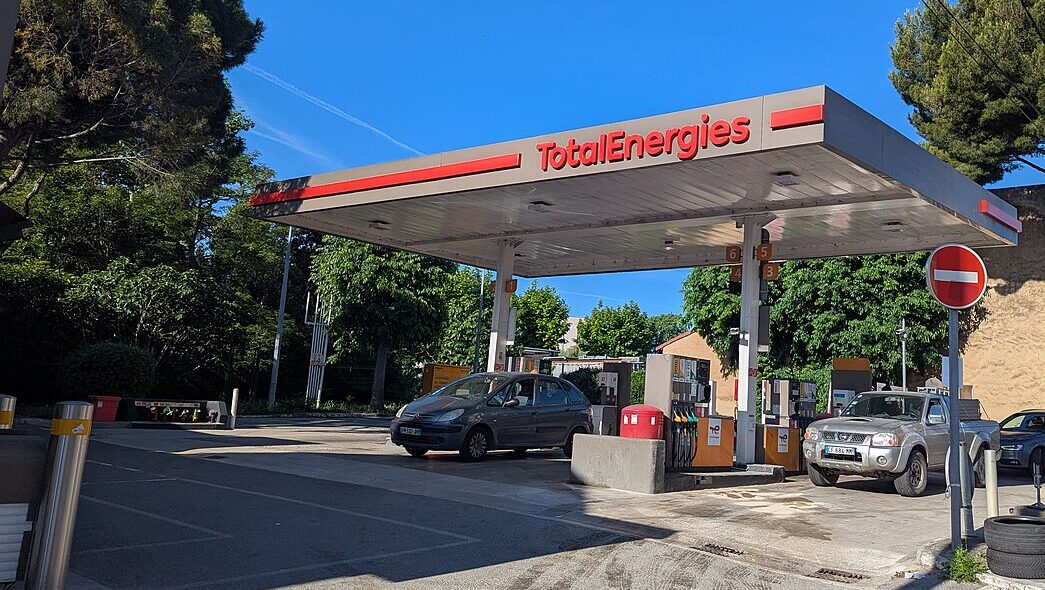
France’s Fuel Shortages Expose Europe’s New Energy Crisis
Three years after reducing its dependence on Russian gas, Europe is still heavily dependent on imported oil and on strategic routes. The supplier may have changed. The dependence has not.

Three years after reducing its dependence on Russian gas, Europe is still heavily dependent on imported oil and on strategic routes. The supplier may have changed. The dependence has not.
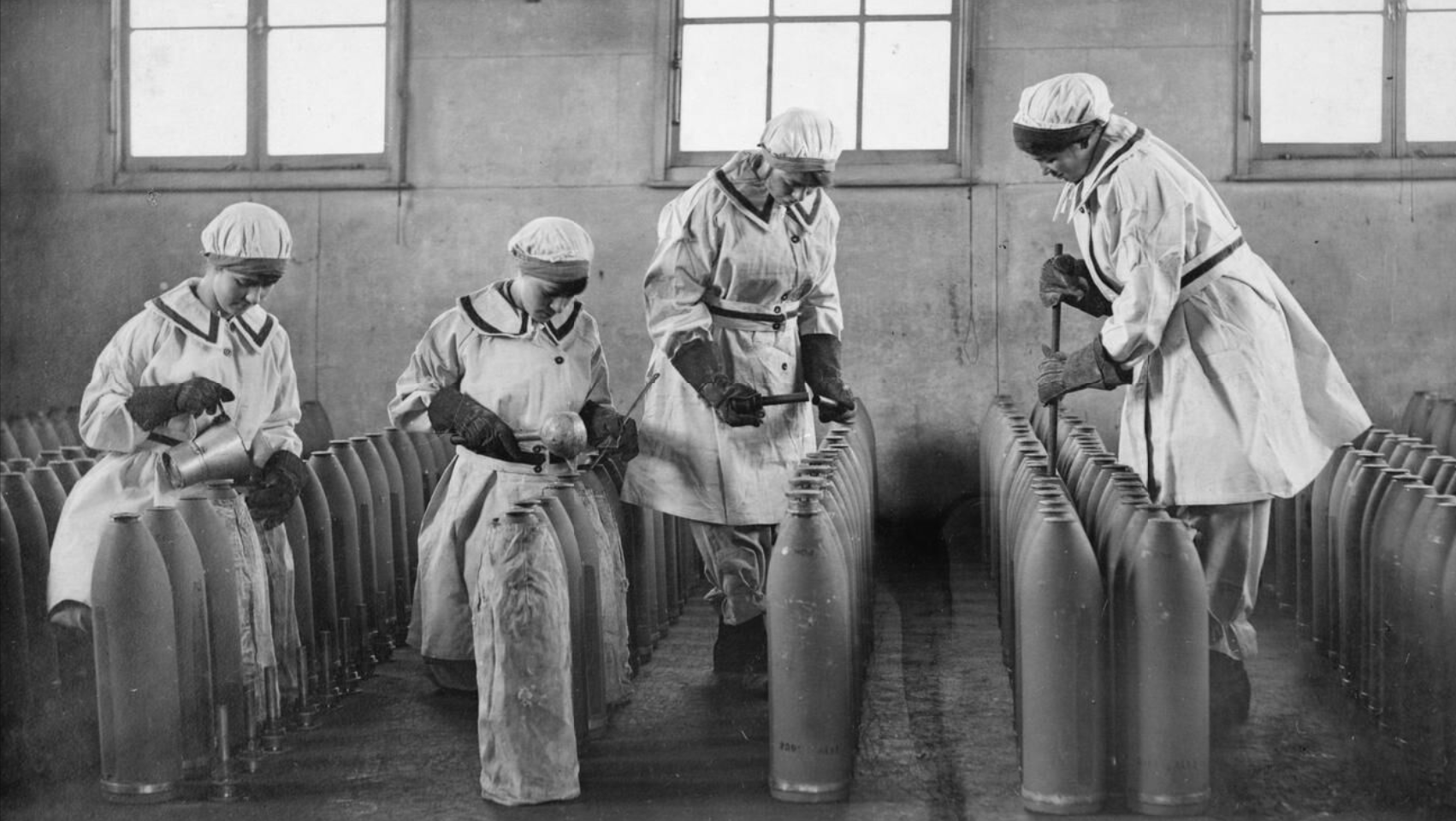
More and more signs indicate that Europe is preparing for a large-scale war. Have the planners considered the enormous economic destruction that would follow?

The statue is a daily reminder that we are in the midst of a reconquest—in the United States, and, of course, in Europe.

The former adviser to the World Bank and the IDB believes the crisis will normalize within weeks, but will leave Europe weaker and more dependent.
The crisis in the Middle East is pushing up oil and gas prices and forcing the EU to face the consequences of its expensive and unstable energy system.
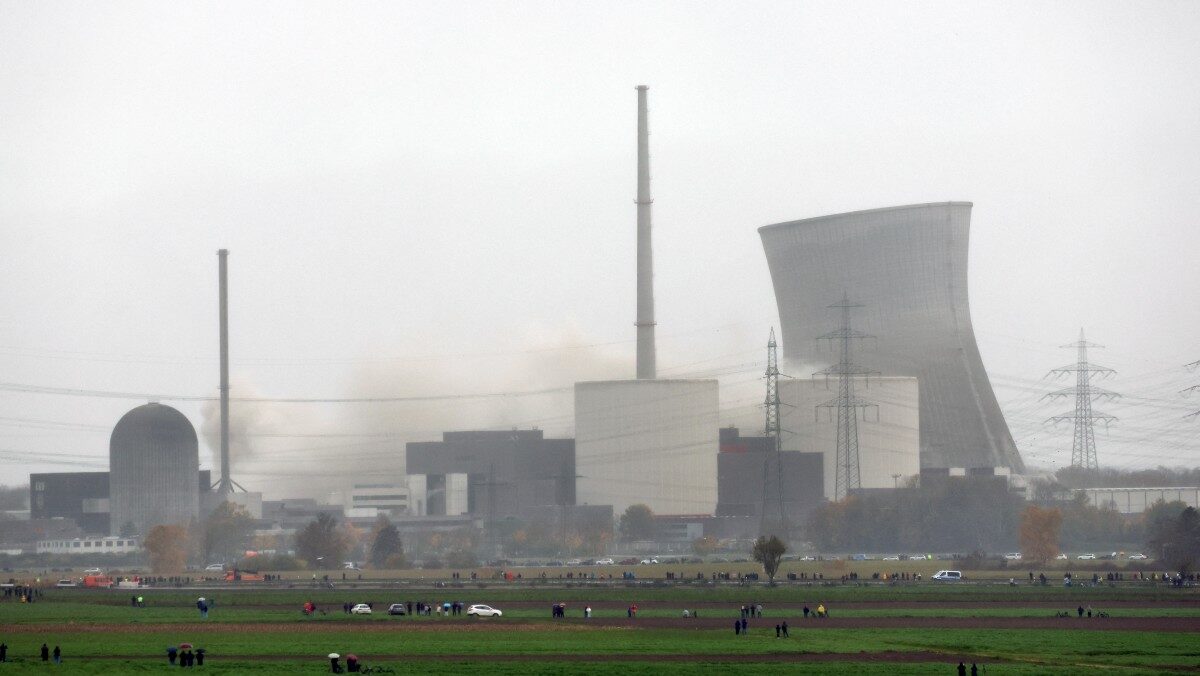
To simultaneously obliterate Germany’s nuclear sector and to cut off energy ties with Russia wasn’t simply foolish—it was self-sabotage of the highest and most unforgivable order.
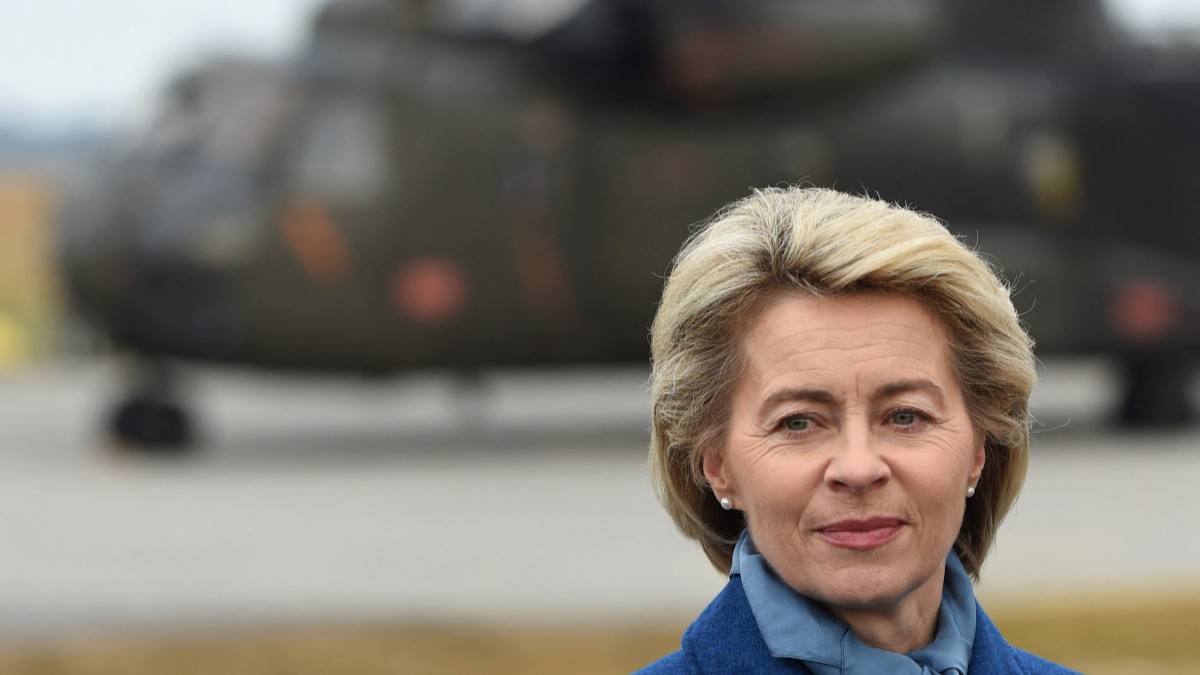
At the same time, Germany has overtaken China to become the fourth largest arms exporter globally.
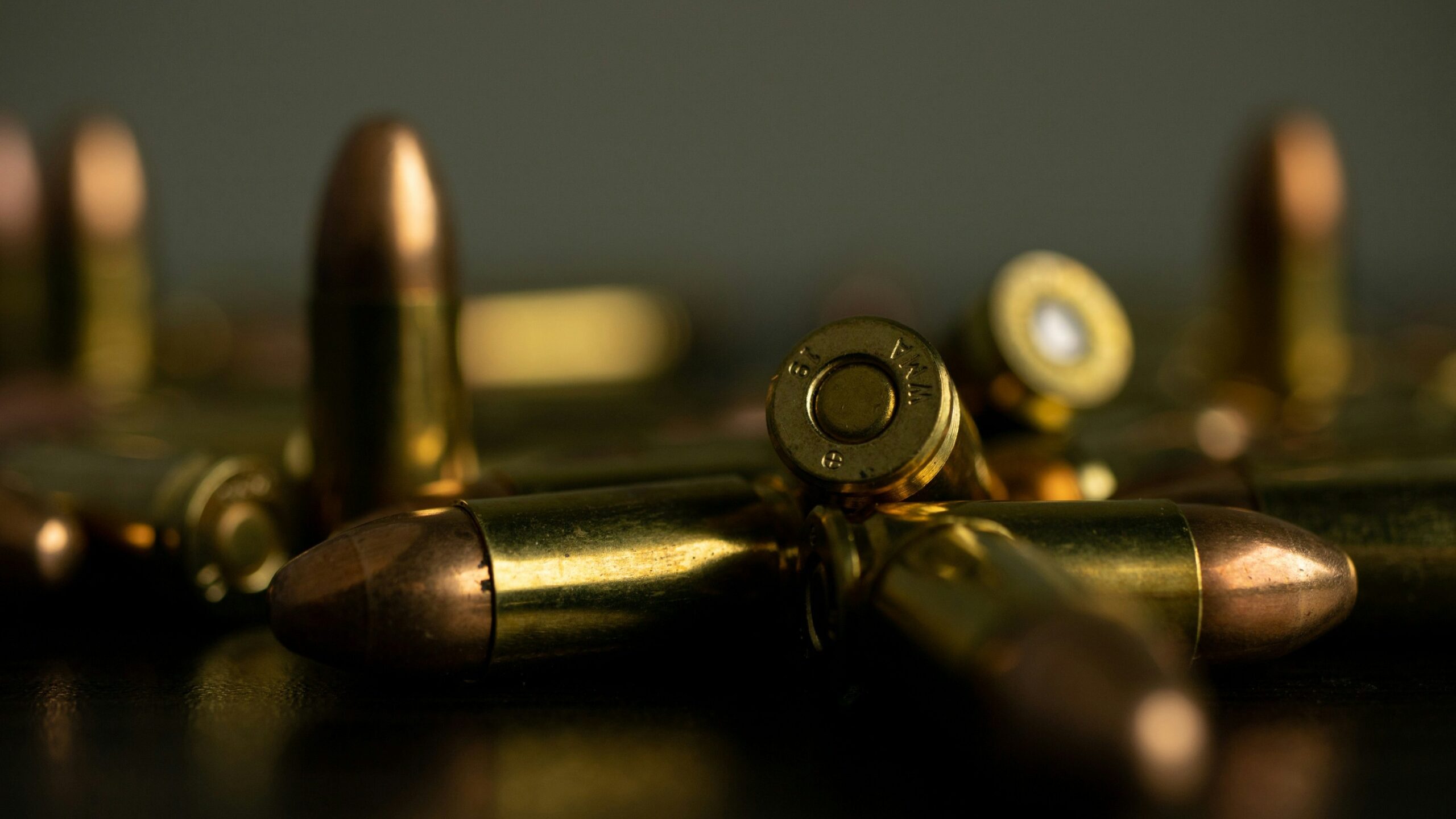
American arms deliveries to Europe soared 217%, while Ukraine became the largest recipient of major weapons over the past five years.
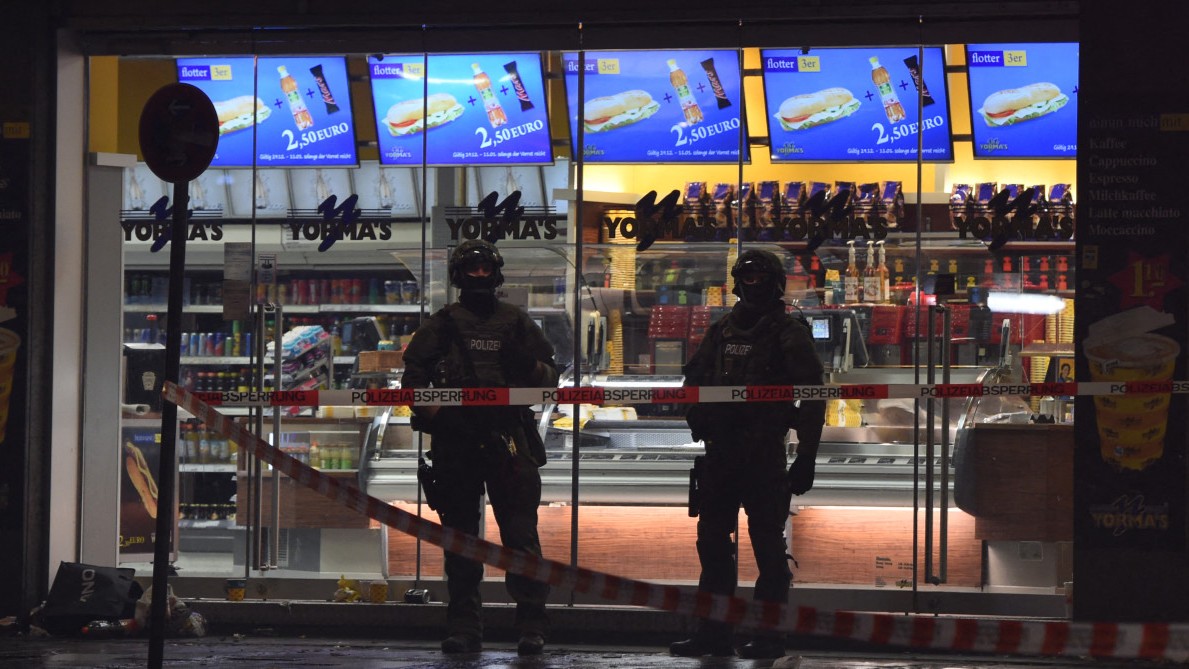
Several European governments have raised their alert levels in response to potential Iran-related terror attacks.
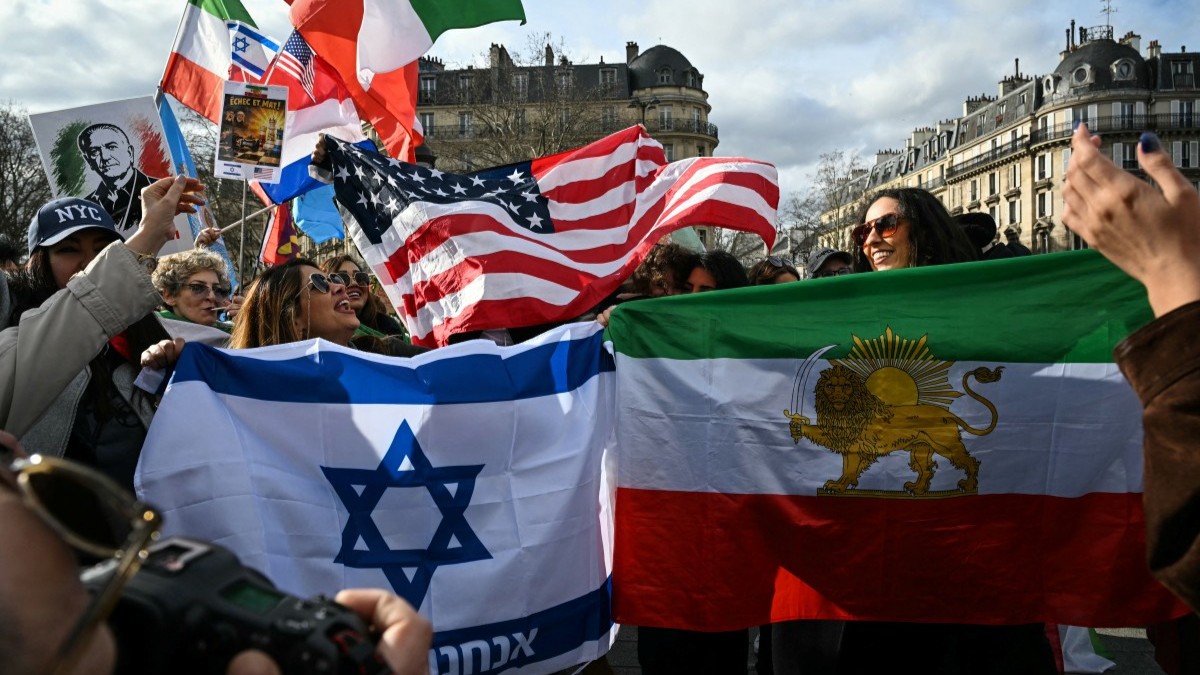
From Amsterdam to London and Berlin, Iranian communities held gatherings calling for freedom, justice, and a return to Iran’s former monarchy under Reza Pahlavi.