

Lagarde’s Rumoured Early Departure from ECB: Safeguard Against Electoral Risk in France?
France’s political calendar turns the European Central Bank succession into a strategic issue for the Franco-German axis.

France’s political calendar turns the European Central Bank succession into a strategic issue for the Franco-German axis.
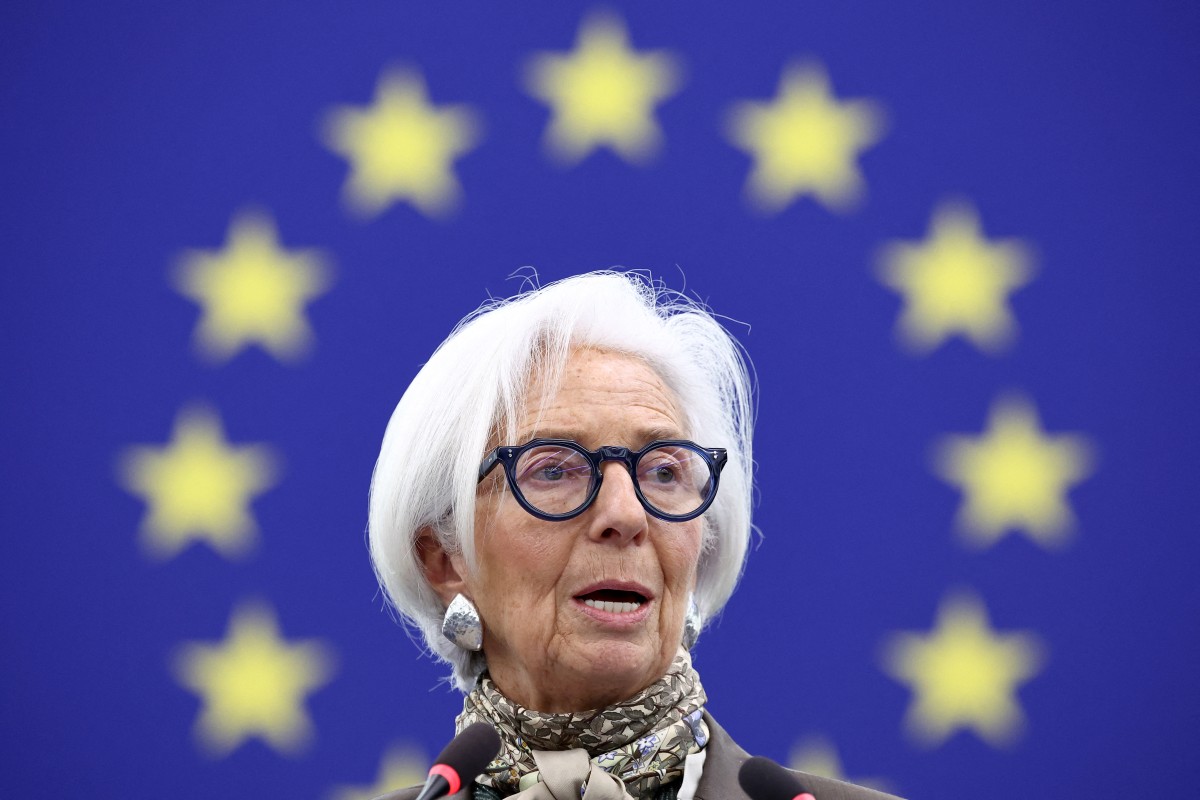
Unlike cash, a proposed ‘digital euro’ would create a permanent record of every transaction, purchase, and financial activity.
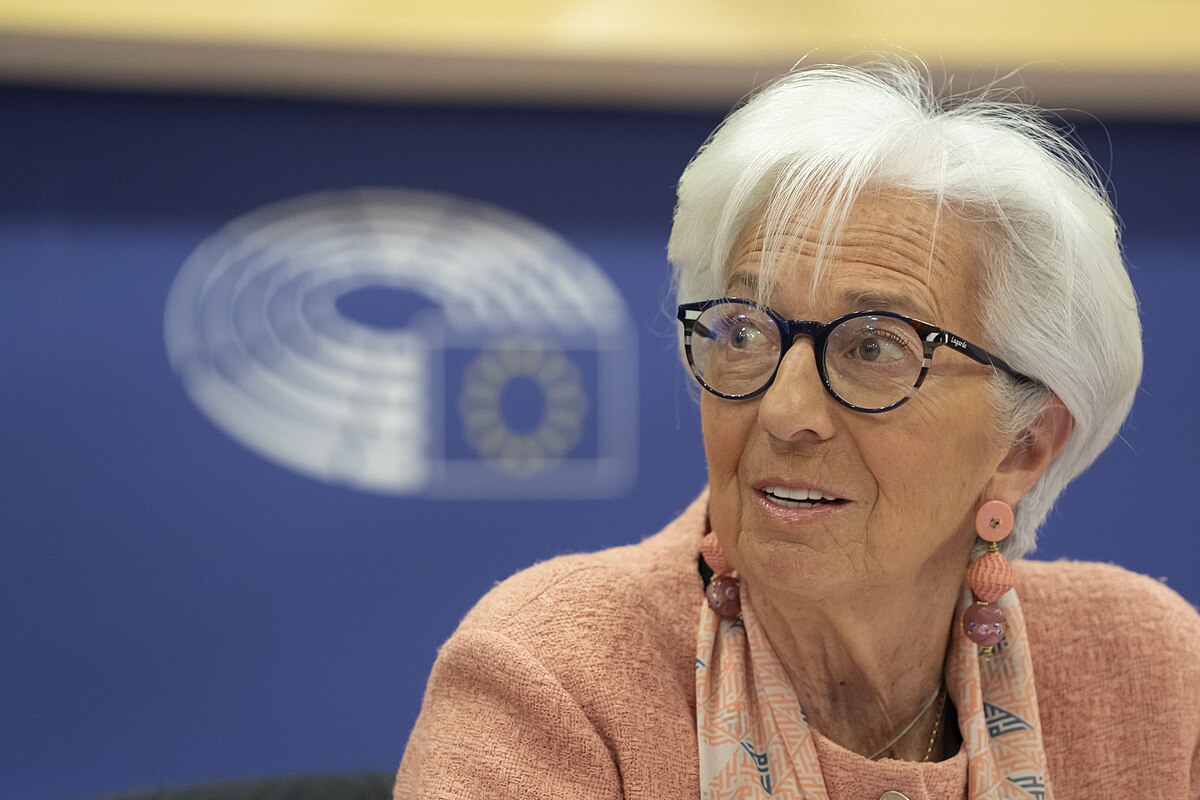
Christine Lagarde’s total 2024 earnings reached approximately €726,000, around 56% above her official ECB salary of €466,000.

Brussels’ scheme to use frozen Russian assets is faltering as the ECB rejects a backstop and key EU leaders push back.
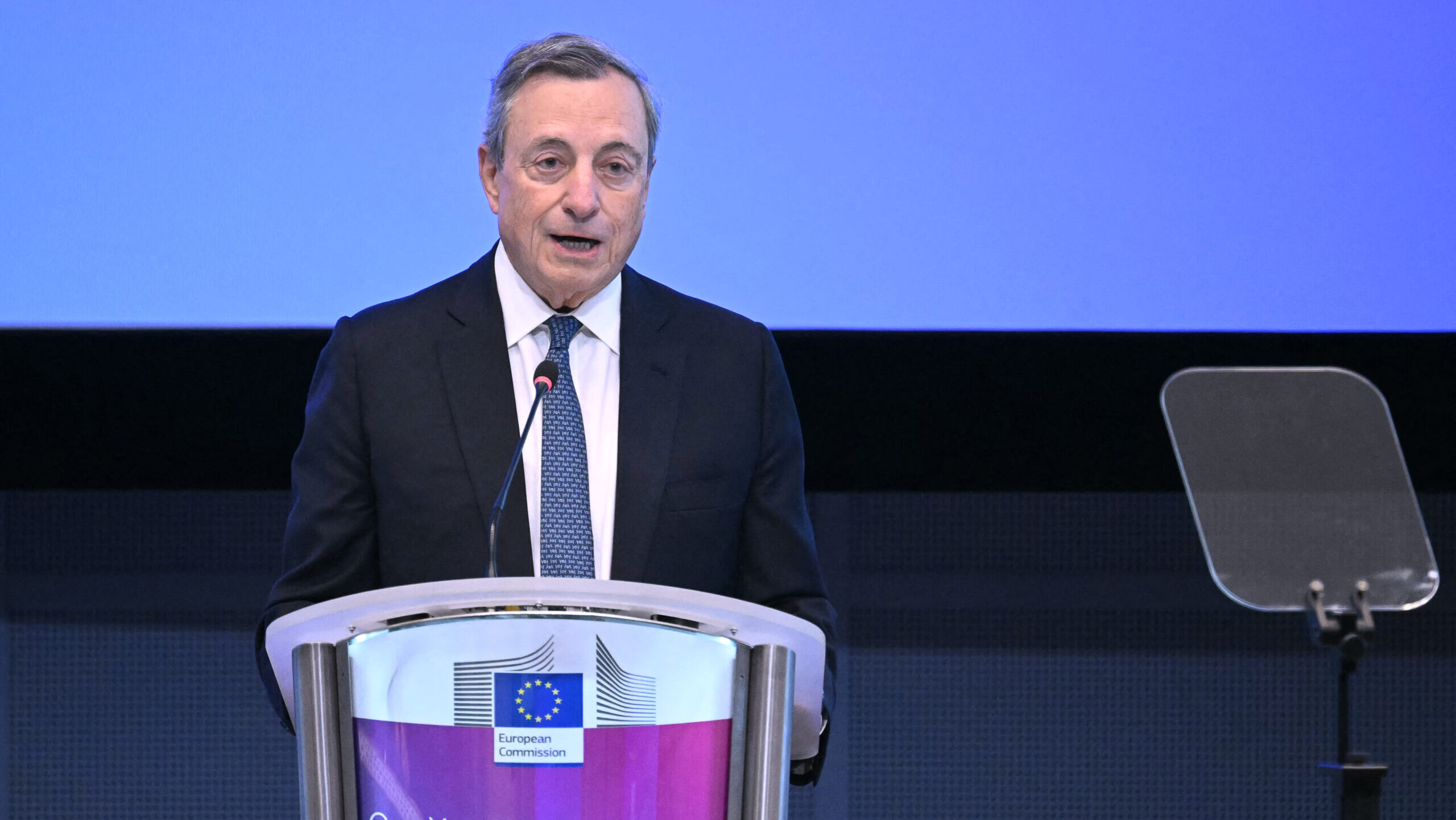
With global rivals racing ahead, Mario Draghi demands urgent reforms on trade, AI, and competitiveness.
As trust in fiat currencies fades, central banks return to the world’s oldest safe haven.

Nine EU states are now in a recession. The ECB can help the continent ease the downturn, but they are up against bigger forces of economic stagnation.
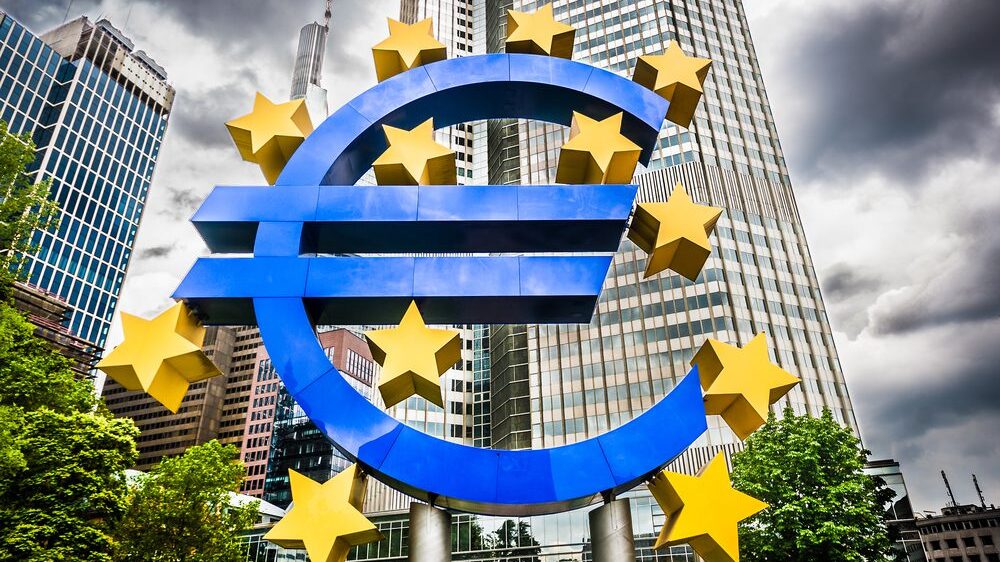
“The name of the game is containment now,” German MEP Markus Ferber said, referring to the fear that’s spreading faster than the actual problem.

The Federal Reserve and the European Central Bank both foresee having to continue raising interest rates significantly to roll back inflation to 2%.
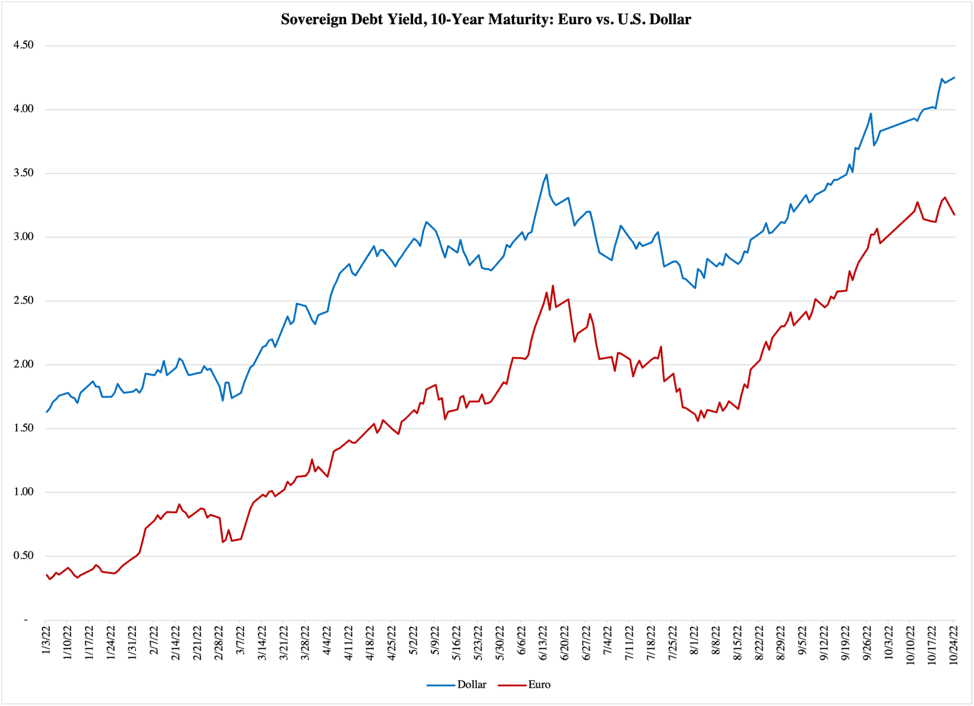
Inflation is of major concern, according to the ECB.