
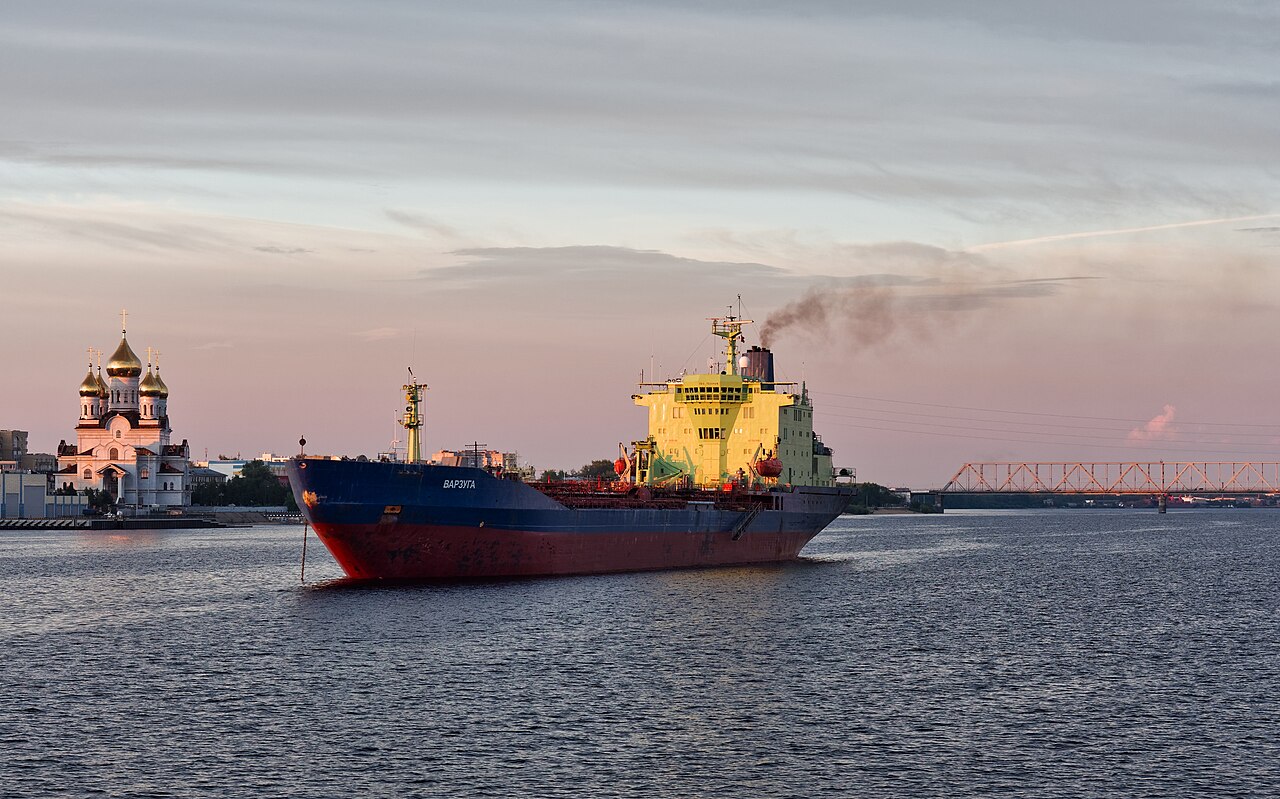
EU Delays Plan To Permanently Ban Russian Oil Imports
The disruption of supply caused by the Israeli-U.S. war on Iran has caused oil prices to skyrocket.

The disruption of supply caused by the Israeli-U.S. war on Iran has caused oil prices to skyrocket.

Brussels promises export gains and access to critical minerals, but national divisions are resurfacing as governments weigh the impact on agriculture.
Brussels presses ahead with the South American pact, resisting court pressures and political opposition.
A former security service officer has stressed that “we know where he lives.”

Fearing a fresh surge in energy prices, Brussels is fast-tracking a new cooperation framework with Baku that extends beyond gas into defense and security.

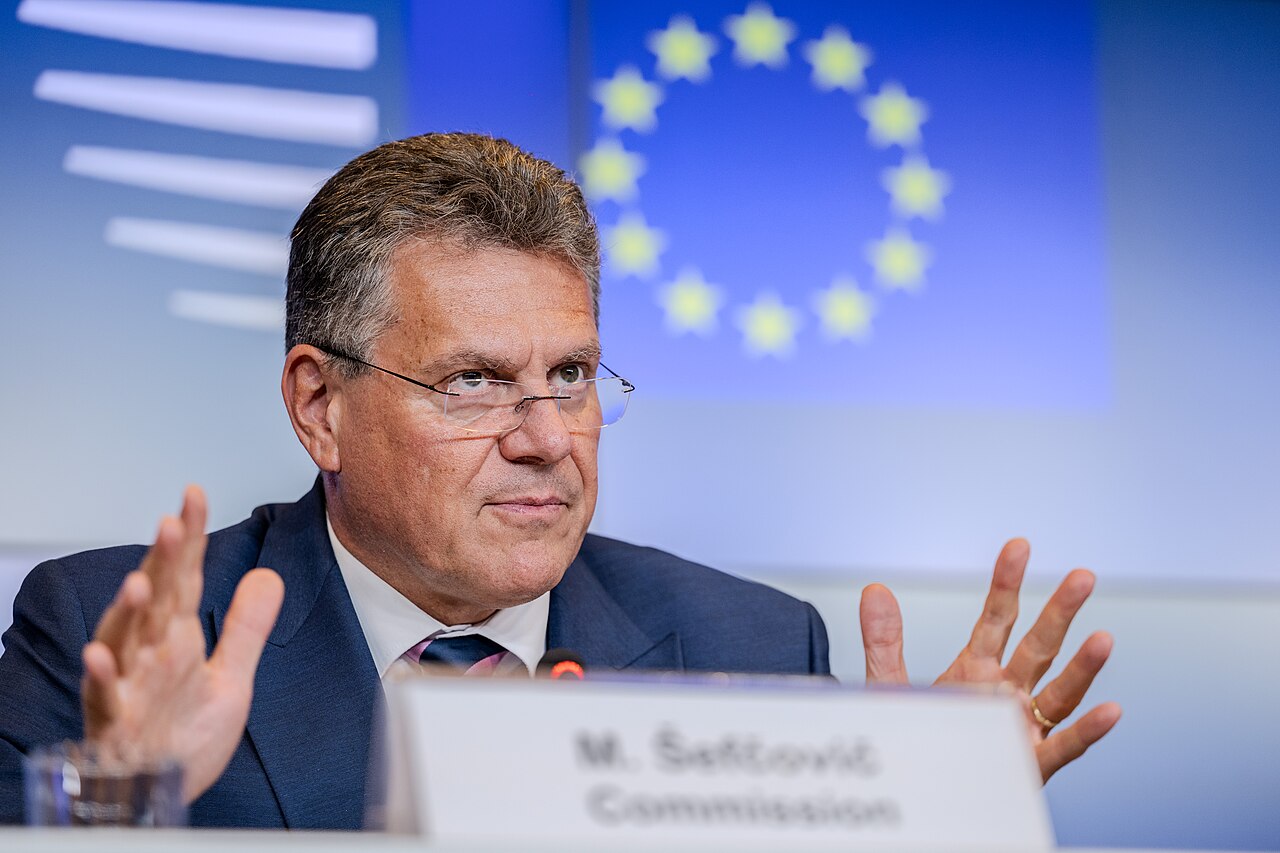
Brussels plans new energy measures, including a €200 million guarantee to boost nuclear innovation investments.
According to Iuliia Mendel, the Ukrainian leadership’s communication could jeopardise the country’s international support.

The plan comes as Brussels expands its efforts to regulate online speech through cooperation with major tech platforms.

A new proposal means companies may need to meet EU local-content requirements in order to access subsidies or public contracts.
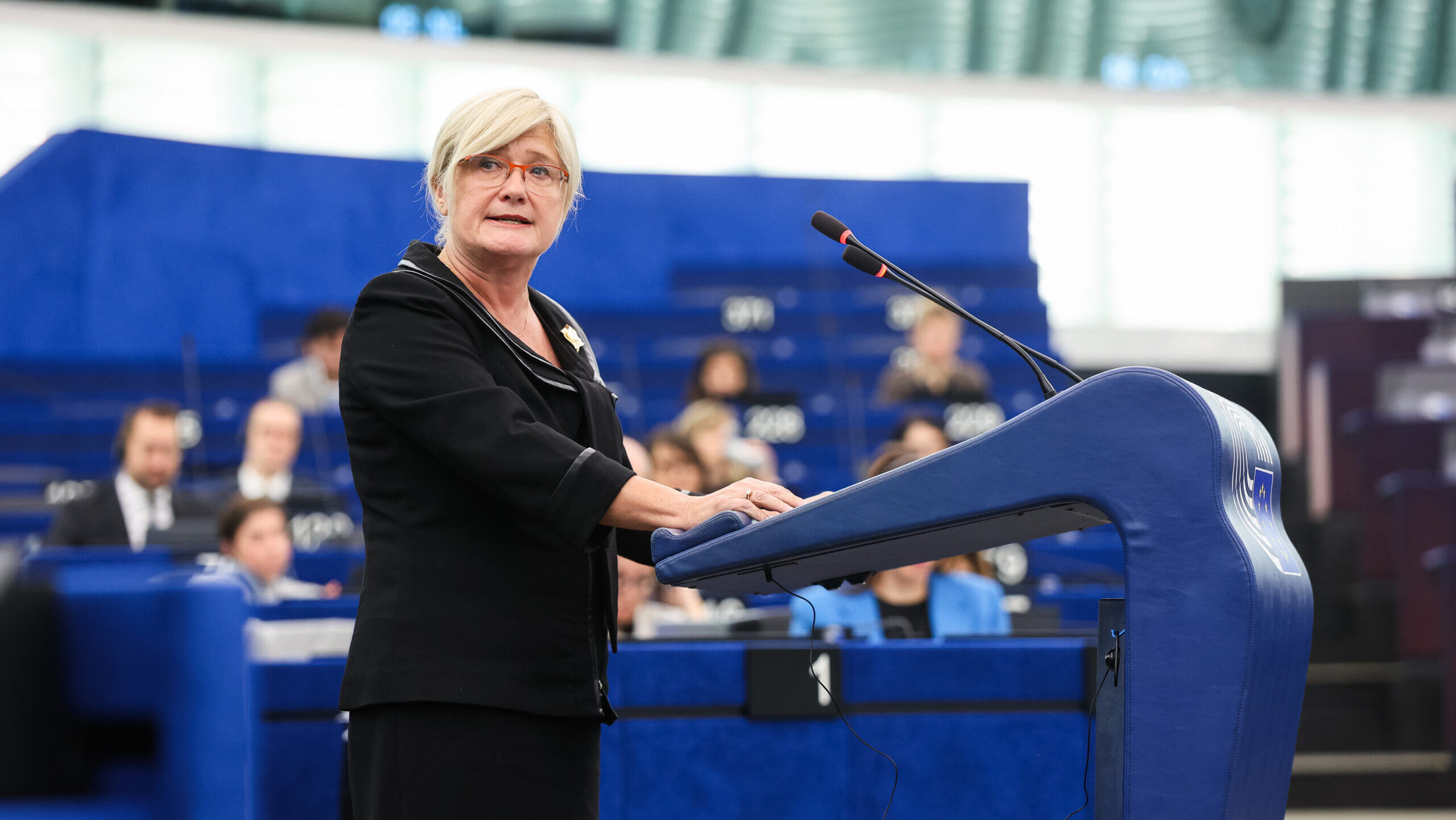
Patriots for Europe say Brussels pressured tech firms to police political speech during elections.