

EU Commission Will Implement Mercosur Deal Before EU Court Decision
Announcing the provisional application of the controversial deal, von der Leyen stressed it “can only be fully concluded once the European Parliament has given its consent.”

Announcing the provisional application of the controversial deal, von der Leyen stressed it “can only be fully concluded once the European Parliament has given its consent.”
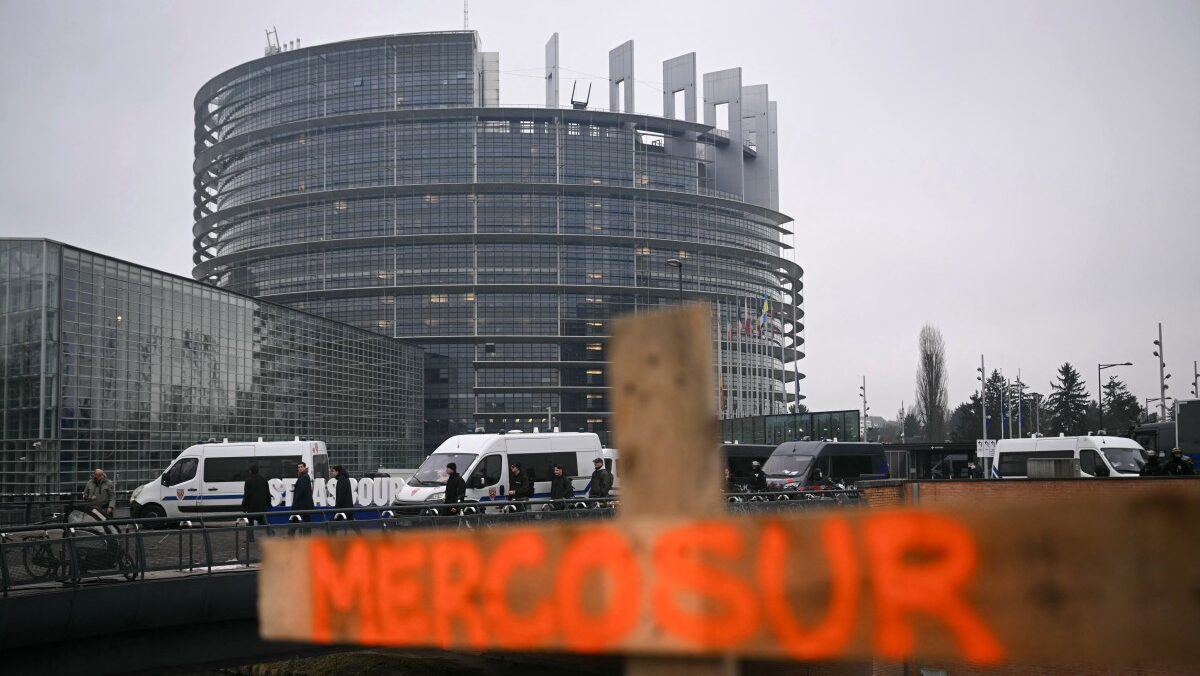
In Strasbourg, the European Parliament committed an almost subversive act: it did its job.
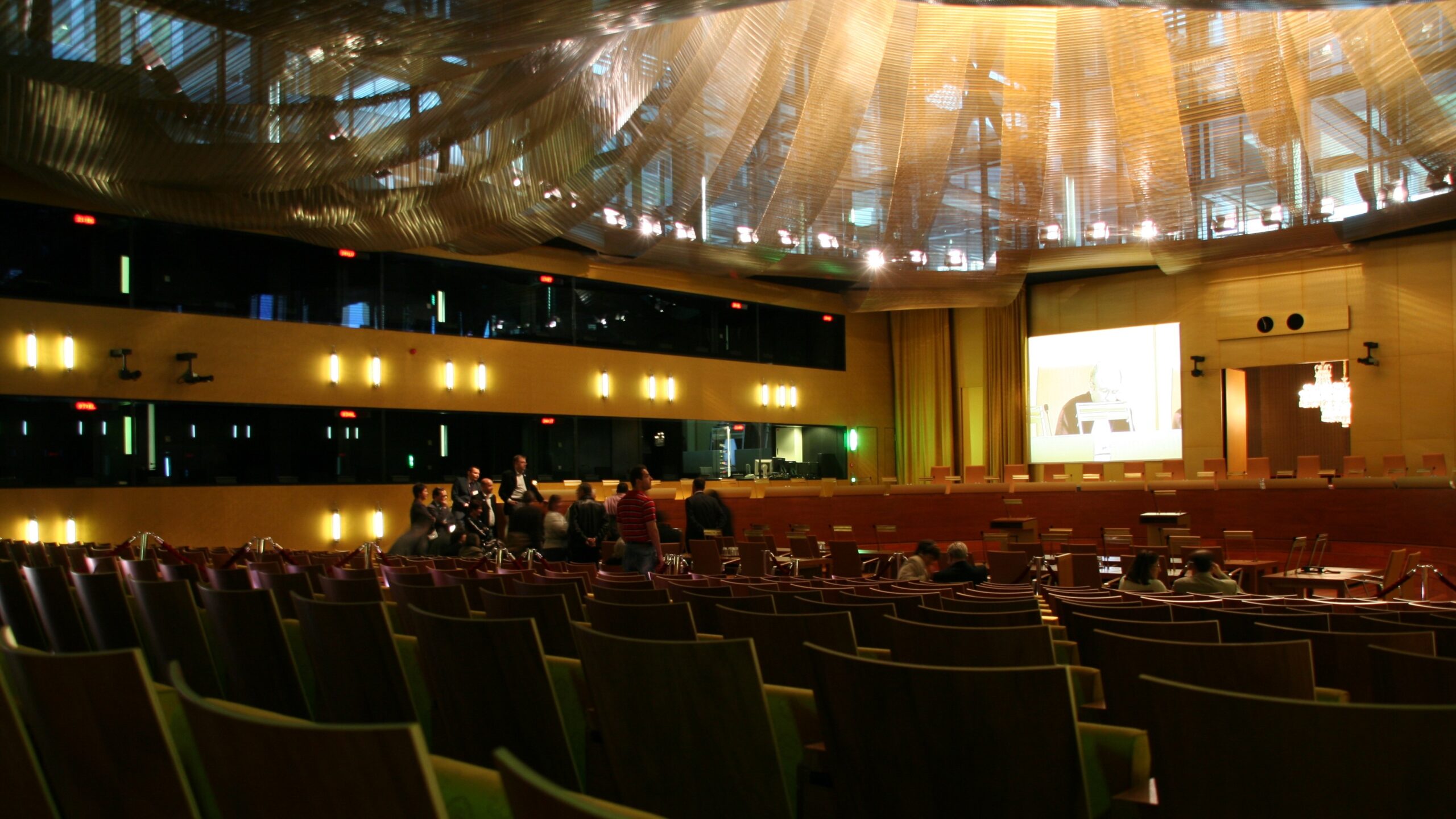
According to the EU court, Hungary violated European Union law by opposing the bloc’s agreed position on cannabis classification.
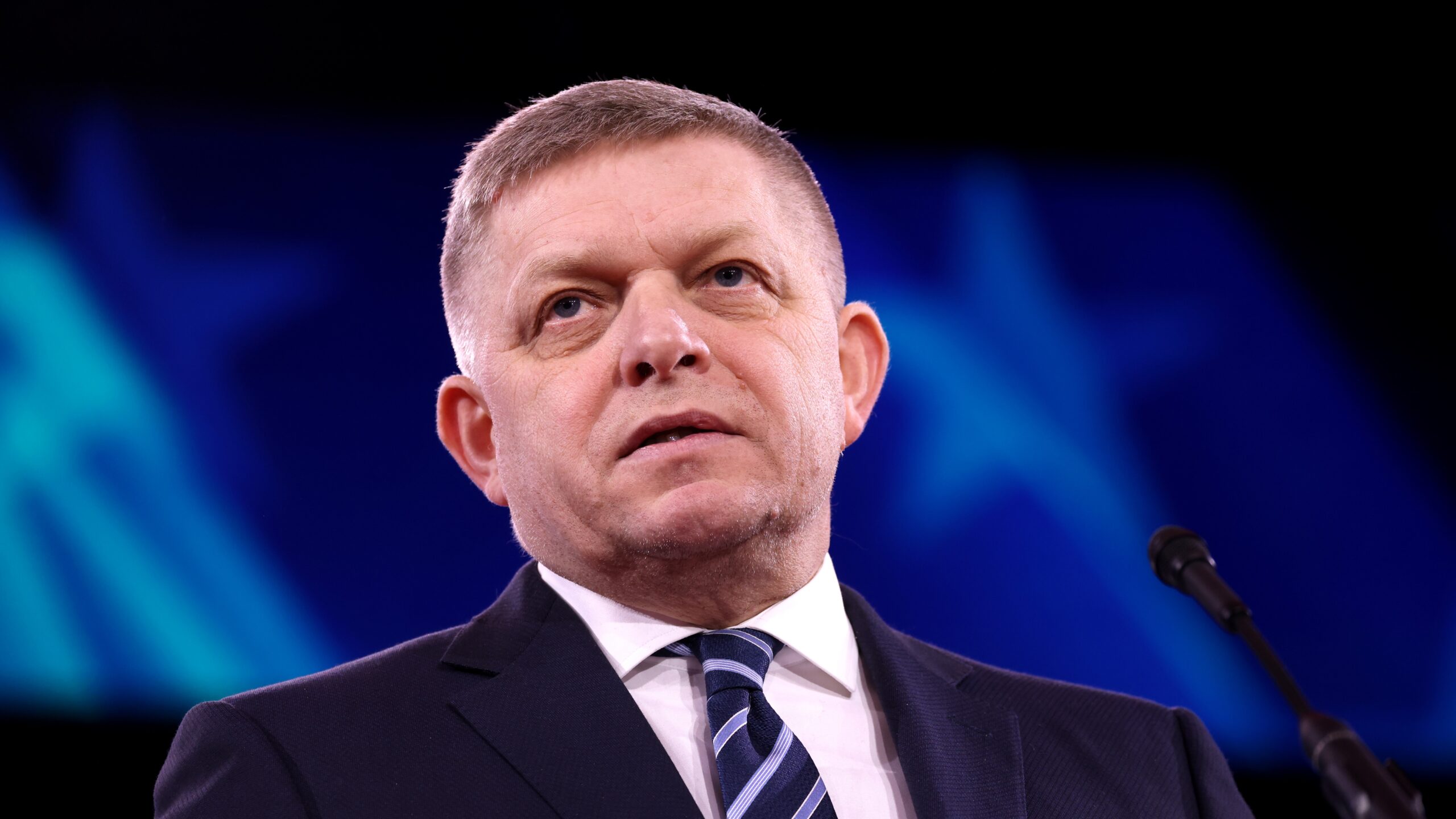
Prime Minister Robert Fico said Bratislava would challenge the EU’s plan to end imports of Russian natural gas, joining neighbouring Hungary in opposing the move.

The court said the fines imposed by the Commission over the Turow coal mine were preventive, ensuring Poland complies with interim measures and EU law.
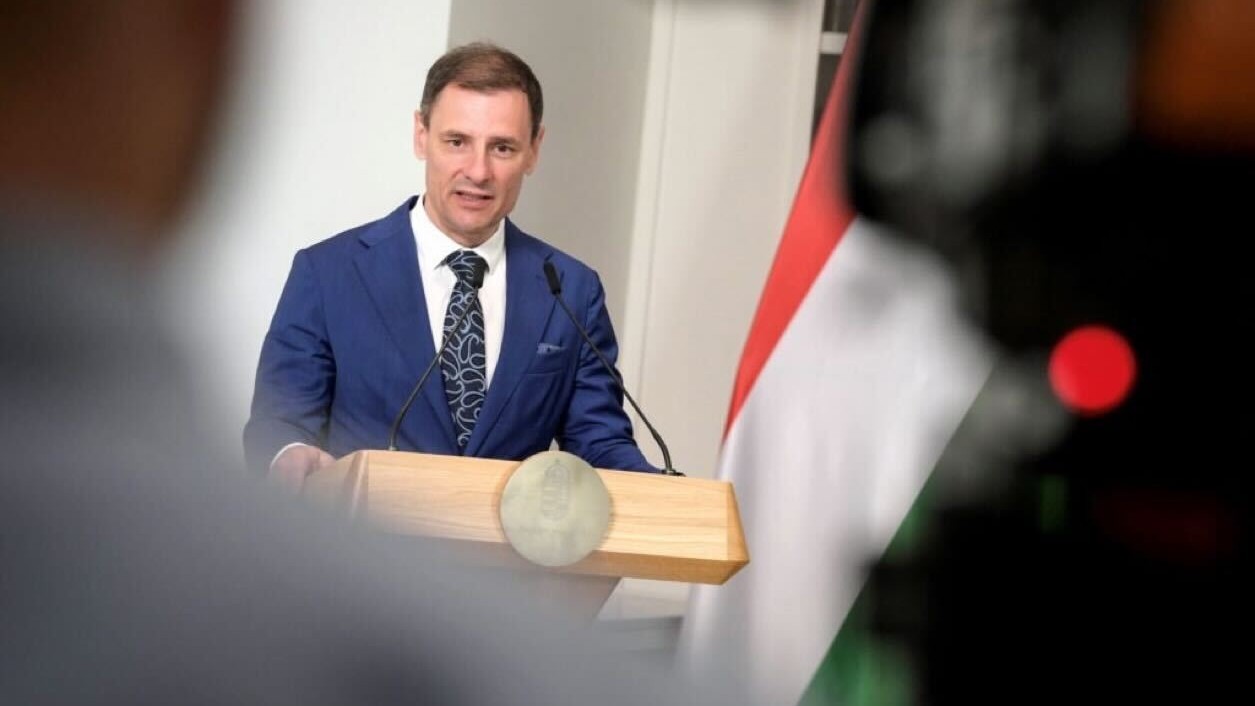
Hungarian Justice Minister Bence Tuzson said Budapest “will not allow Brussels to force it to accept migrants.”

Critics in Warsaw warn the ruling undermines the country’s constitution and opens the door to wider changes imposed from Brussels.

ECJ President Koen Lenaerts brands Hungary an “oligarchy,” blurring the line between justice and politics.

EU judges keep most of the minimum-wage directive in place.

The Advocate General found that Germany should not only pay for food and basic housing, but a much expanded package of services, including a cell phone and all medical bills too.