

Time to Reconsider the Death Penalty?
The State has no issue switching off life support for baby and granny but somehow has an attack of conscience when it comes to the Axel Rudakubanas of this world.

The State has no issue switching off life support for baby and granny but somehow has an attack of conscience when it comes to the Axel Rudakubanas of this world.

The committee claims it can’t accept more testimony on the highly controversial legislation “due to time constraints.”

“The only protection you as an individual have for all sorts of things that you may want to do in your life rests on Judeo-Christian morality.”

“When autonomy becomes the supreme value, eligibility for assisted suicide tends to expand over time.”

The French Left rejoices, without considering the adverse effects of this deadly law.
Suggesting alternatives to assisted suicide is now a crime punishable by two years in prison and €30,000 in fines under one of the world’s most extreme euthanasia laws.

Deterring a suffering loved one from receiving a lethal injection could earn you up to two years in prison and a €30,000 fine.
The Dutch government’s euthanasia oversight committee predicts that the curve of euthanasia deaths will continue to rise in the years to come.
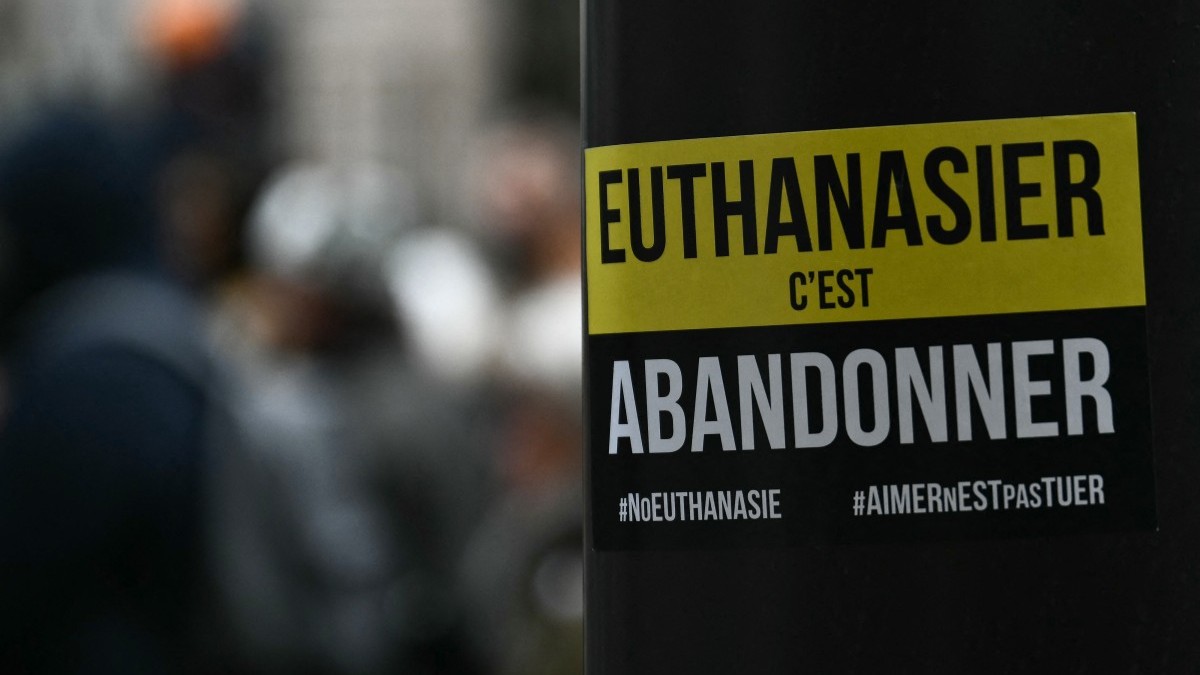
A recent survey indicates that 74% of French doctors would be in favor of allowing a form of “assisted dying.”

The current proposal lacks adequate safeguards and endangers doctors by threatening criminal charges for refusing to end patients’ lives.