

Pushing for Death: France’s Euthanasia Bill Is Back on Track
The current proposal lacks adequate safeguards and endangers doctors by threatening criminal charges for refusing to end patients’ lives.

The current proposal lacks adequate safeguards and endangers doctors by threatening criminal charges for refusing to end patients’ lives.

When governments set eligibility for euthanasia, they’re deciding whose lives are too valuable to end—and whose are deemed worthless enough to facilitate their death.
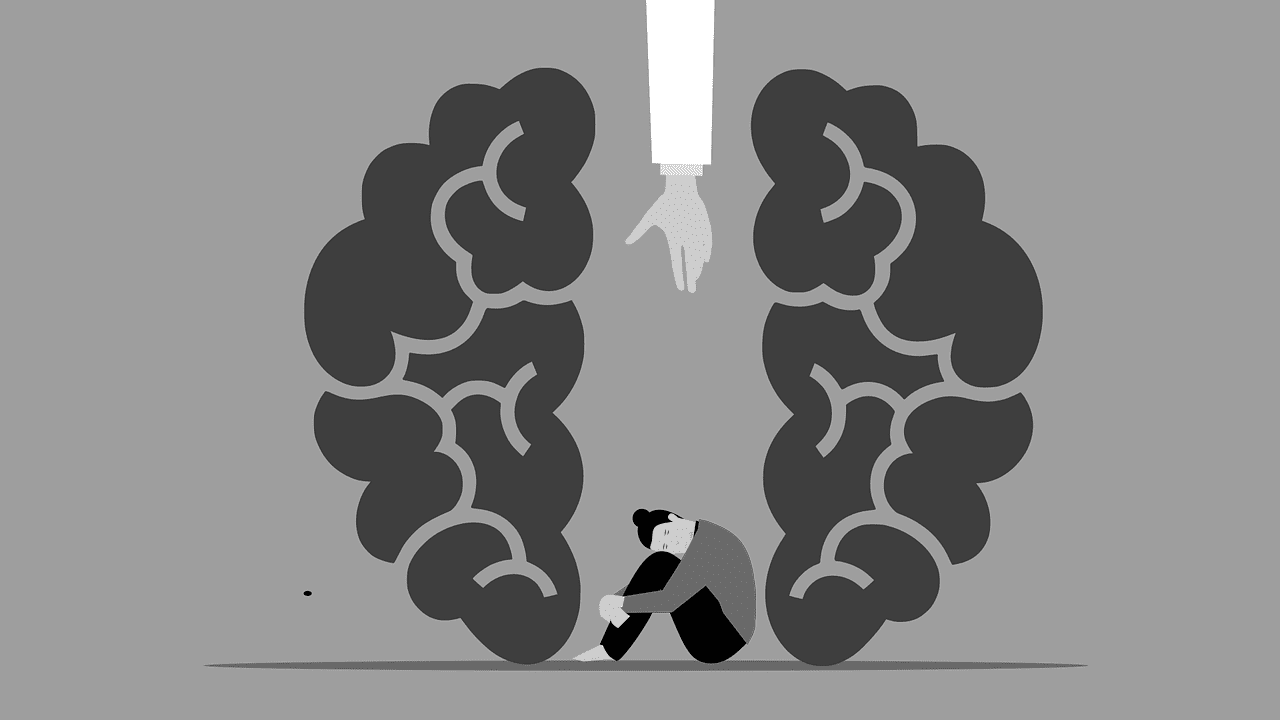
Wherever assisted suicide is legalized, family members are told that it is a tool that ends suffering. Their experience, however, tells a very different story.
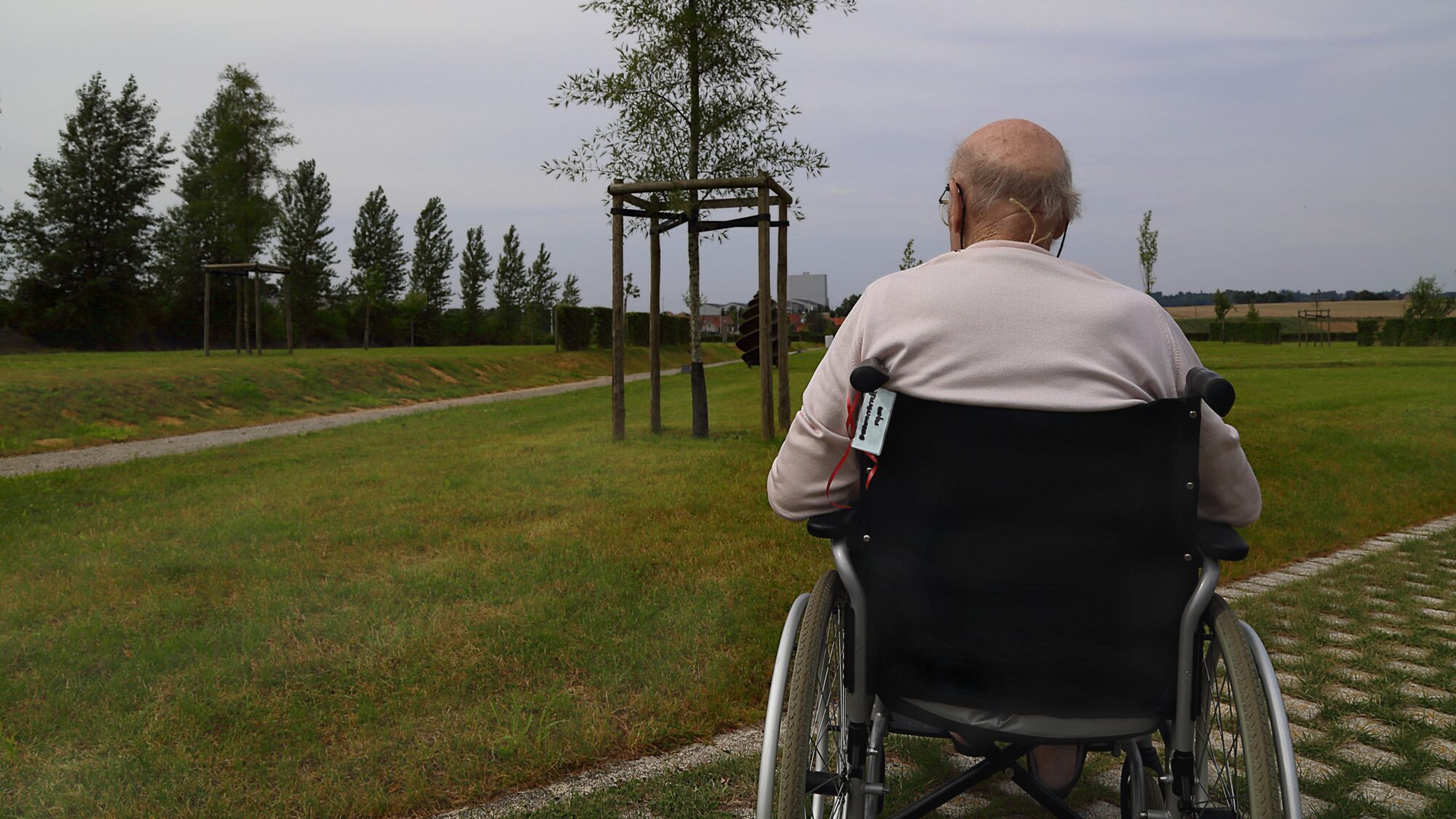
The End of Life Bill is hardly different from other euthanasia laws in Europe with few to no real safeguards for the most vulnerable.

PM says euthanasia “is a matter of conscience,” while palliative care is “society’s duty towards those who are going through this ordeal.”
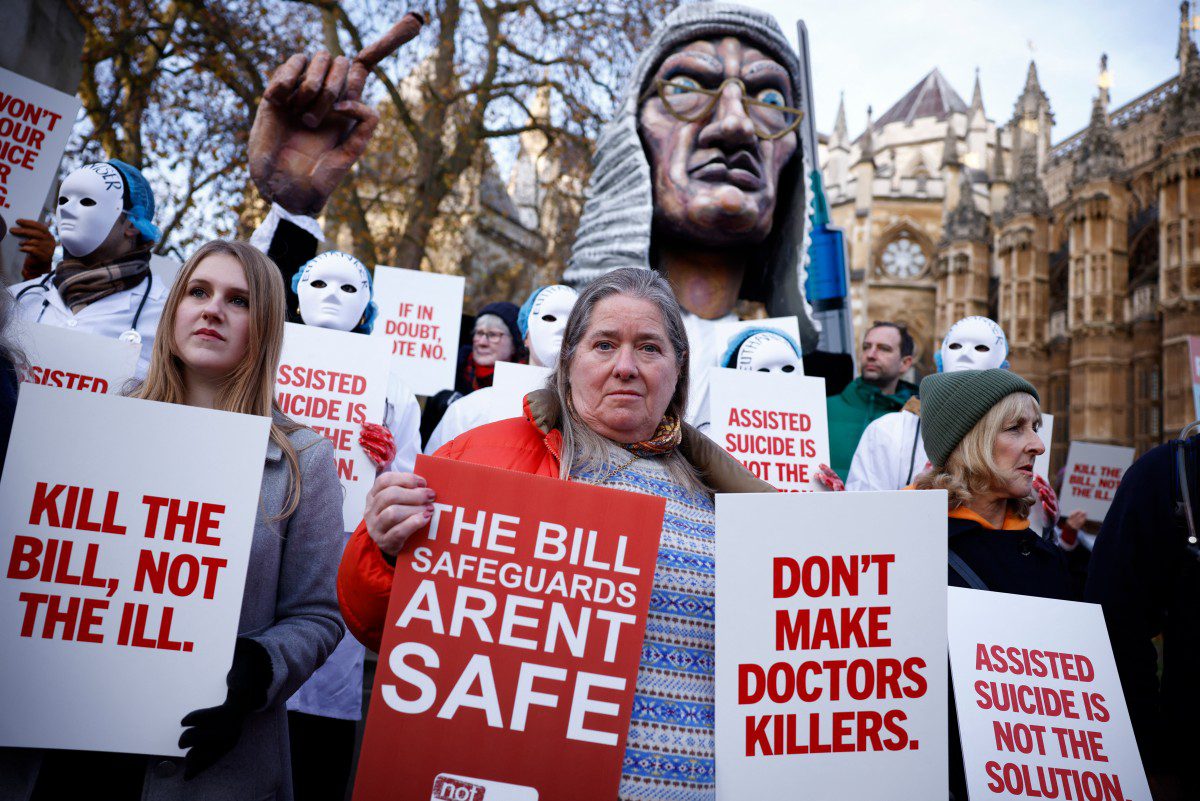
Experts complain that “any reasonable person would be deeply troubled by the one-sided nature of those being called” as witnesses.

The Canadian PM departs utterly unburdened by the love of his countrymen, the respect of his international counterparts, and the dignity possessed by even moderately competent leaders.
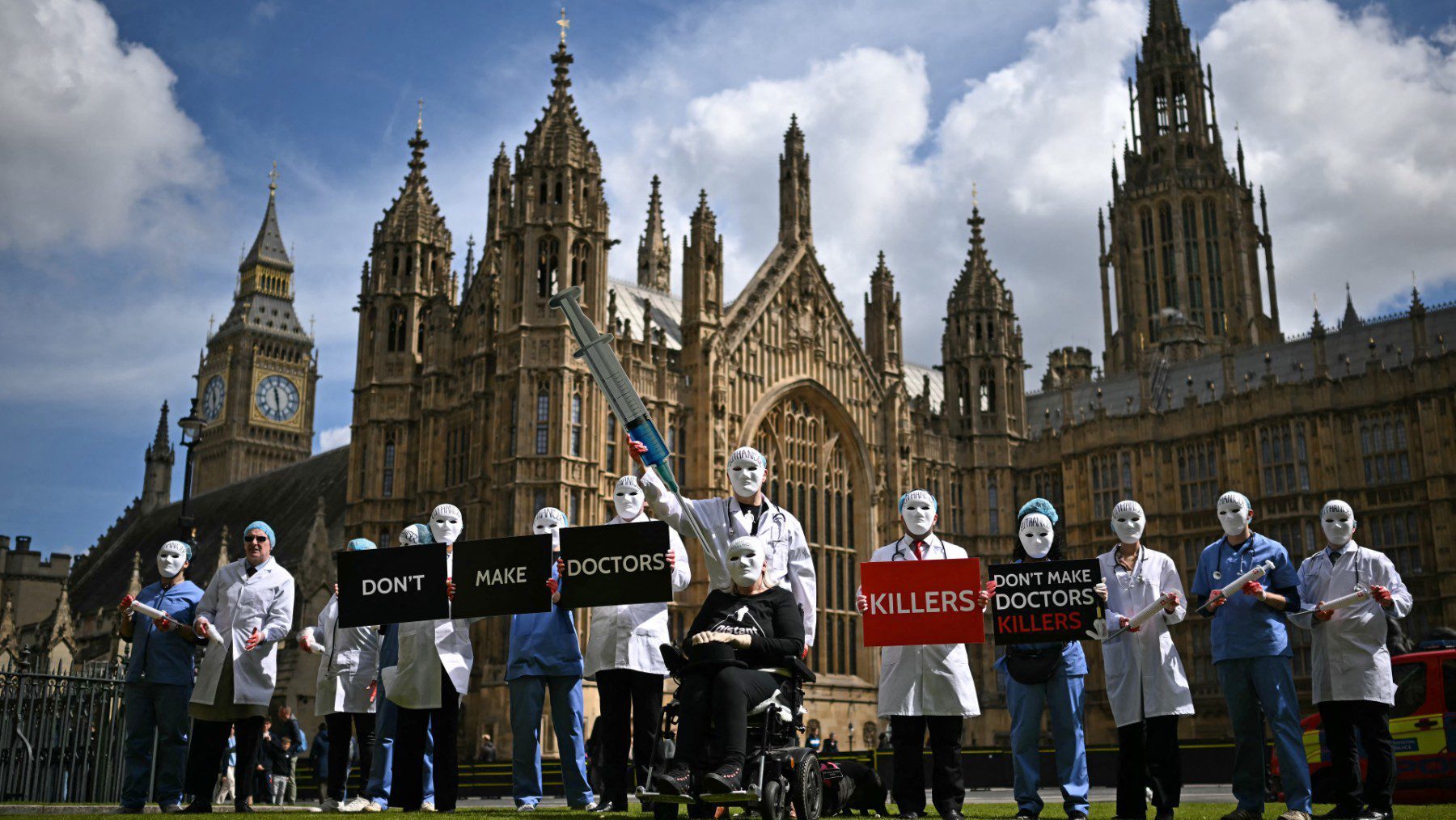
Some hopeful campaigners believe it can still be stopped.
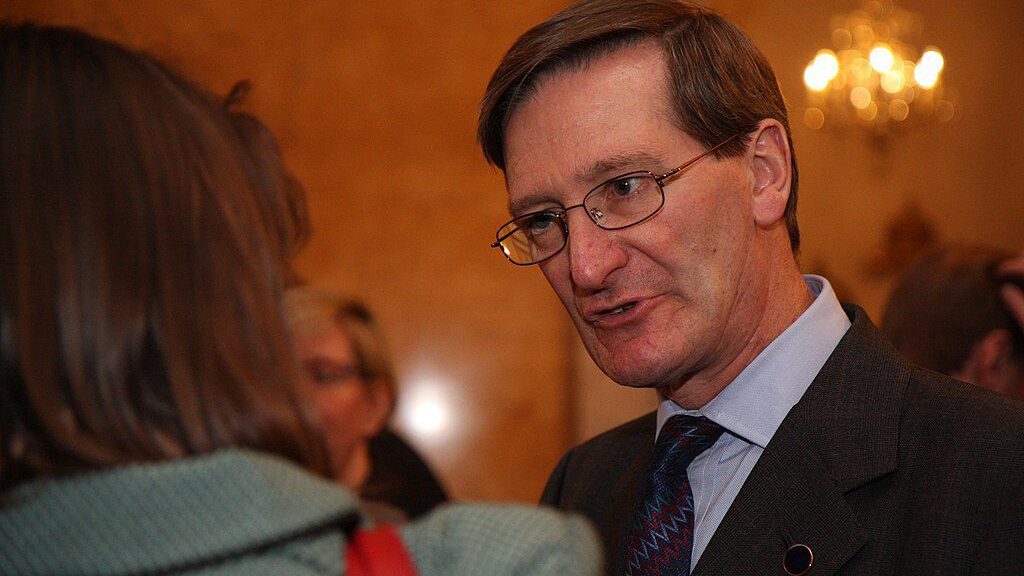
Campaigners have also pointed to “shadowy dark money” behind the legalisation movement.

In a span of a few weeks, I was confronted with two distinct views on death and two distinct ways of dying. In one was the illusion of self-mastery; in the other, the radical surrender of self.