
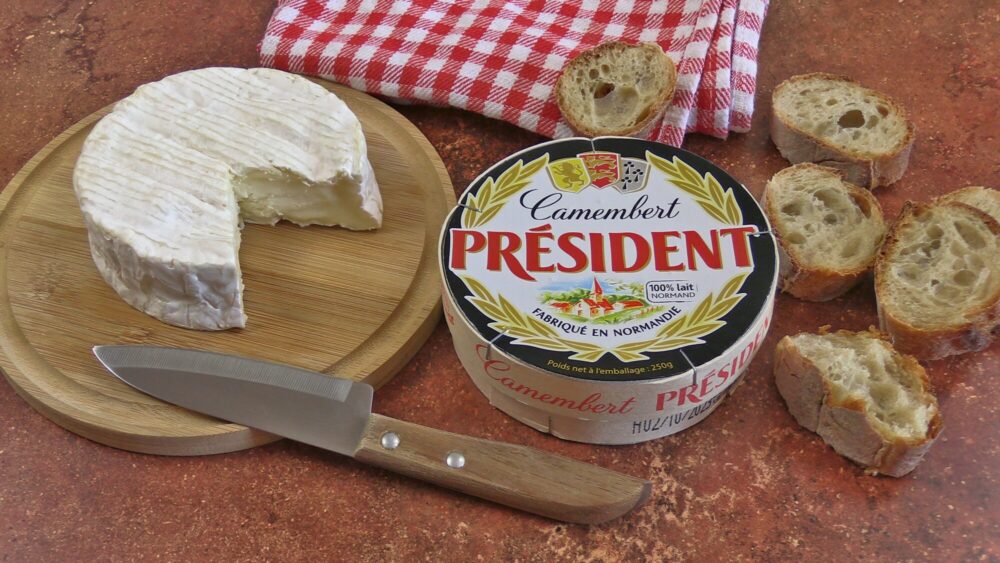
MEPs Take Aim at Wooden Camembert Boxes
Replacing the wood used to preserve Camembert with plastic or cardboard is not just a matter of waste; it’s an issue of civilisation.

Replacing the wood used to preserve Camembert with plastic or cardboard is not just a matter of waste; it’s an issue of civilisation.
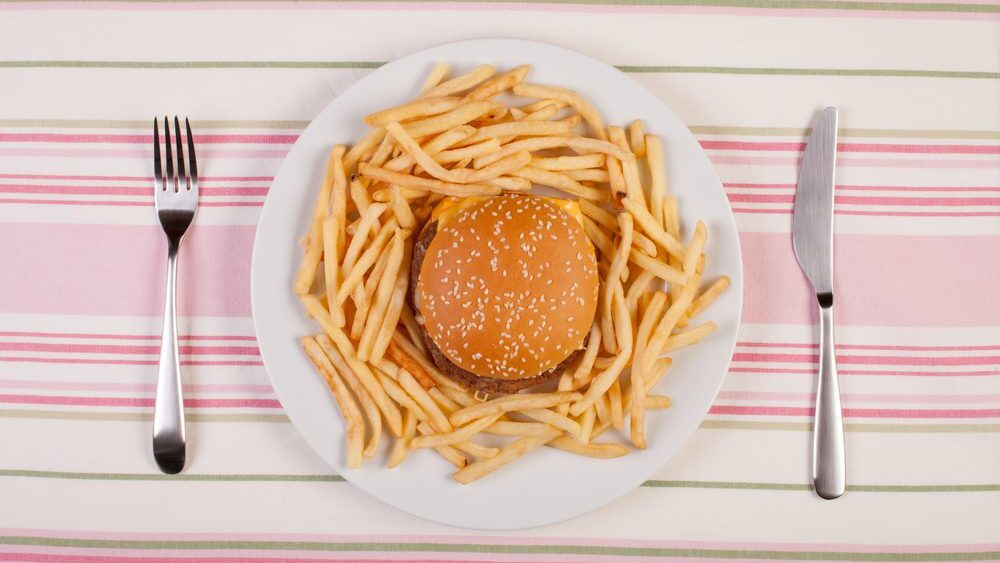
The proposed policy comes months after France banned disposable packaging from fast food restaurants.
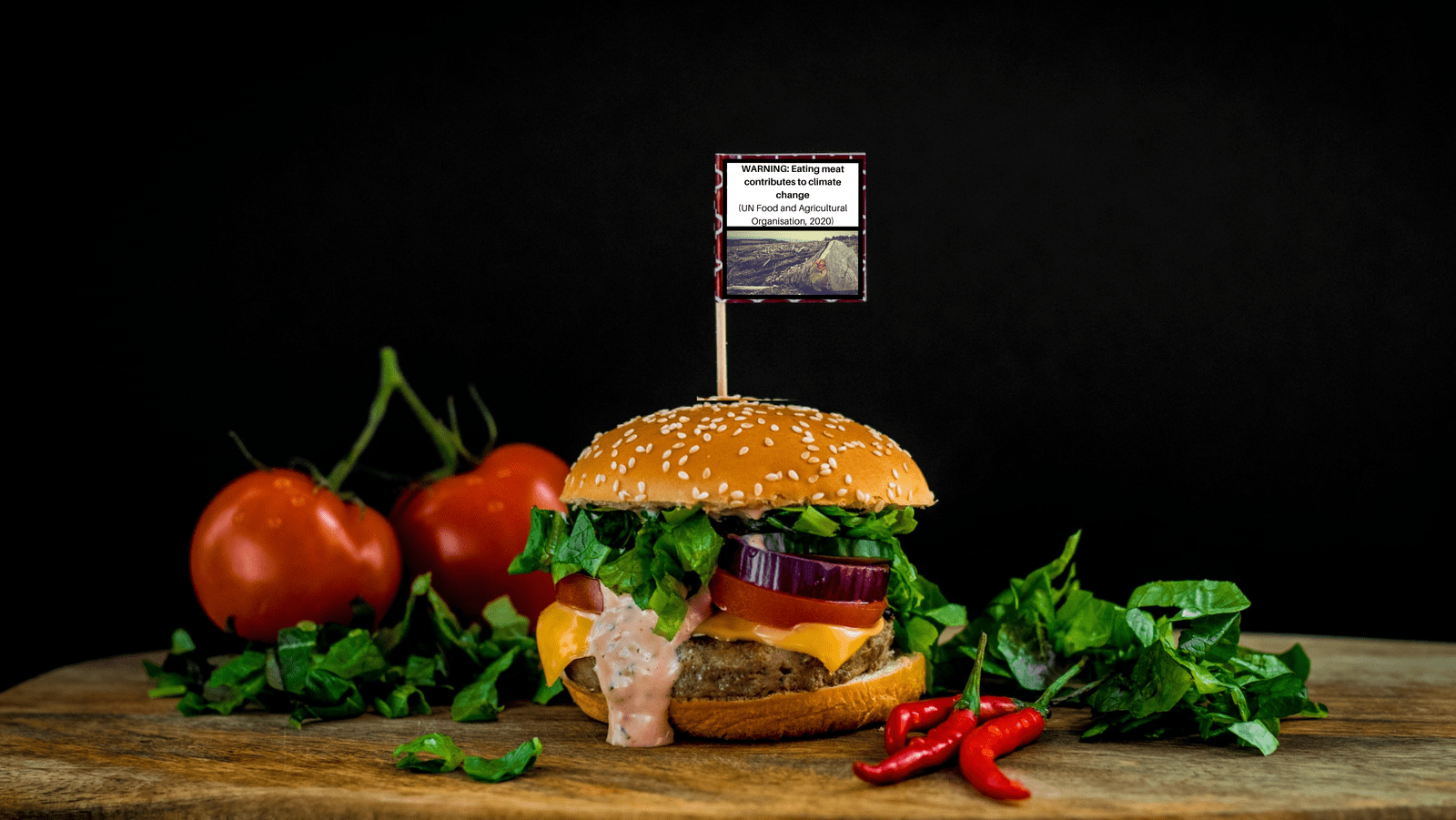
One label depicts a deforested area, factory smoke billowing in the distance, with the words: “Eating meat contributes to climate change.”

Moscow demands concessions so that the West’s sanctions do not obstruct the free flow of its own agricultural exports.
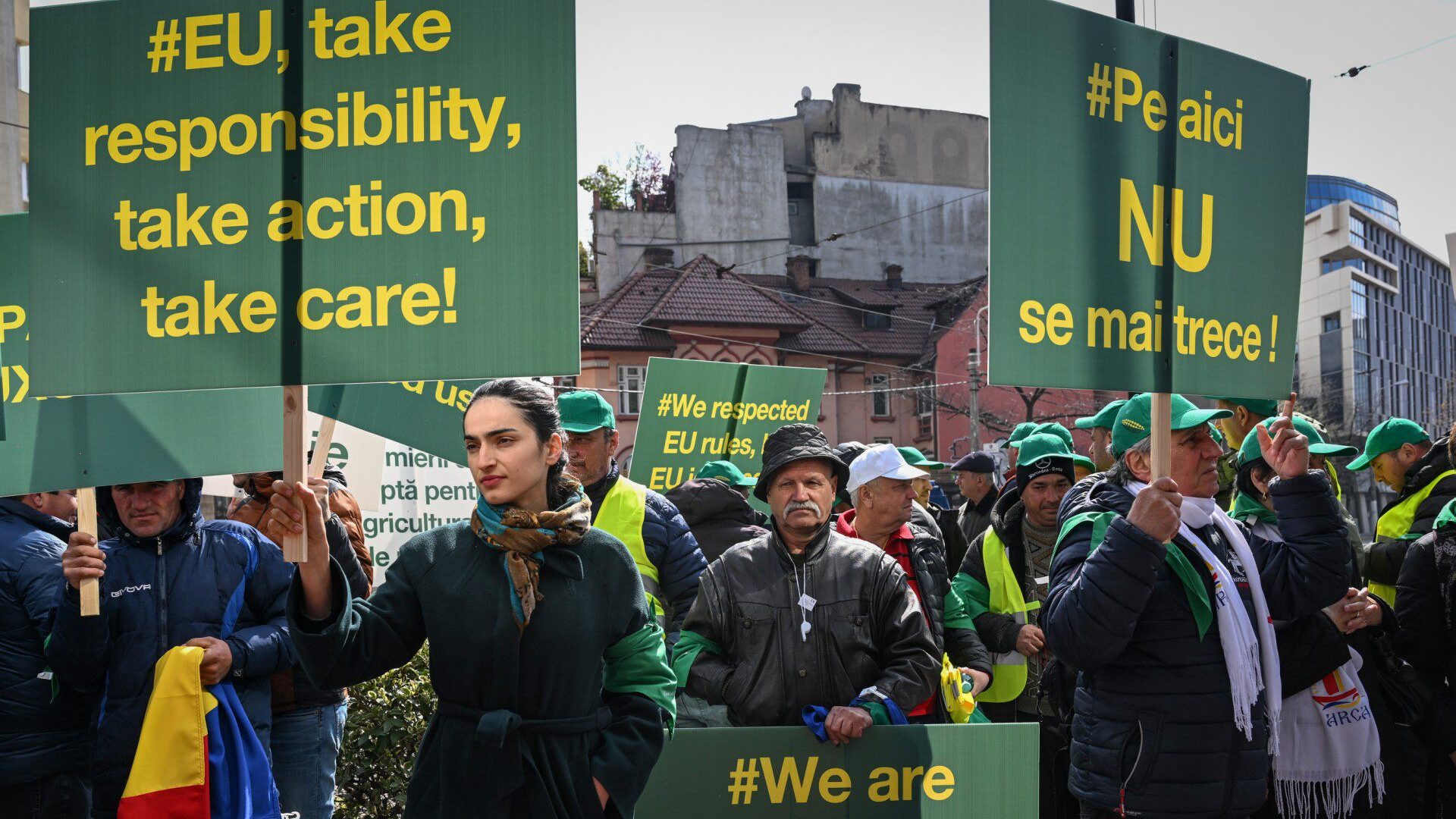
Farmers in Romania, Bulgaria, and Slovakia have been equally affected by the influx of cheap grain coming from Ukraine.
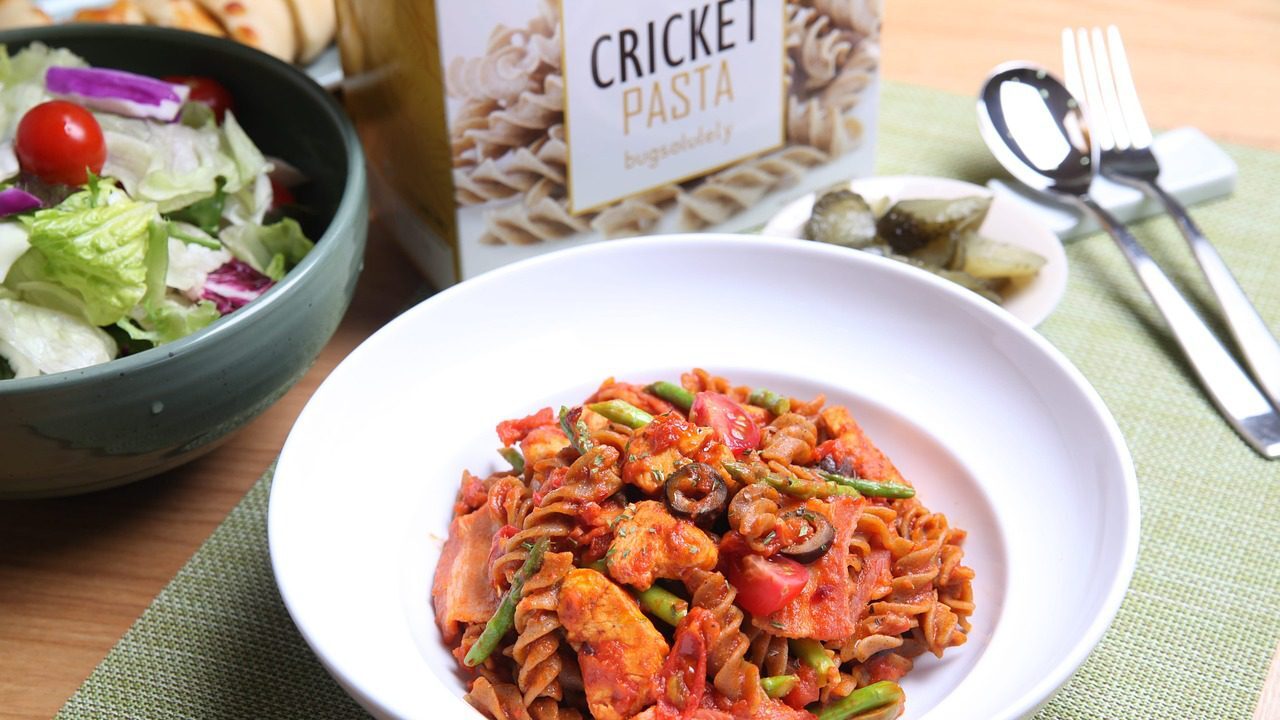
The issue of bug eating has become an attack point for European populists, while advocates extoll the benefits of insect consumption to the European Green Deal.
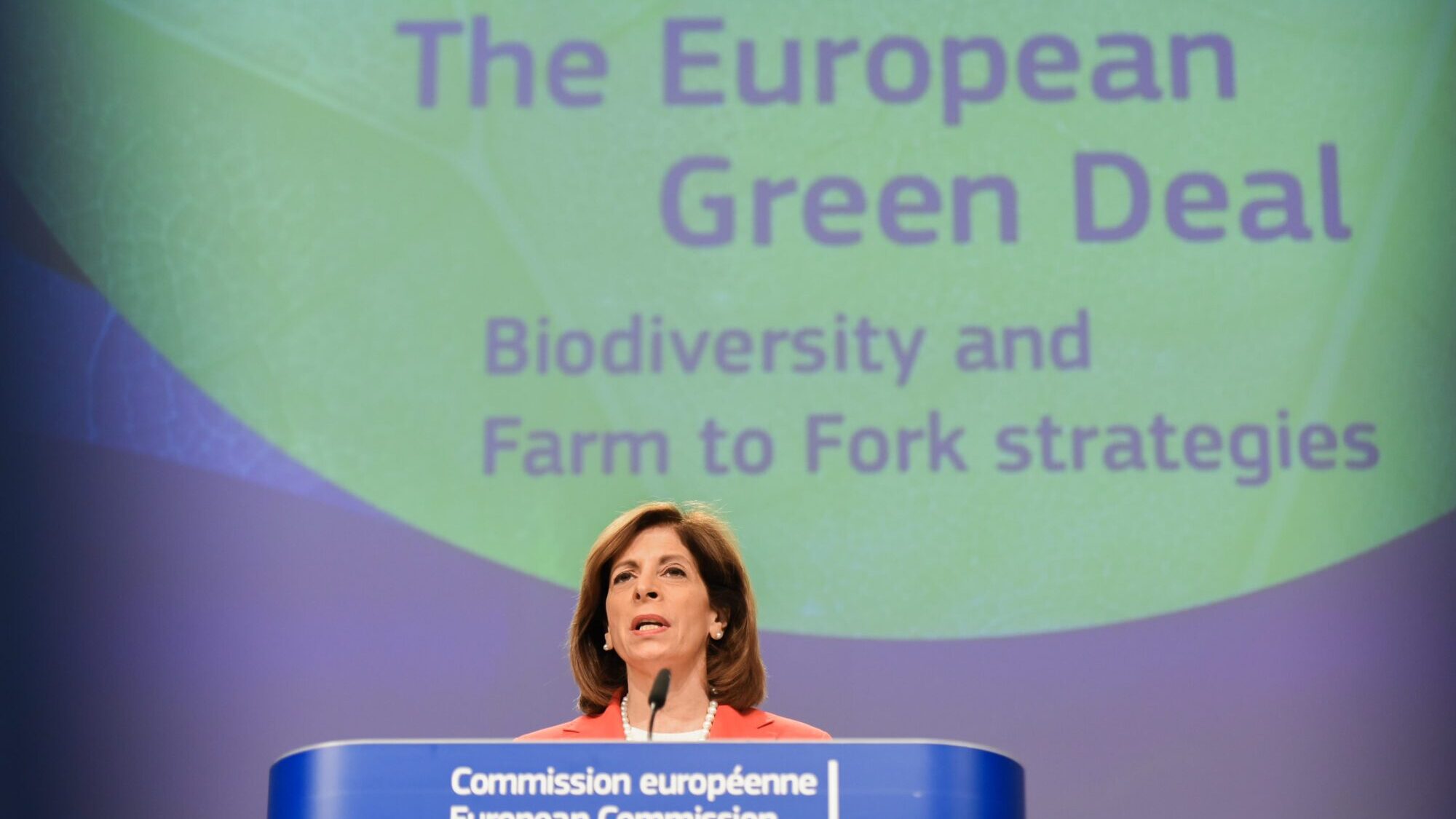
The EU’s Farm to Fork policy is not only facing strong opposition from agribusiness, but even the commissioner responsible for agriculture has expressed his reservations.
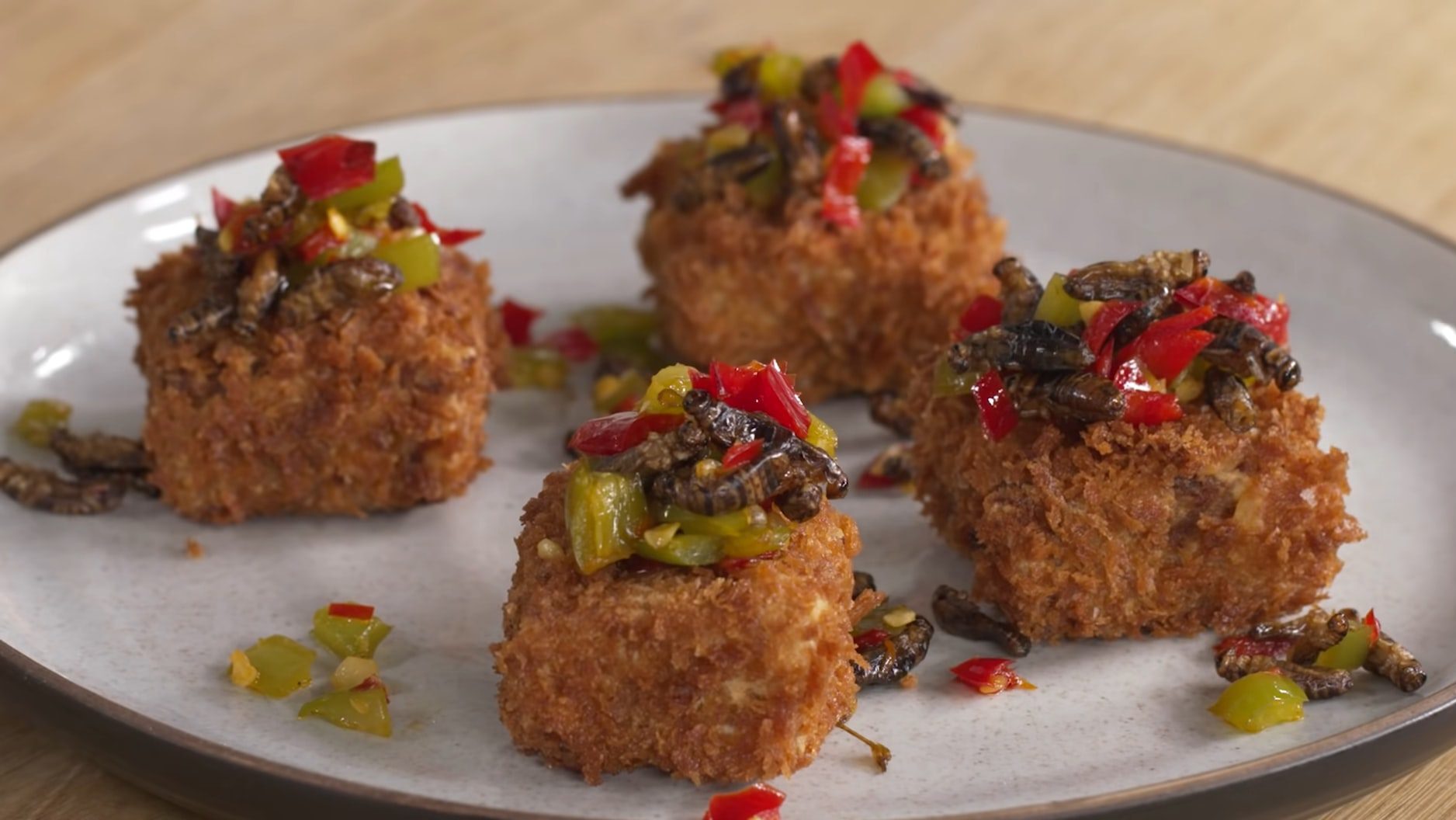
Polish politicians make edible bugs an election issue.
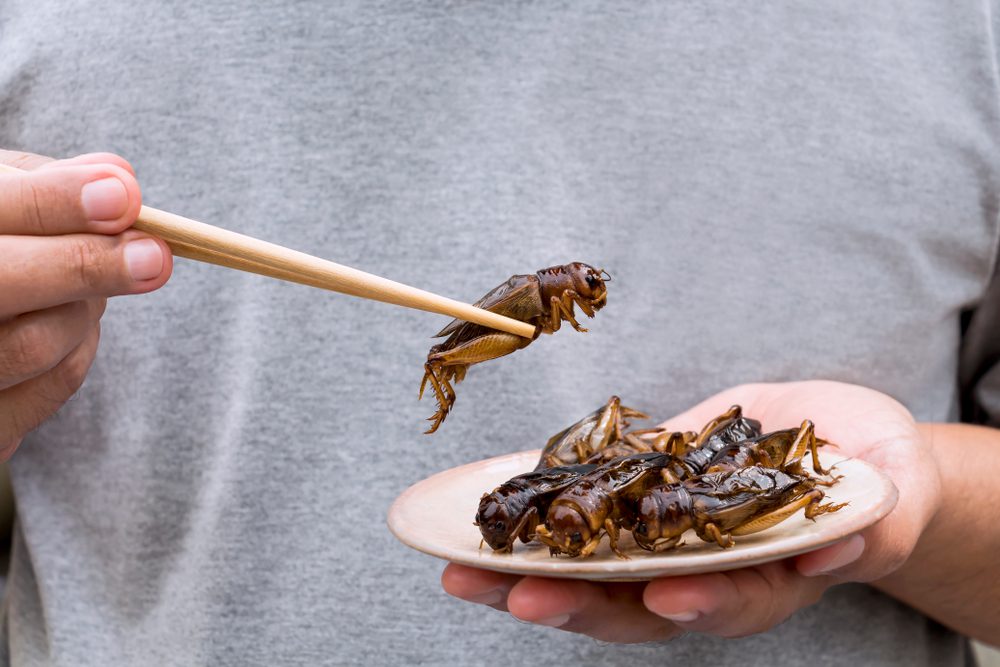
Why this obsession on the part of Brussels officials with making the citizens of old Europe eat insects? Not a concerted ideological plan, but proof of a rootless globalist way of thinking that takes on unexpected aspects: in the age of happy globalisation, if it’s done elsewhere, why not here?
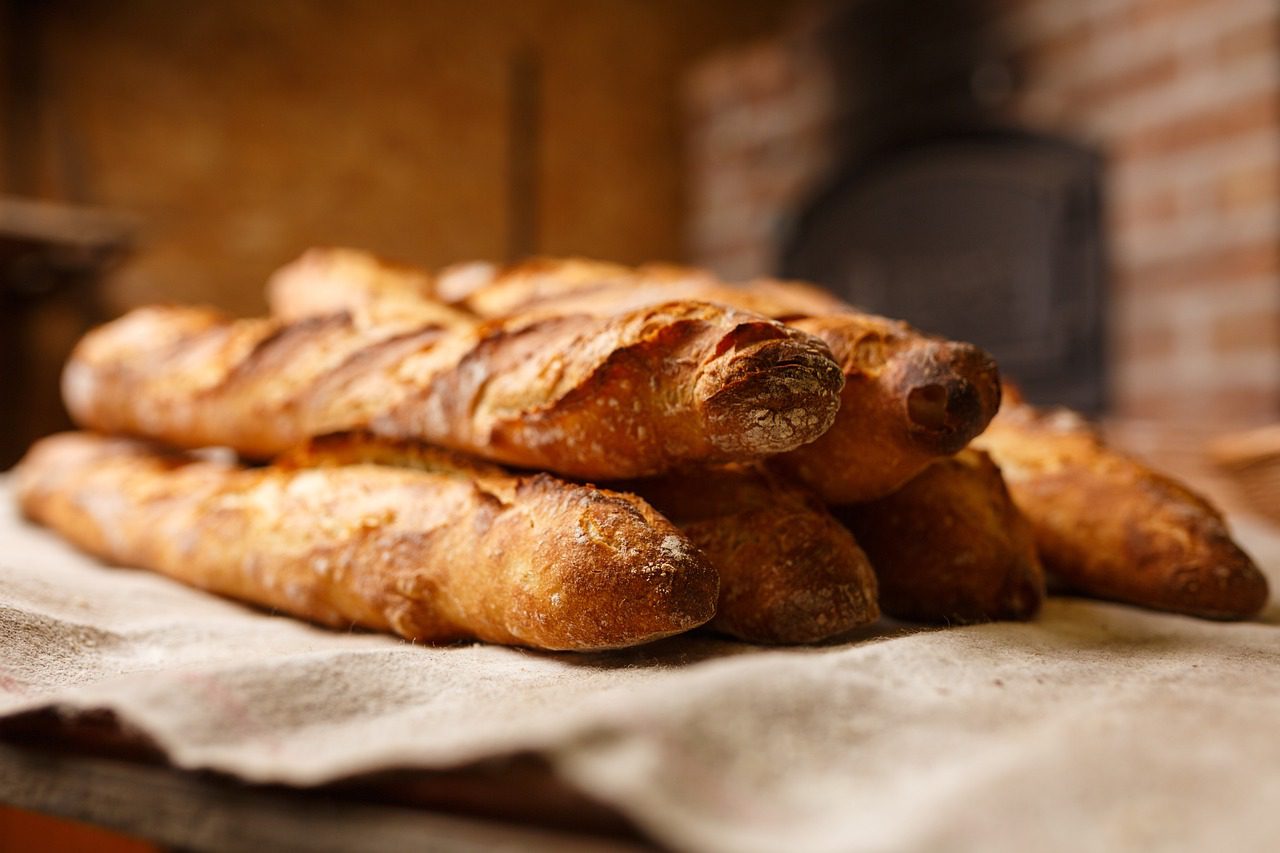
In Paris, despite Anne Hidalgo’s efforts, there are still traditions that resist, and on every street corner you can acquire, for the modest sum of one euro and a few cents, a piece of happiness and eternity.