
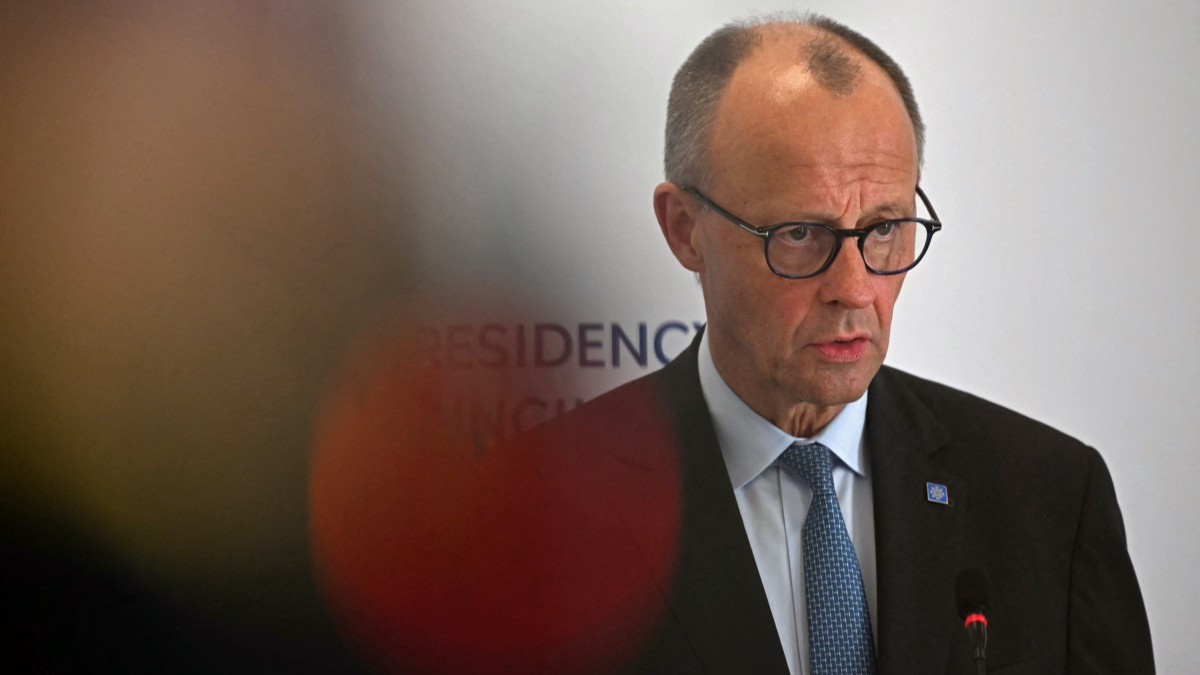
Merz Rules Out Fast-Track EU Entry for Ukraine
The chancellor said Germany supports “closer integration into the European institutions,” including allowing Ukraine to attend meetings such as European Council sessions without voting rights.

The chancellor said Germany supports “closer integration into the European institutions,” including allowing Ukraine to attend meetings such as European Council sessions without voting rights.
In a democracy, citizens must have the right to express their frustration with those who govern them.

The German government is moving to close what it sees as a critical security gap, by mandating that internet providers hold connection data for three months to assist in the fight against child pornography and cyber-fraud.
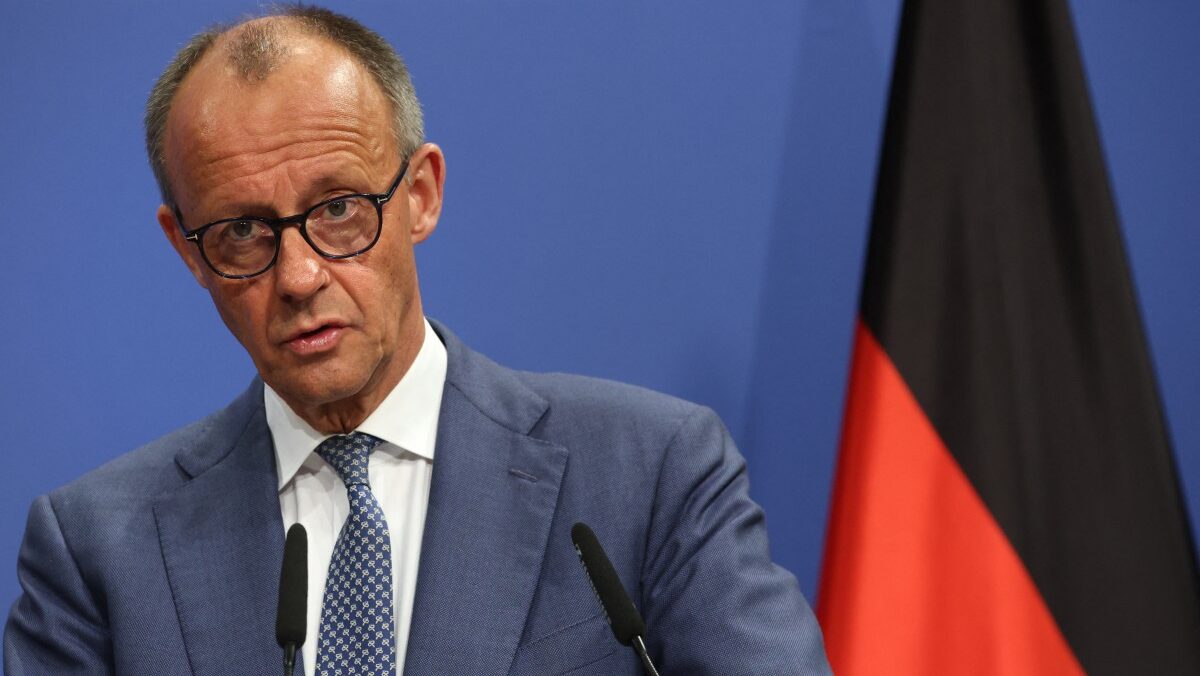
German Chancellor Friedrich Merz has rejected any justification for a U.S. attack on Cuba, stating the island poses no discernible threat to other nations.
Faced with a trade pact linking up parts of global agriculture, European farmers’ groups are pushing back—with the support of France and several other EU member states.
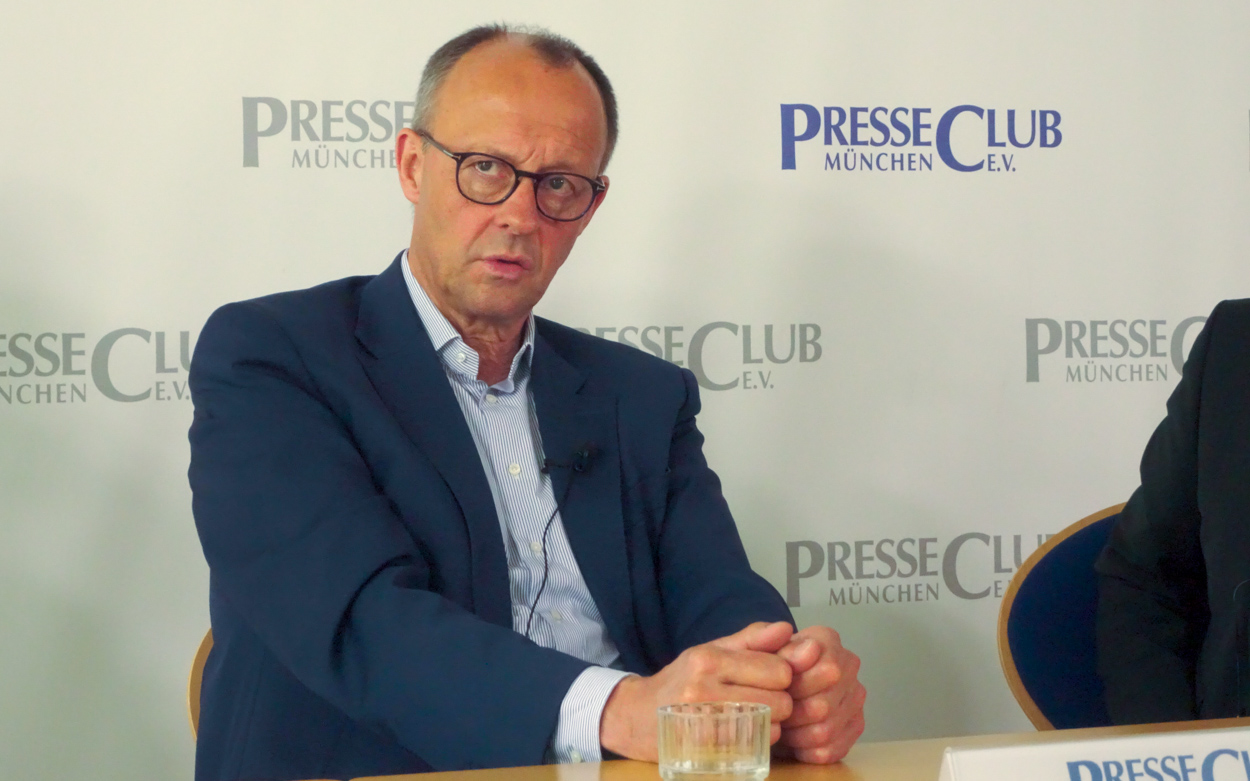
New survey finds 80% dissatisfaction with Chancellor Merz’s performance.
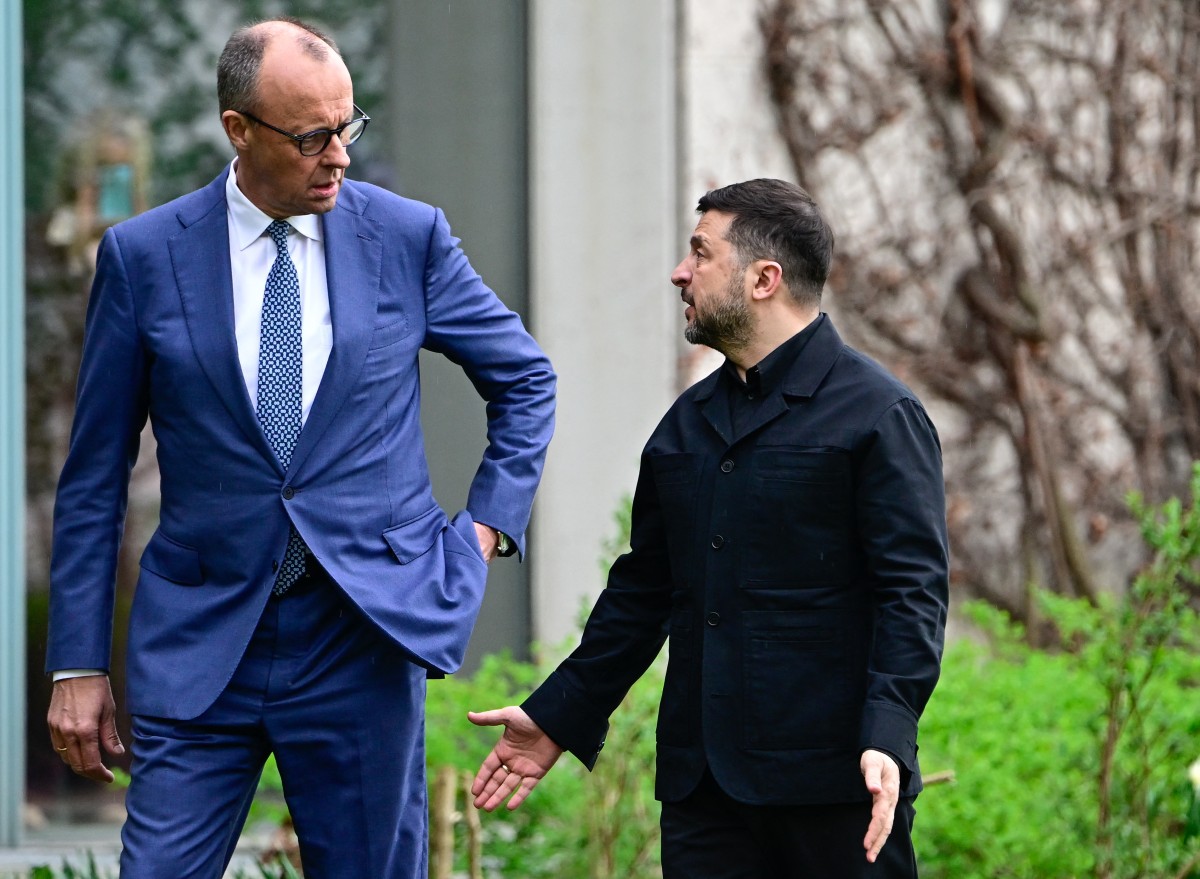
Ukraine’s President Volodymyr Zelensky arrives in Berlin this Tuesday for government consultations with Chancellor Friedrich Merz as war with Russia enters its fourth year.
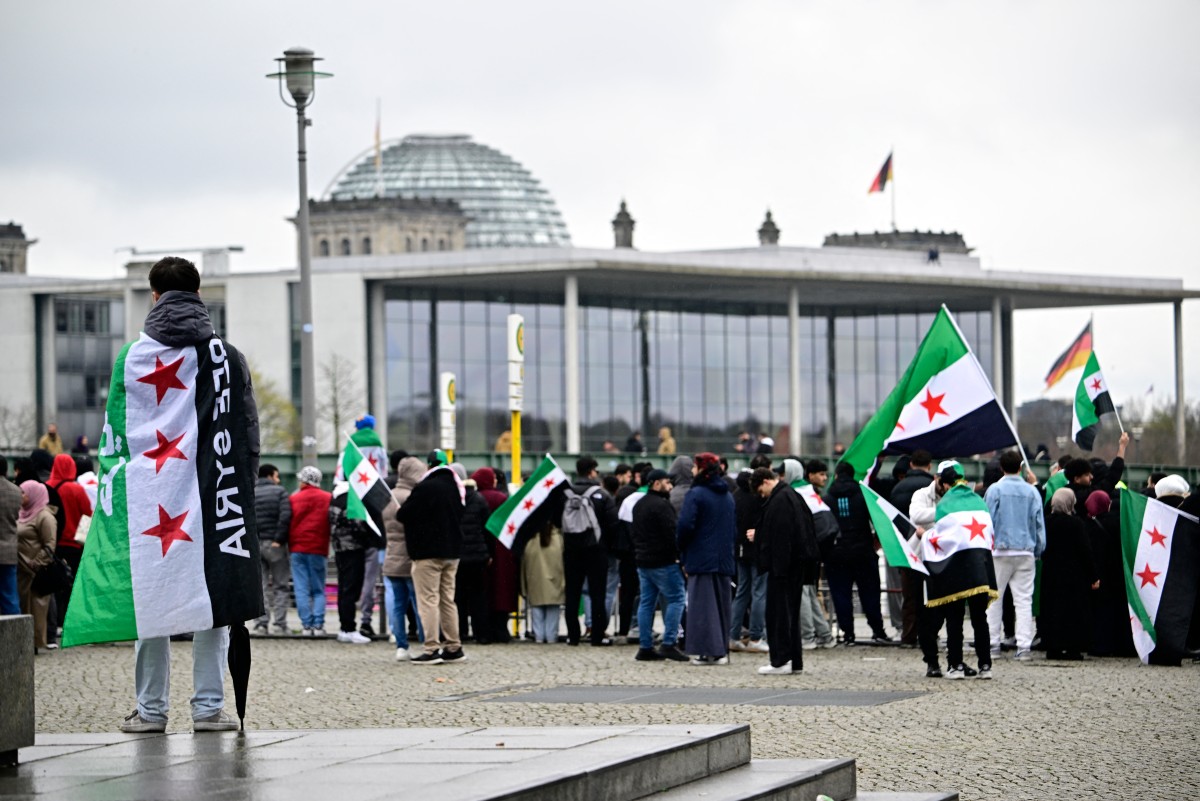
In 2024, 83,150 Syrians were granted German citizenship, bringing the ten-year total to over 245,000.
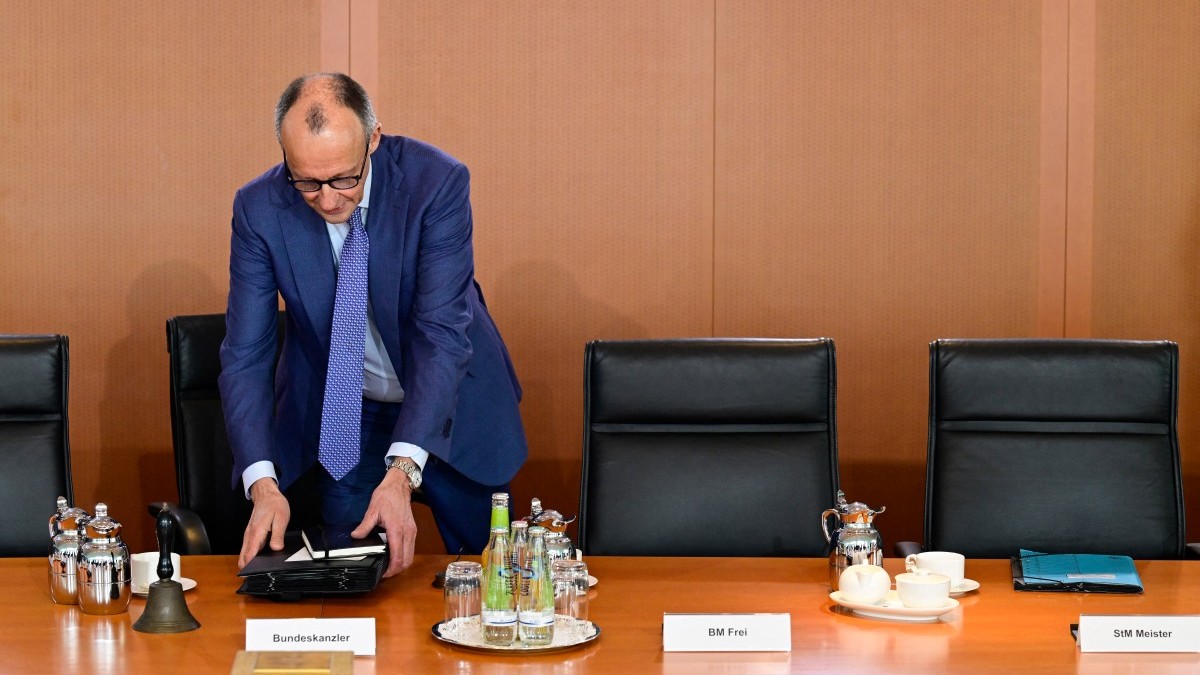
The AfD says officials must “finally address structural cost drivers such as immigration into the social systems.”
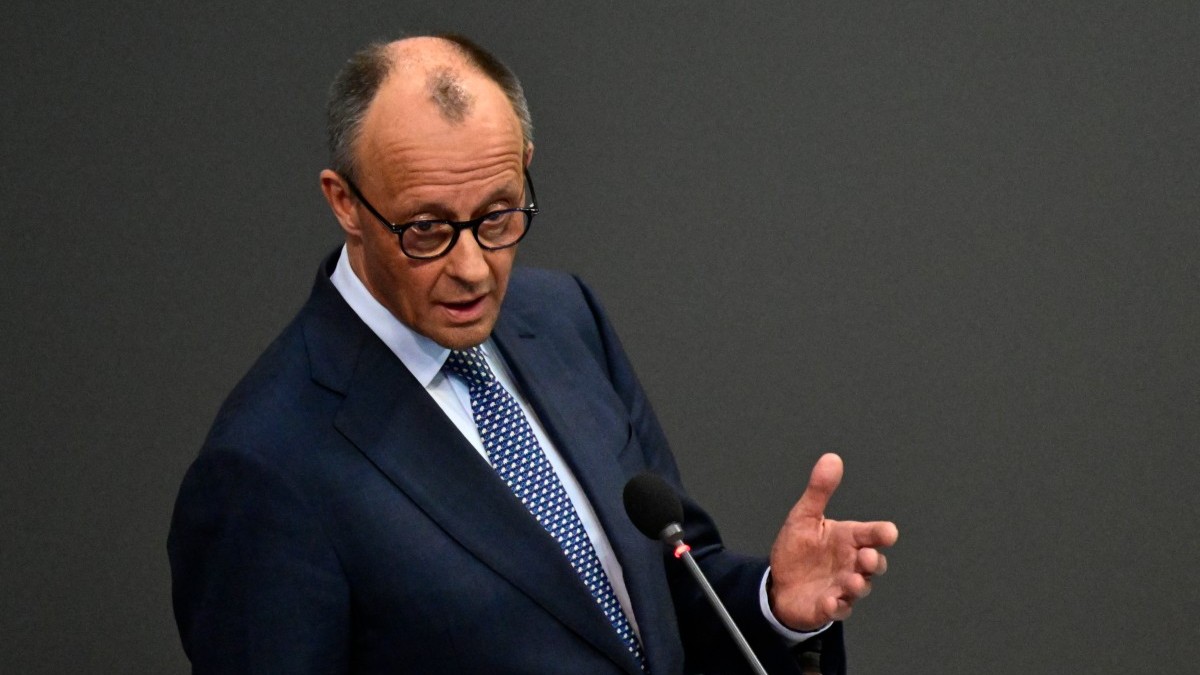
While the AfD is hitting 26% in the polls, the Chancellor now retains the confidence of just one in five citizens.