

Thought Woke Was Dead? Brussels Says It’s a Top Political Priority for 2026
Brussels doubles down on gender, diversity, and decarbonisation while Europe’s strategic and social problems are pushed aside.

Brussels doubles down on gender, diversity, and decarbonisation while Europe’s strategic and social problems are pushed aside.
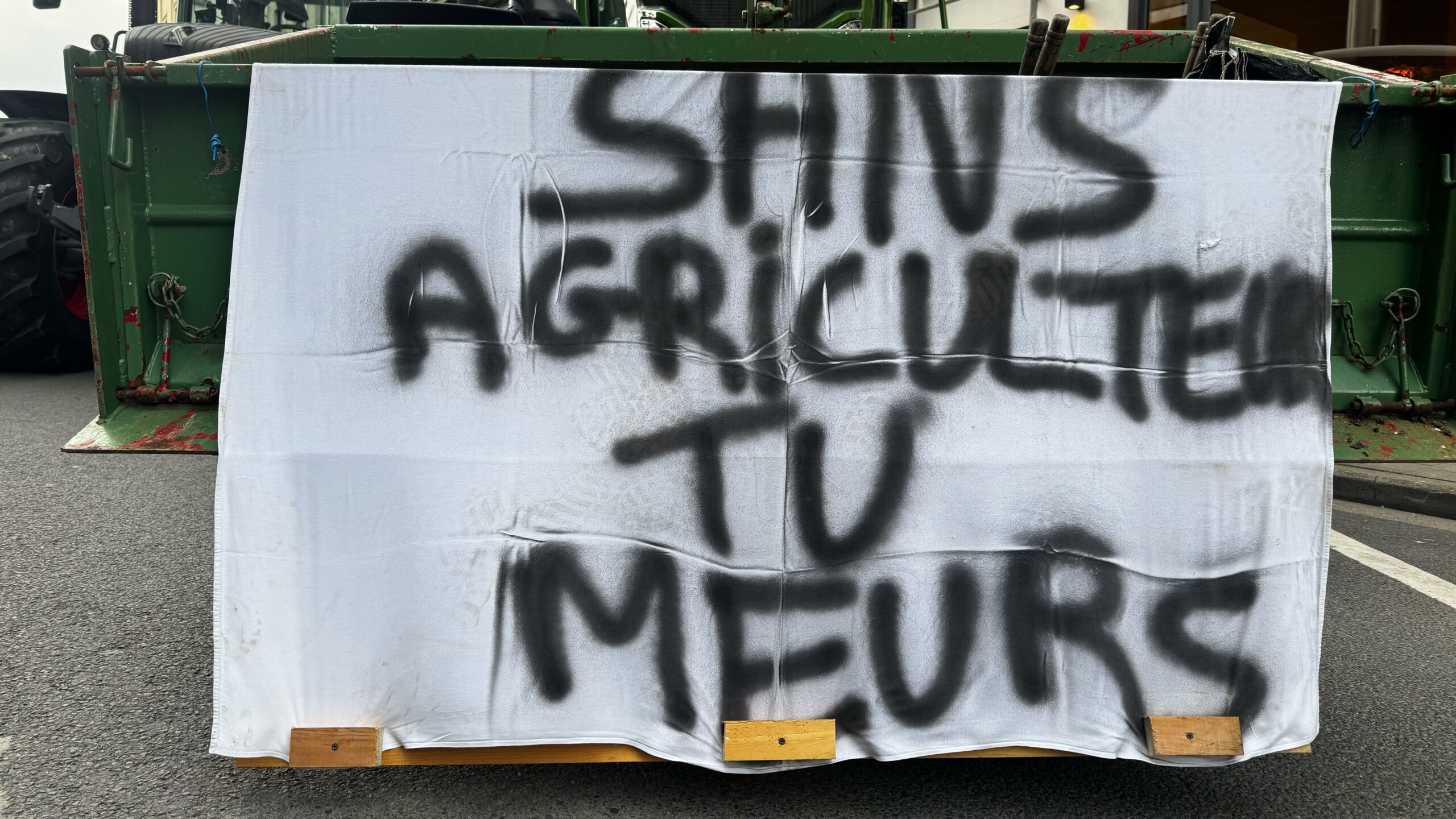
Mercosur and the Green Deal have become the symbols of fierce citizen discontent.
From climate rules to migrant quotas, Brussels is quietly retreating on policies once sold as non-negotiable—revealing how power, not principle, ultimately shapes EU decision-making.
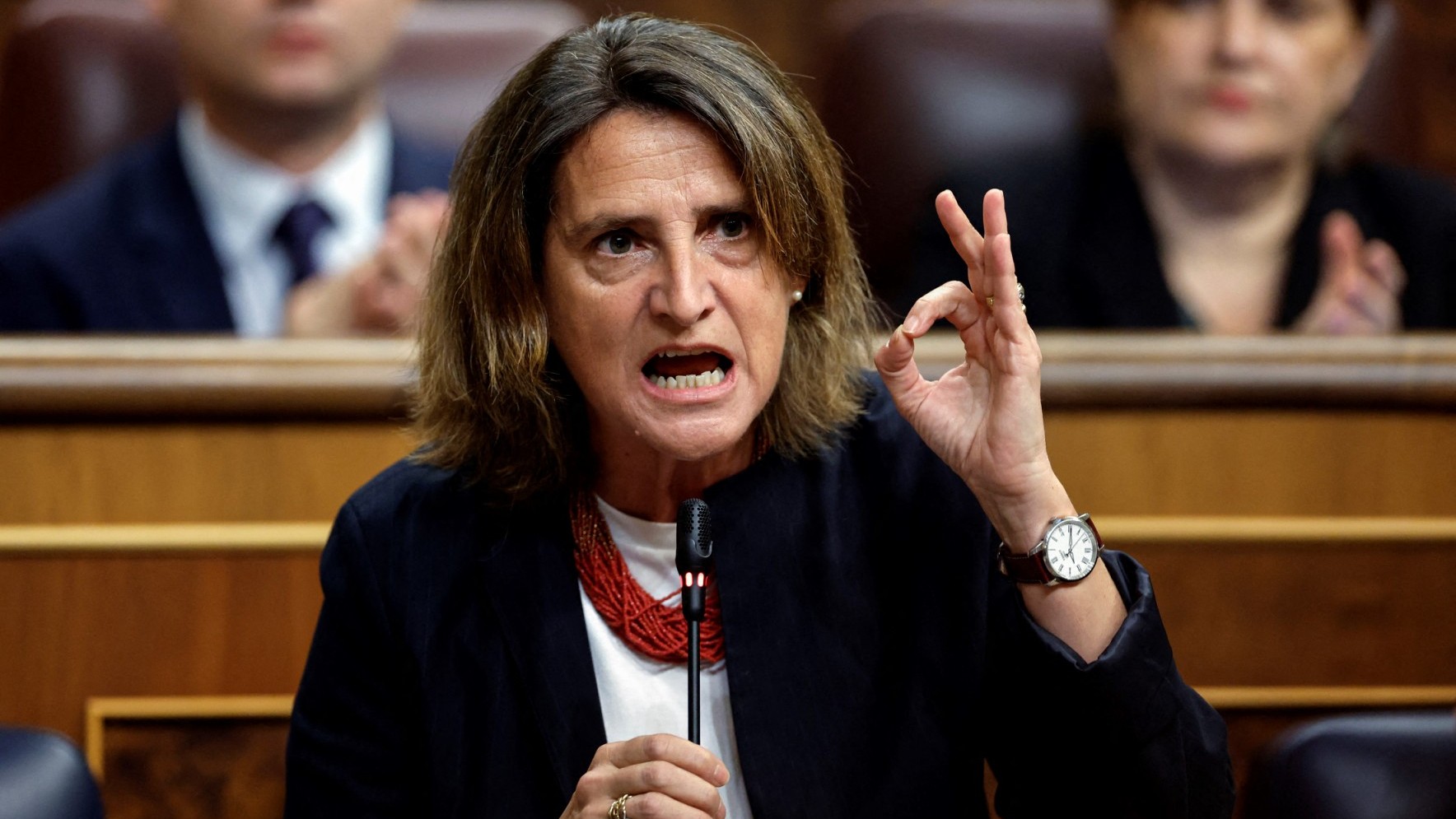
In an interview, Ribera also argued that Europe’s regulatory autonomy is at risk if the EPP-driven push for deregulation advances.

“What we have here is a vast political machinery that is quite the opposite of the definition of civil society. It does not represent certain groups of society, but a closed institutional elite in Brussels.”
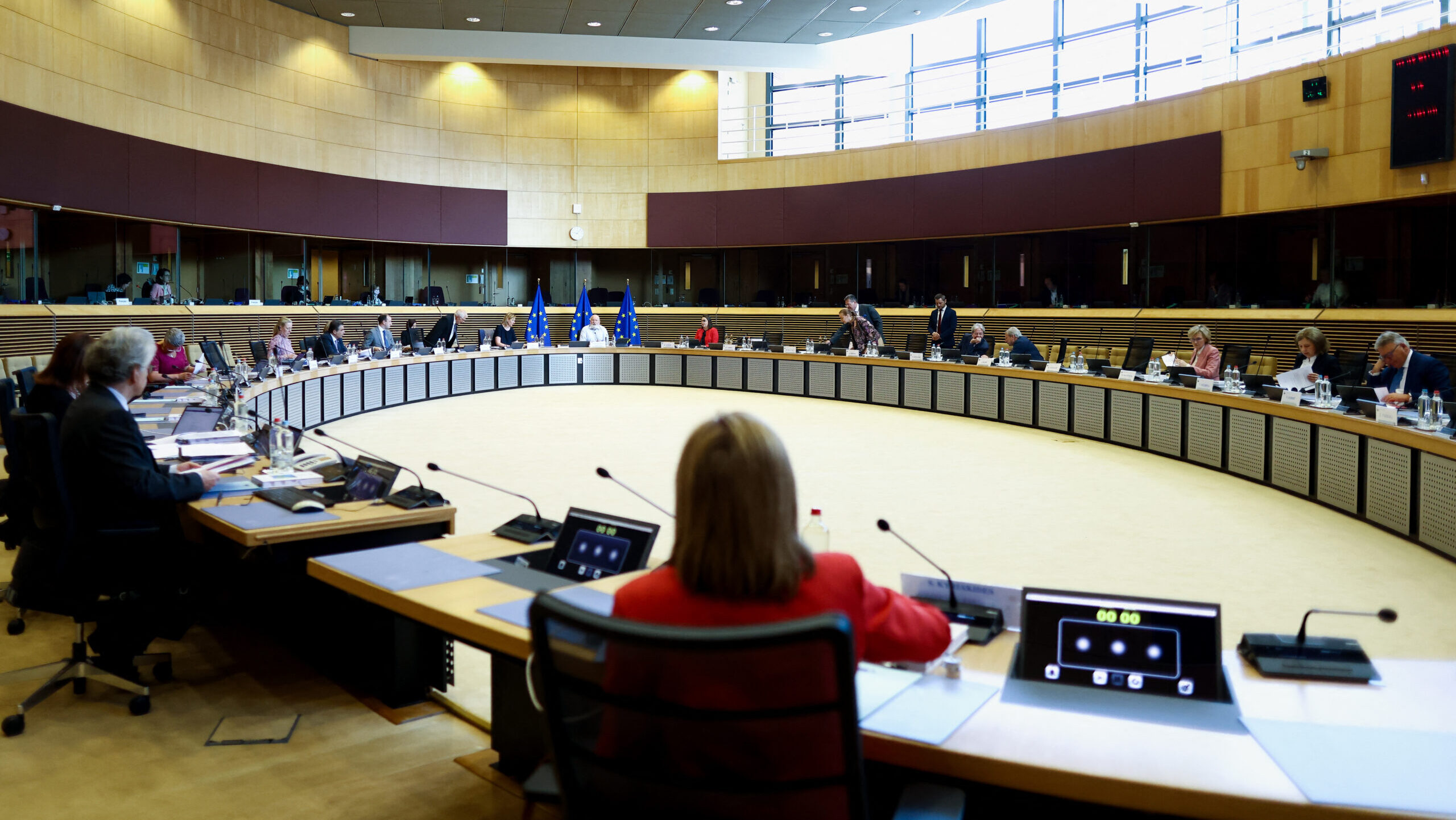
The six-month inquiry comes after revelations that hundreds of thousands in EU subsidies were channelled into campaigns shaping farming and nature laws.
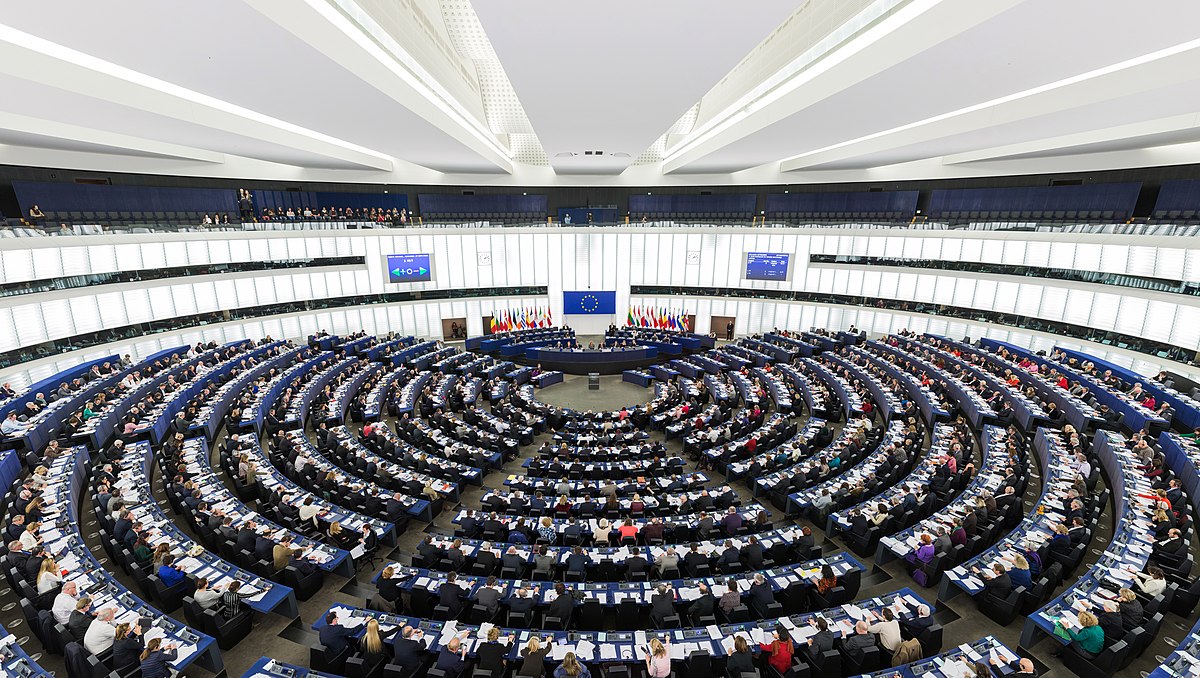
The Brussels eco-plan has drawn widespread criticism, not least from conservative factions.

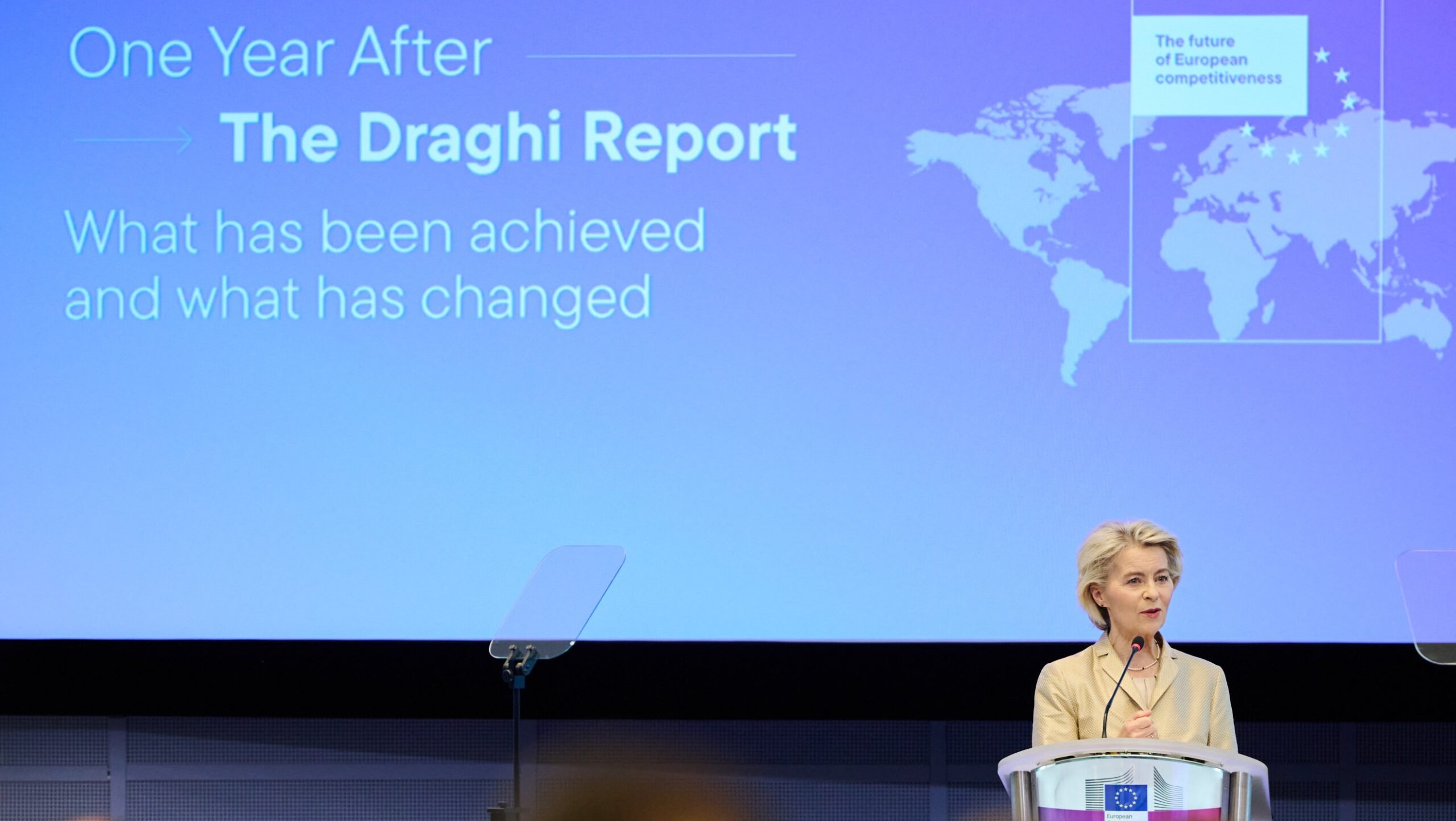
Teresa Ribera reaffirmed the Commission’s determination to continue its green crusade, with a speech blending climate faith and political control.

The Madrid Declaration denounces von der Leyen’s economic policies and calls for new leadership to defend producers and families.
Fault lines continue to show themselves in the European Parliament, as the EU finally realises the folly that is its latest iteration of its Green Deal rules.