

The U.S. Debt by the Numbers
The U.S. debt keeps growing, and nobody seems to want to stop its growth. But what does the debt actually look like? Who owns it, and what are its components?

The U.S. debt keeps growing, and nobody seems to want to stop its growth. But what does the debt actually look like? Who owns it, and what are its components?
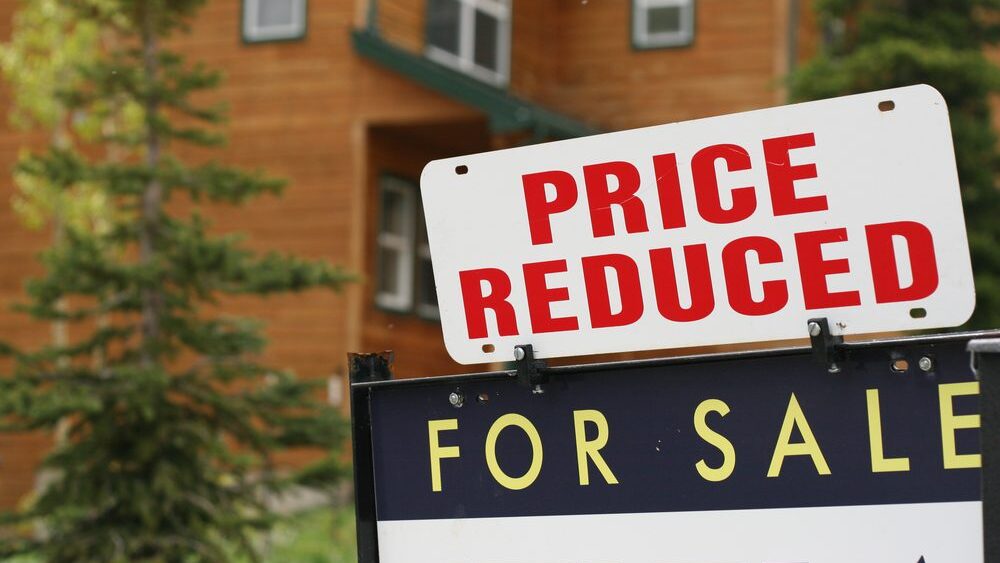
Study: Rising interest rates and energy-efficiency uncertainty drive price decline.

The Swedish government’s budget is thoughtful, intelligent, and well balanced. Let’s see if it also can deliver as promised.
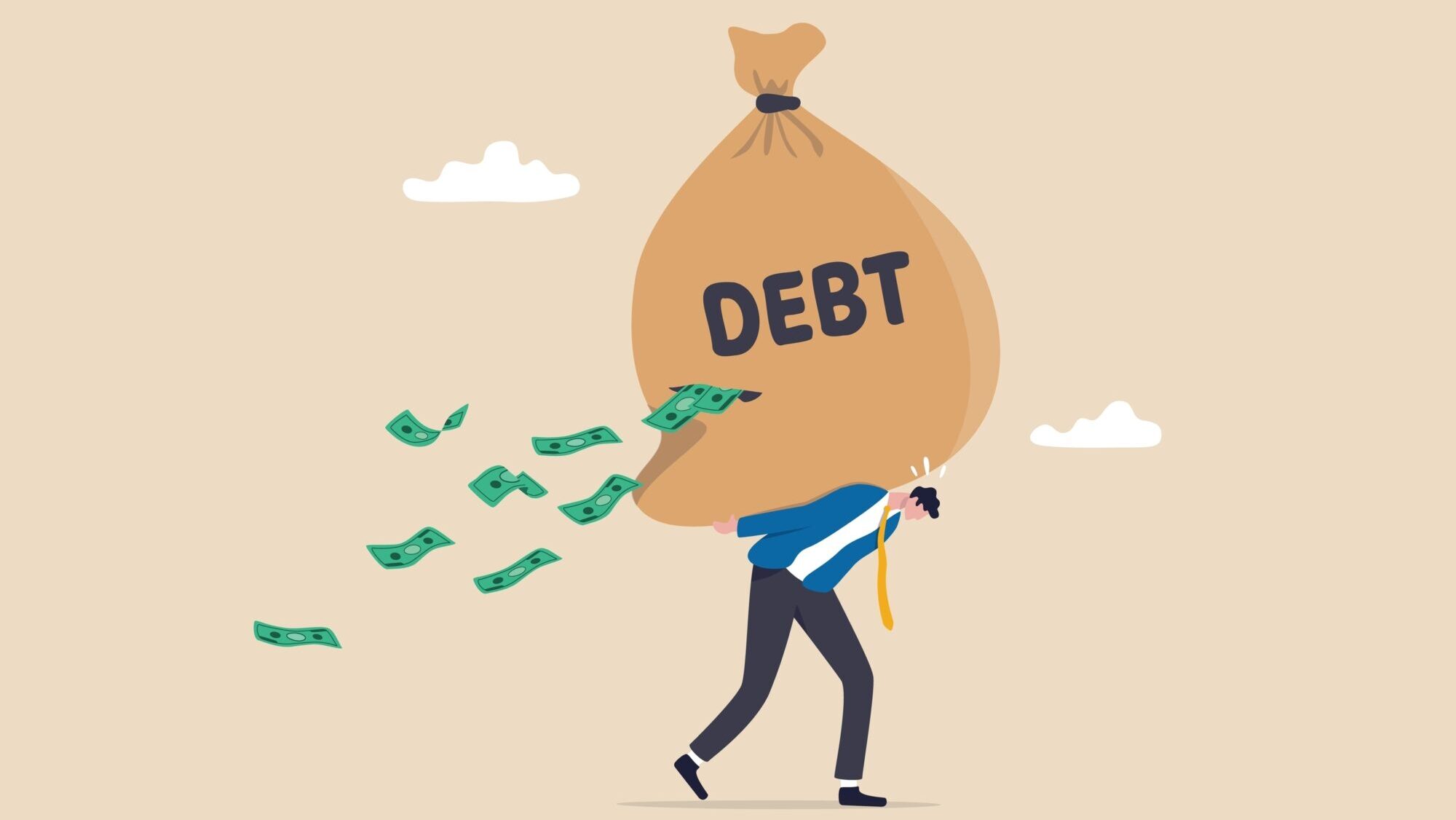
In the world of public finance, we call this ‘rocketing your country into a fiscal crisis.’
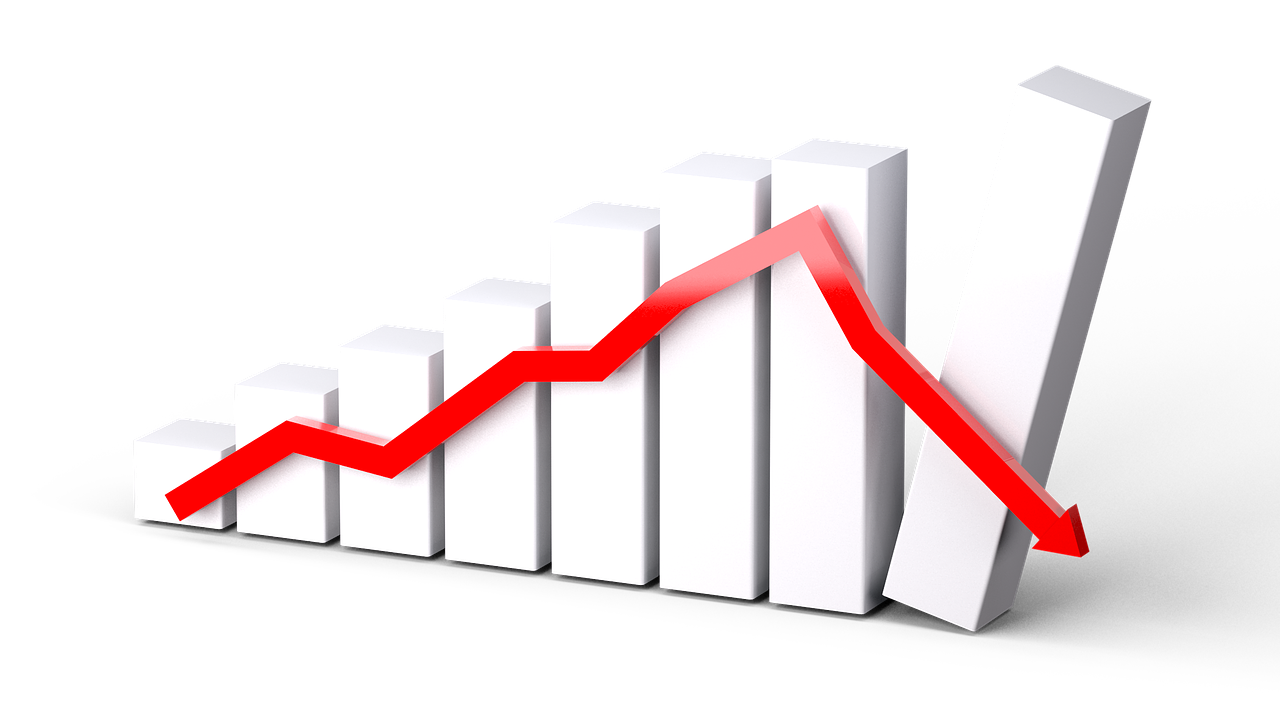
In country after country, the economy is getting worse. What can governments do about it?

A new economic forecast points with near certainty to a U.S. debt crisis in the near future.

Speaking of the need among some people to repeat the mistakes of the past: the saga of Bud Light and its recent public-relations disaster is being amended with another chapter.

Financial markets are important to governments that need a lot of tax revenue to pay for their welfare states. The problem with taxes levied on financial markets is that they generate unstable revenue.

Several news sources have raised the volume about a possible systemwide banking crisis. I am not going to contribute to that. In fact, we should all be careful about determining whether or not such a crisis is at hand.

The Riksbank warns of further increases, predicting a lead interest rate at 3% early next year.