
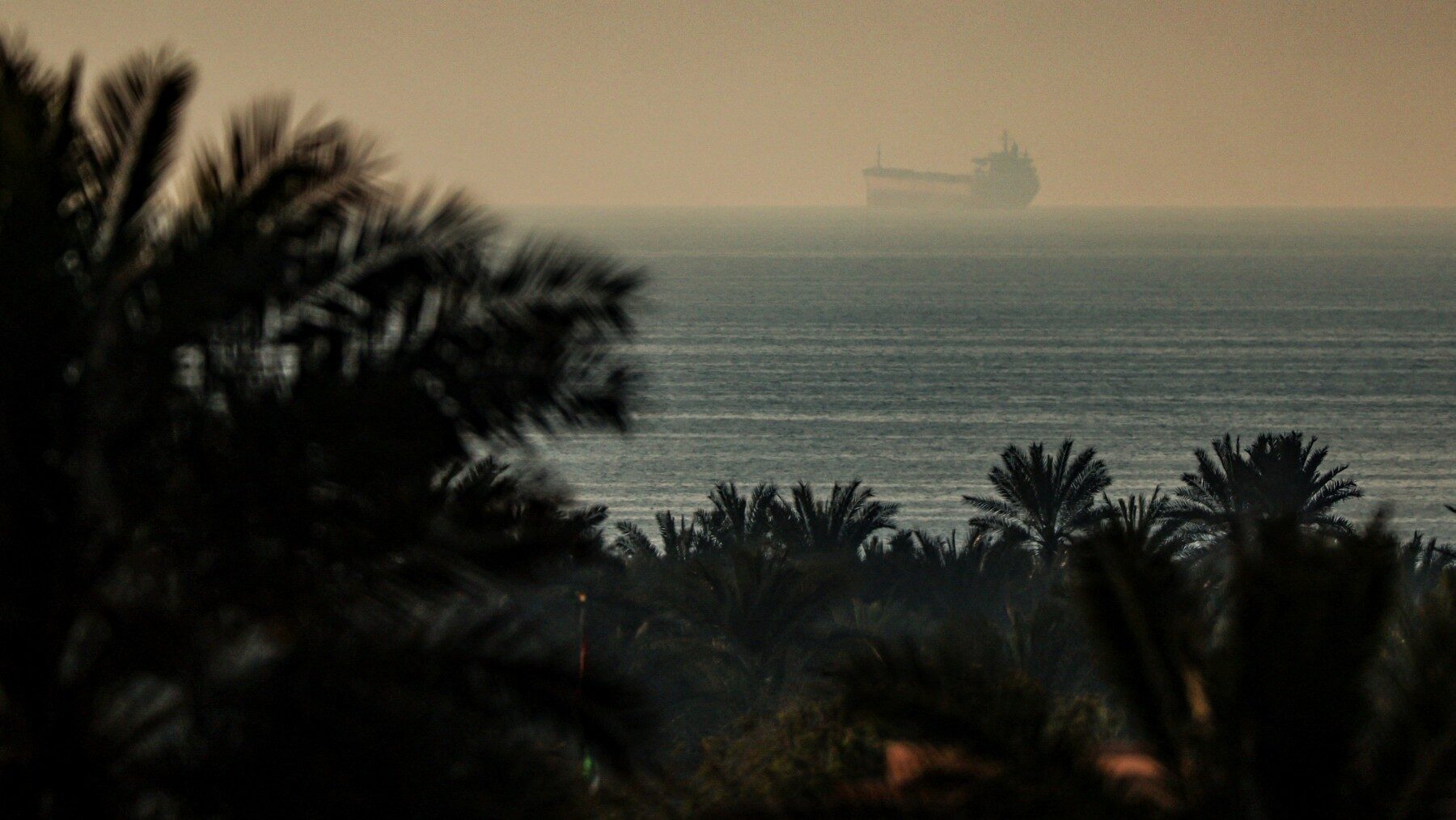
Iran Says Strait of Hormuz Will Stay Open as Ceasefire Holds
Tehran’s pledge may calm energy markets, but uncertainty remains over which ceasefire is in force.

Tehran’s pledge may calm energy markets, but uncertainty remains over which ceasefire is in force.
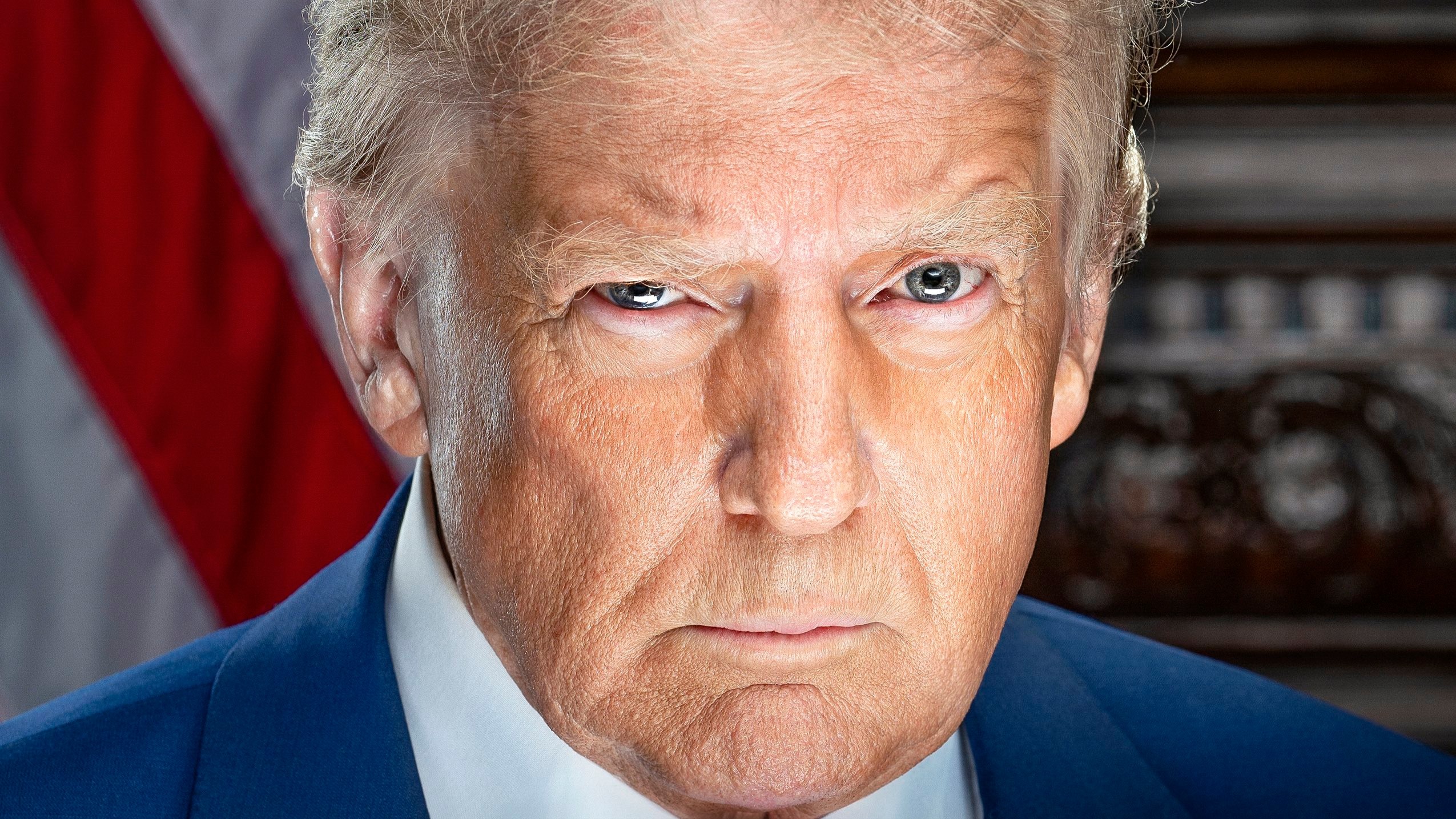
U.S. President Donald Trump has invited Israeli and Lebanese leaders to the White House.
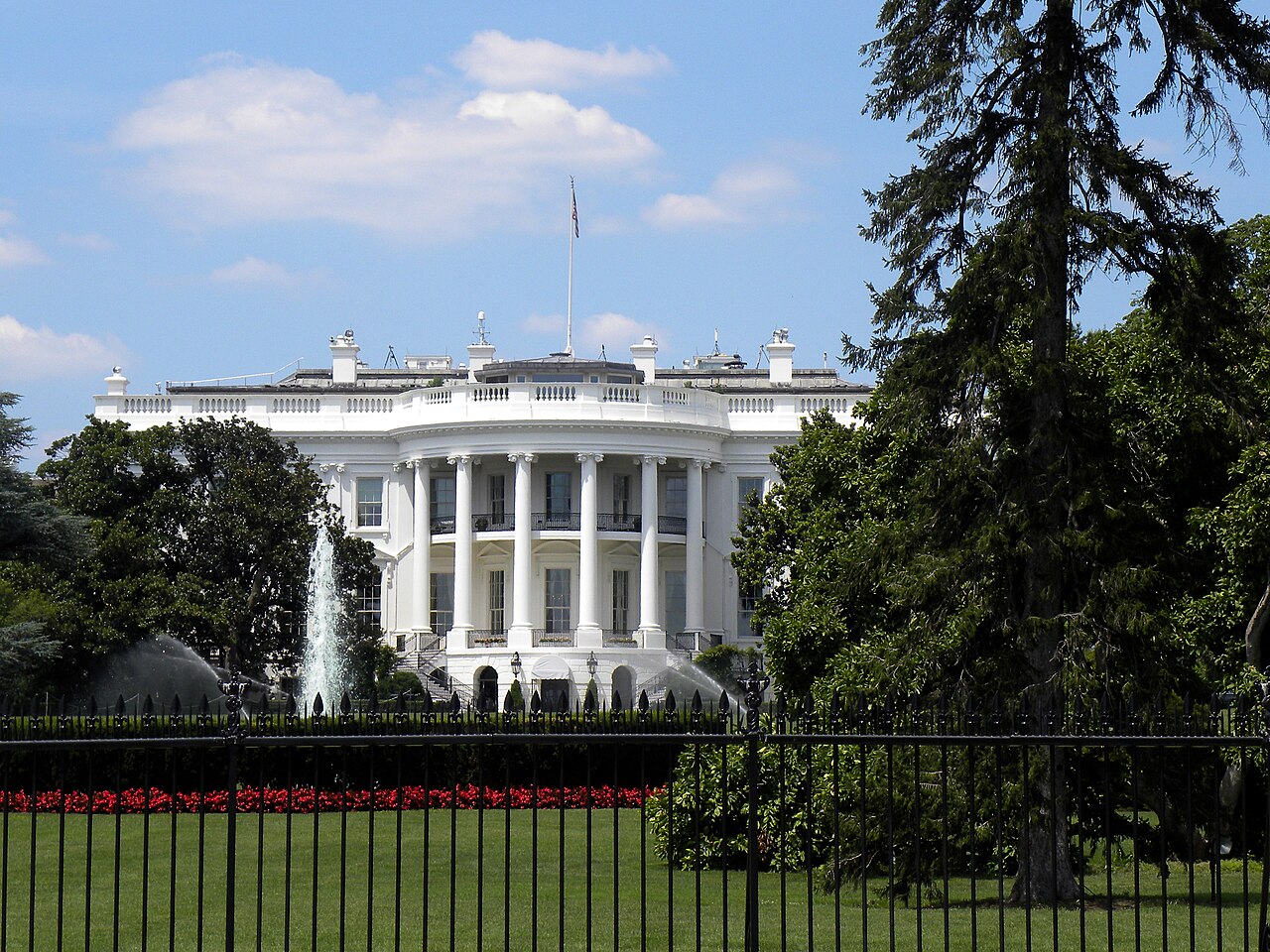
Washington indicated that the next round of Iran talks could be held in Islamabad soon.
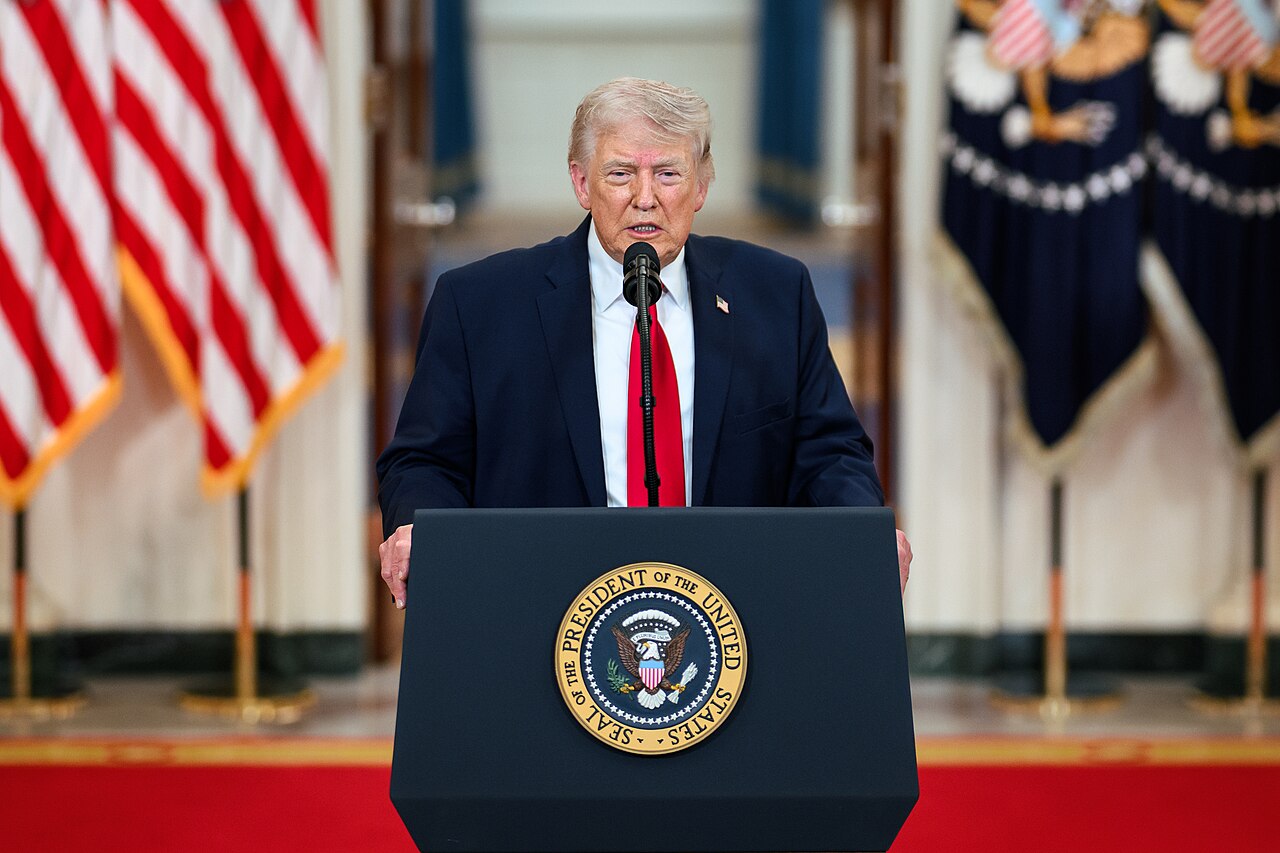
The Trump White House injected a surge of optimism into global markets by declaring the war in Iran ‛very close to over’—all while teasing a new round of talks in Pakistan.
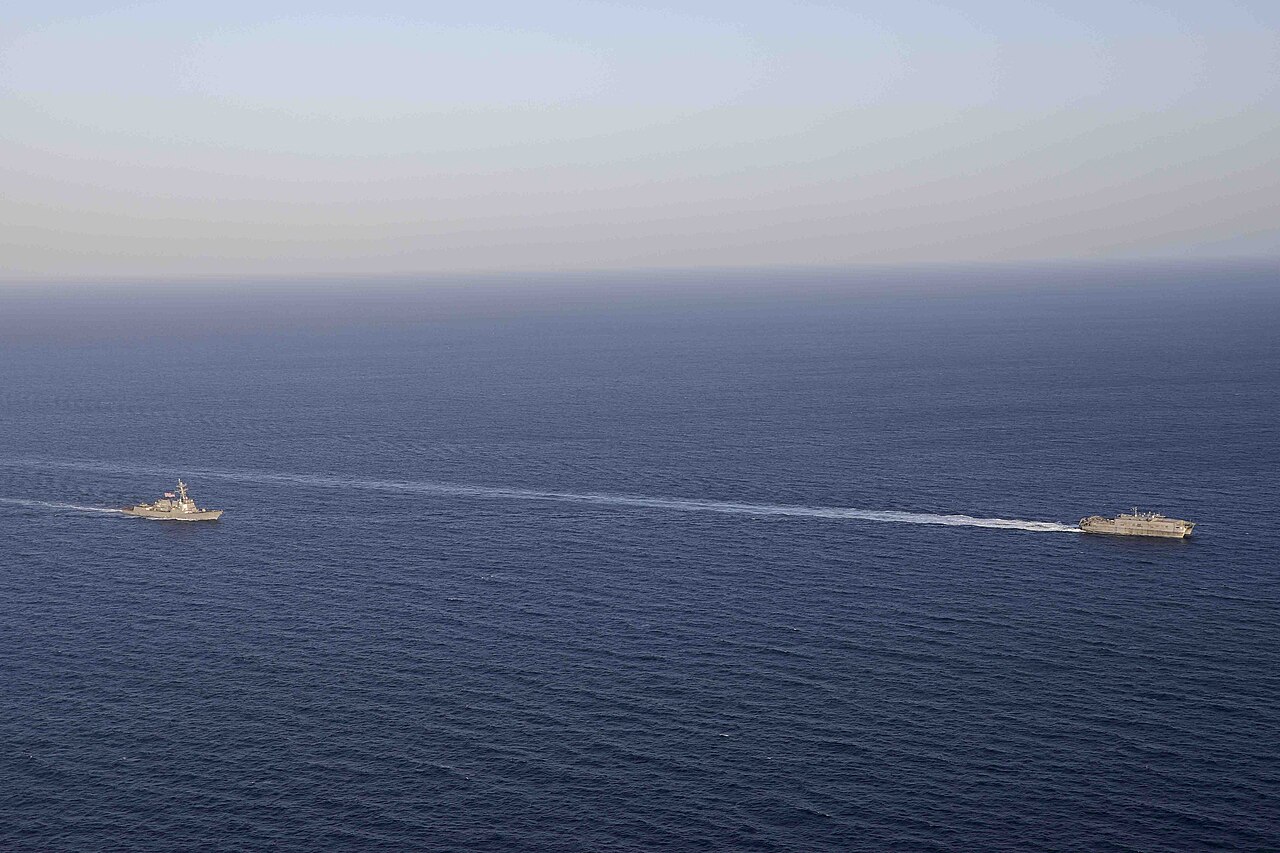
Maritime data shows ships continued crossing the Strait of Hormuz—despite the latest blockade.
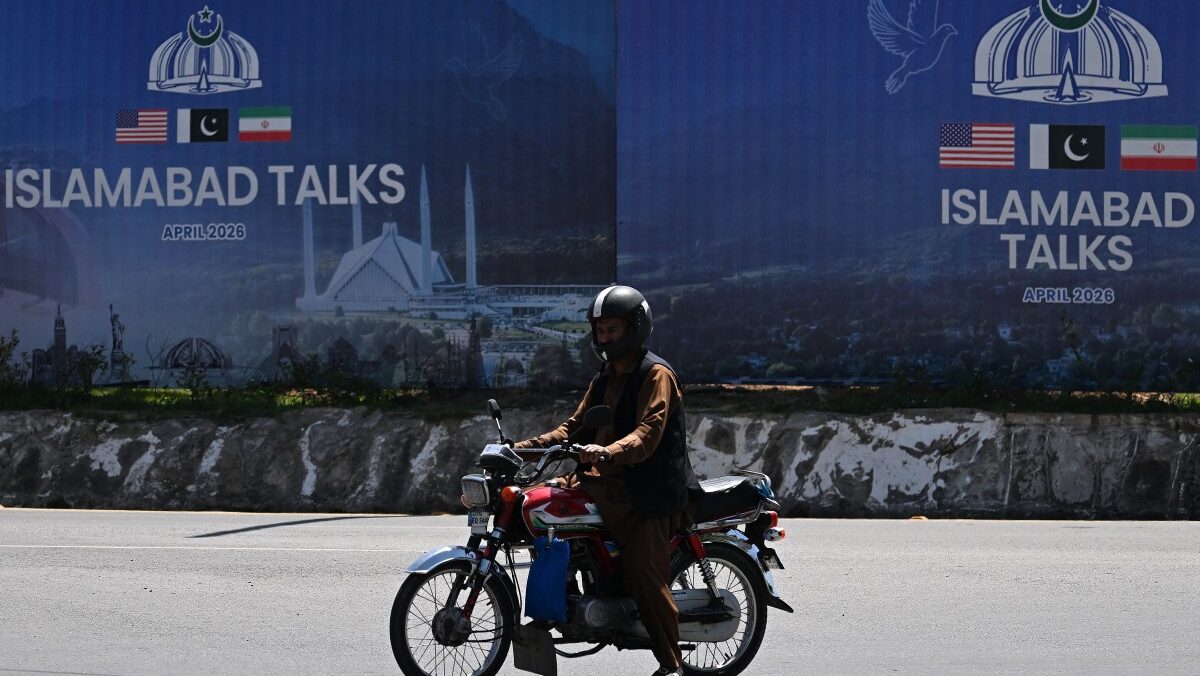
Failed talks and a new U.S. blockade in the Strait of Hormuz raise the stakes as mediators race to prevent a wider escalation.
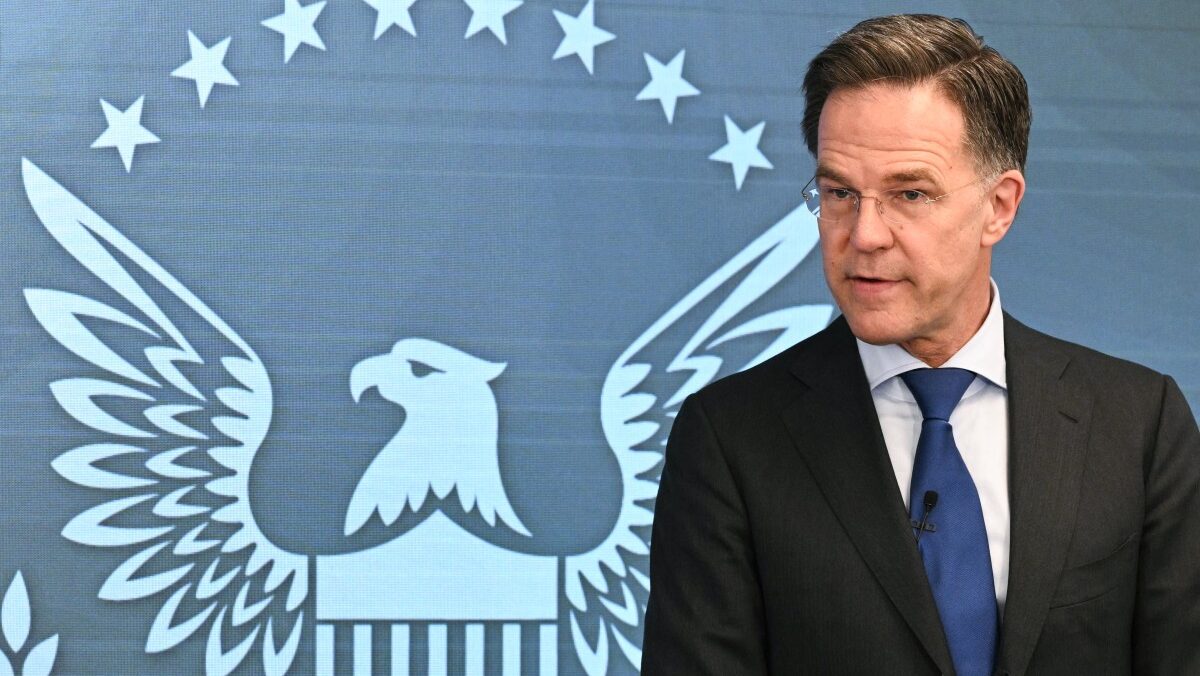
With Gulf shipping routes under threat, Europe rejects Washington’s approach while remaining heavily reliant on the very flows the U.S. seeks to control.
Two NGOs warned that Tehran’s use of the death penalty surged 68% last year and may escalate further amid political turmoil and ongoing conflict.

As Pakistan-hosted peace talks broke down, Trump blamed Tehran’s refusal to curb its nuclear ambitions and vowed to seal off Iran’s maritime trade routes.
Iran’s state broadcaster IRIB said negotiations stalled over “unreasonable demands of the American side.”