
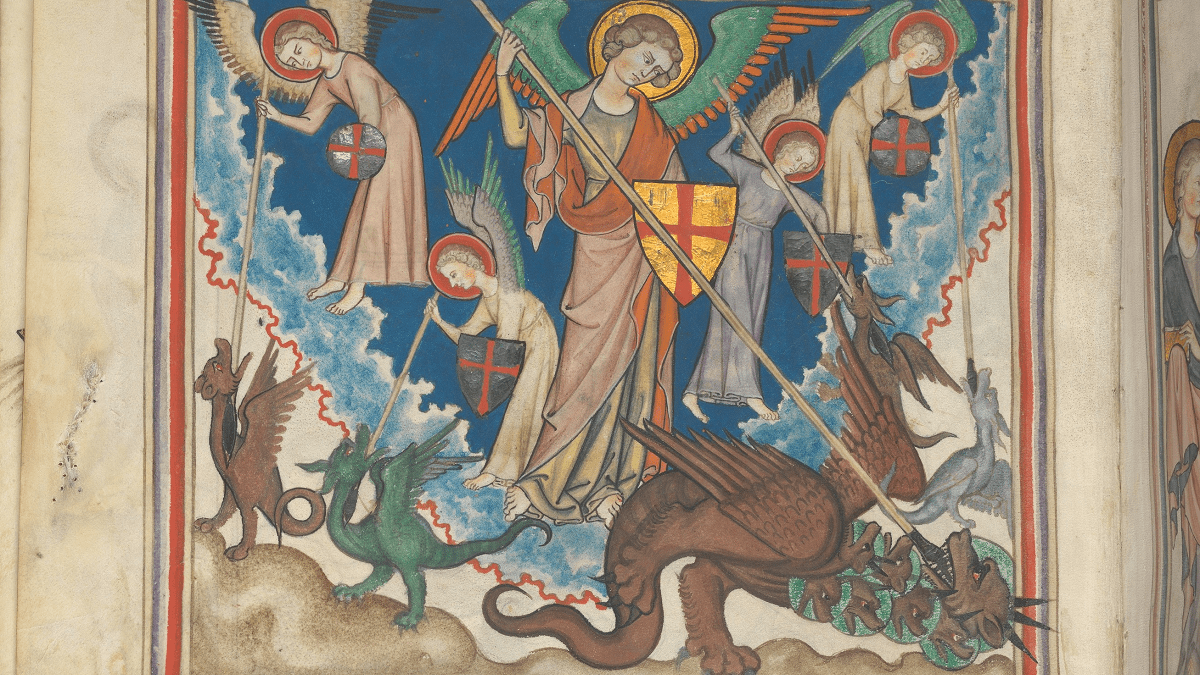
The Apocalypse According to J.R.R. Tolkien
Marked by historical events of such magnitude as the two world wars, Tolkien and other Christian intellectuals of his day grappled with profound questions about the fate of the world.

Marked by historical events of such magnitude as the two world wars, Tolkien and other Christian intellectuals of his day grappled with profound questions about the fate of the world.
The greatest Catholic writers of the 20th century drew on the deep riches of the liturgy to speak to the secular age.
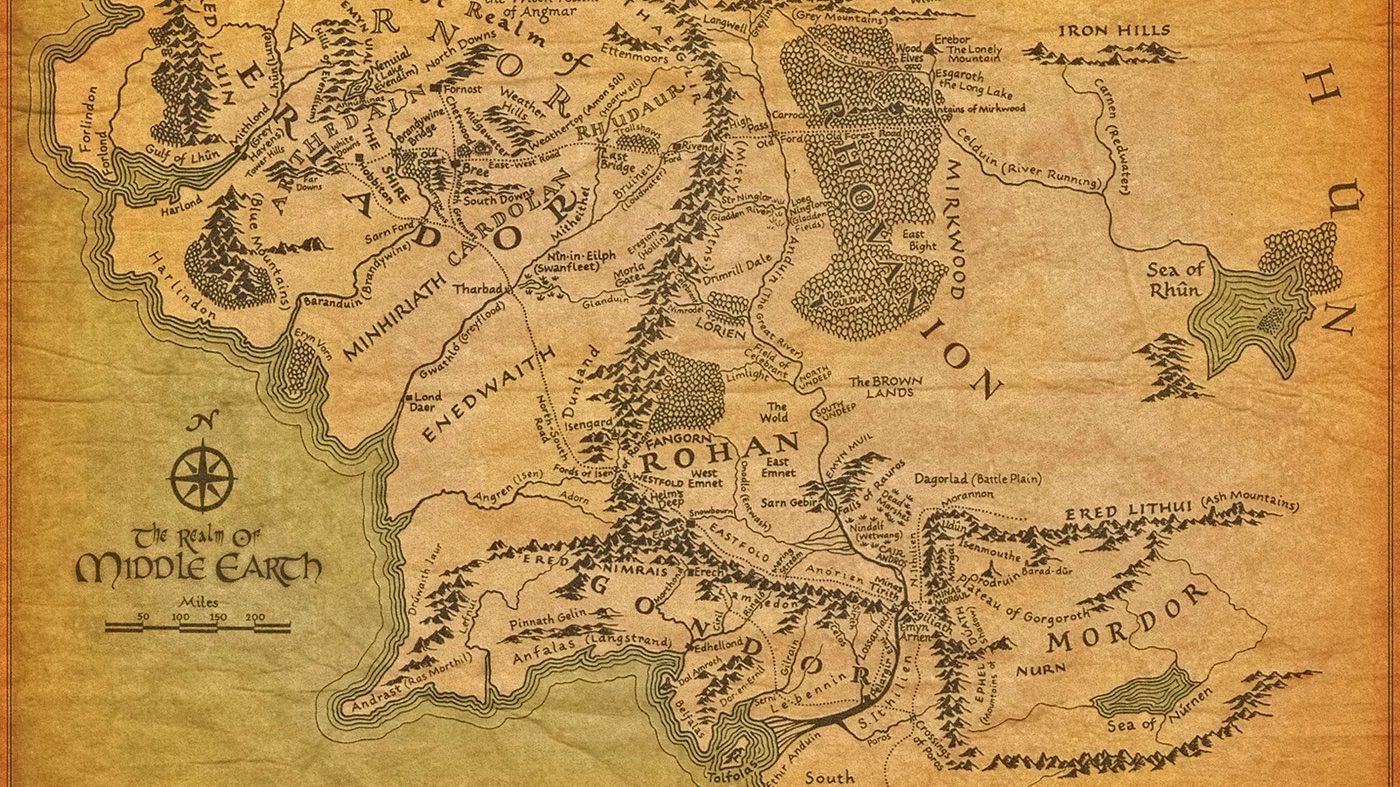
FROM THE FALL 2023 PRINT EDITION: In crossing the threshold into Middle-earth, I stepped into a moral cosmos unlike the relativist world in which I resided.
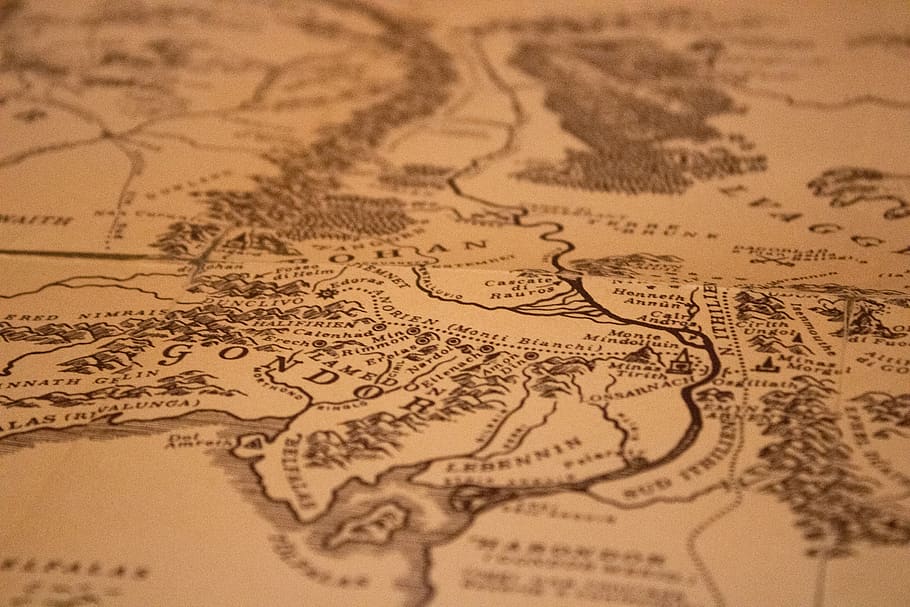
The values of Tolkien’s world are not those of moral relativism, but those of the traditional Christian conception of courtship and romantic loyalty, in which the intimate aspects of love are treated with discretion and respect that protects their nobility.

Anti-terrorism preventative unit faces backlash after ludicrous categorization of Christian and conservative classics.

Tolkien’s most intimidating book may be his richest.

The renewed obsession with the minutiae of Tolkien’s work gives me an excuse to revisit my favorite bit of Tolkien trivia: that the Polish king’s great victory was the inspiration for Tolkien’s Battle of the Pelennor Fields.
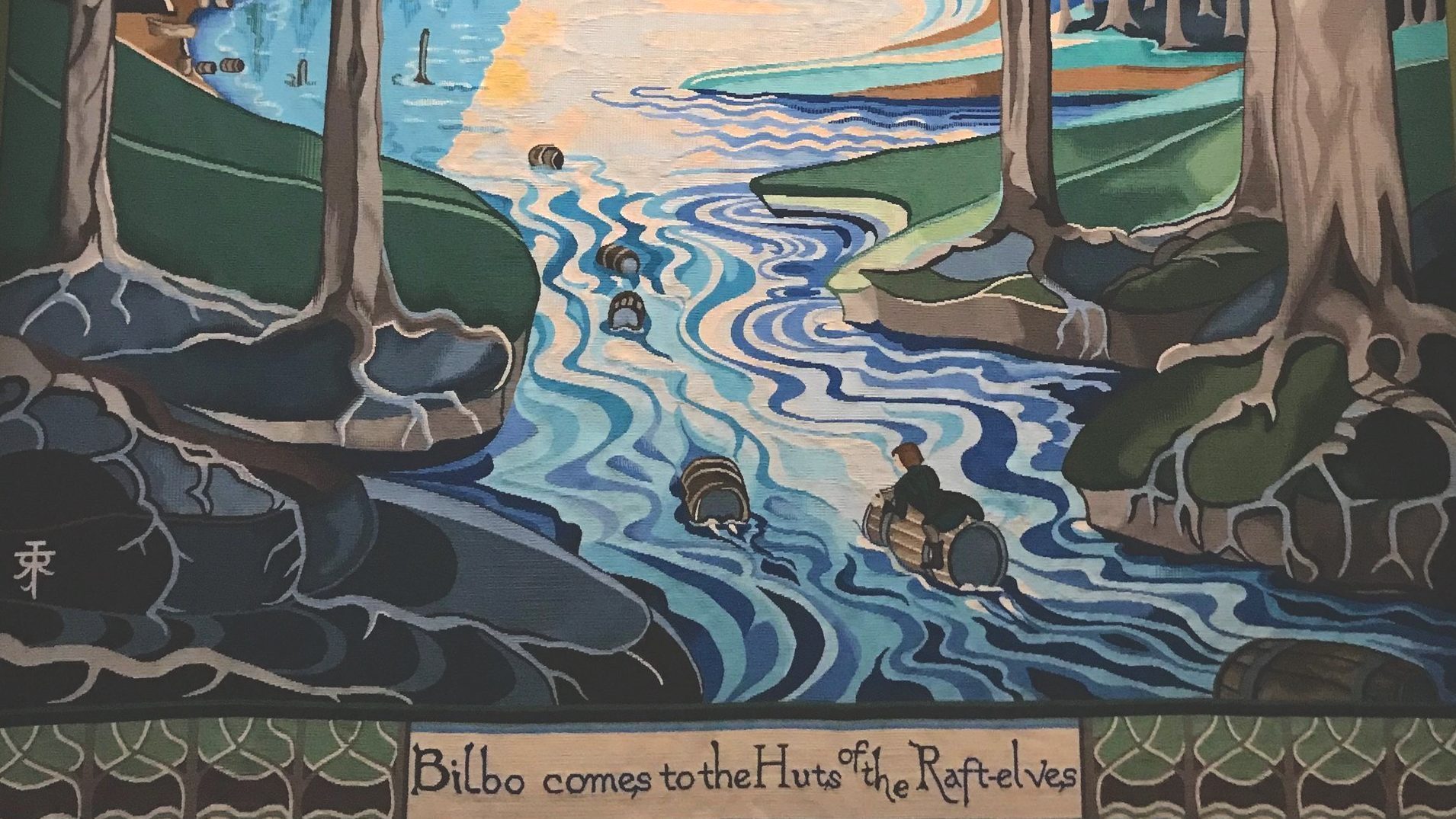
When I first heard Elendil’s line in the third teaser trailer, “The past is dead, we either move forward or die with it,” I became fixated with the whole carnival surrounding Amazon’s billion dollar creative venture—how could it be that J.R.R. Tolkien, a Tridentine-Mass-loving skeptic of modernity was providing the aesthetic and imaginative fuel of woke intersectionalists and activist ideologues in Hollywood?
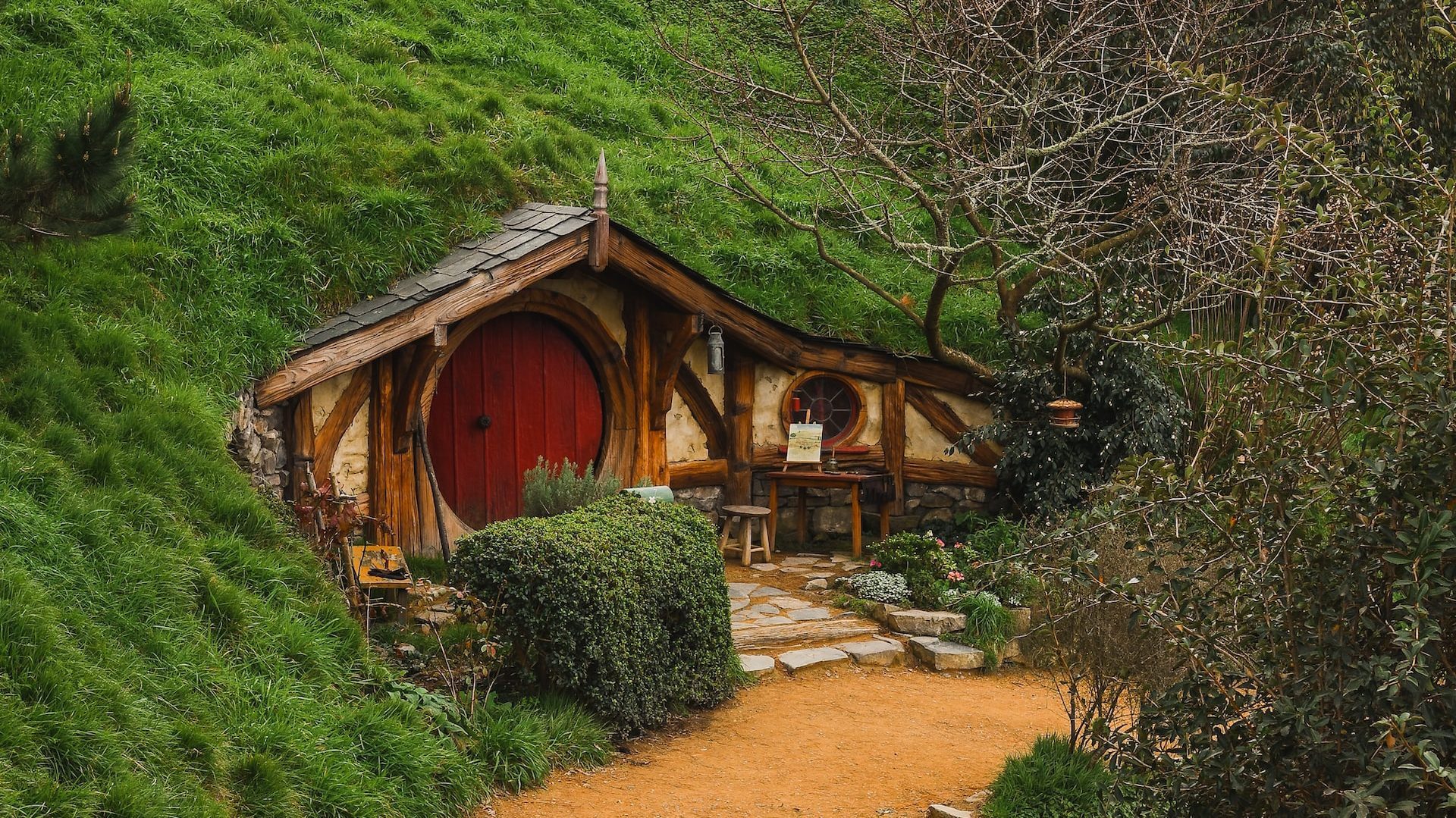
If these academics are believed, every closet in Middle Earth is absolutely stuffed with creatures eager to launch Pride Parades in Mordor and Drag Queen Story Hour in the Shire. This work is not simply academic navel-gazing—activists have petitioned Amazon to include LGBT characters in the new small screen adaption of Tolkien’s work.
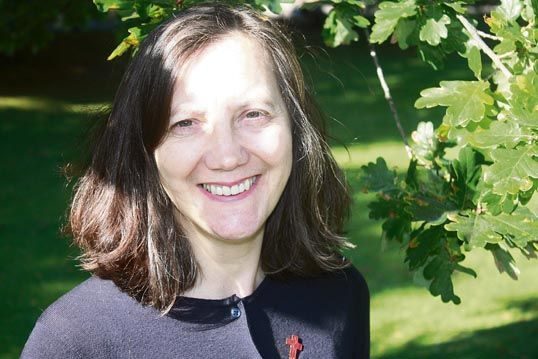
“Tolkien’s understanding of creativity is that God gives us the things out of which to create. The clay, the leaves, the words, even the language. And we use those to make things by arranging them into new combinations. But in one sense, all of those combinations are possibilities already present in the mind of God. And Tolkien believed we would go on to do that in Heaven.”—Alison Milbank