

Kosovo Faces Another Snap Election Amid Leadership Deadlock
Despite multiple electoral victories for the ruling party, the collapse of Pristina’s latest parliamentary session has forced the President to call for yet another snap general election.

Despite multiple electoral victories for the ruling party, the collapse of Pristina’s latest parliamentary session has forced the President to call for yet another snap general election.
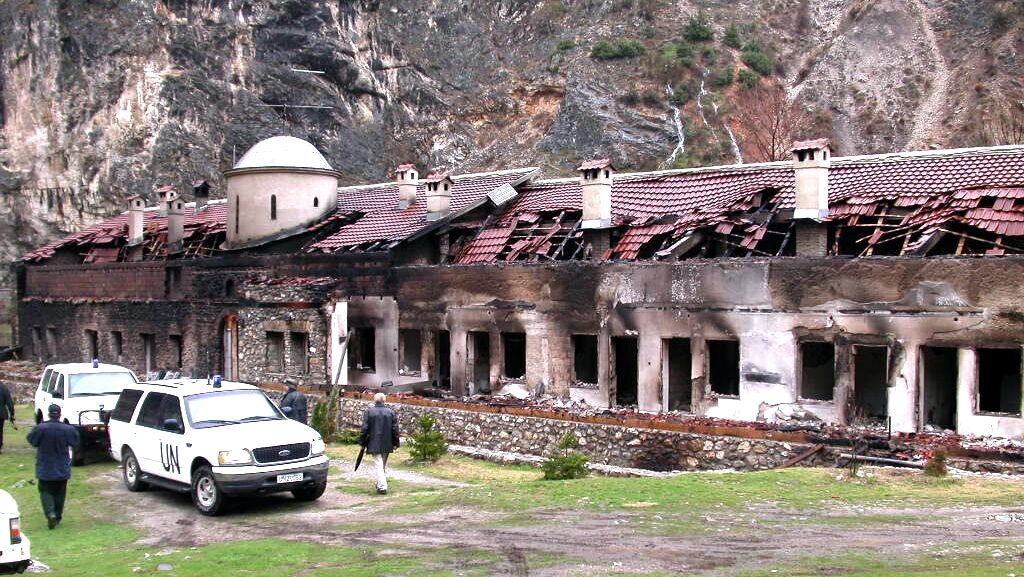
155 Christian churches and monasteries were destroyed or severely damaged between June 1999 and March 2004.
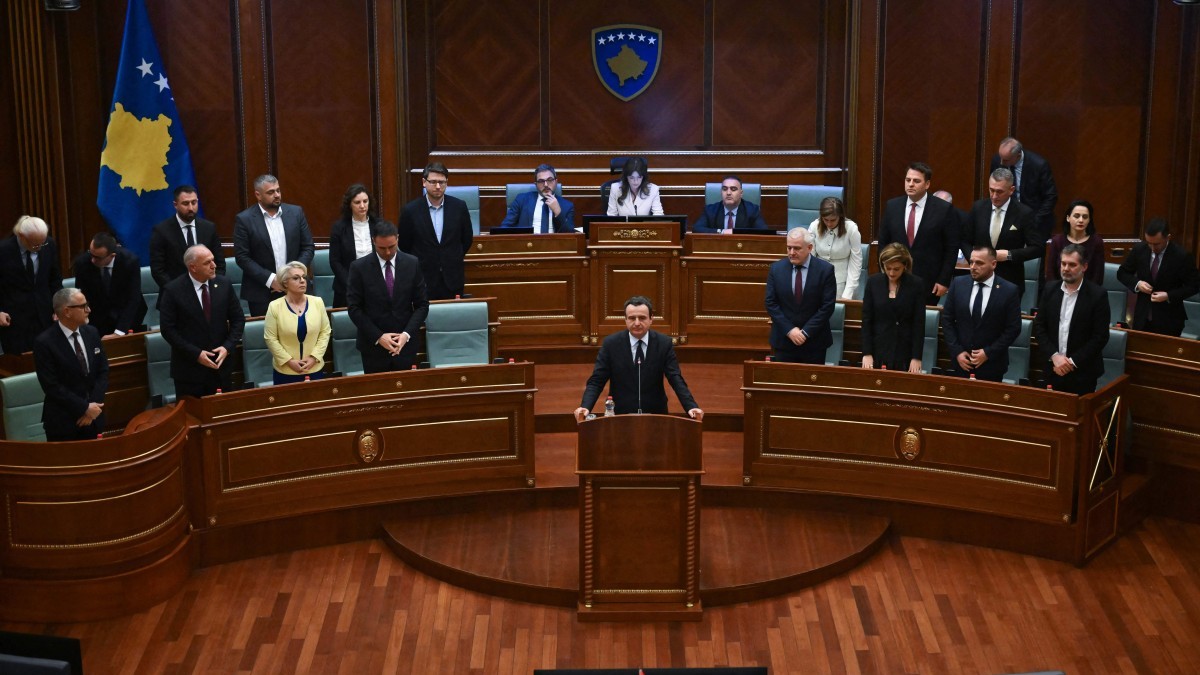
Albin Kurti promises to “pursue normalisation of relations” with Belgrade.

Voters return the PM to power in Pristina—this time in sufficient numbers to secure a working government depending less than before on coalition partners.

Kosovo has committed to accepting up to 50 individuals identified by U.S. authorities for deportation, with the first arrivals already in the country.

Political deadlock has pushed Kosovo’s president to call new elections for December 28, the second vote in less than a year.
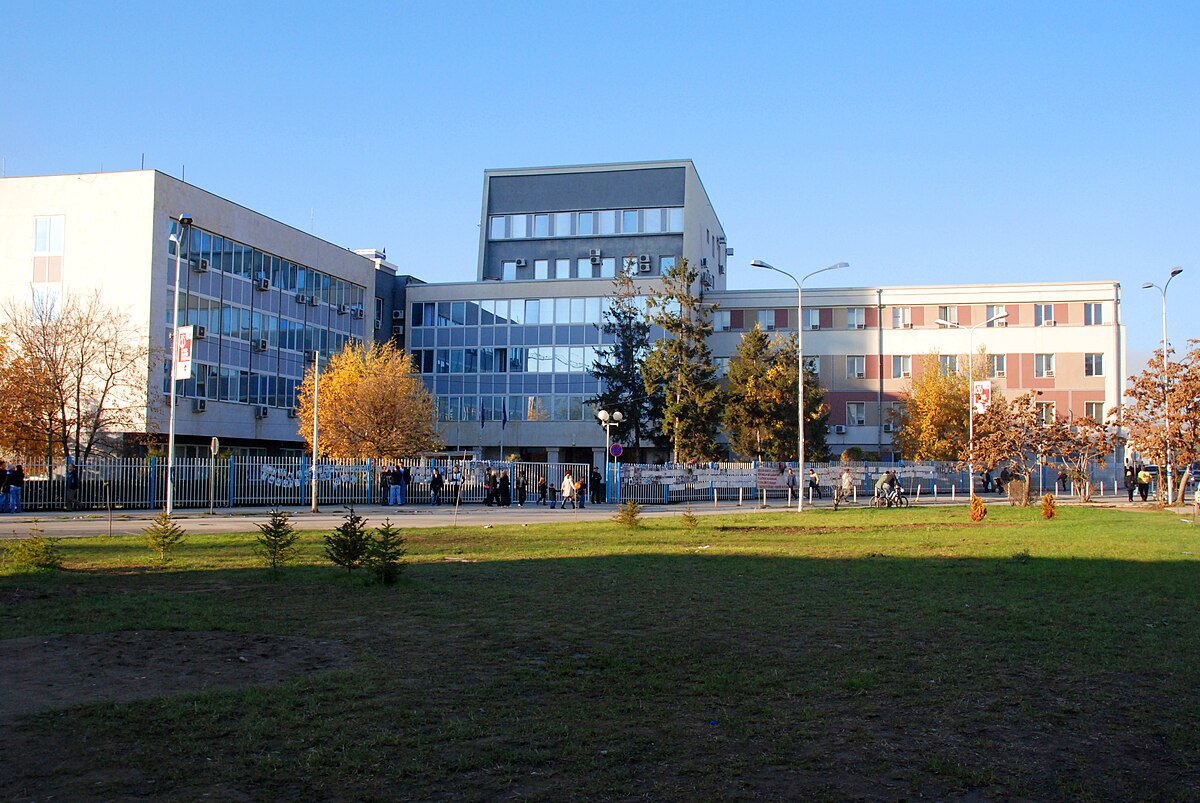
The political stalemate in Pristina has already jeopardised more than €200 million in World Bank and EU funding as lawmakers remain deadlocked.
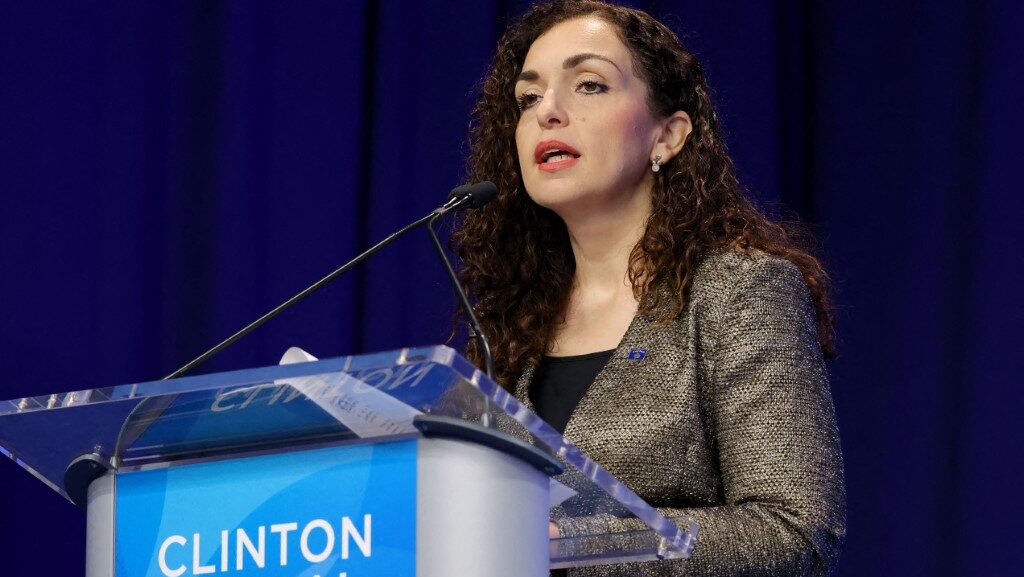
Five EU member states, including Spain, do not recognize Kosovo, which would turn its entry into a political and legal labyrinth
Kosovo’s fragile political relations face another test as leaders attempt to turn a symbolic parliamentary success into real governance.

Following Denmark’s example in Kosovo, Belgium eyes up the Balkans as a destination for its inmates.