MCC Brussels: No Evidence Behind Allegation of Russian Influence in Hungary Vote
The conservative think tank’s researchers say claims of Russian interference in Hungary are “cynical, hypocritical, and dangerous.”

The conservative think tank’s researchers say claims of Russian interference in Hungary are “cynical, hypocritical, and dangerous.”

The initiative has sparked concern among those who believe open dialogue and psychological support are important to explore complex emotions safely.

Speakers at a Budapest conference argued that former U.S. and current EU funding programmes overtly promote progressive causes instead of traditional development goals.

Forcing X, formerly Twitter, to release data for elections enables the EU-backed civil society groups to scrutinize sensitive information—prompting national sovereignty concerns.

Event attendees will gain practical insights into goal setting, risk calculation, and mastering high-stress situations.

The project seeks to protect democracy, ensure genuine accountability, and safeguard free expression across Europe.

Those pushing for a ban are not being open about what constitutes a ‘conversion practice.’

MCC Brussels criticized the NGO behind the lawsuit, calling its demand and the legal action a “foreign power grab” rather than a move for transparency.

“It is no longer just about controlling the narrative, but about ensuring electoral outcomes that are compatible with institutional interests.”

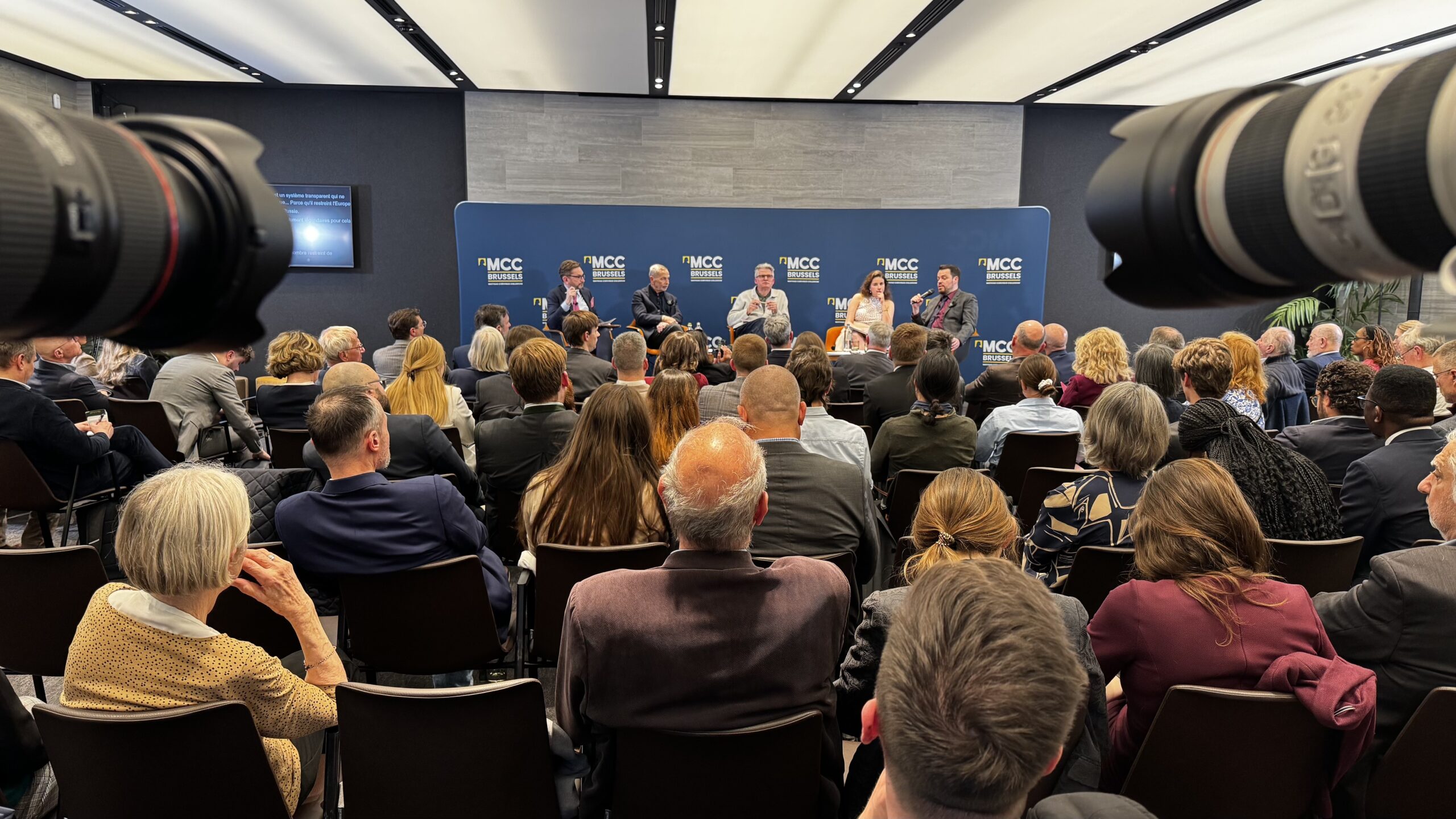
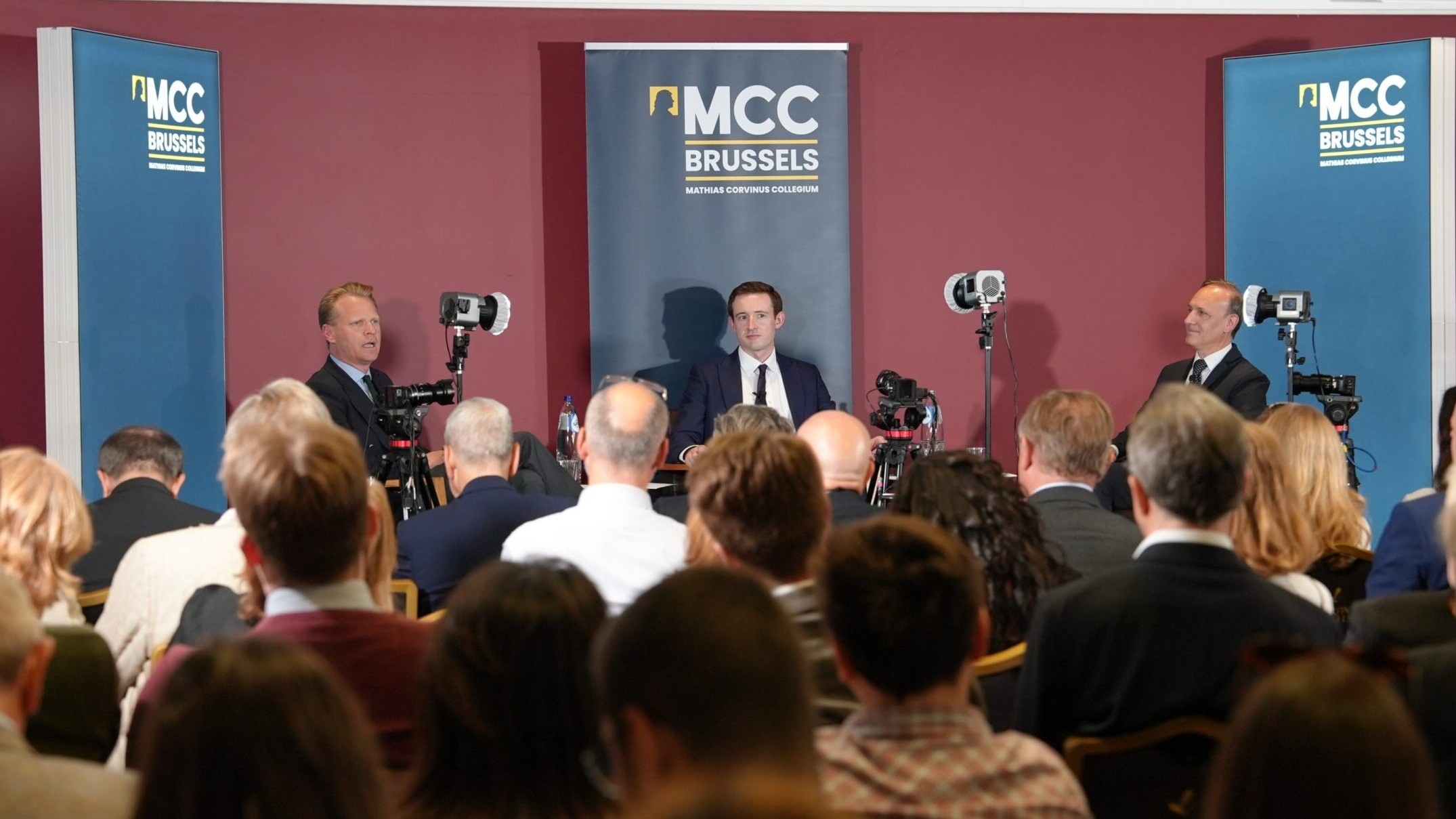
Warnings were raised at a debate hosted by MCC Brussels as critics questioned how far the initiative could reshape political speech during elections.