
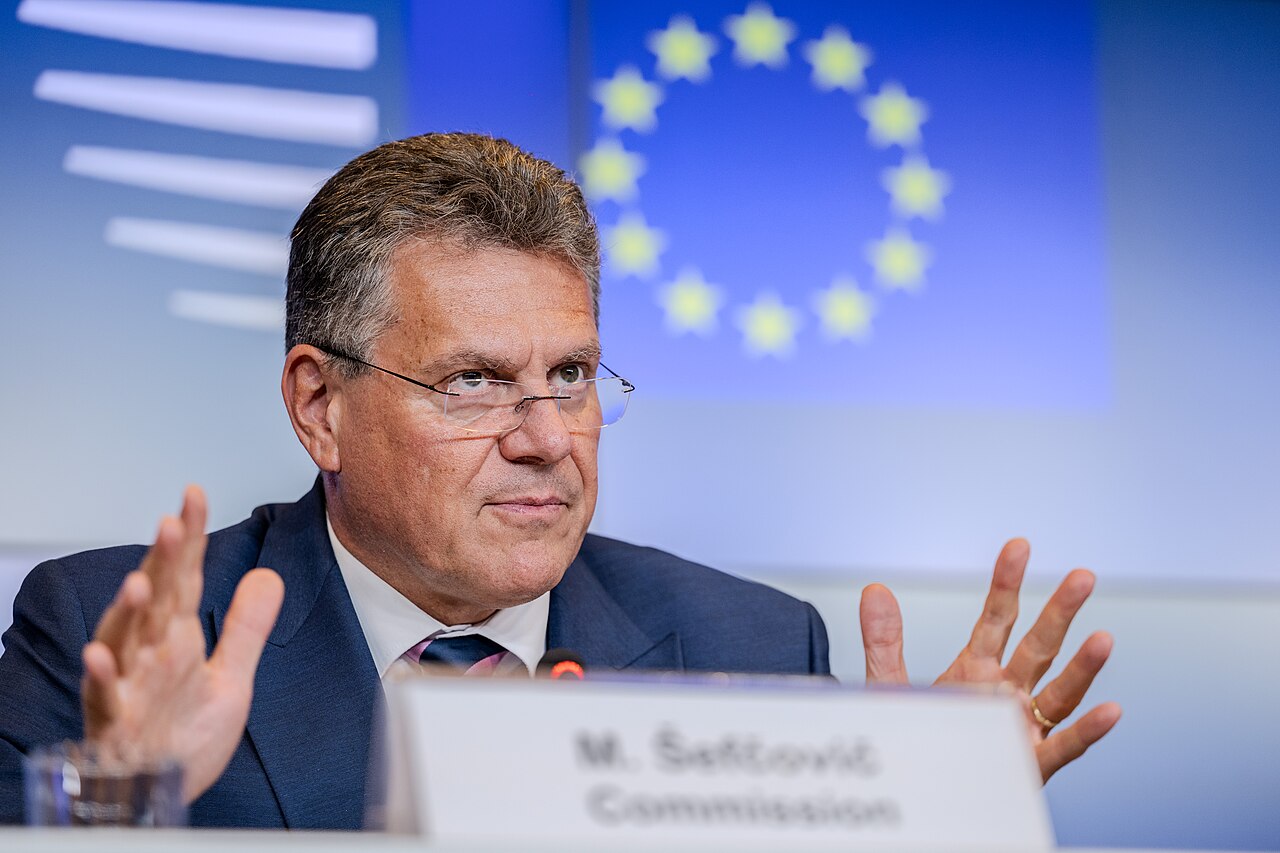
EU To Launch Mercosur Trade Deal on May 1st Despite Legal Challenge
Brussels presses ahead with the South American pact, resisting court pressures and political opposition.

Brussels presses ahead with the South American pact, resisting court pressures and political opposition.

The European Commission says Russian-linked disinformation is fuelling opposition from European farmers.
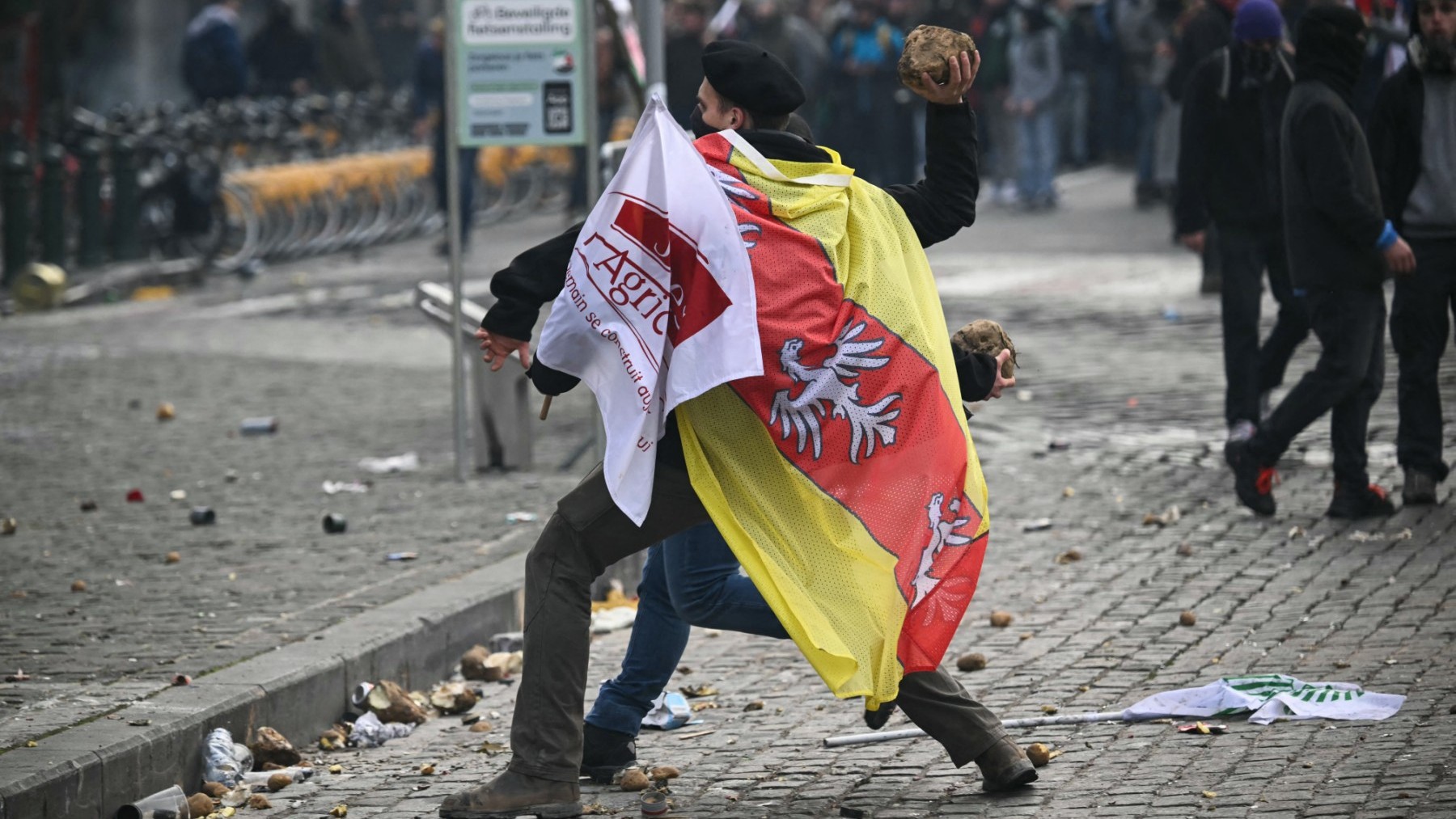
According to FUGEA, the provisional implementation of the agreement poses serious threats to European production.

Announcing the provisional application of the controversial deal, von der Leyen stressed it “can only be fully concluded once the European Parliament has given its consent.”
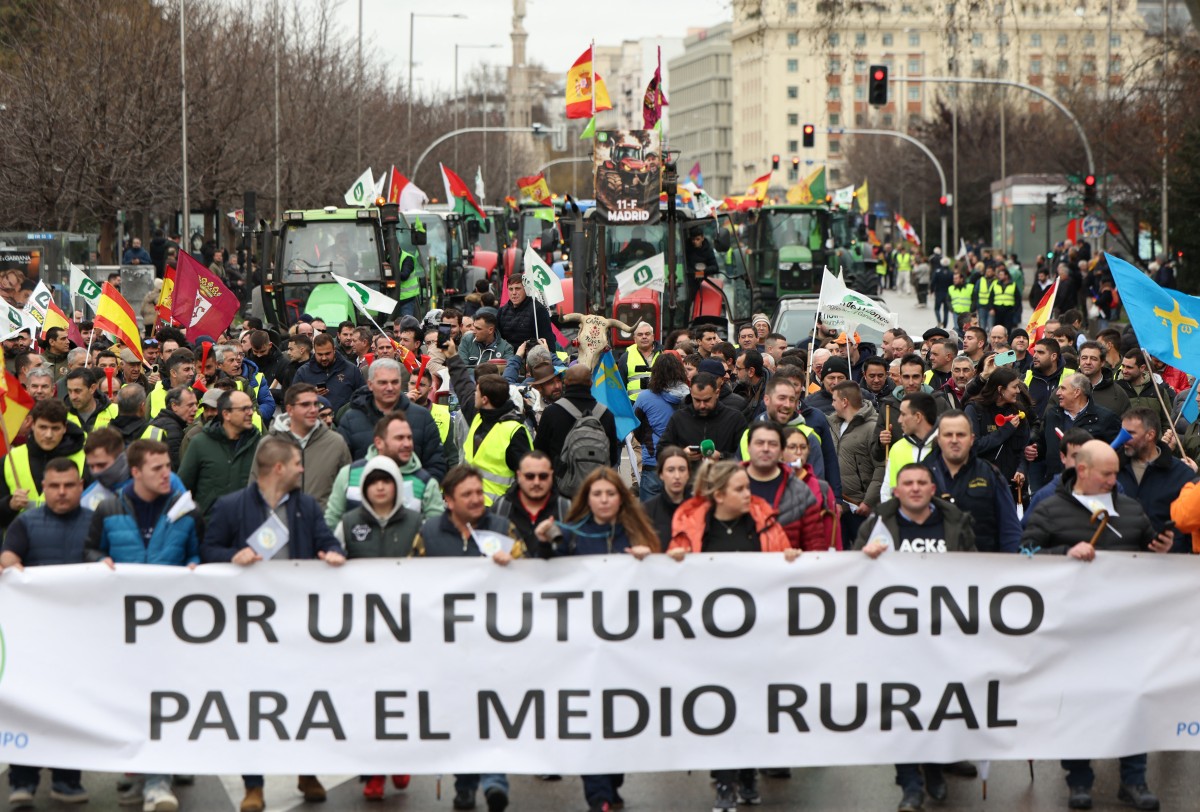
Five convoys converged on the Spanish capital, causing major traffic disruption along the route to the Agriculture Ministry.
Benefits concentrated in a few industrial sectors contrast with dispersed costs borne by farmers, SMEs, and European consumers.
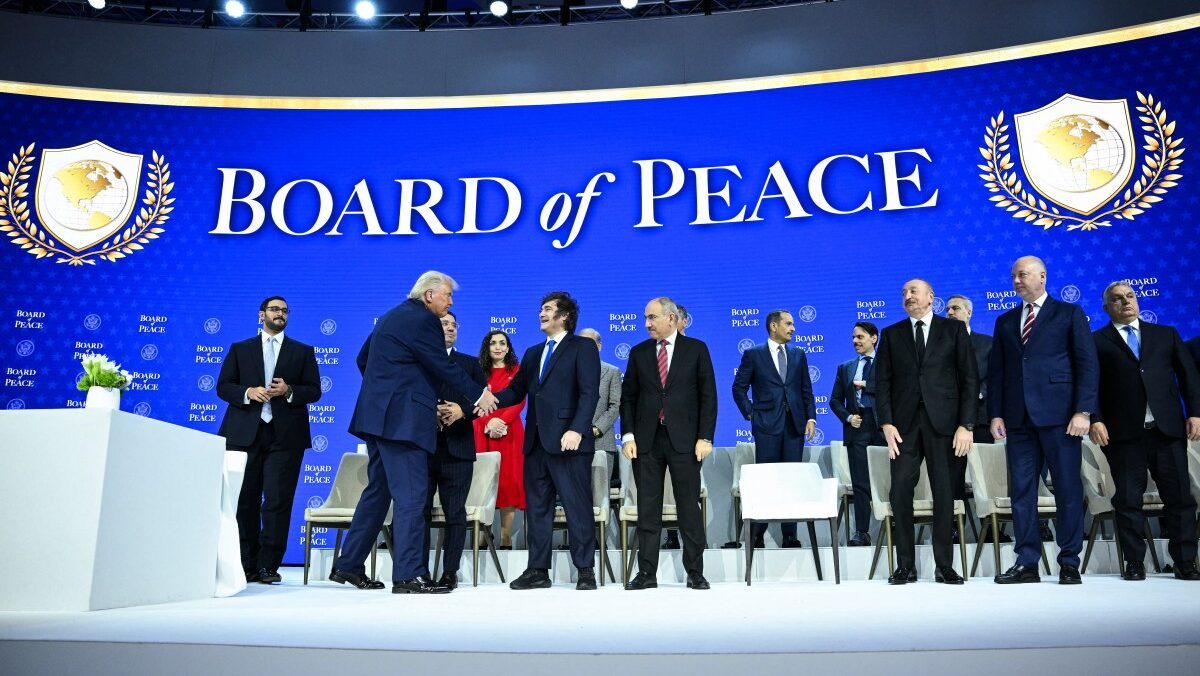
Romania no longer behaves as a sovereign strategic actor but as a compliant institutional satellite.
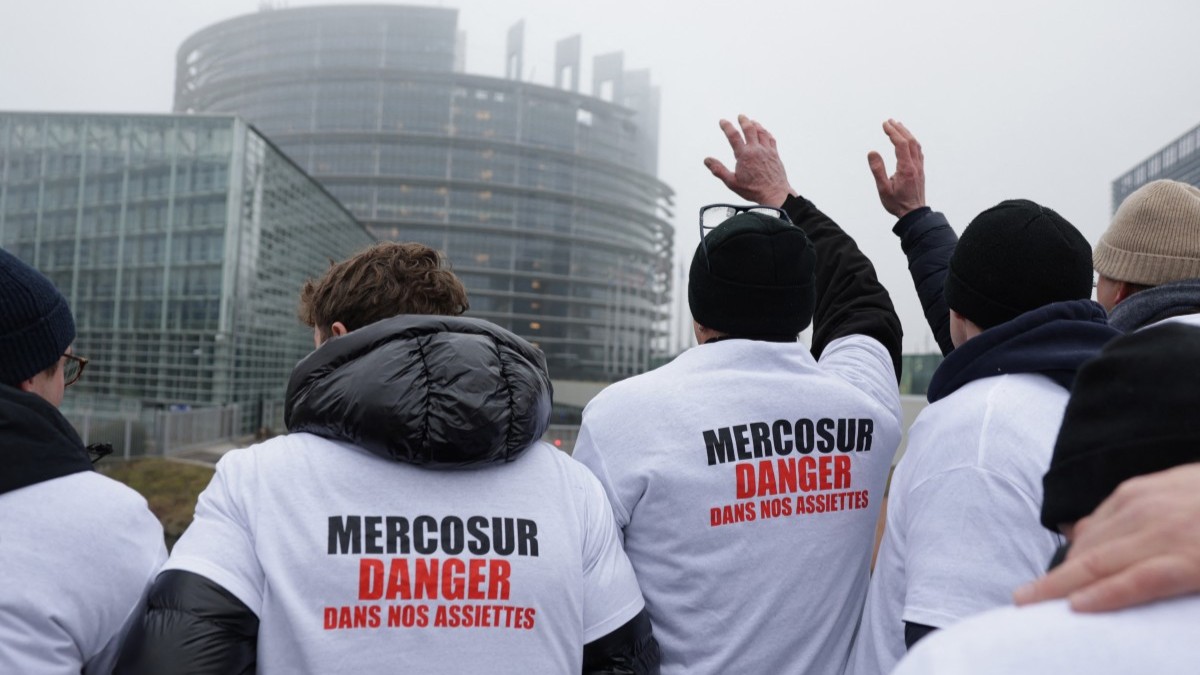
The European Parliament’s decision to refer the Mercosur agreement to the EU courts may ultimately pave the way for its provisional application—without safeguards.
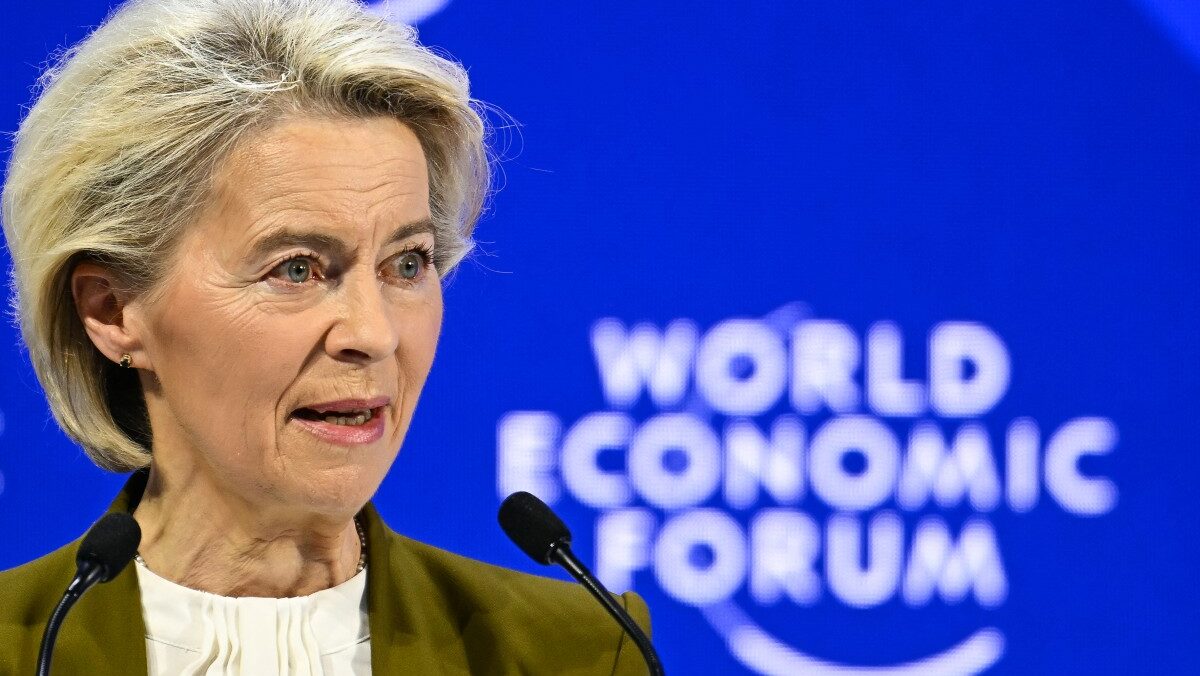
The continuity at the top of the Commission only highlights the EU’s inability to conclude the increasingly contested Mercosur trade agreement.
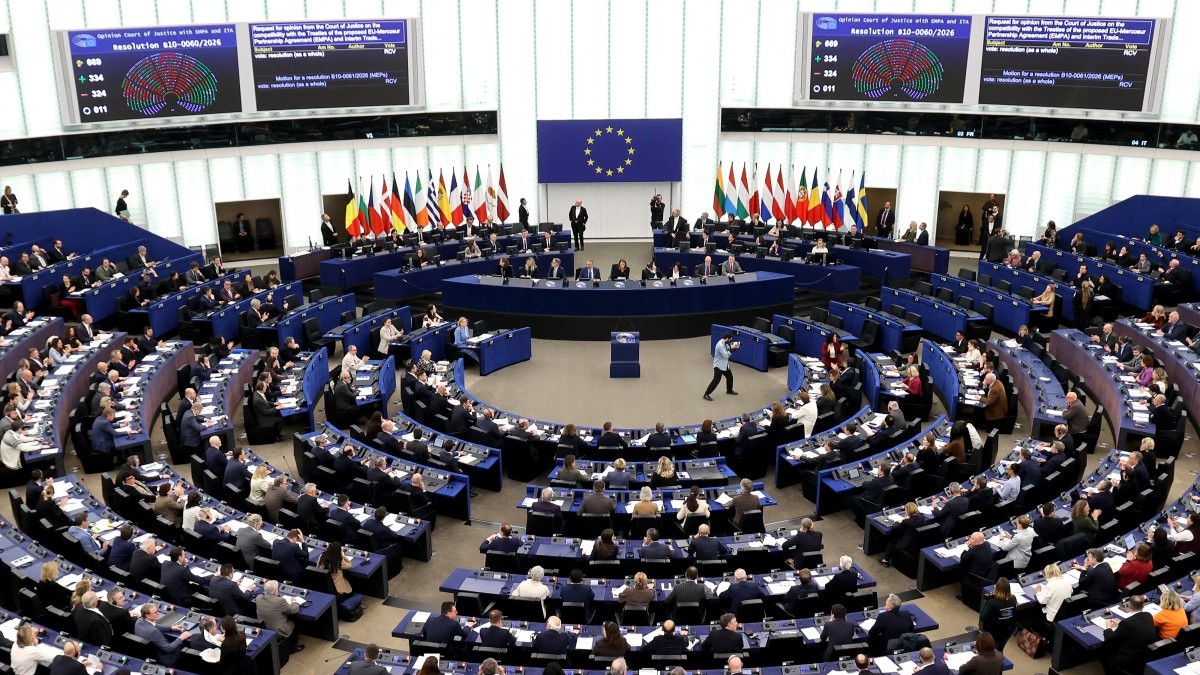
The trade agreement with Latin American countries pits the EPP’s members against each other as national agricultural interests collide with industrial goals.