
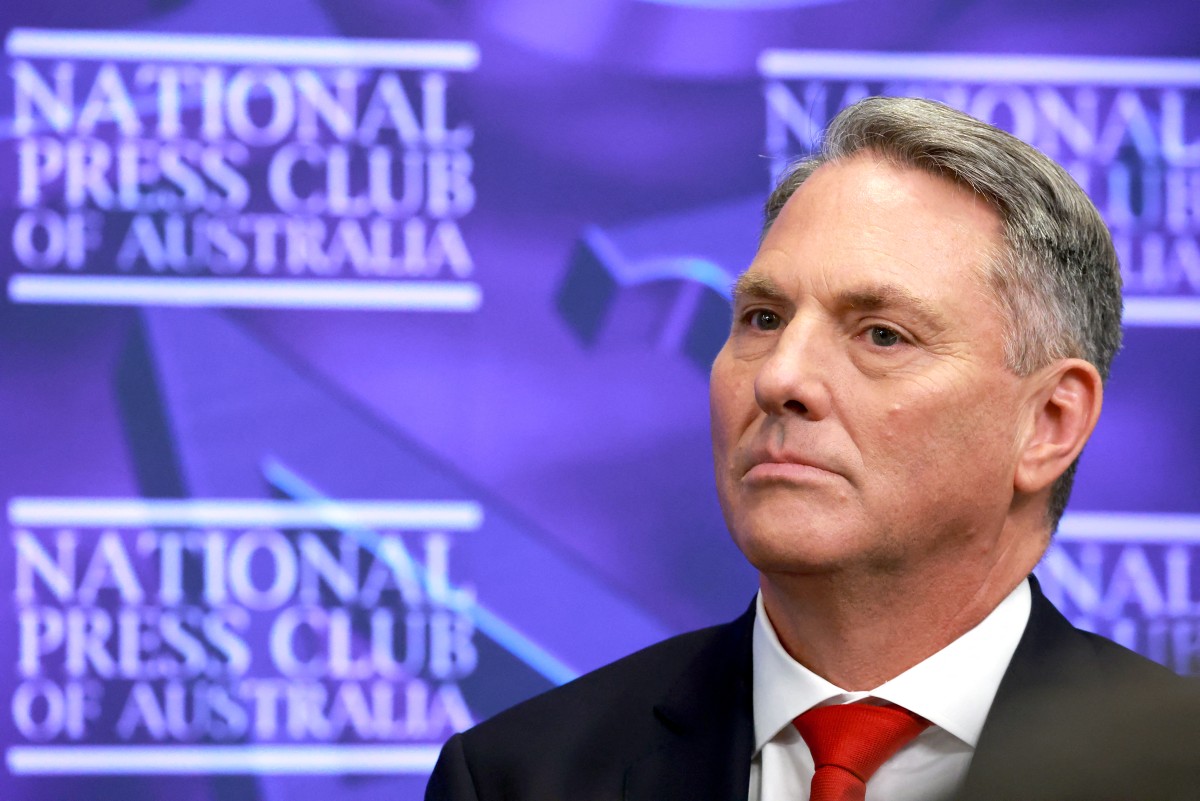
Australia Expands Military Spending as Security Concerns Grow
Canberra has adjusted its defence spending calculation to align with NATO standards, reclassifying intelligence budgets—and even military pensions to hit new targets.

Canberra has adjusted its defence spending calculation to align with NATO standards, reclassifying intelligence budgets—and even military pensions to hit new targets.
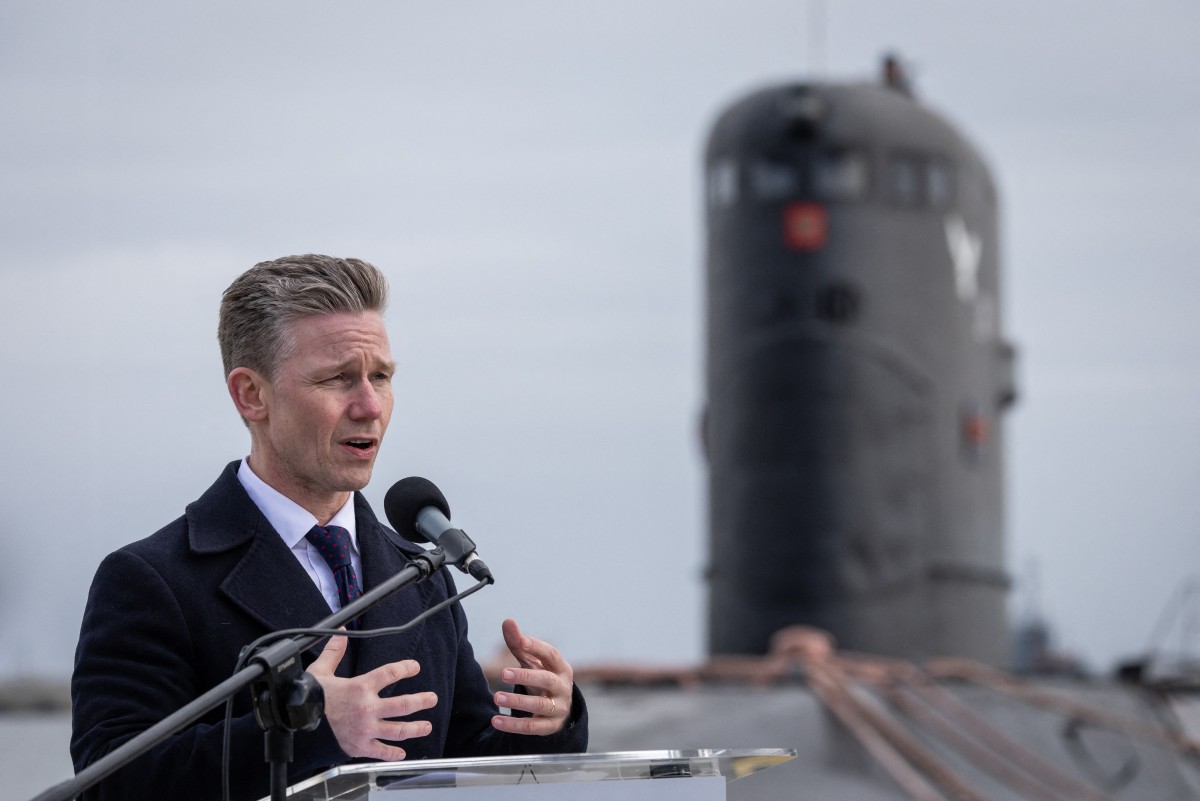
Stockholm revealed that its drone-protection funding will support new radar platforms, anti-aircraft systems, and electronic warfare tools—all part of its broader military modernization.
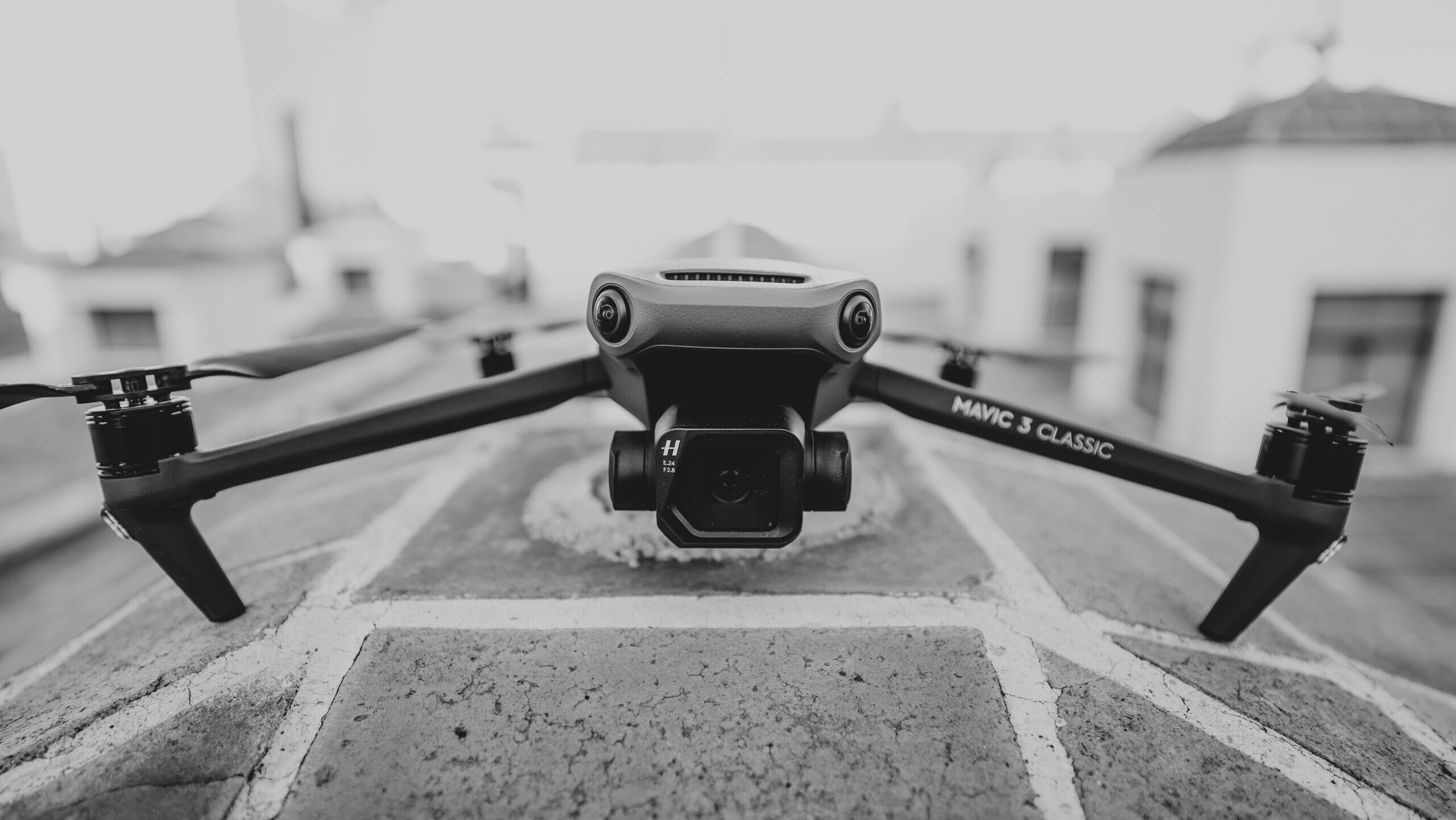
Under the banner of security, the European Commission moves toward a military integration that many member states firmly reject.
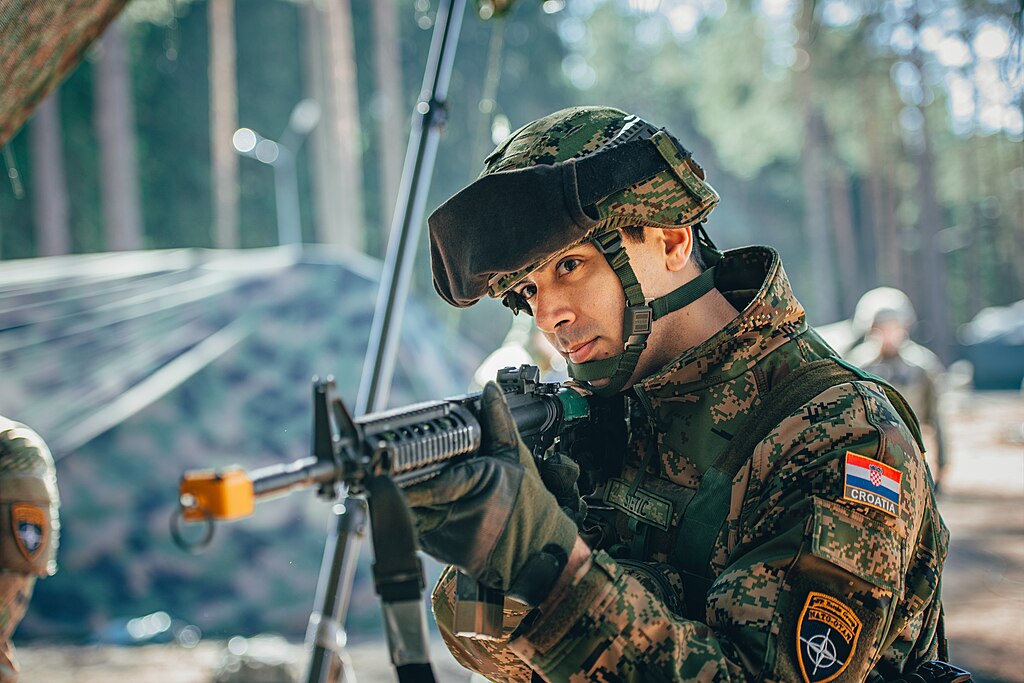
The NATO report shows that almost all allies now meet the 2% GDP target for defense, but with fewer troops.

While the French PM claims to be “bold and taking risks,” we are still yet to see cuts of undue social welfare spending linked to immigration.
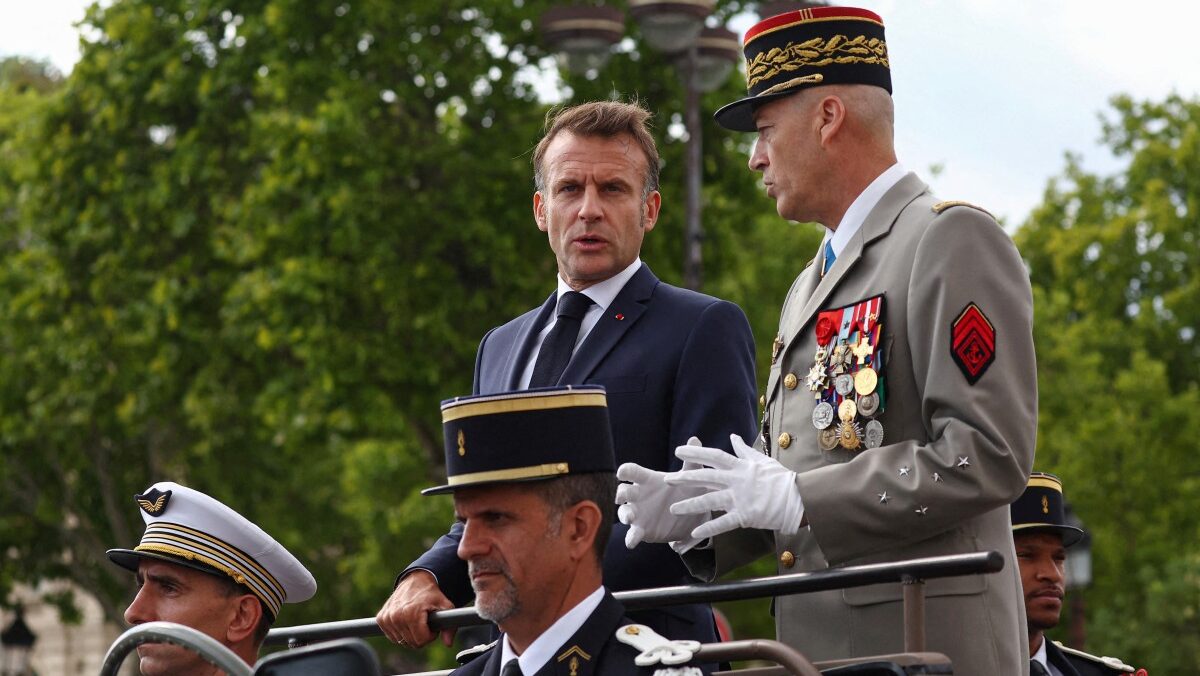
The French president has announced a significant increase in the army’s budget—but with what money?
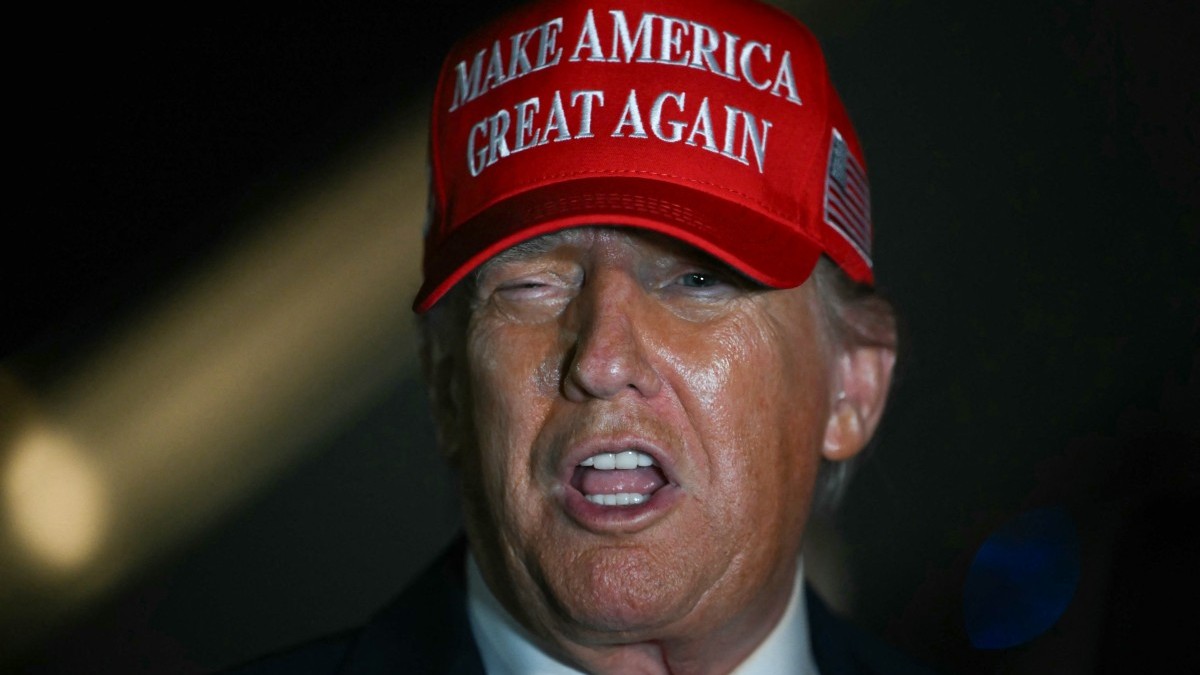
The president hailed the passing of the legislation as a “phenomenal victory.”
PM Keir Starmer proposes a new framework that would allow the UK to reach the required military spending levels without huge public funds injections.
The huge military spending will cost the country more than €215 billion per year.
Soros funding and ideological assumptions mean that More in Common research “findings” should be approached with caution.