
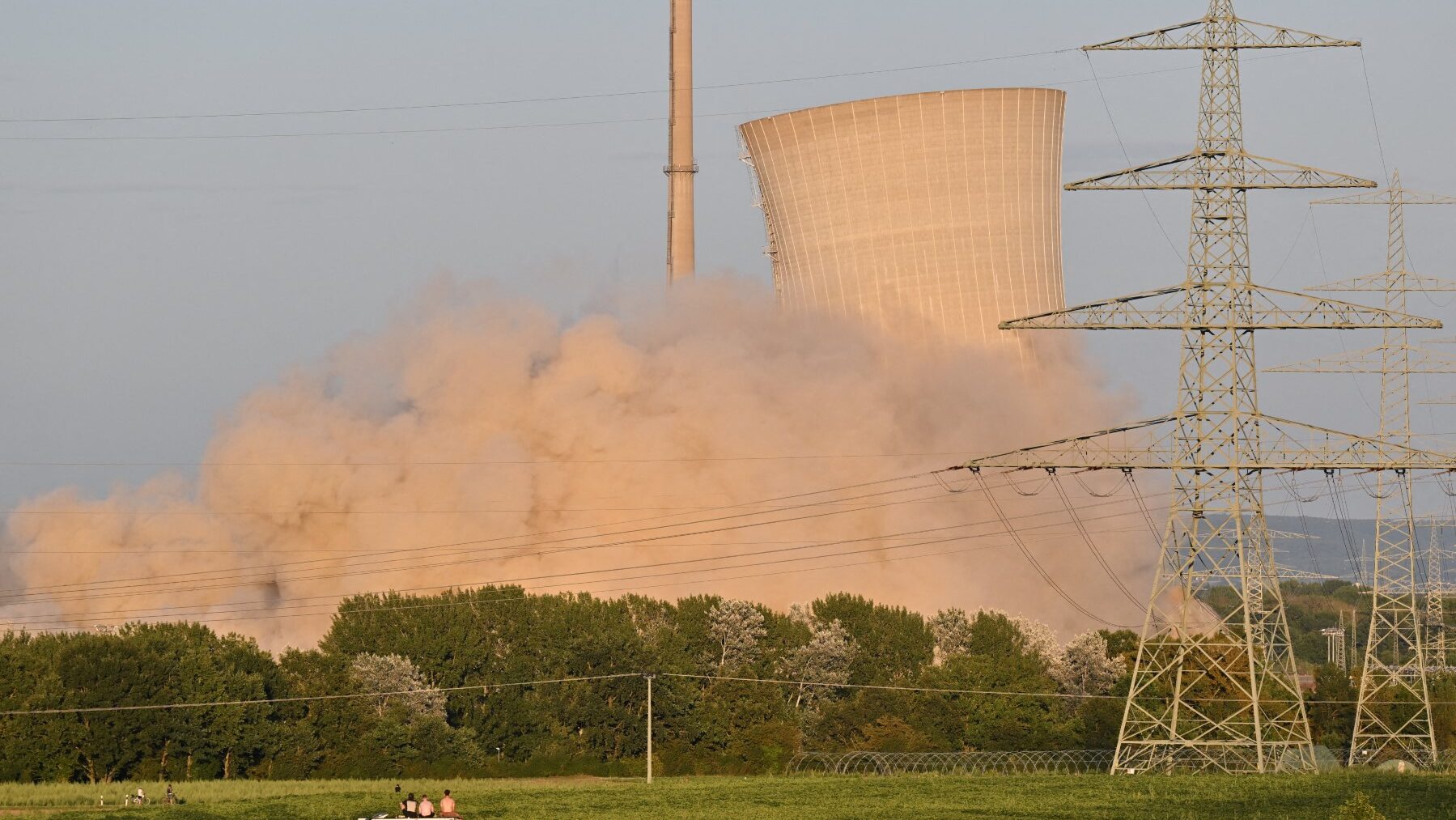
Von der Leyen Admits Nuclear “Mistake” She Helped Create
After years of sidelining atomic power, Brussels now says Europe must rebuild its nuclear industry.

After years of sidelining atomic power, Brussels now says Europe must rebuild its nuclear industry.

Brussels plans new energy measures, including a €200 million guarantee to boost nuclear innovation investments.
Marco Rubio will attend the Munich Security Conference and then travel on to Bratislava and Budapest.

While the Commission claims it does not want to swap one dependency for another, it is helping entrench a more expensive energy model increasingly controlled from Washington.
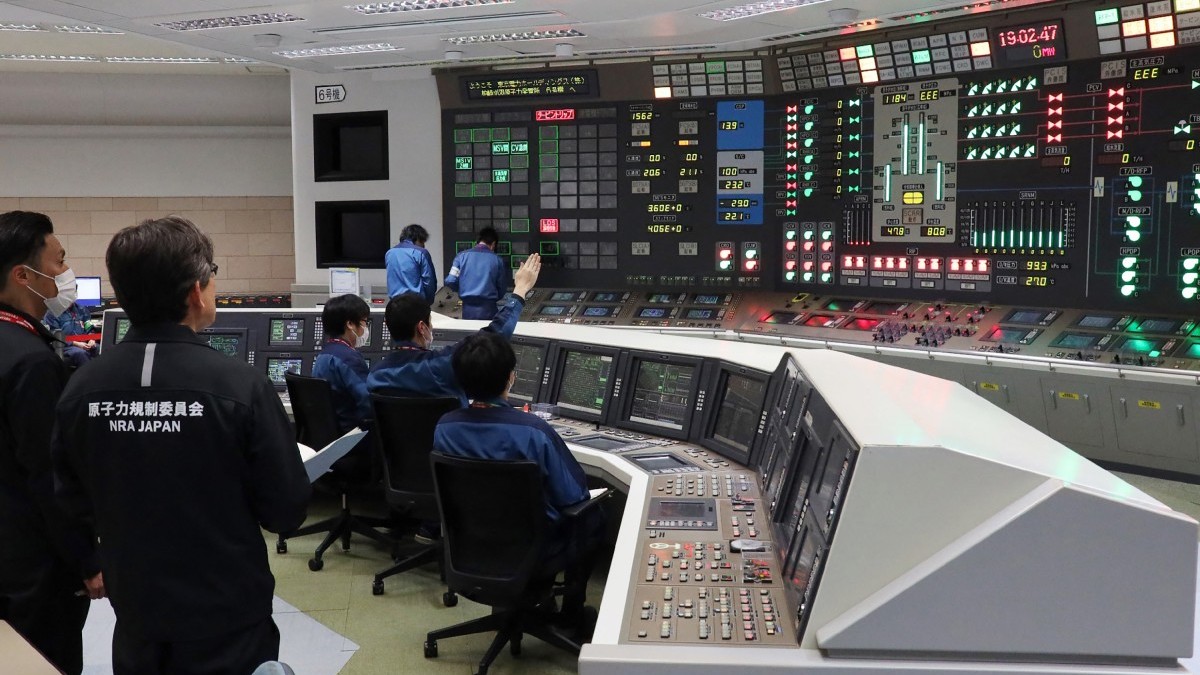
Tokyo aims to revive nuclear power to cut reliance on fossil fuels—and to meet its goal of carbon neutrality by 2050.
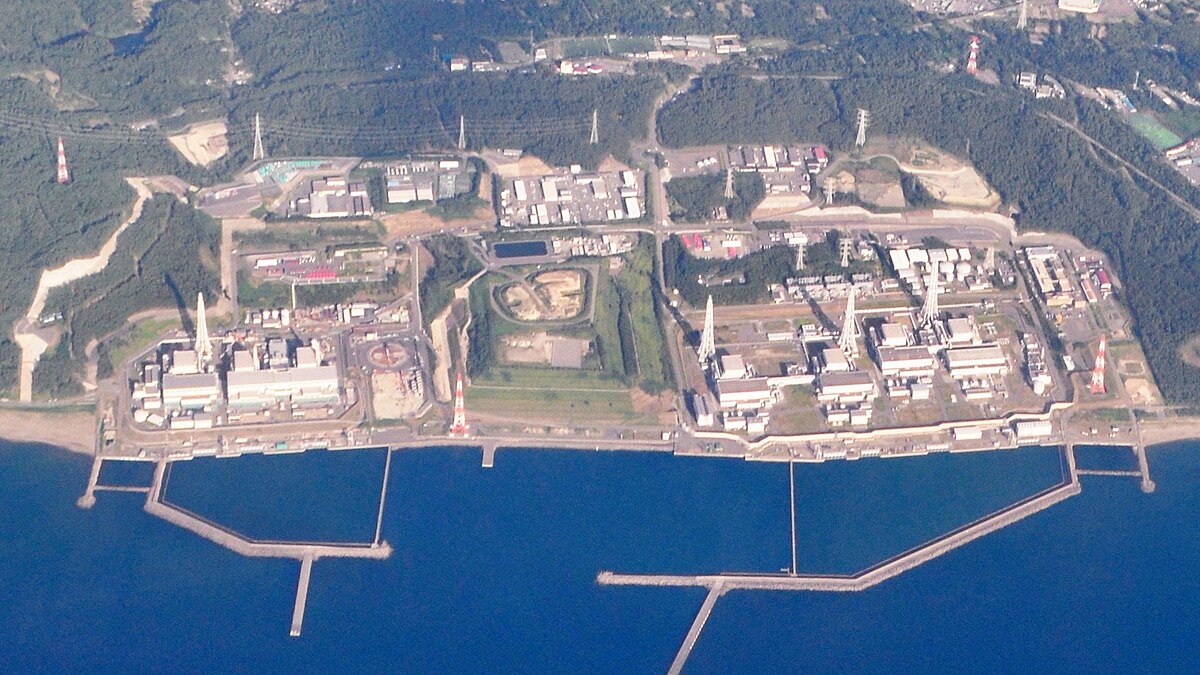
Local assembly approval clears the way for TEPCO to seek final regulatory permission—with one reactor potentially online by late January, helping Japan to cut its fossil fuel dependence.
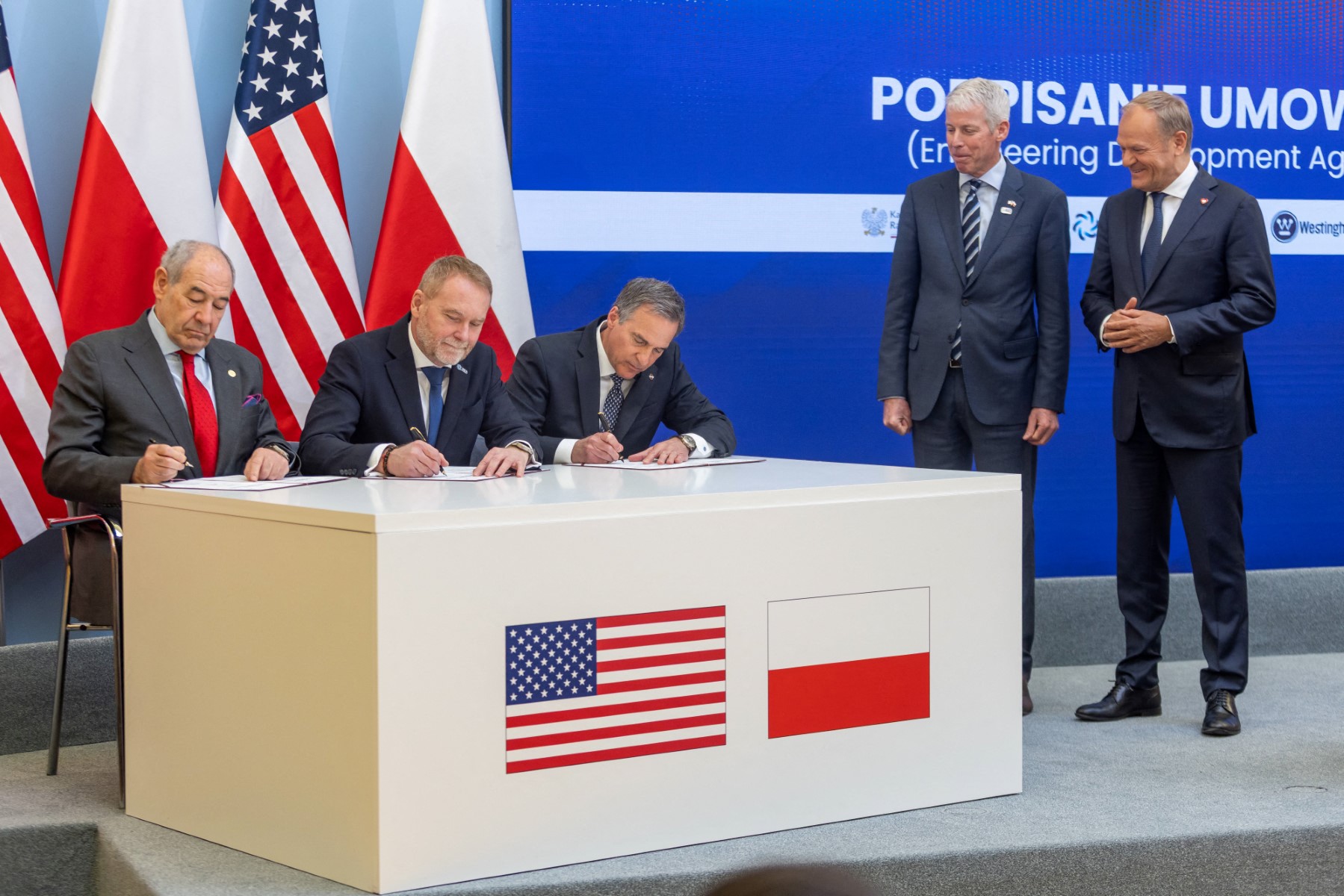
Three reactors are planned on Poland’s northern Baltic coast, aiming to commence operations in the late 2030s.

Those who cry “Russia” nonstop should note that Hungary seeks strategic ties with the U.S. and that the summit’s outcomes matter for all of East–Central Europe.

Orbán bets on energy dialogue with Washington as Europe pays the price of its dogmatism.

Proposed gas-fired backup plants face EU restrictions, limiting Germany’s ability to secure reliable electricity during periods of low renewable output.