
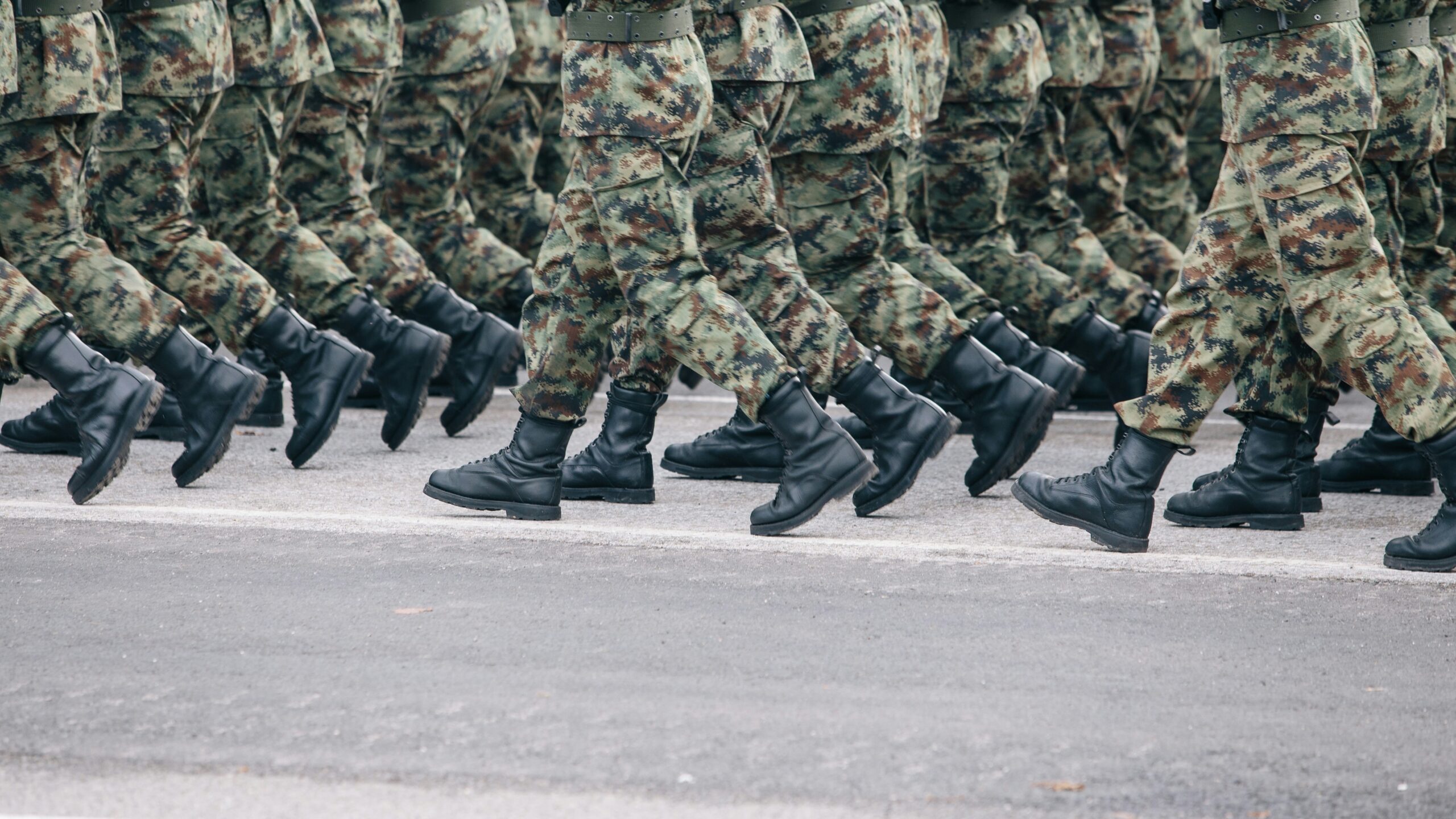
Majority of Europeans Reject Sending Troops and Arms to Ukraine
While pro-war governments are spending billions on military aid, Europeans would rather see peace efforts advancing.

While pro-war governments are spending billions on military aid, Europeans would rather see peace efforts advancing.
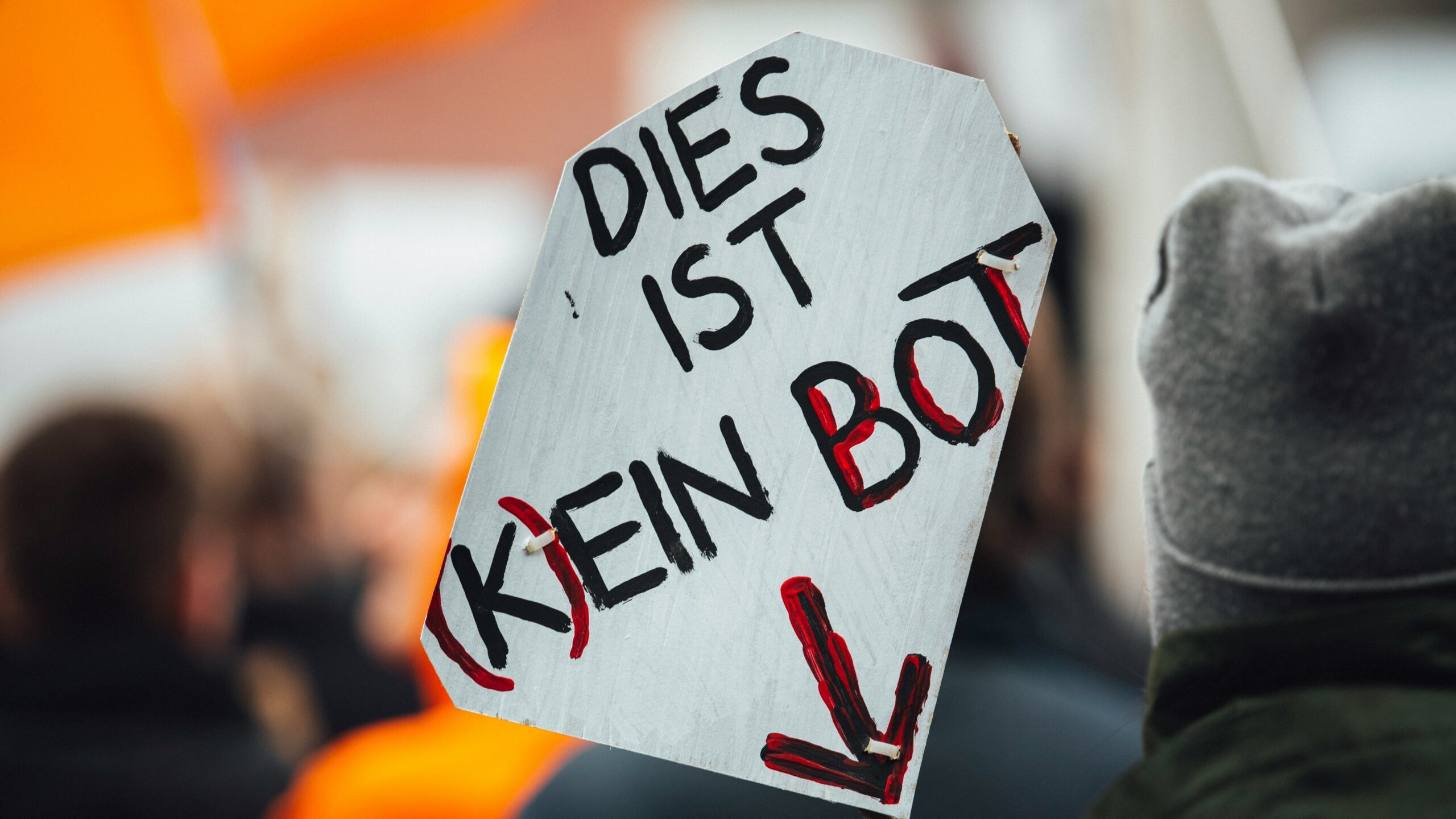
The issue of freedom of speech could become as significant in Germany as the migration crisis.

Again, politicians are out of touch with their constituents.
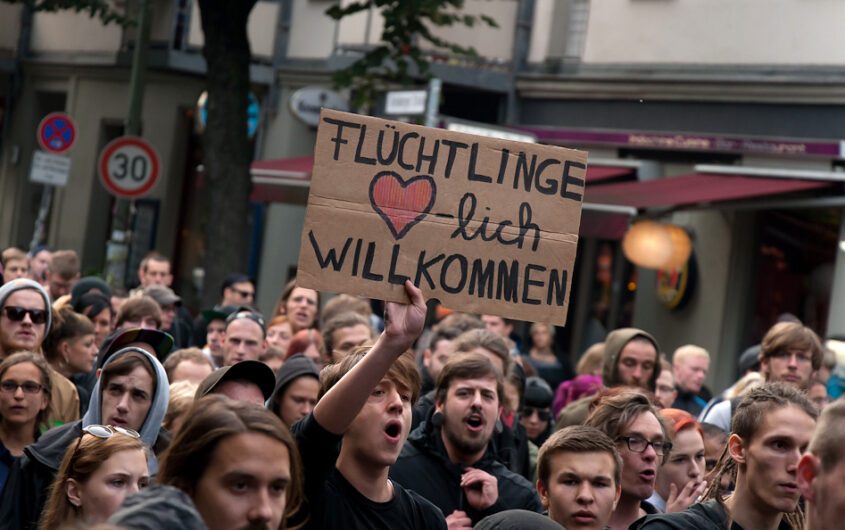
Changing mood: 71% of Germans now view Merkel’s 2015 asylum policy negatively. Nine years ago, over 40% supported it.
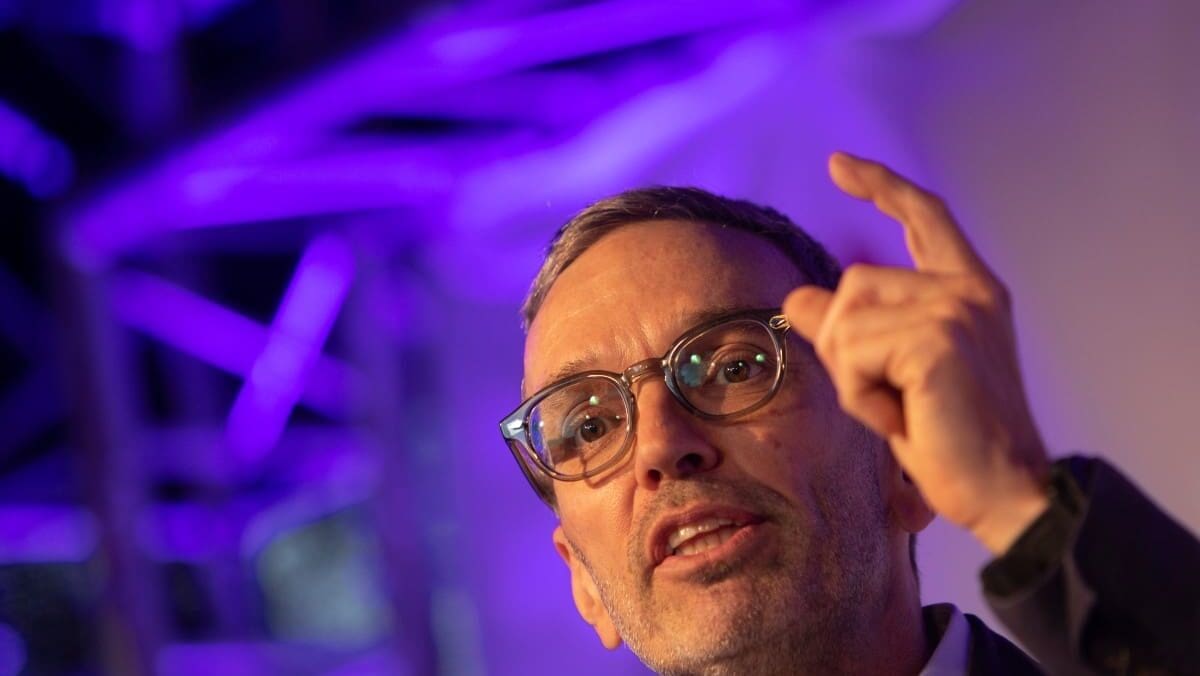
Promises from governing party to clamp down on migration ring hollow with electorate.
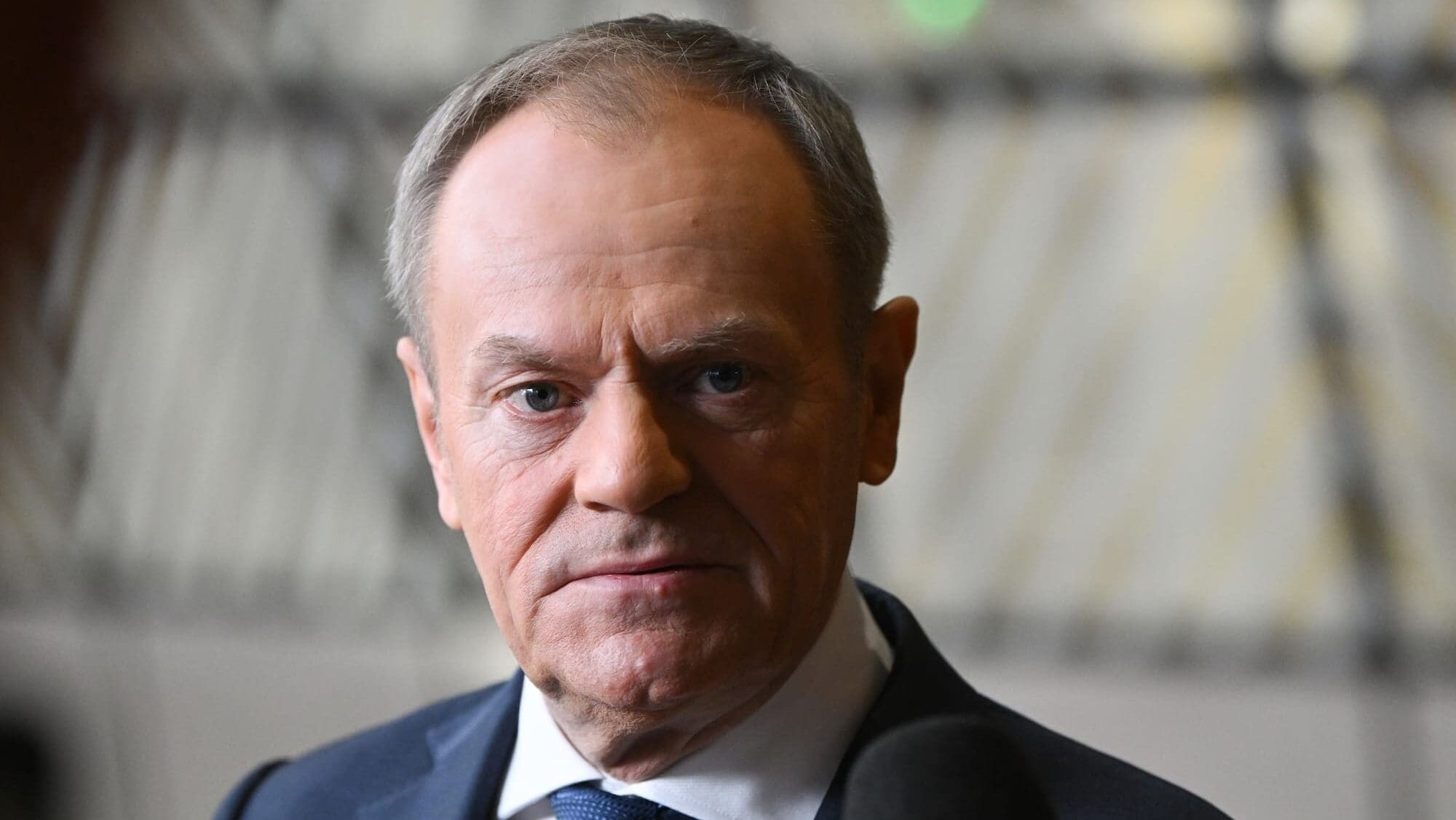
Over 53% of respondents are dissatisfied with the Polish PM’s work, including a quarter of his own voter base.

Support for the Rassemblement National is also on the rise among professionals.
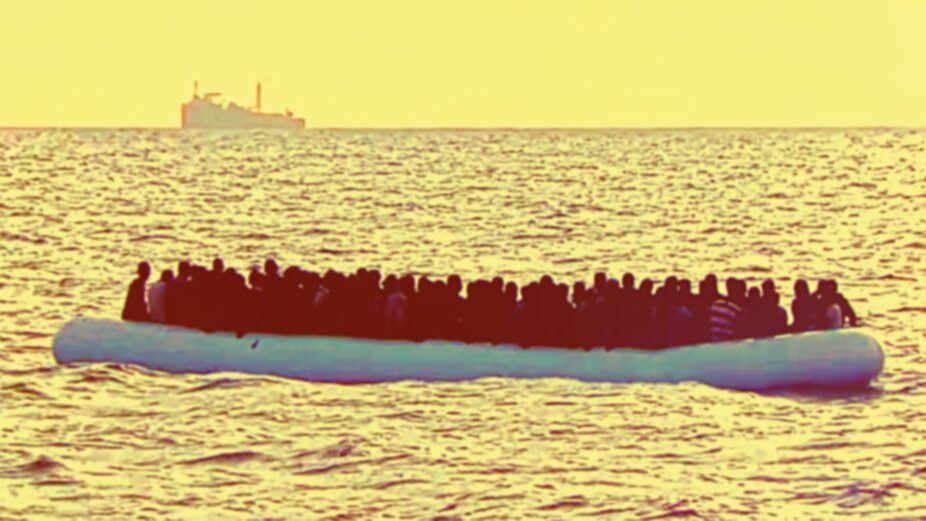
Older voters, women, and the Right most favorable to proposal
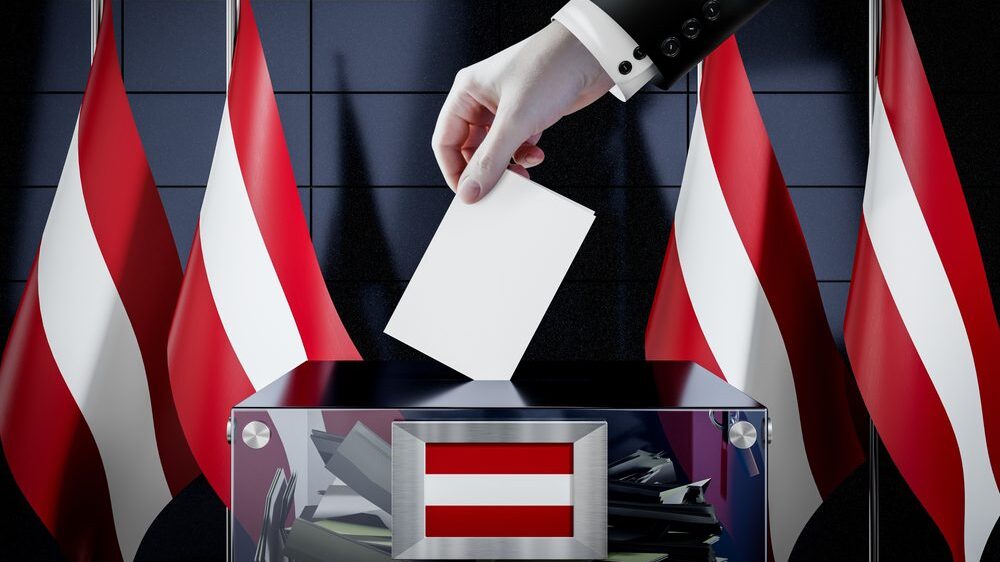
Presently, with the polling figures as they are, the national-conservative Freedom Party of Austria (FPÖ) will be needed to form a majority coalition unless the center-right People’s Party (ÖVP) is willing to take a sharp left turn to join forces with the SPÖ along with either the Greens or NEOS.
Trust in multinational institutions like the EU, NATO, and the UN among the Czech population has dropped precipitously in the past year.