Tag: philosophy

Moral Computers? Trusting AI with Right and Wrong

Over time, as artificial intelligence gets more entrenched in the realm of moral decision-making, it is entirely possible that the AI’s used for those decisions become standardized. But is this desirable? The answer has less to do with the form under which the decision is made—an algorithm or a human brain—and more with what moral values the decision maker applies to the problem.
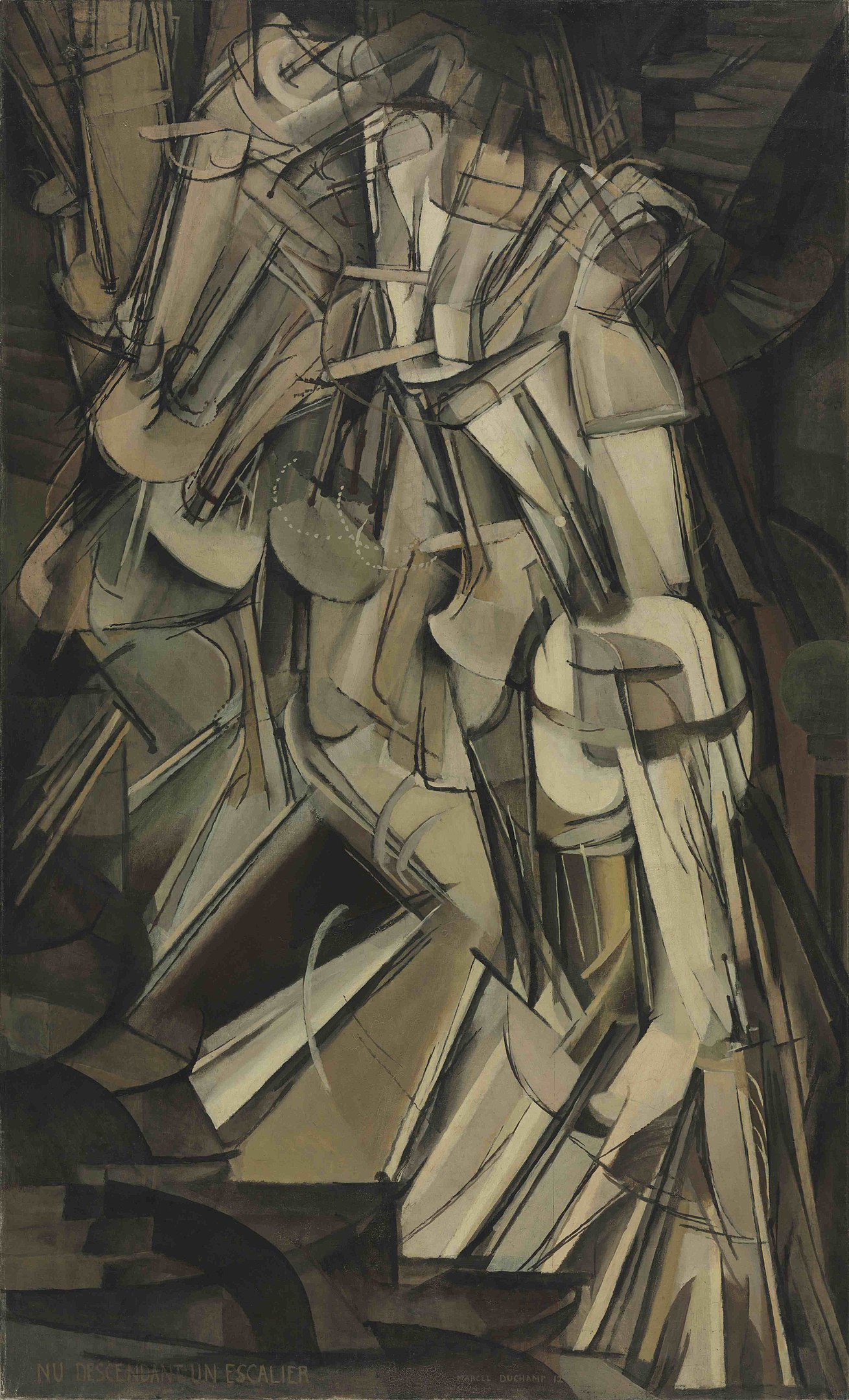

The Political Economy of Speed

World order will tend to follow its own momentum. Rivals to U.S. hegemony like China do not, therefore, represent an alternative world-order, but an alternative bid for leadership over developing structures of biopolitical control.

Scruton and Heidegger on Dwelling

The concept of ‘dwelling’ serves as a source for our pre-political loyalties and these loyalties allow a sense of the common good to arise. Here,

Between the Deer and the Idea: On Woodland Philosophy

The life of the mind is fundamentally dangerous when divorced from the world. Indeed, intellectuals have a moral duty to seek out ways of encountering reality—the thing out there—if they are to avoid becoming a tremendous nuisance to others, a trait so common among their kind.

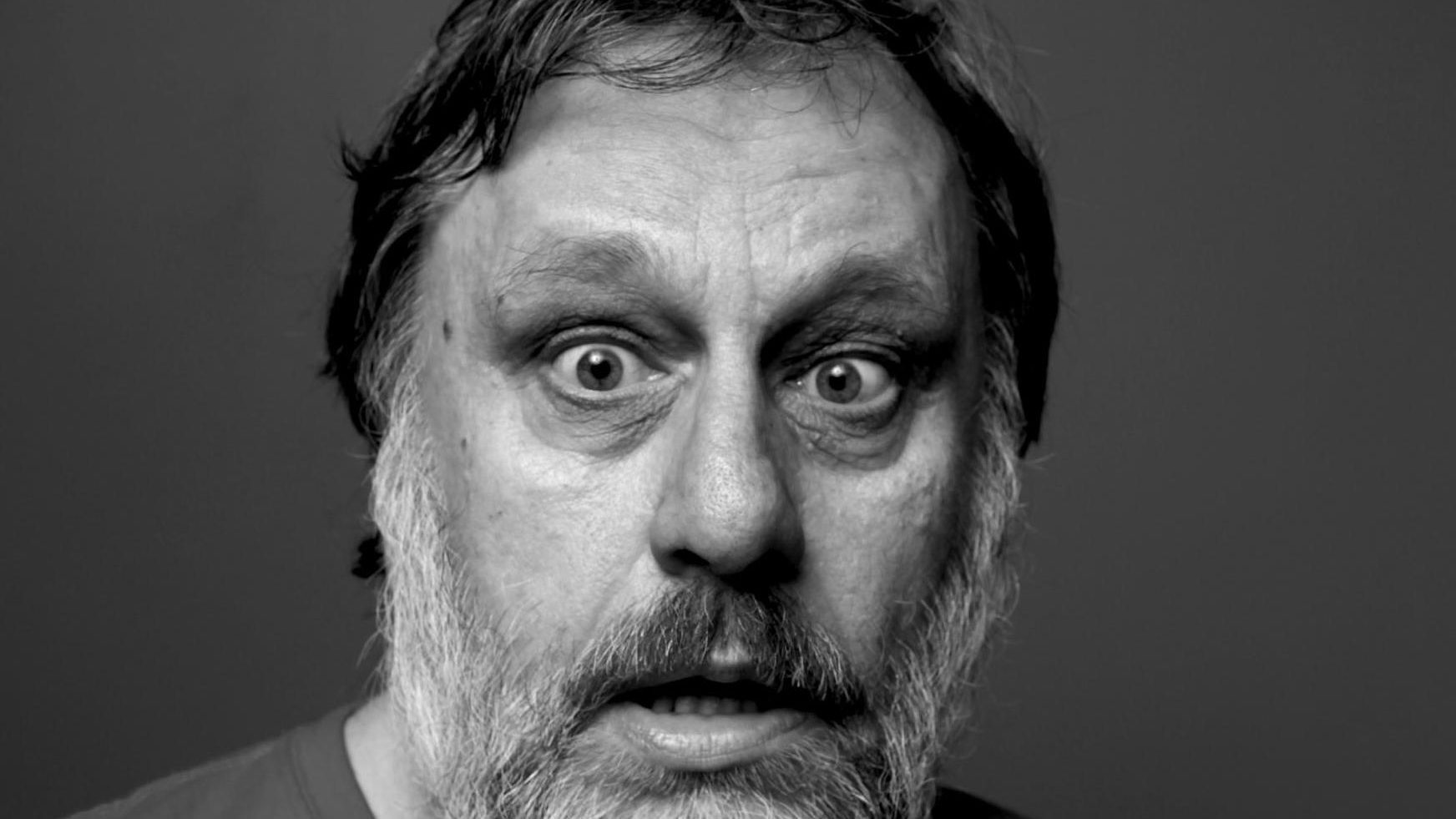
The Scattershot Musings of Slavoj Žižek

Despite his colourful pessimism, Žižek still appears to indulge the fallacy that some combination of good will, rationality, and imagination is up to the task of saving our fallen world.

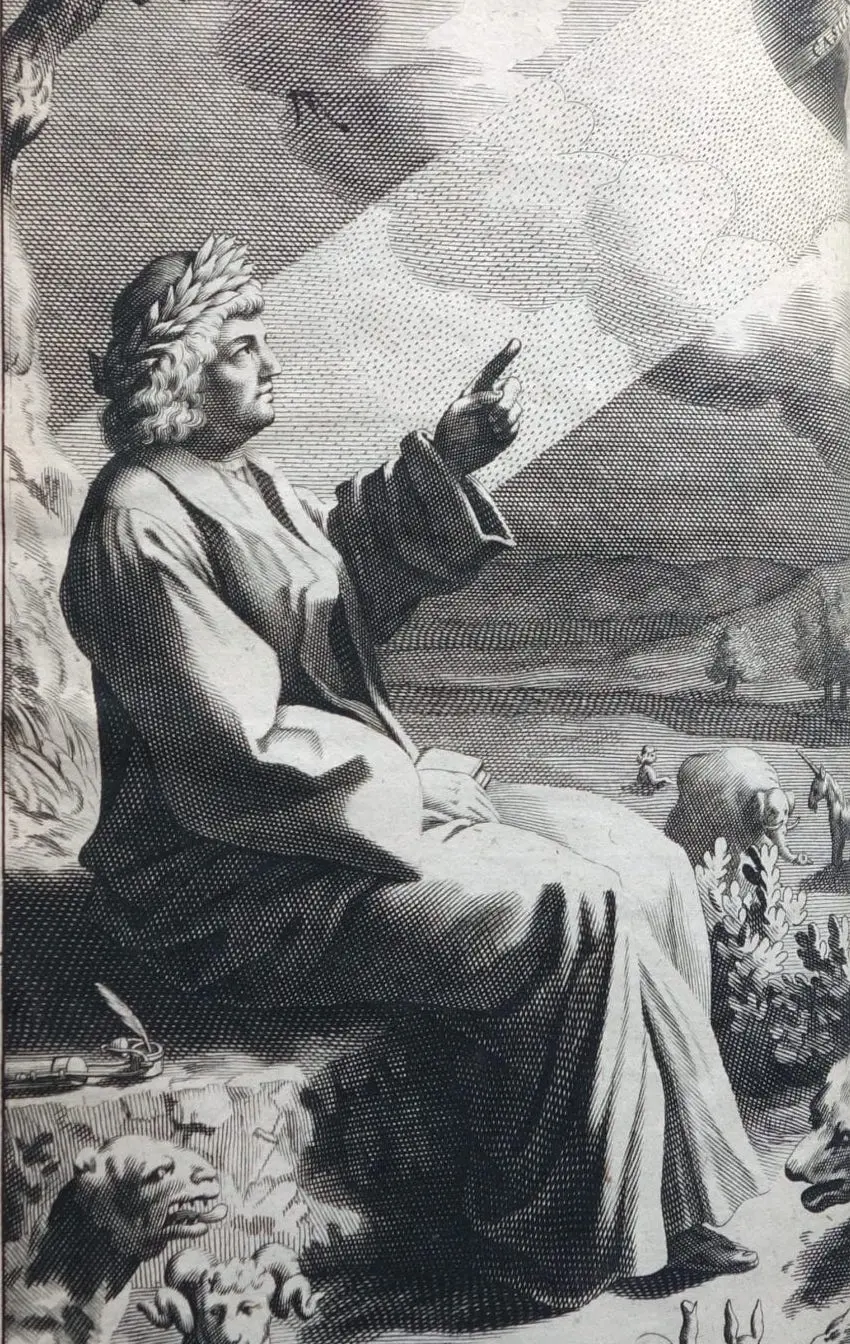
Epicureanism and the Missing Soul of Modernity

This world, as it figures in Lucretius’ magnum opus, is of Epicurean make. It is a world denuded of divine influence, reduced to a drab and tranquil steadiness. Its substantial uniformity also foreshadows, to an uncanny degree, the empirical emptiness of modernity.

Gigantomachy—On Slaying Giants and Surviving Ghosts

Tradition tells us that giants are born from fallen angels joining themselves to willing humans, and that even after these are slain, their specters may yet demand sacrifice. We are still facing giants today, as well as the ghosts they leave behind, and may learn something from those ancient tales.

An Apologia for Emotion

By understanding our emotions as a more primary part of ourselves, we can begin to respond to them as meaningful, and also as something we need not be dominated by. At the same time, we have a chance at last to put an end to the stupidity that has been unleashed by ideologies that function on an emotional level but masquerade as rational.