
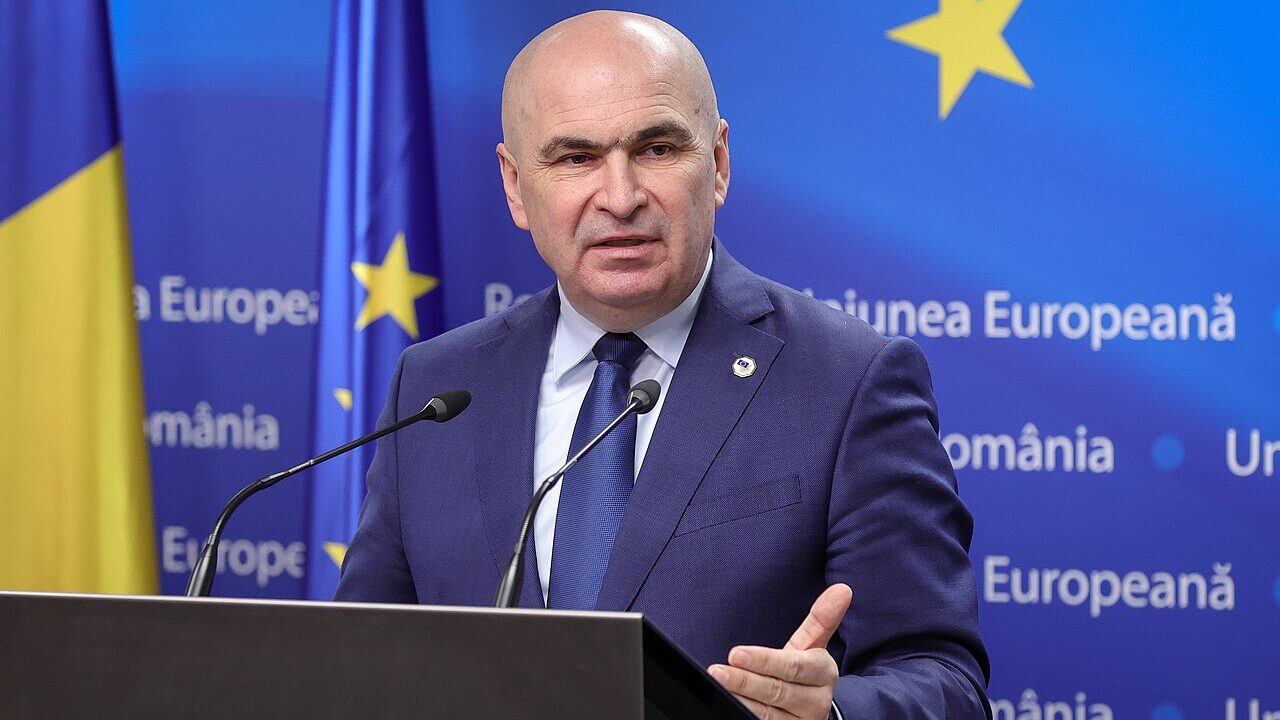
Government Crisis Grips Romania After Social Democrats Revolt
The coalition crisis in Bucharest reflects falling poll numbers for the Social Democrats and growing competition from the right-wing nationalists.

The coalition crisis in Bucharest reflects falling poll numbers for the Social Democrats and growing competition from the right-wing nationalists.

“If the European Union starts to consider democratically elected governments illegitimate simply because they do not share the dominant political line in Brussels, then the problem is no longer Viktor Orbán.”

When political outcomes are shaped by external expectations, the decisions that follow rarely prioritize the national interest.

A statement by the Romanian president reveals how Ukraine’s political pressure on Hungary is finding allies inside the European Union.
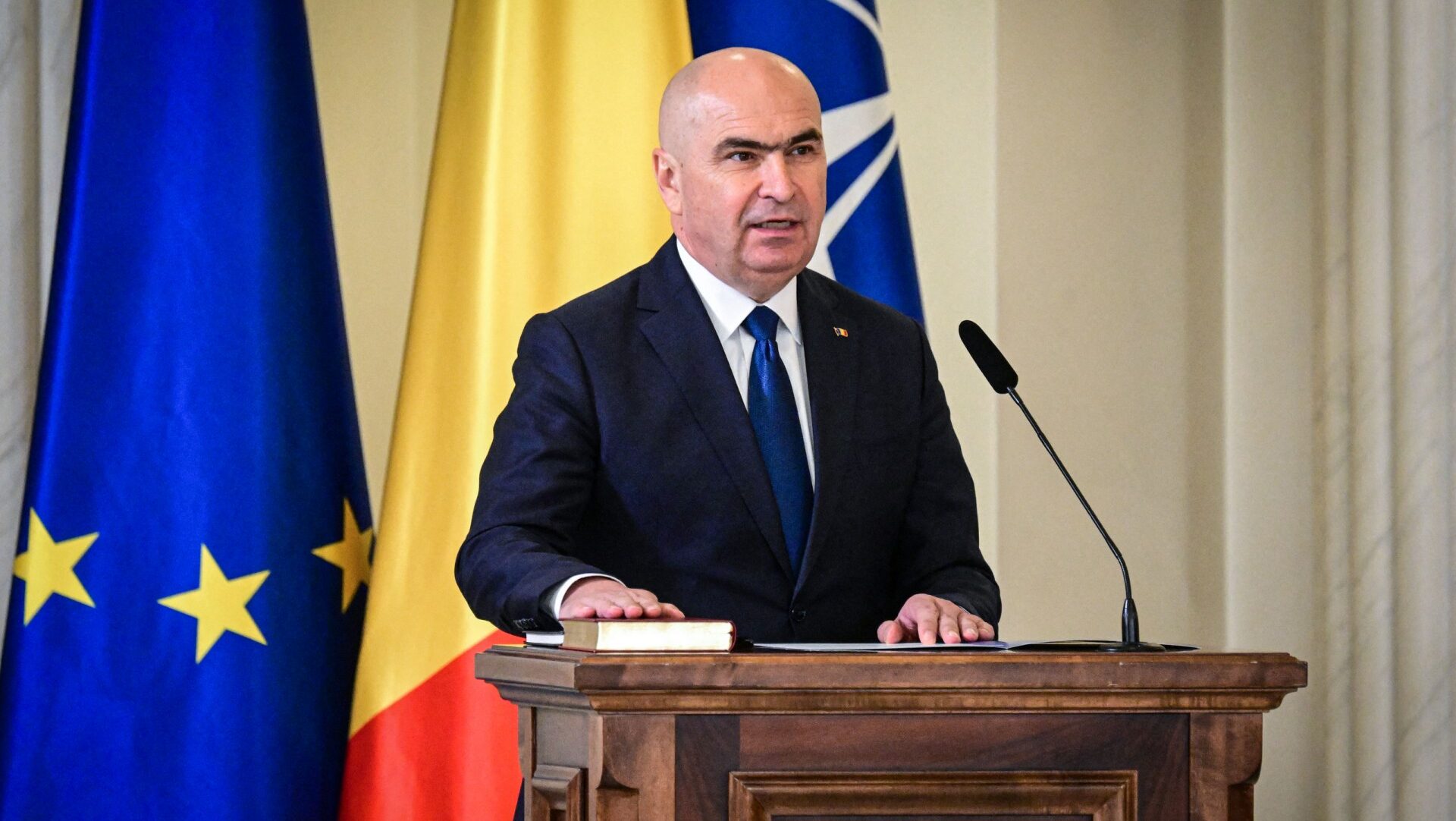
The emergency measure will eliminate roughly 19,000 posts as Bucharest scrambles to rein in the EU’s widest budget gap.

Bucharest’s state-owned port company is buying the operator of Moldova’s only sea port on the Danube—strengthening its regional logistics role and economic cooperation between the two countries.

When politics becomes an exercise in compliance rather than representation, citizens inevitably disengage—or revolt.
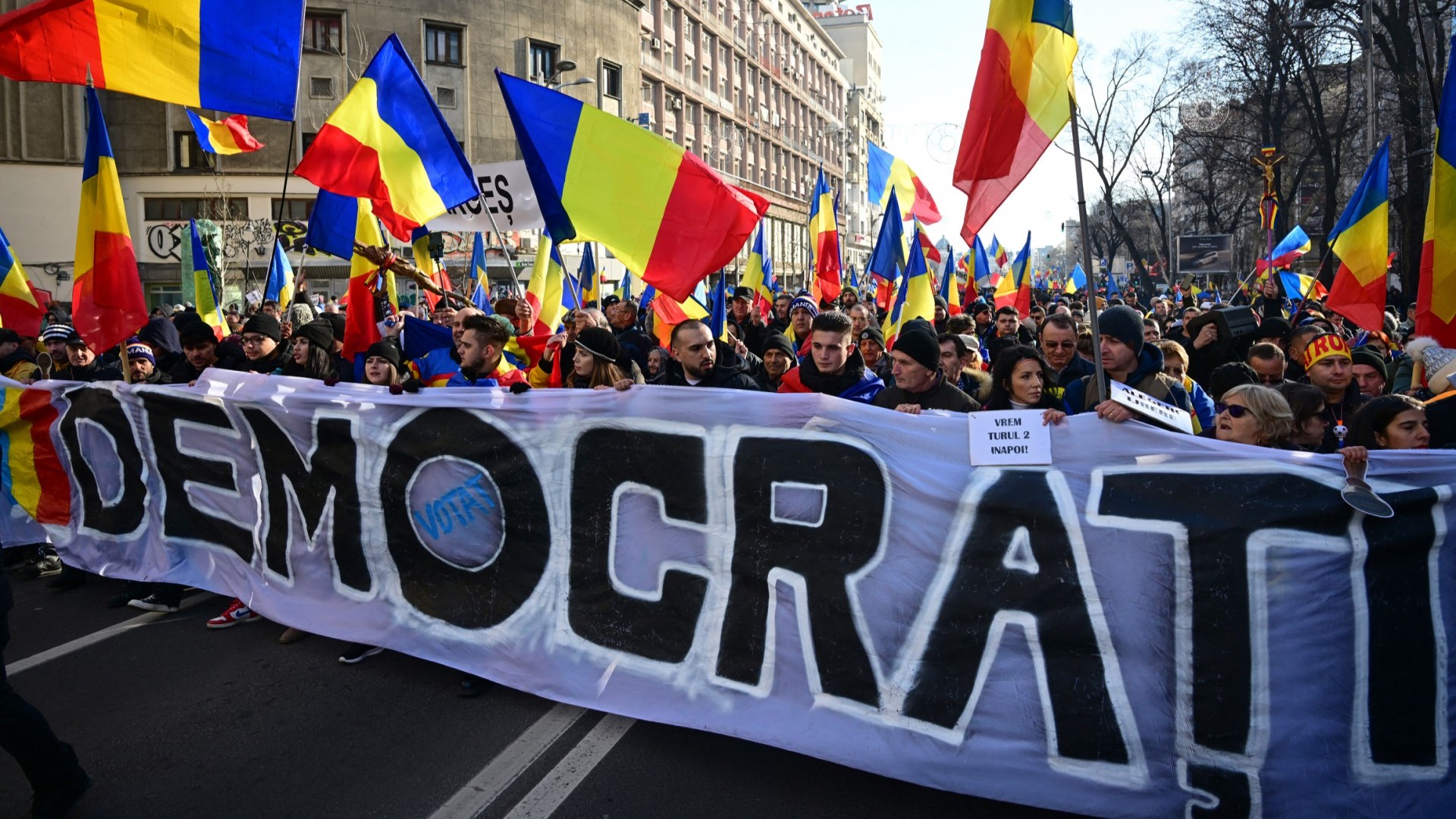
When electoral outcomes depend on conformity to approved narratives, voters are no longer citizens exercising constitutional rights—they are just pawns in a supervised process.

A U.S. report has reignited accusations that Brussels crossed from regulation into political control, with critics warning the implications reach far beyond one country.

Documents released by the Republican members of the House Judiciary Committee point to systematic intervention by the European Commission to shape political and electoral discourse across several countries.