
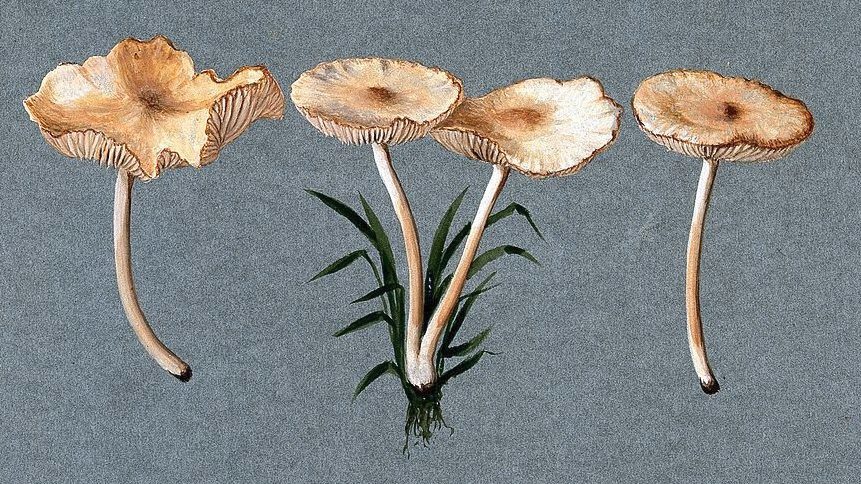
Mushrooms and the Future: Why We Should Pay Attention to Fungi
Mushrooms are teachers, and we ought to learn from them.

Mushrooms are teachers, and we ought to learn from them.
The annual protest to rally for politics in favour of rural areas has been going on for years, but this year’s demonstration brought out a record number of participants. Organisers, principally farmers and hunters associations, estimated that 400,000 people marched en masse through several of Madrid’s principal streets.

I spent part of the Christmas Season in the American state where I spent most of my childhood: Vermont. Known today primarily for its left-wing

In the wake of the Anglican Church’s move to phase out the parish system, an informal group called Save the Parish is asserting the importance of local worship and of retaining sacred places set aside for devotion.
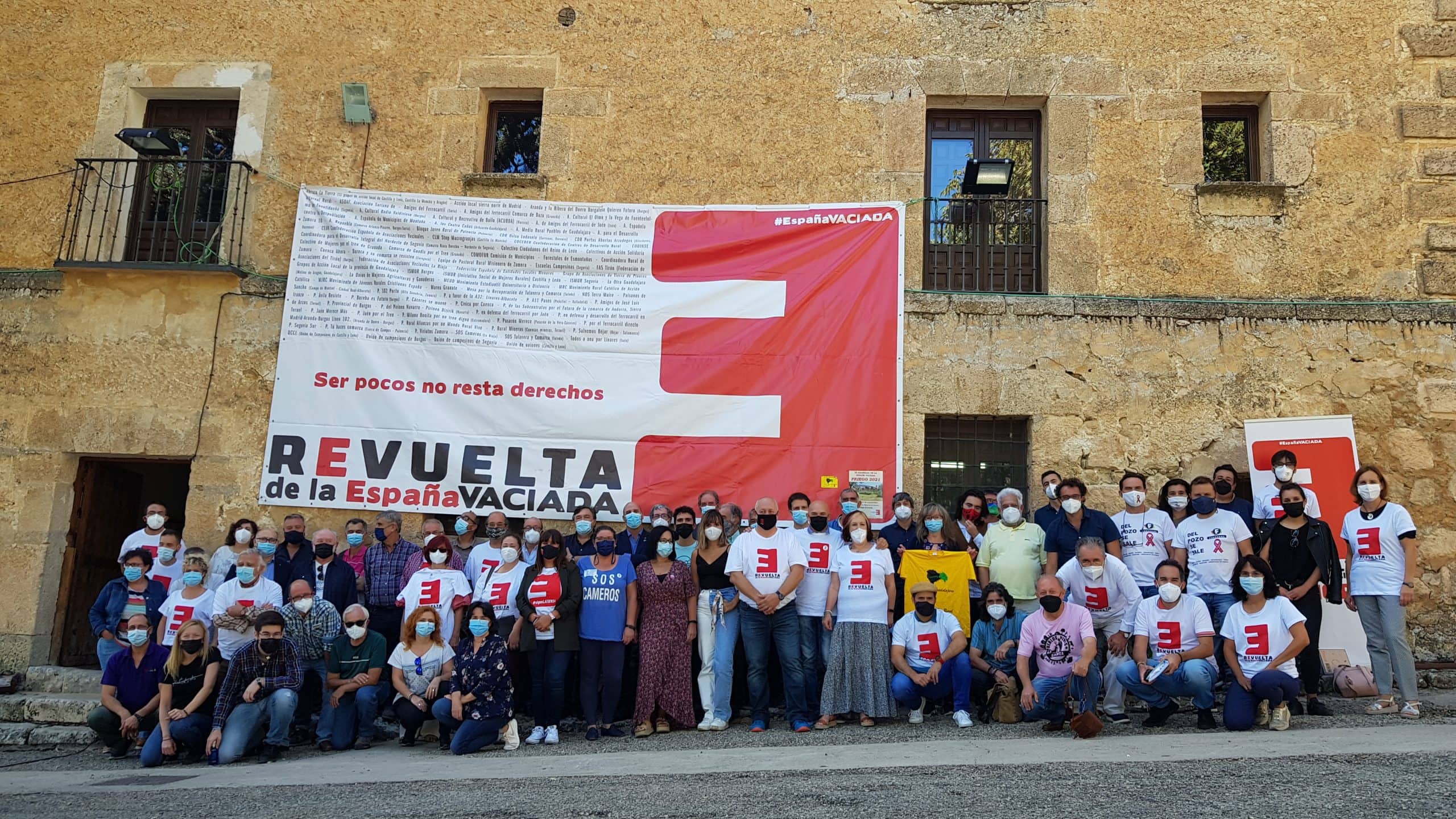
When a myriad of local voices make the same complaint, we are in the presence of a genuine (as opposed to media generated) universal.

It is a mistake to assume that concrete rural scenes like those in the small Romanesque parishes Mr. Mora rightly celebrates, lead to appreciating life whereas, contrastingly, Gothic abstraction leads to a sort of world-weary sickness. This judgement assumes only two realities, body and mind, and pits these against each other.
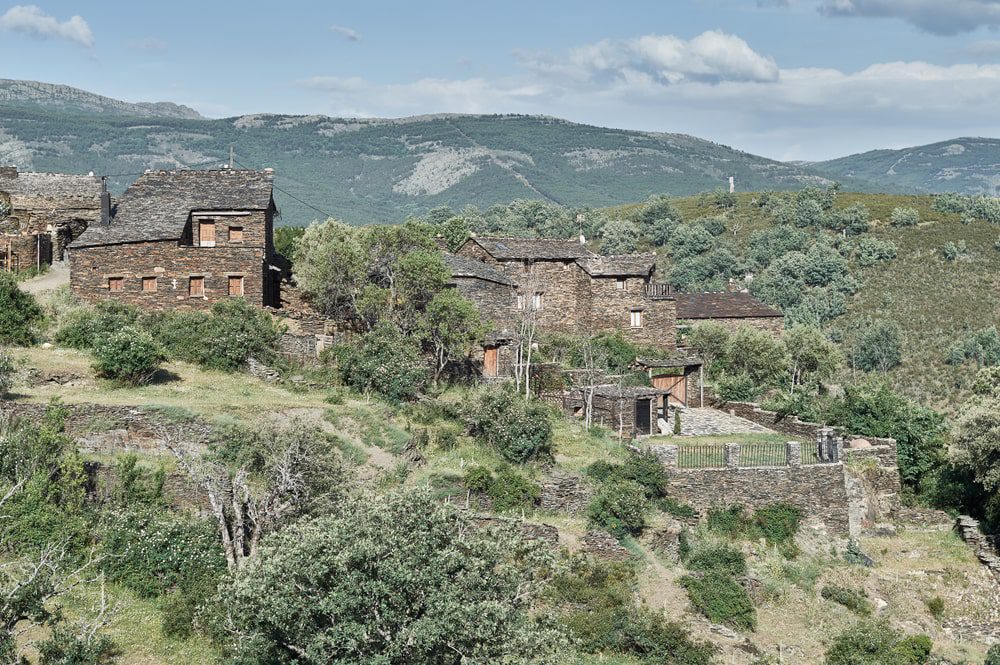
The ‘classical liberal’ emphasis on negative freedoms tends to appeal to older conservatives, perhaps because they assume that what they grew up with was the spontaneous, neutral state of things, ever ready to mushroom forth again, just as soon as things return to normal. Yet sometimes, finding one’s home means building it, and that might take a village.
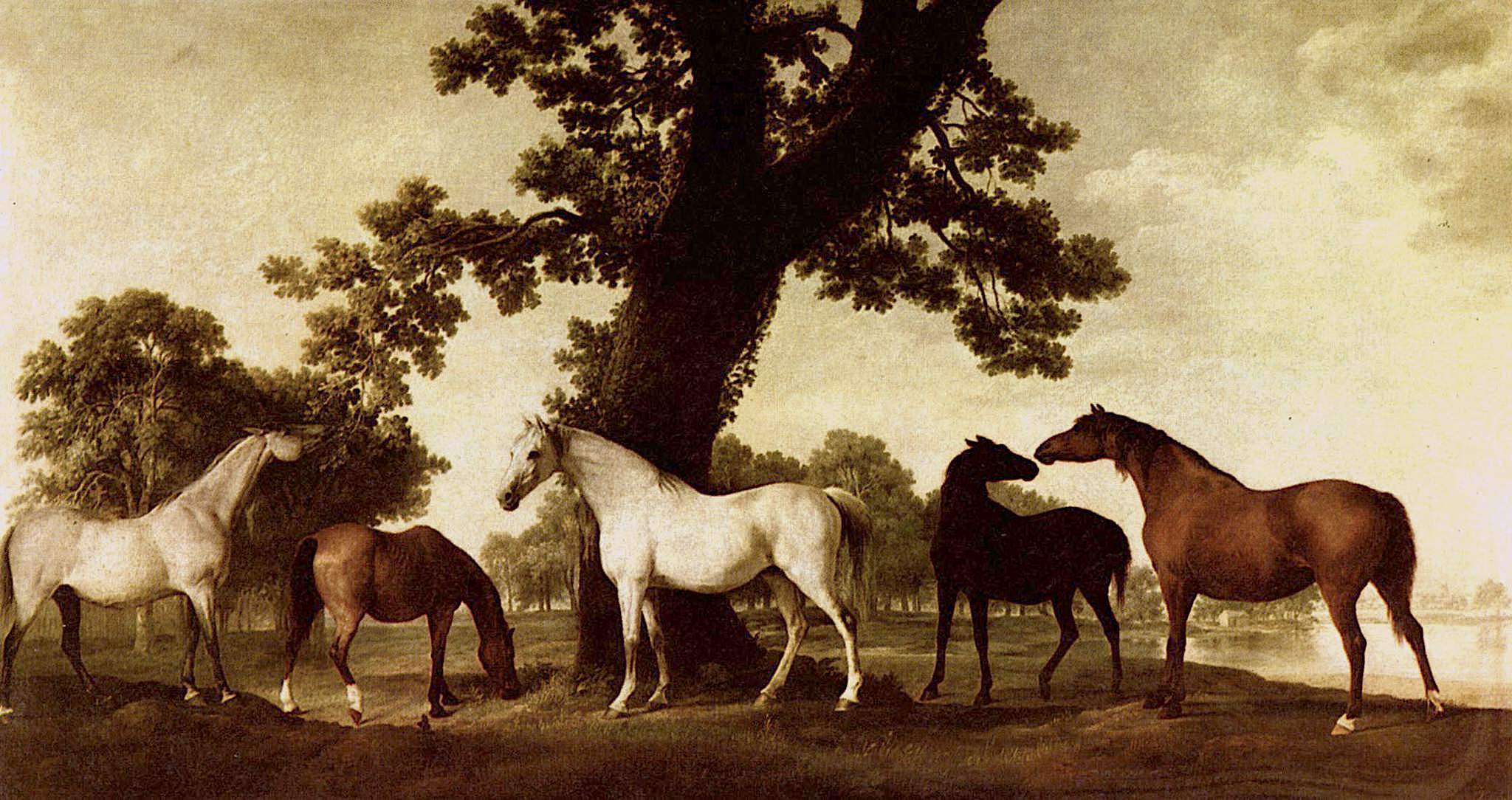
As the National Trust is essentially a conservative organisation, so too its membership largely comprises people with conservative instincts, that is, people who like long walks in the countryside, historic buildings, and fine art. It is astonishing, therefore, that the National Trust chose to go in a direction that, if continued, would lead to its suicide.