
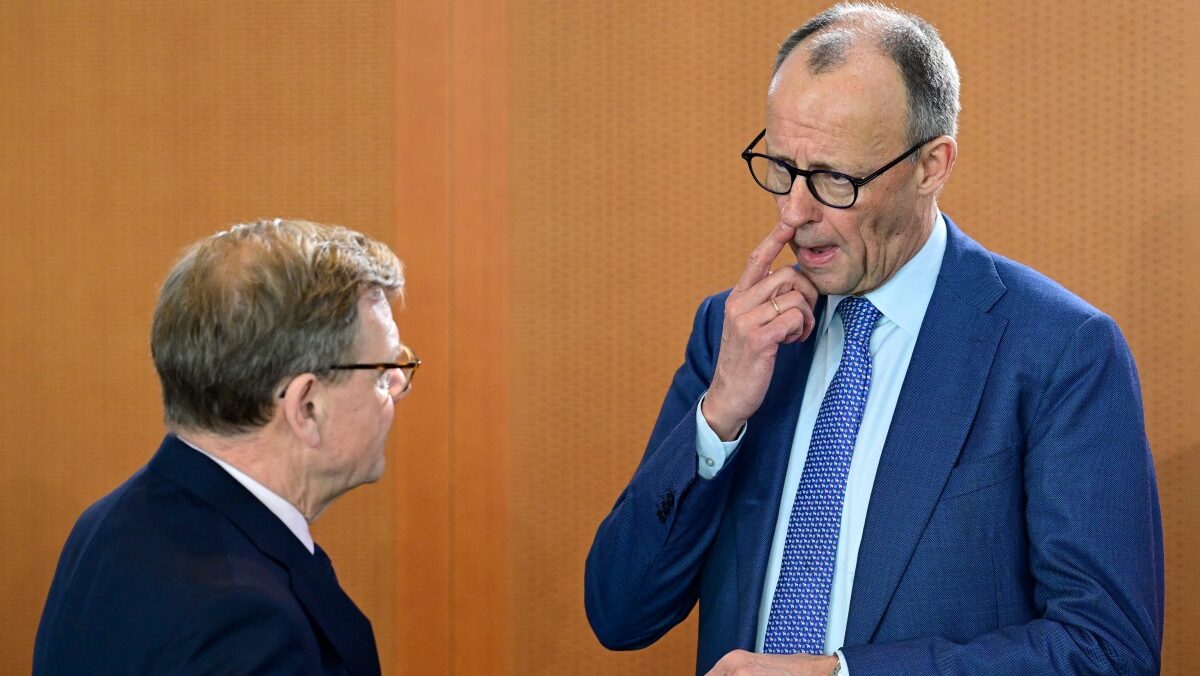
Syria Calls Migrants in Germany a “Strategic Asset”—Rejects Returns
The AfD says Merz will “dutifully follow” orders from Damascus.

The AfD says Merz will “dutifully follow” orders from Damascus.
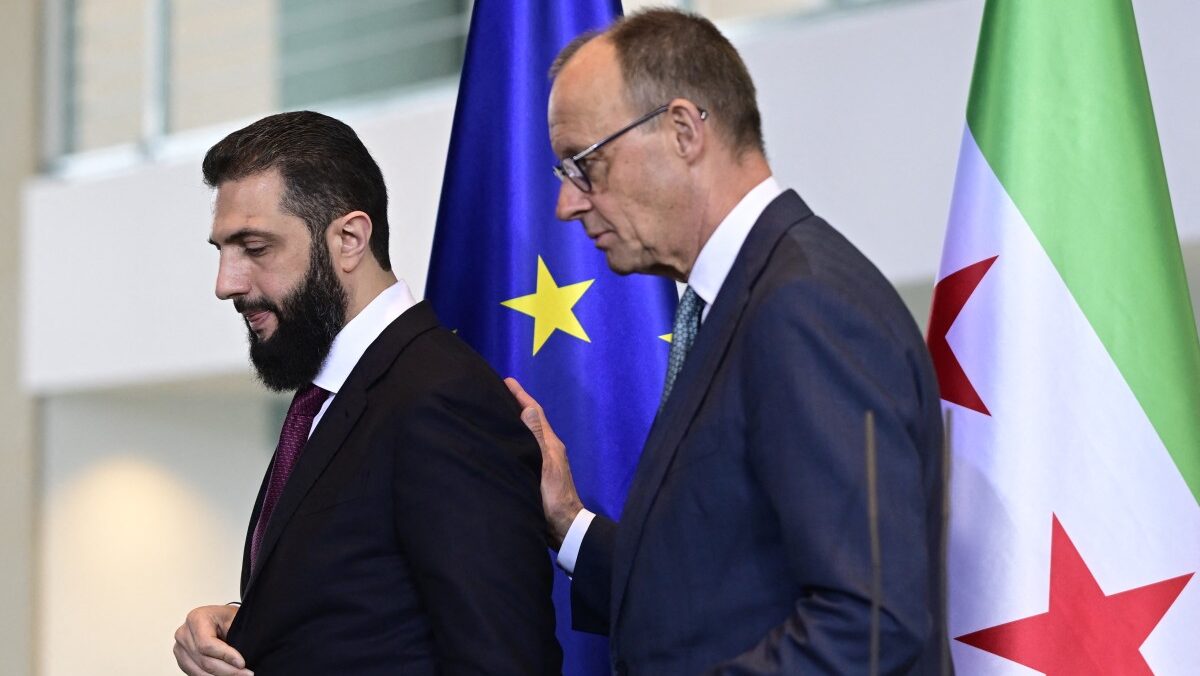
The German chancellor said up to 80% of Syrians could return within three years, citing Damascus—an account now disputed.
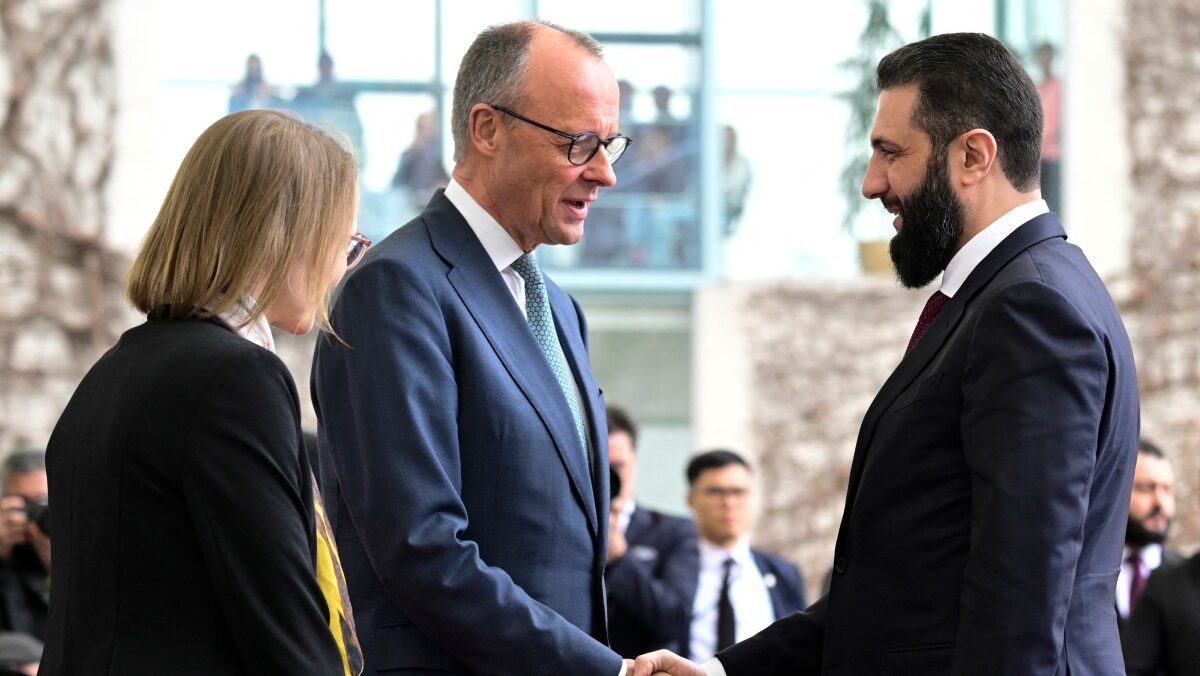
There is something decidedly grim beneath the normalisation of the Damascus regime: a tacit acknowledgement that violence, waged successfully enough, will eventually translate into legitimacy.
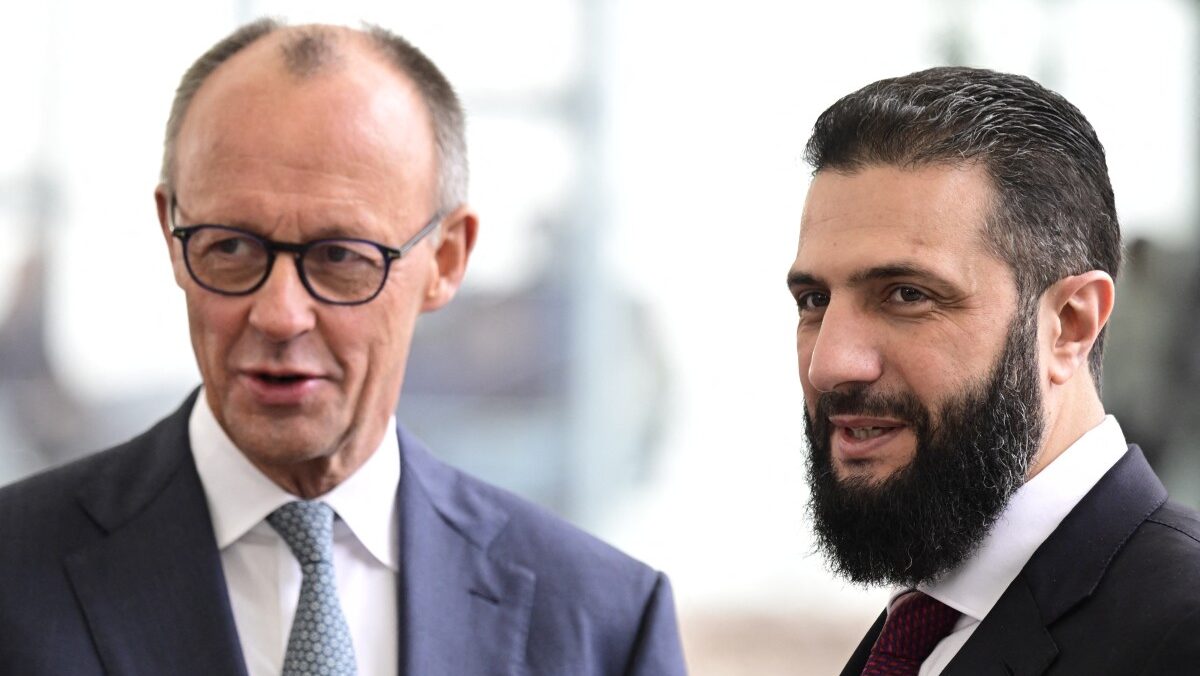
The plan would involve returning hundreds of thousands, but legal and practical barriers remain steep.
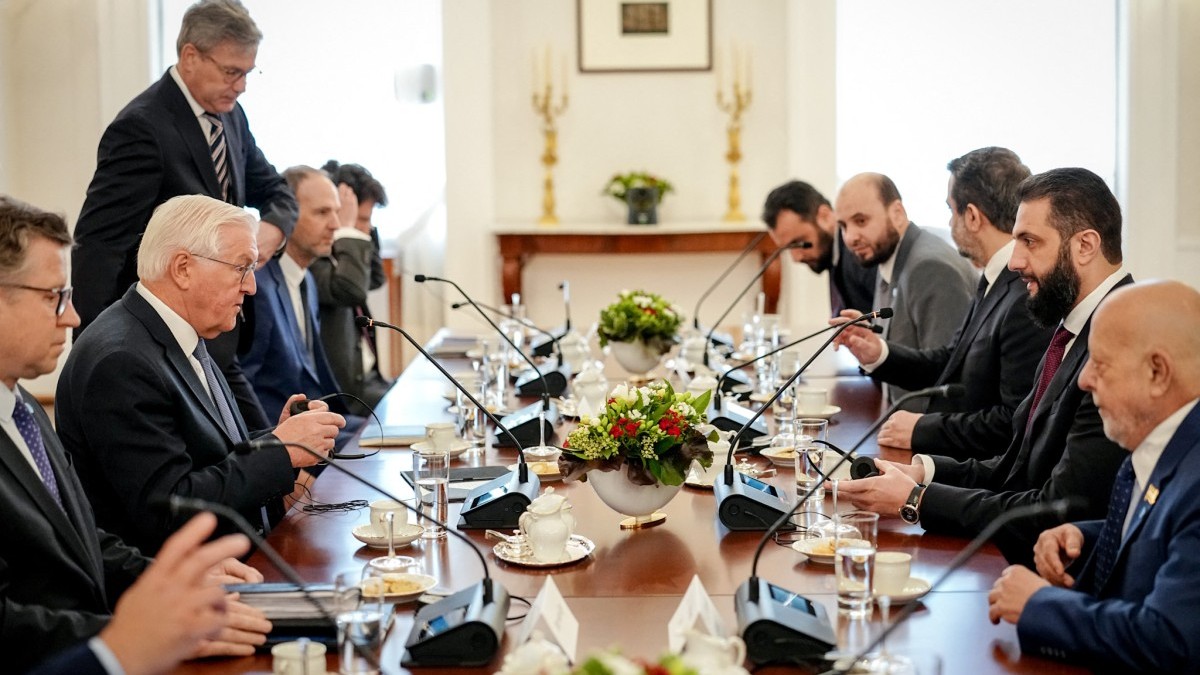
The former jihadist president’s Berlin visit highlights the growing gap between the official narrative on refugees and reality.

The Syrian President’s trip to Germany, initially planned for January, was postponed amid clashes between Syrian government forces and Kurdish fighters.
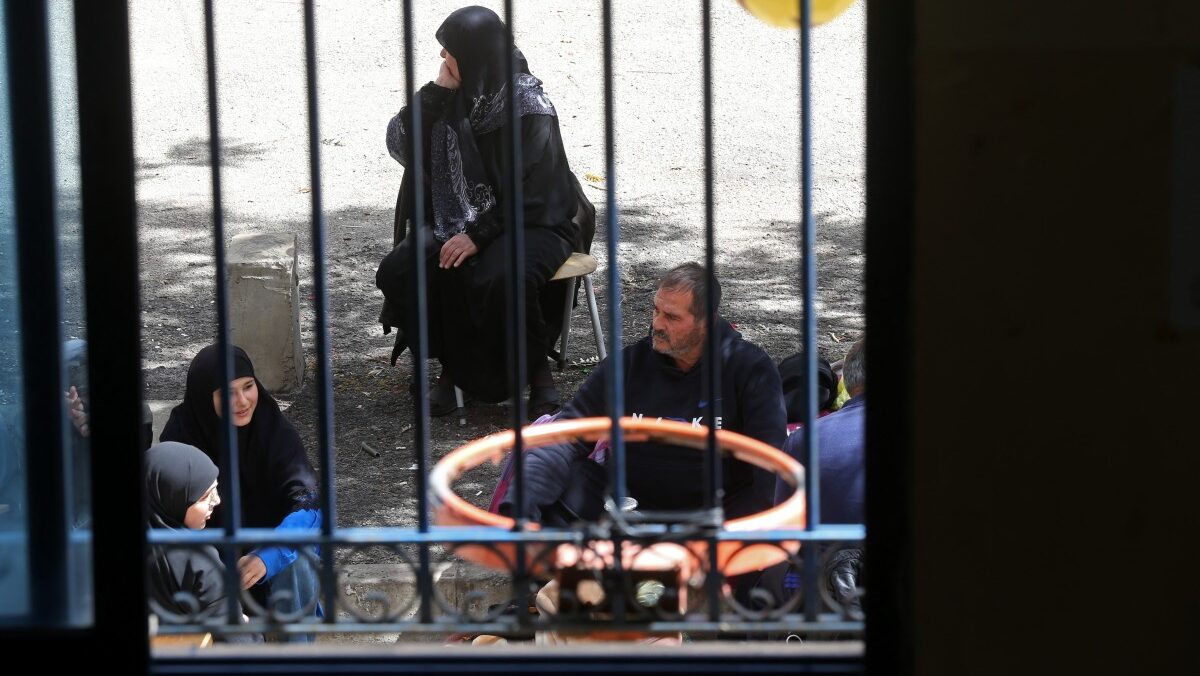
The flow marks a sharp reversal of years of displacement driven by Syria’s civil war.
“Iran has a better chance of being liberated than Iraq, because I see that most Iranians are fighting.”
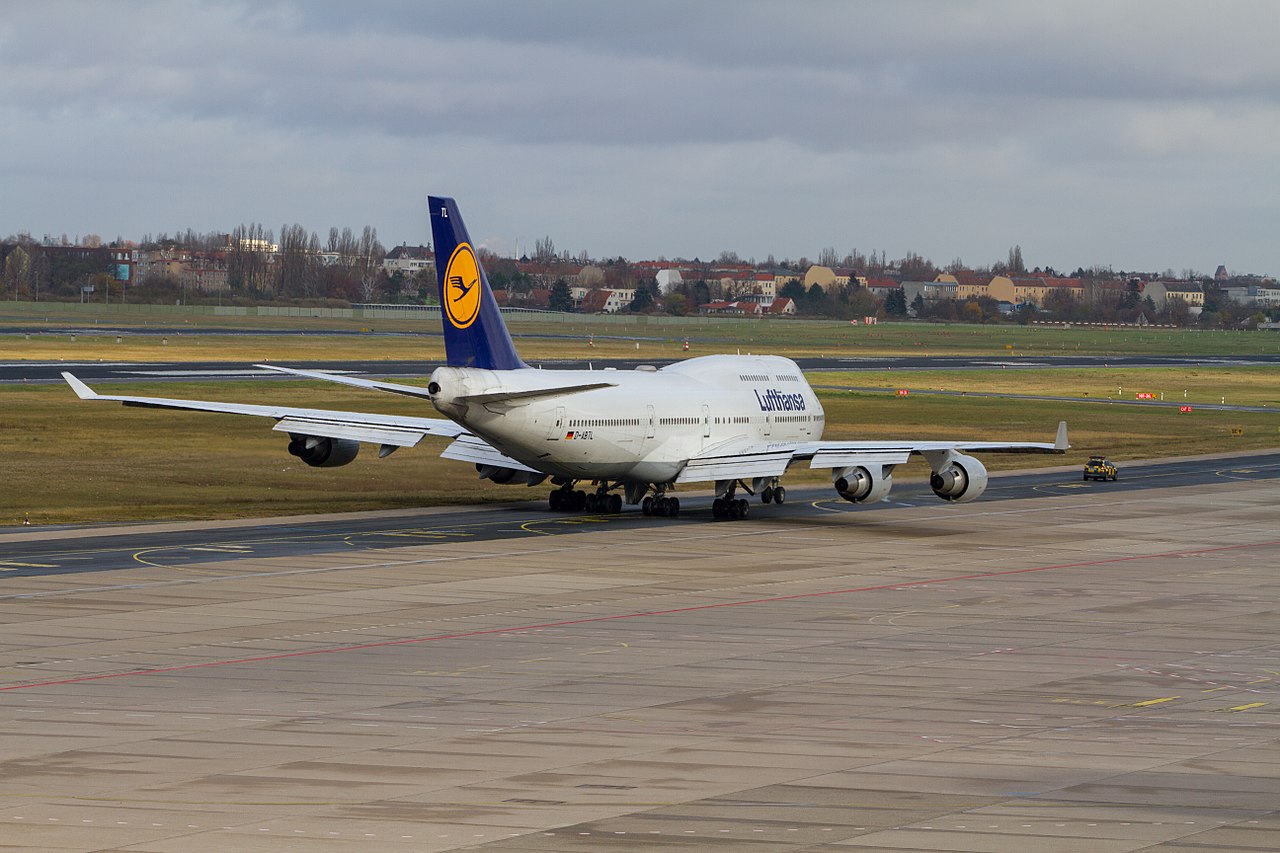
Most voluntary returnees came from Turkey and Syria, with Germany covering travel, family, and medical costs to support their departures.

The EU Agency for Asylum also revised its guidance for Christians in Syria, noting that they would be considered at risk of persecution only in ‘exceptional’ cases.