

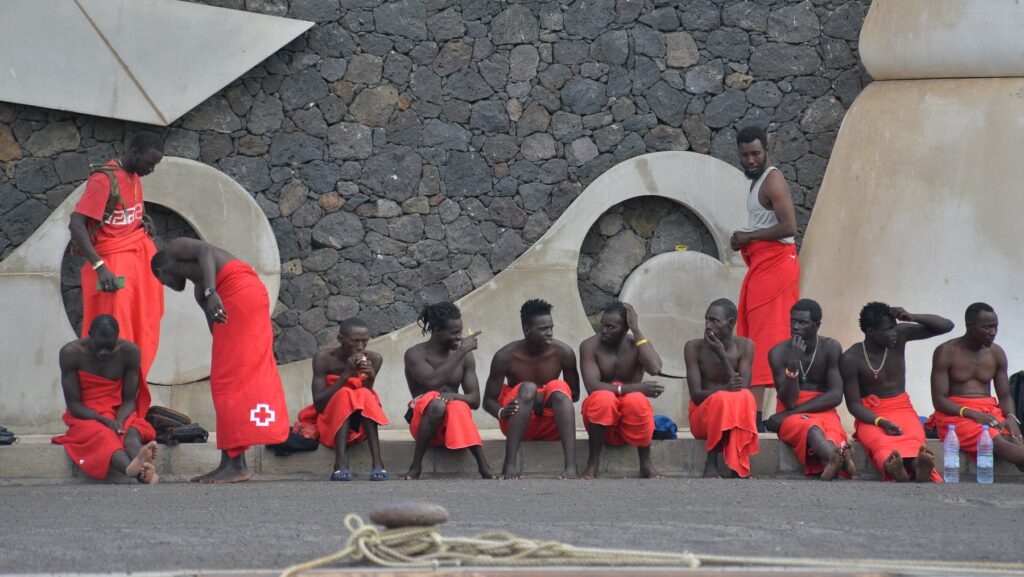
In many European countries with ancient histories, large segments of the population are recent arrivals who did not participate in nation-building and lack a stake in its continuation.
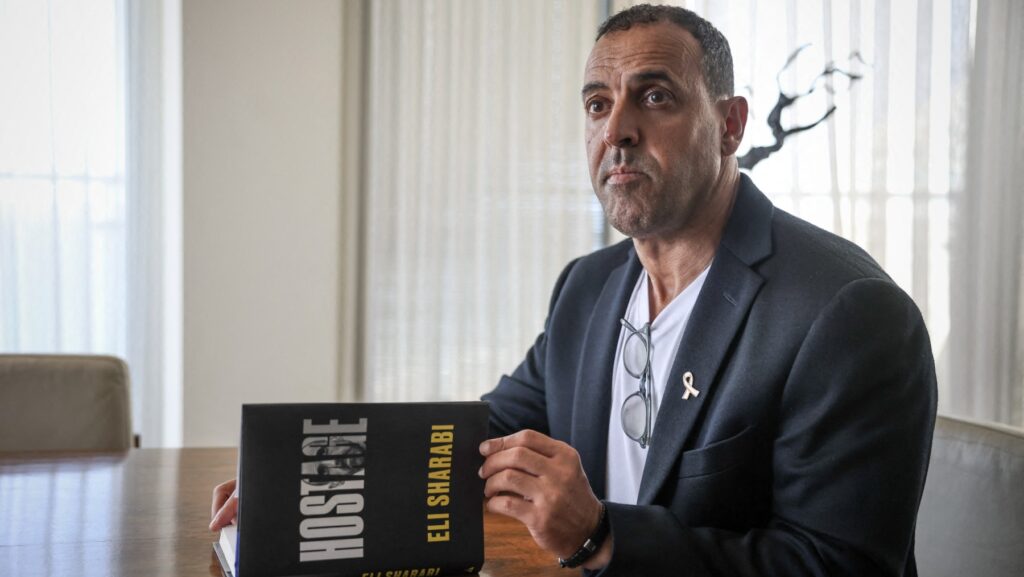
Eli Sharabi spent 491 days as a hostage of Hamas in Gaza, not knowing what had happened to his family. Now, he tells his story.

The French government wants to combat the decline in birth rates but has opted for disastrous communication.
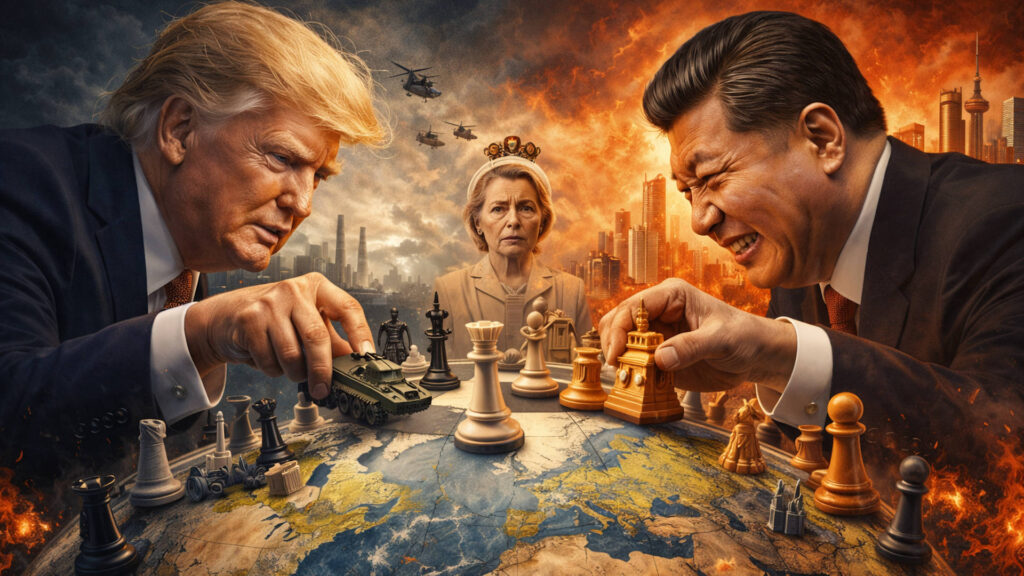
Decline is not an act of nature. Civilisations lose influence when they abandon the principles that once sustained them—initiative, productive investment, innovation and a belief that the future can be better than the present.
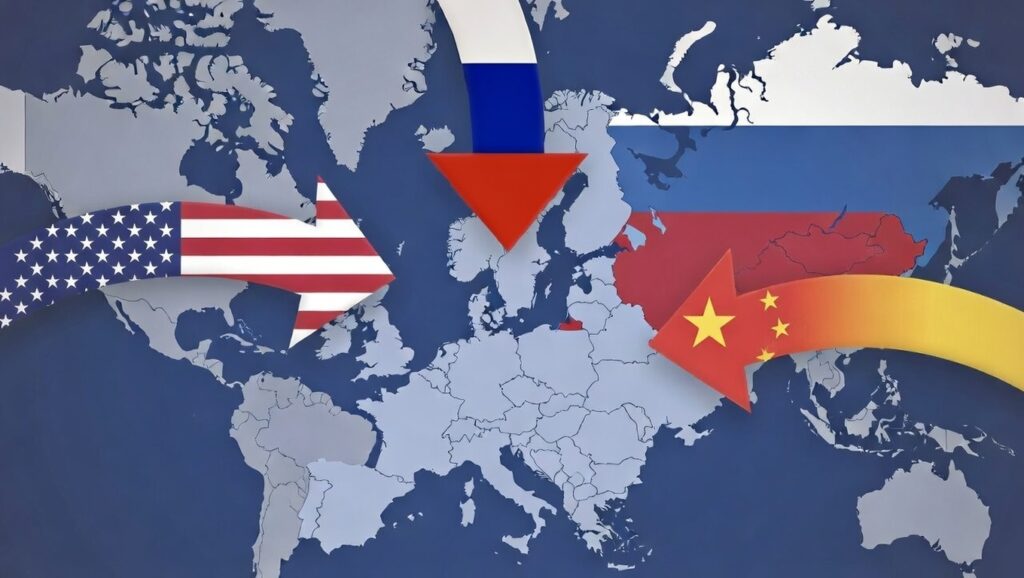
The EU cannot claim to be reducing dependency while reinforcing structural reliance on the very systems that underpin security, technology, and capital flows.
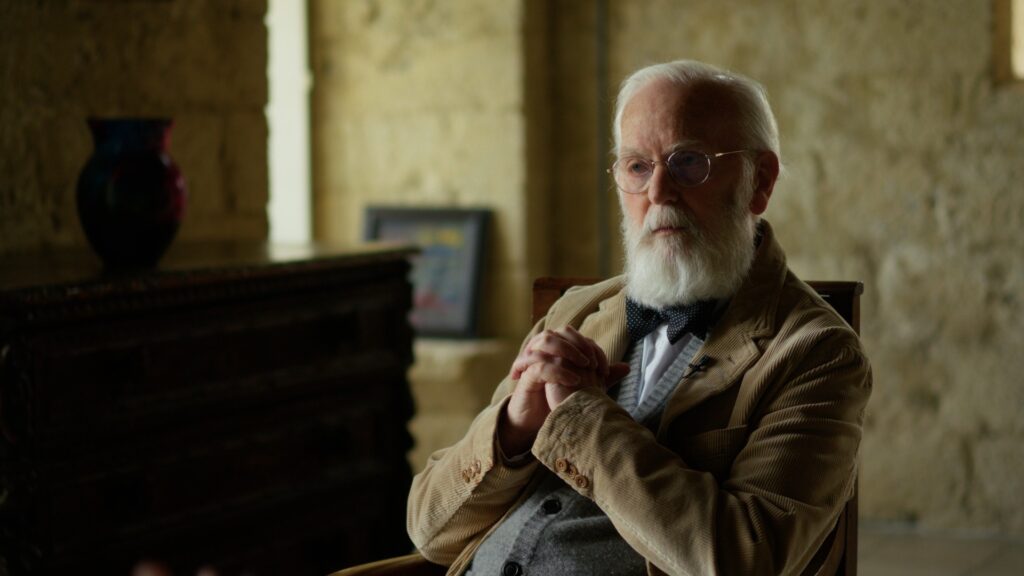
Two journalists take great delight in tearing down the man who merely observed the great replacement: telling the truth has become a perilous occupation.
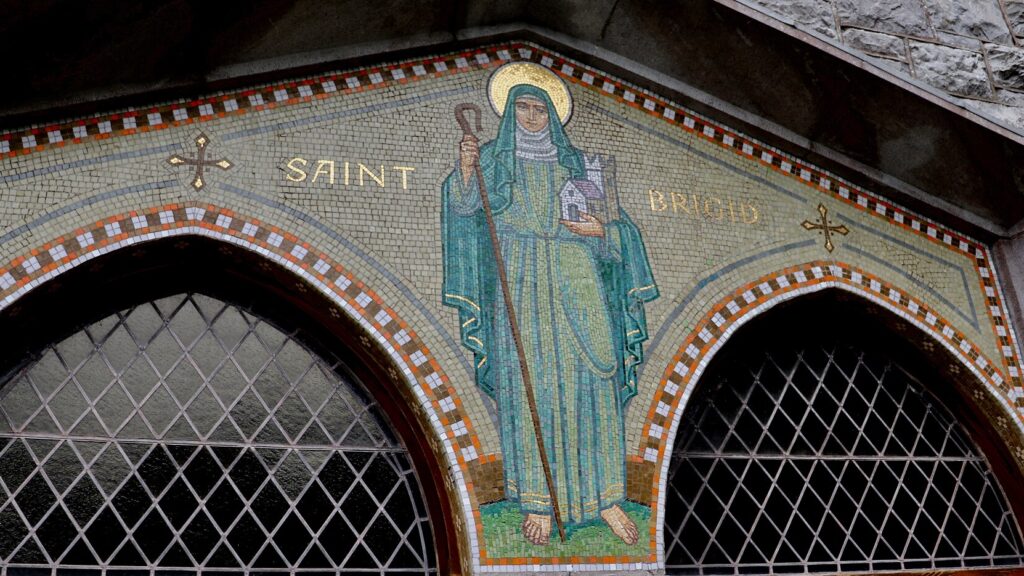
Modern Irish history is a cautionary tale for Western nations that take the incessant attack on faith and freedoms lightly.
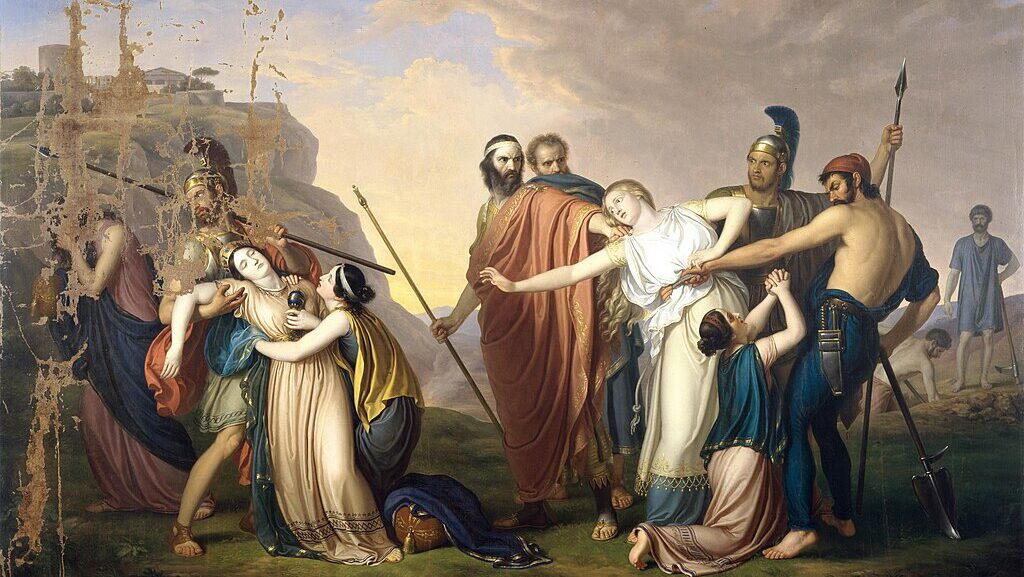
Excluding the Western canon and emphasizing minority writers forces students to dwell on identity politics until it becomes an empty obsession.
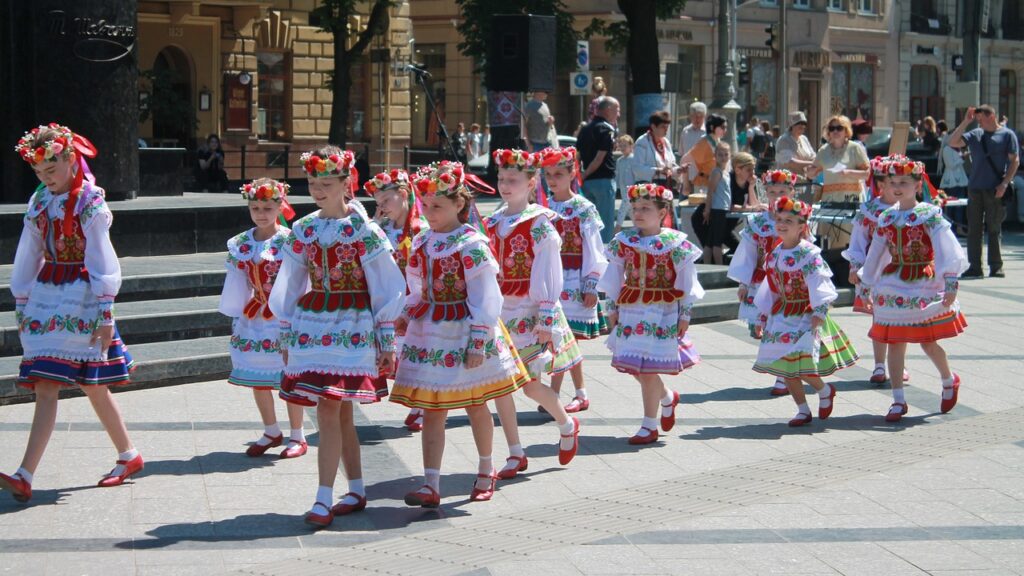
Any conservative system of welfare should focus on continuity and cultural transmission, and be conceived primarily as a reward for responsibility.
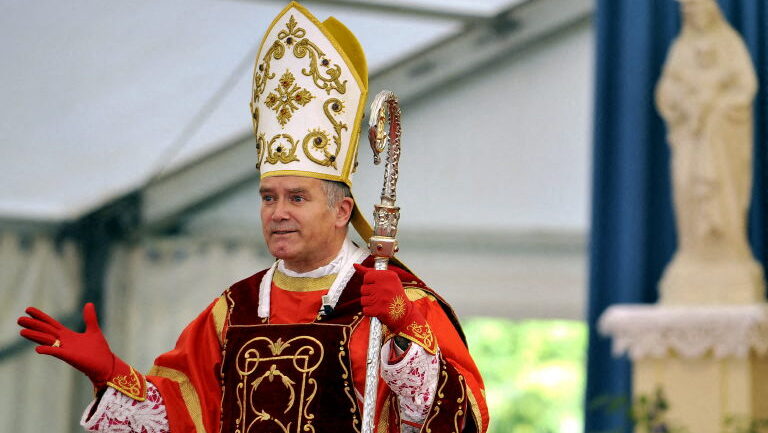
Selective enforcement and uneven tolerance are shaping perceptions far beyond traditionalist circles.
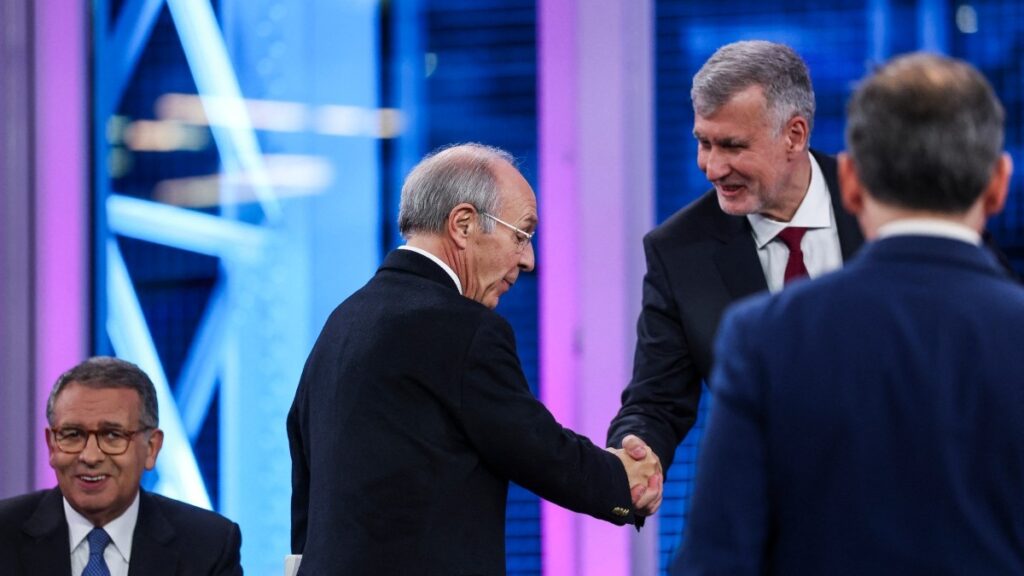
When the moment of truth arrived, the “centre-right” once again preferred to work with the Left, a mistake it will come to regret.
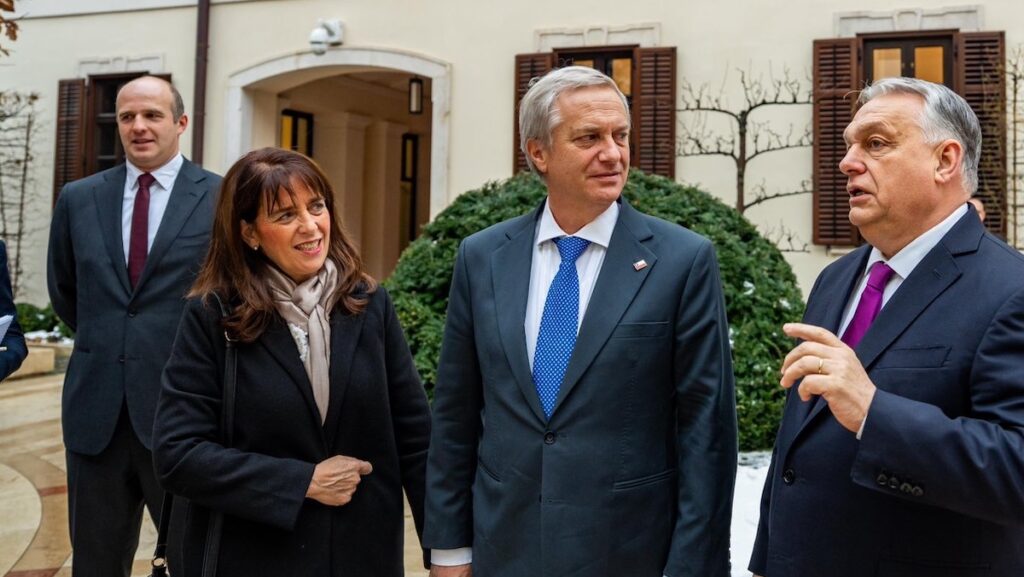
Hungary has faced challenges that resonate with current concerns in Chile: public security, migration control, social cohesion, and the tension between national sovereignty and supranational dynamics.
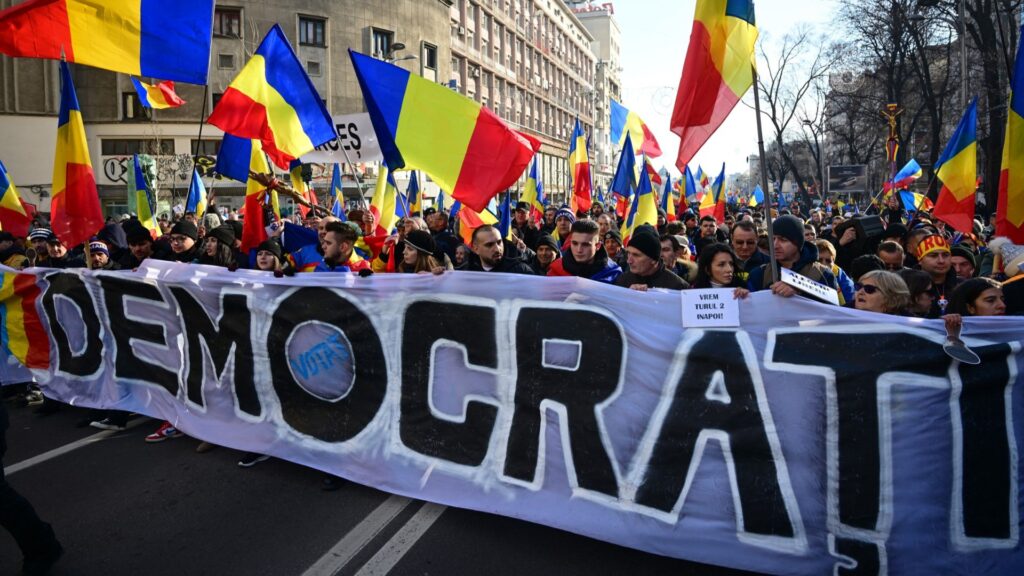
When electoral outcomes depend on conformity to approved narratives, voters are no longer citizens exercising constitutional rights—they are just pawns in a supervised process.
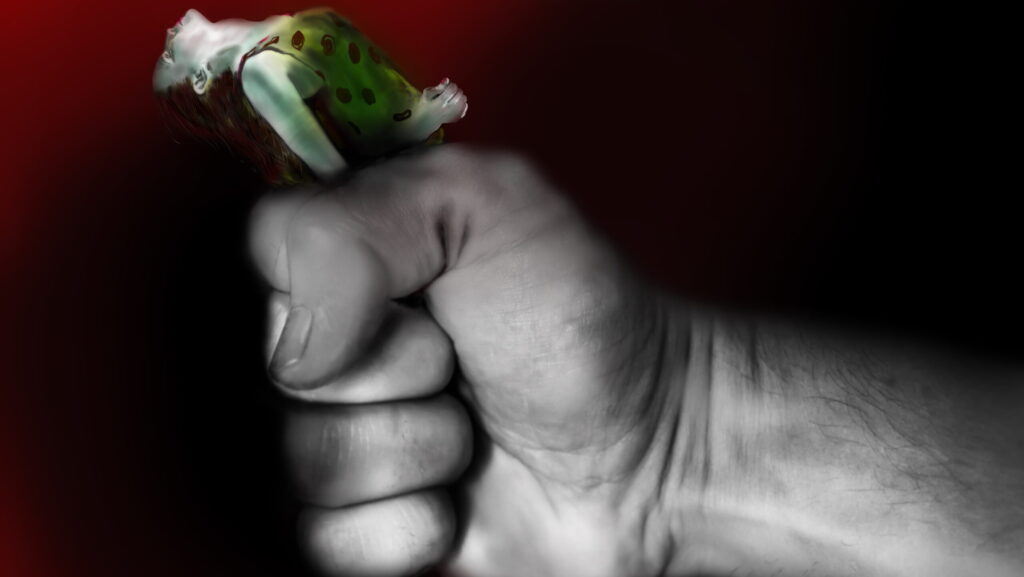
What is meant to be anti-discriminatory is a plot to confuse—and insulting to normal citizens.
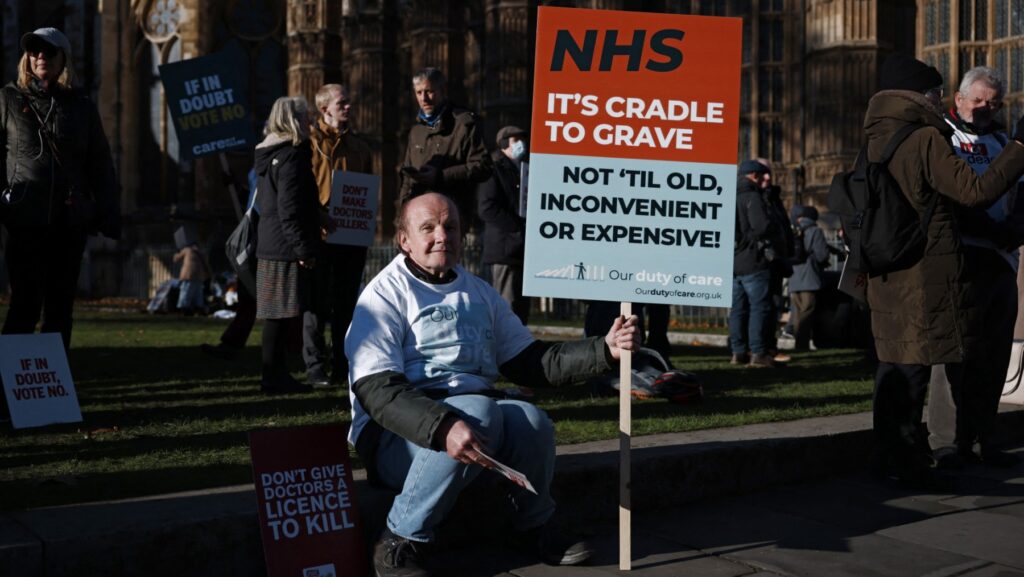
A furious Lord Falconer has threatened to override the Upper Chamber using the Parliament Act, which would likely trigger a constitutional crisis.

Amelia is a reminder of how badly governments misjudge the nations they claim to protect.
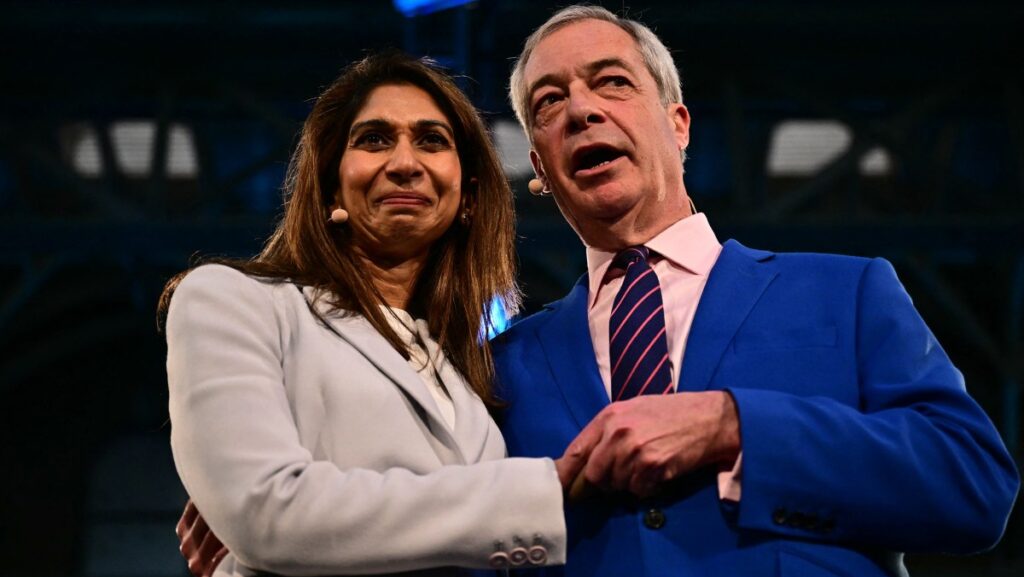
Reform, bolstered by figures like Suella Braverman, who command respect on security and sovereignty, could emerge as the authentic home for unapologetic conservatism.

It is encouraging to see a generation of young conservative women taking the floor for what is worth fighting for.
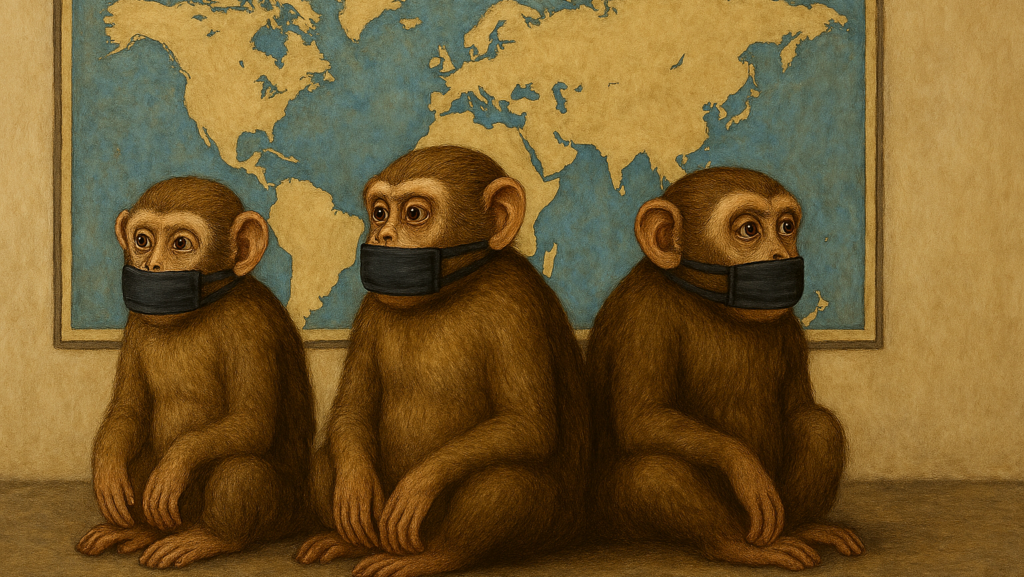
Freedom of expression is under worldwide attack. If this does not stop, the shadows from a very dark past will soon block out the beacon of liberty.
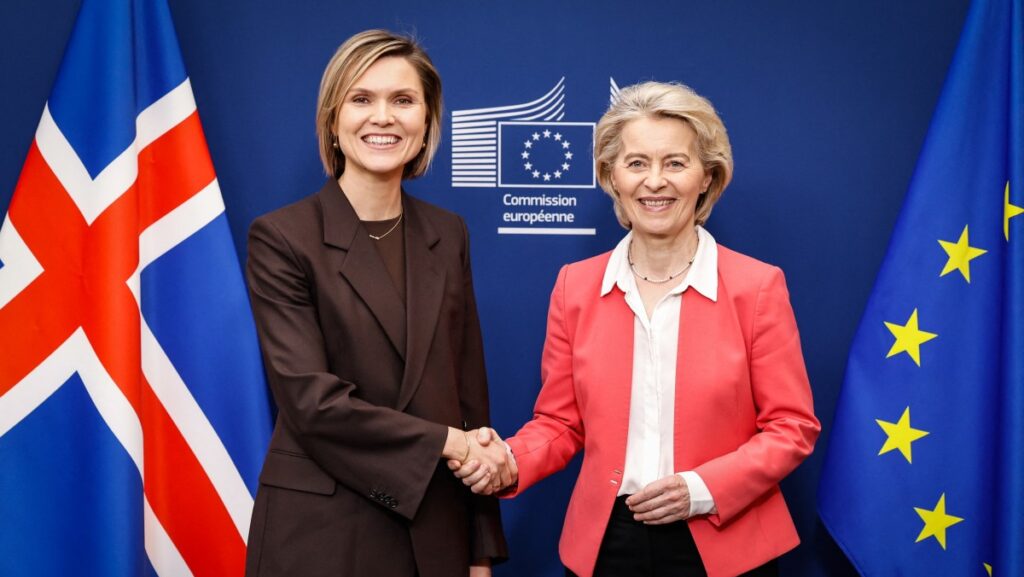
Iceland must champion a foreign policy of prudence, self-determination, and institutional fidelity—not one that hazards national sovereignty for illusory European integration.
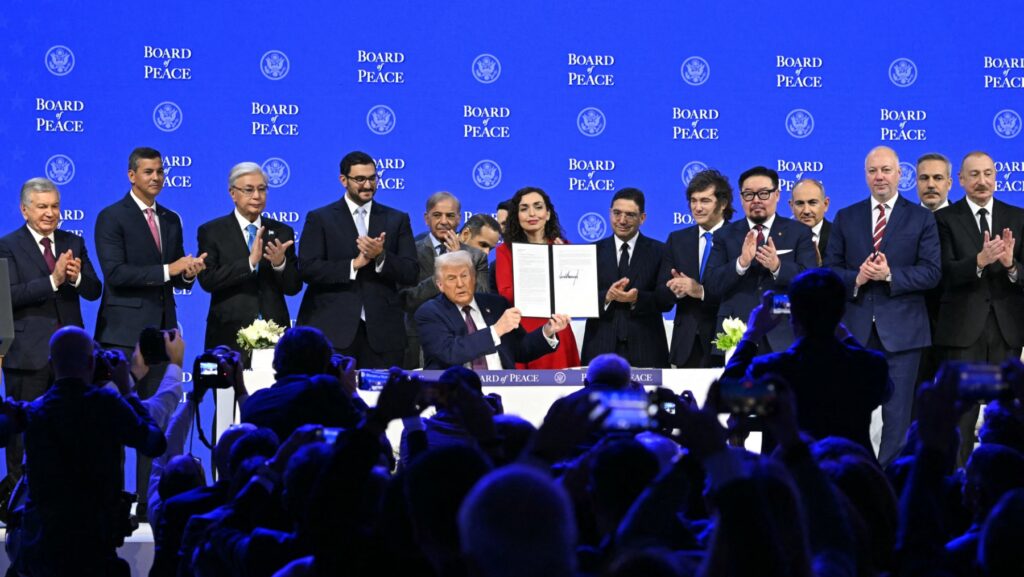
We do need new institutions that are global without being globalist.
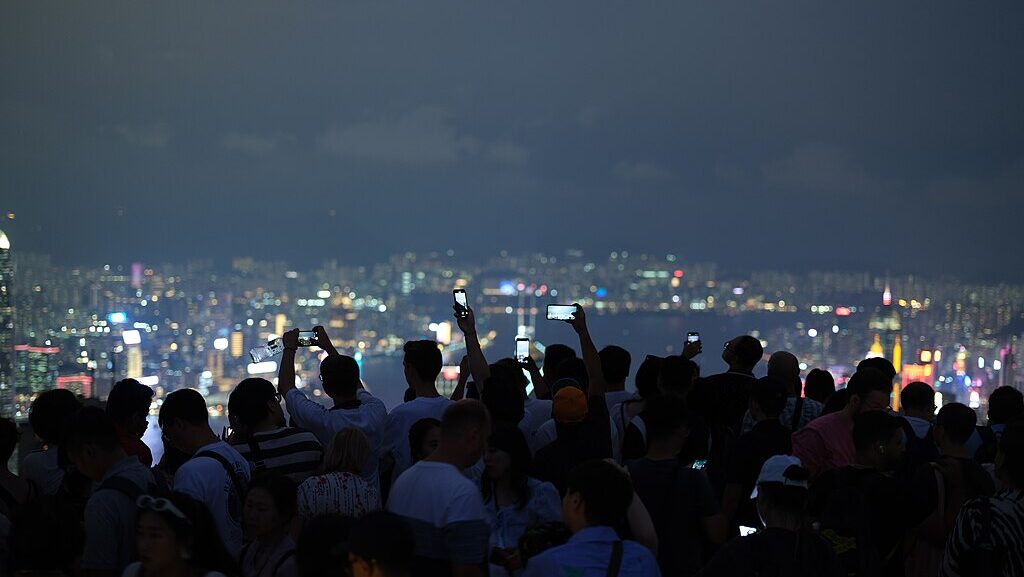
The ‘global village’ is not a bridge: it has turned into a panopticon, erected by many ‘liberal-minded’ globalists, where truth is filtered through the tinted windows of a tour bus.
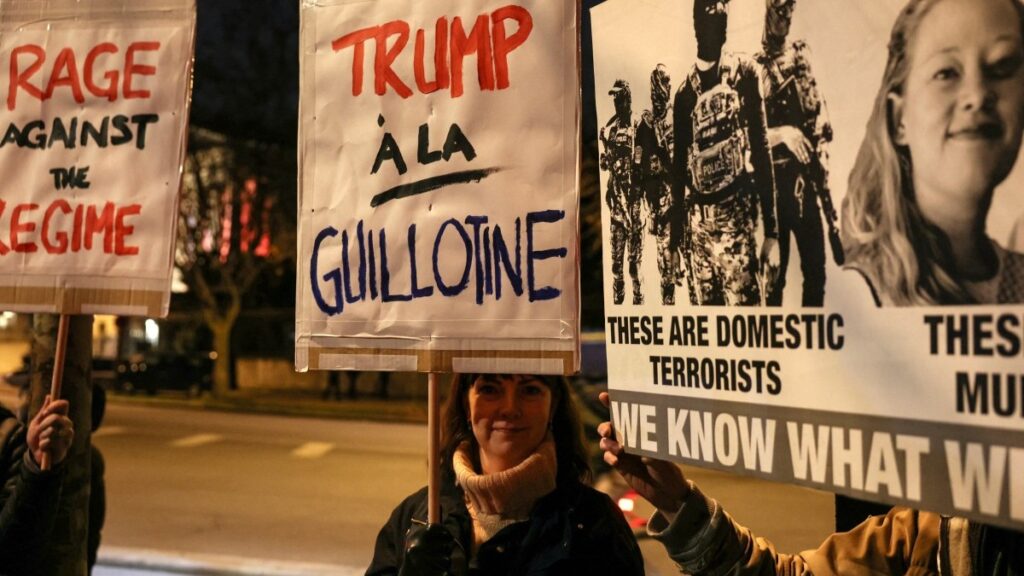
European liberal media are acting as the cohorts of the U.S. leftist press in their shameful incitement against ICE and its officials in Minnesota.
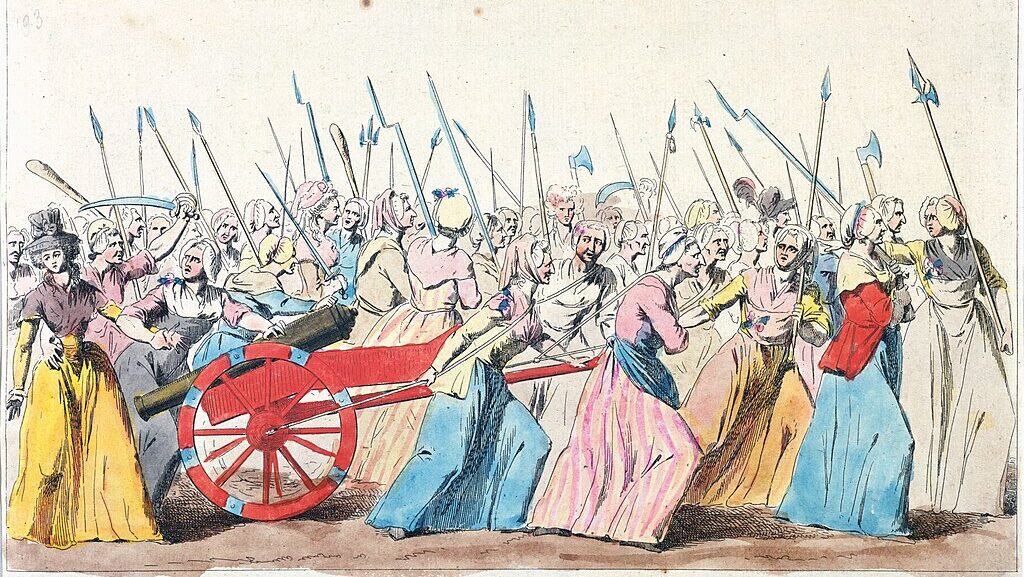
A leftist MP hopes to make French people dream by invoking repentance and dark chapters of the past.

Family policy must go beyond traditional welfare measures, offering young people a predictable life trajectory and existential security to support their plans for having children.
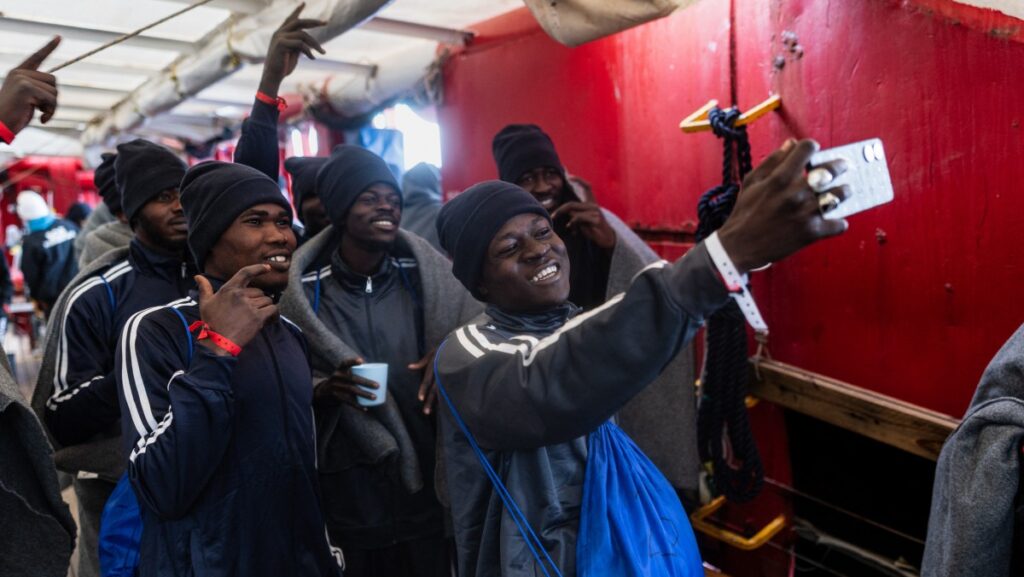
After thirty years of failure, the only solution is for the EU to give back its competences to member states.
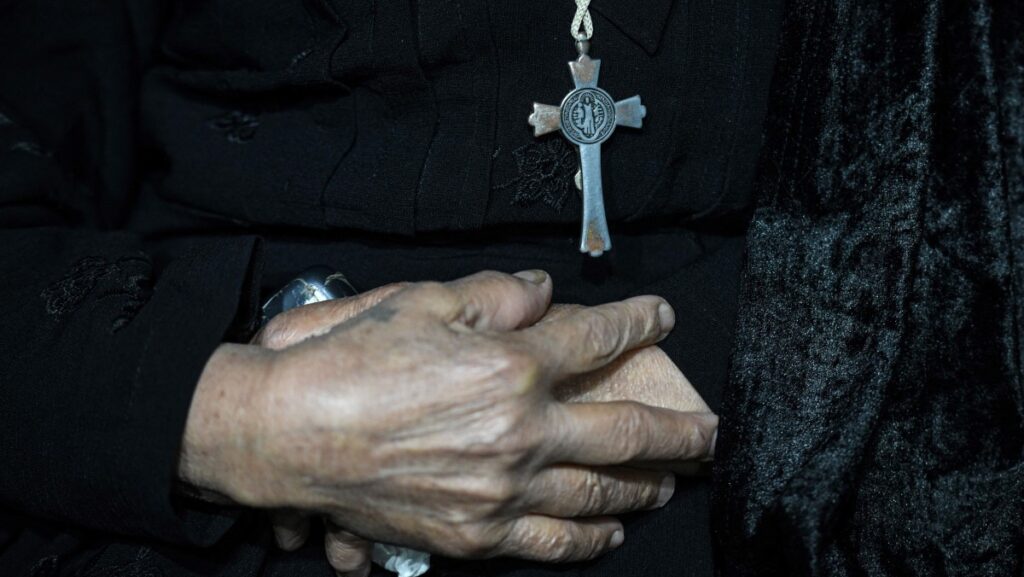
Trade preferences, migration cooperation, and security assistance should be conditioned on measurable progress in the human rights area, Coptic Solidarity’s Lindsay Rodriguez says.
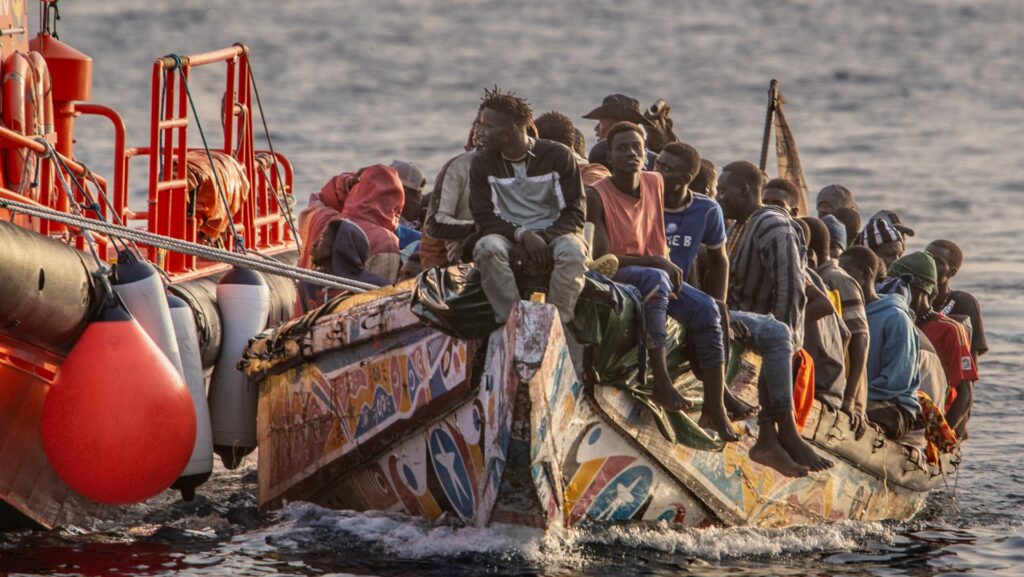
Does anyone believe there won’t be a new and historic pull factor that will generate new migration crises at European borders?
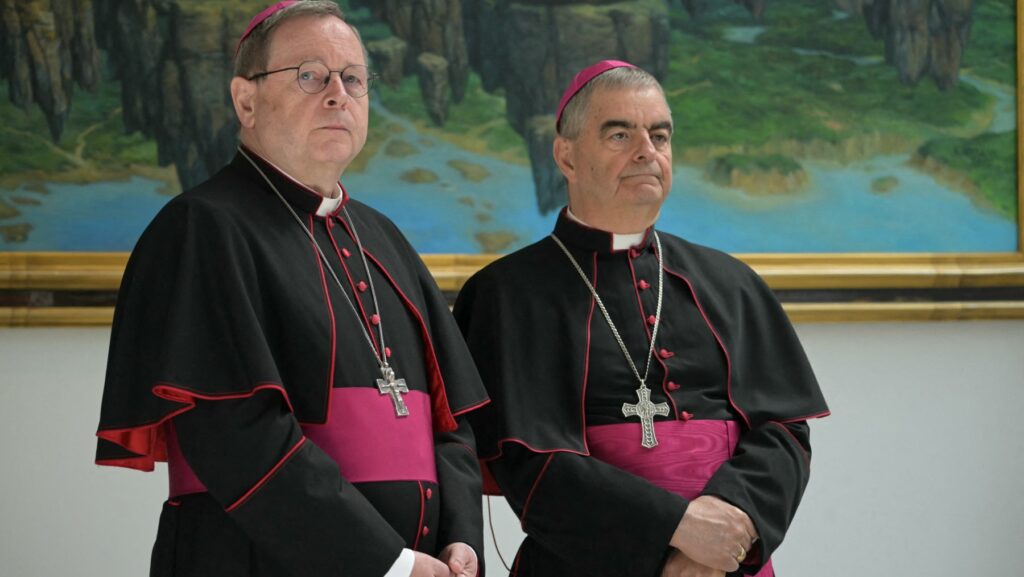
Elected to heal divisions, Pope Leo XIV may instead be remembered as the pontiff under whom the most serious Catholic schism since the Reformation emerged.
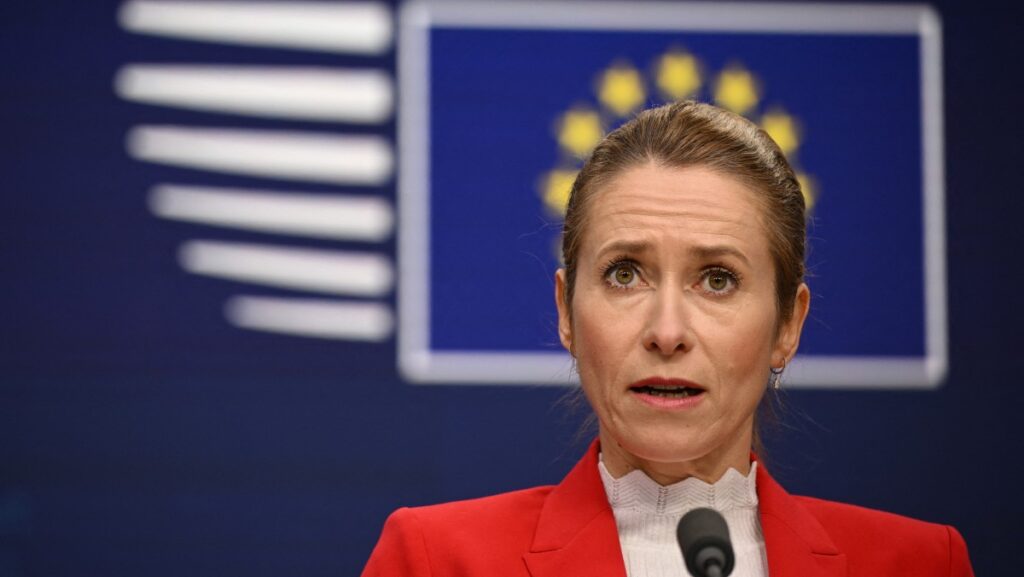
The purpose of foreign policy is not moral purification; it is to secure tangible interests as well as they can be secured in the existing balance of power.