

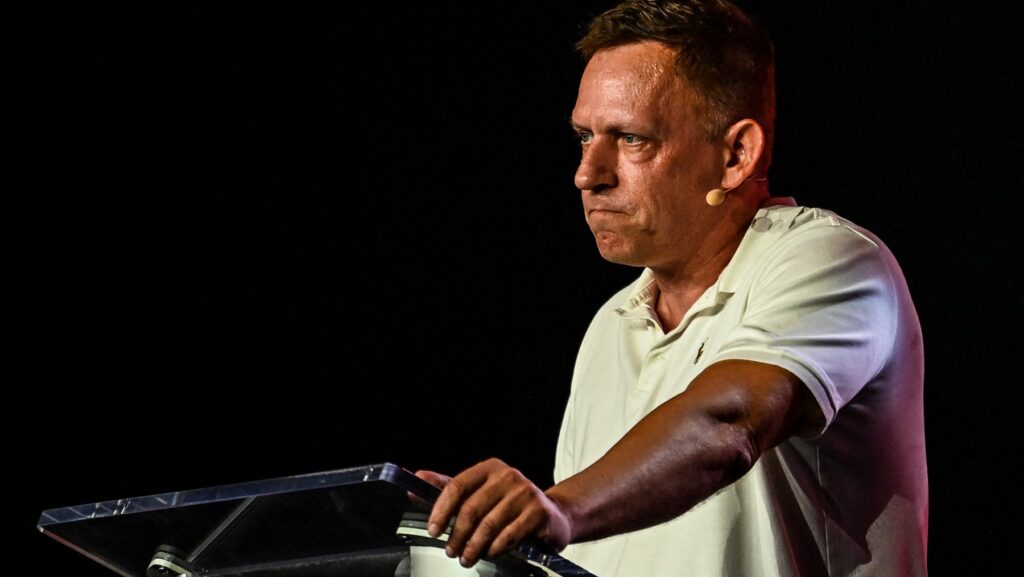
Leaking the precise location of a high-security private event to a press corps with an appetite for the darkest possible framing, in a city where networks were actively building nail bombs, was reckless.
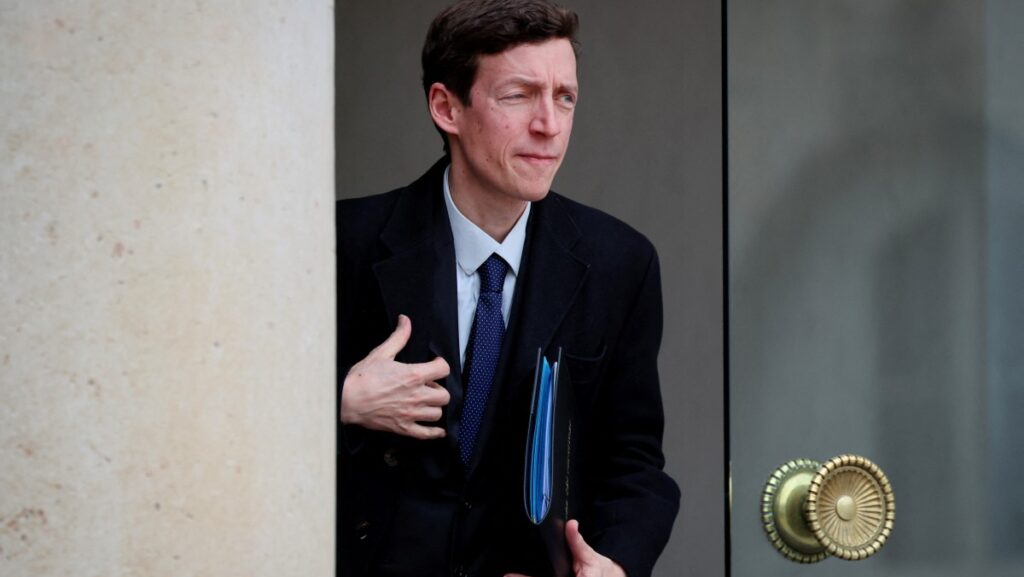
The French Ministry of Education intends to impose “media education” on pupils—another way to guarantee its ideological domination.
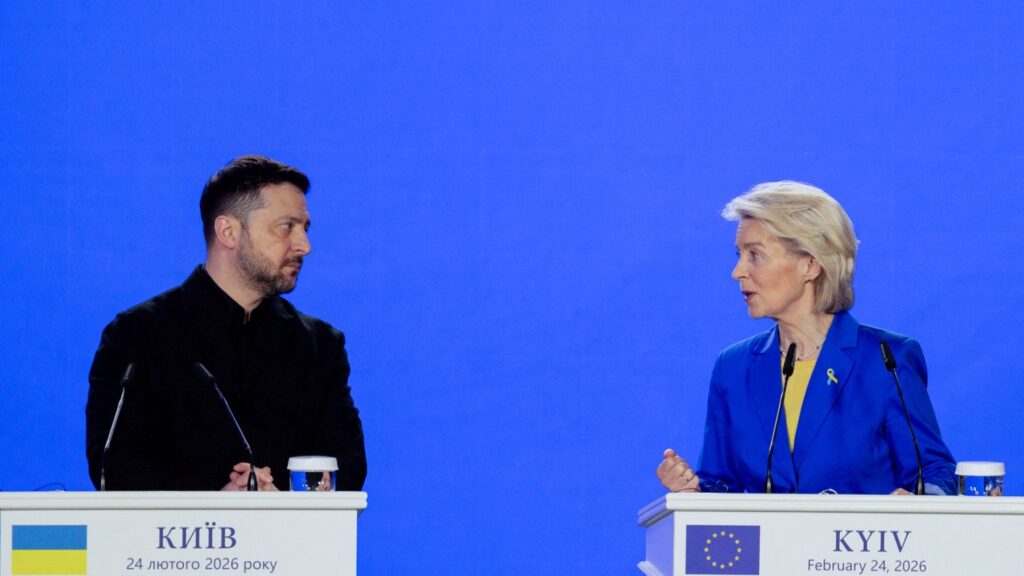
Brussels, Kyiv, and those member states whose intelligence communities are spreading disinformation are all determined to change Budapest’s position on Ukraine by helping the opposition come to power.
When political outcomes are shaped by external expectations, the decisions that follow rarely prioritize the national interest.
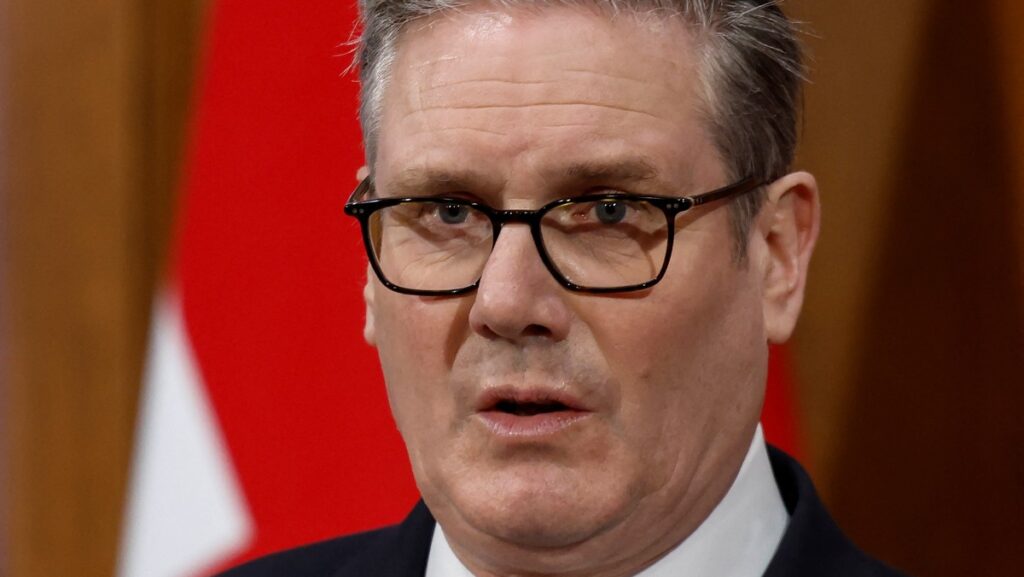
Sir Keir is not a Bond villain stroking a white cat in a volcano lair. He is something far more dangerous in a democracy: a careerist without fixed principles.

At the foot of the Basilica of Saint-Denis, the necropolis of the kings of France since Merovingian times, the descendants of the subjects of Their Majesties the Most Christian Kings are becoming increasingly rare.
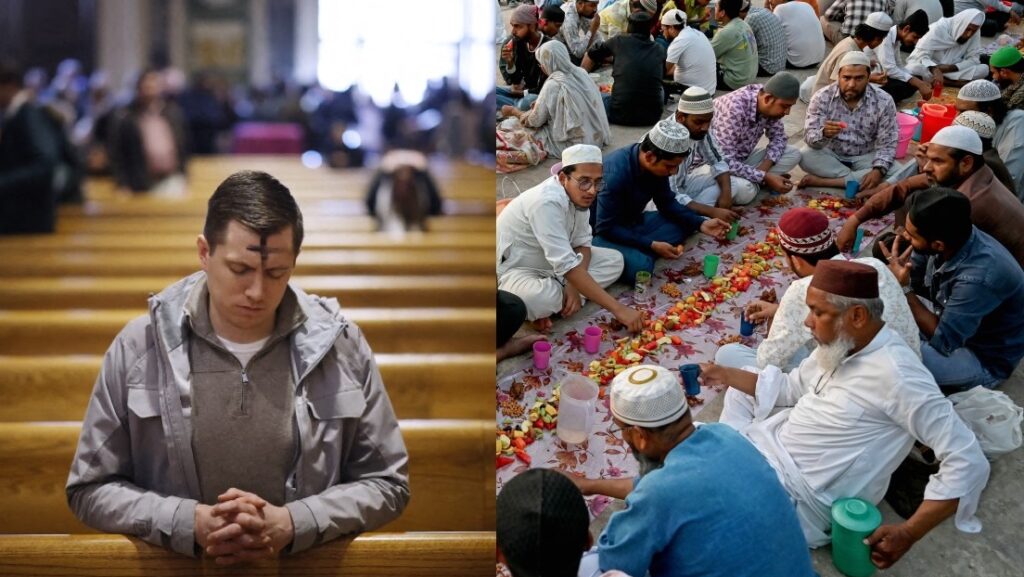
Religiously illiterate priests who want their flocks to start observing Islamic dietary restrictions, not Lent, are starved of common sense more than anything else.
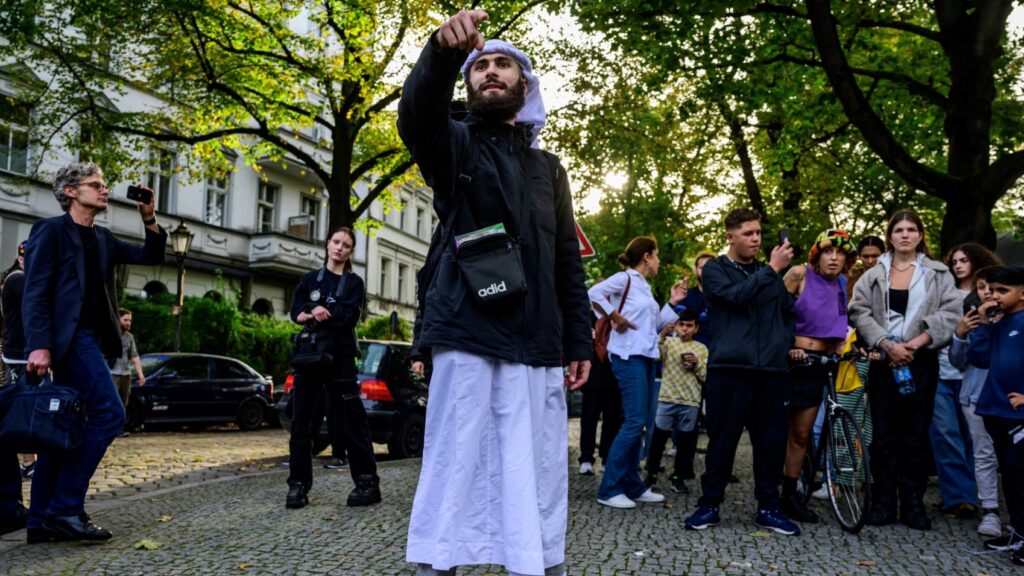
The last thing Berlin needs is a day against Islamophobia—what it does need is better politicians.
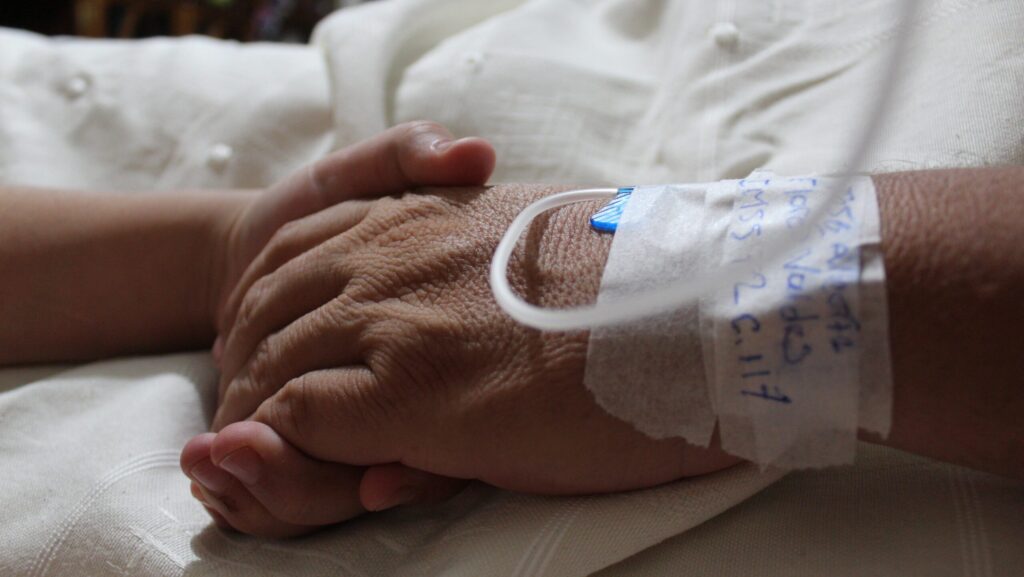
The rejection of the Scottish assisted suicide bill comes after cautionary tales from Canada, which is on track for 100,000 euthanasia deaths by this summer.
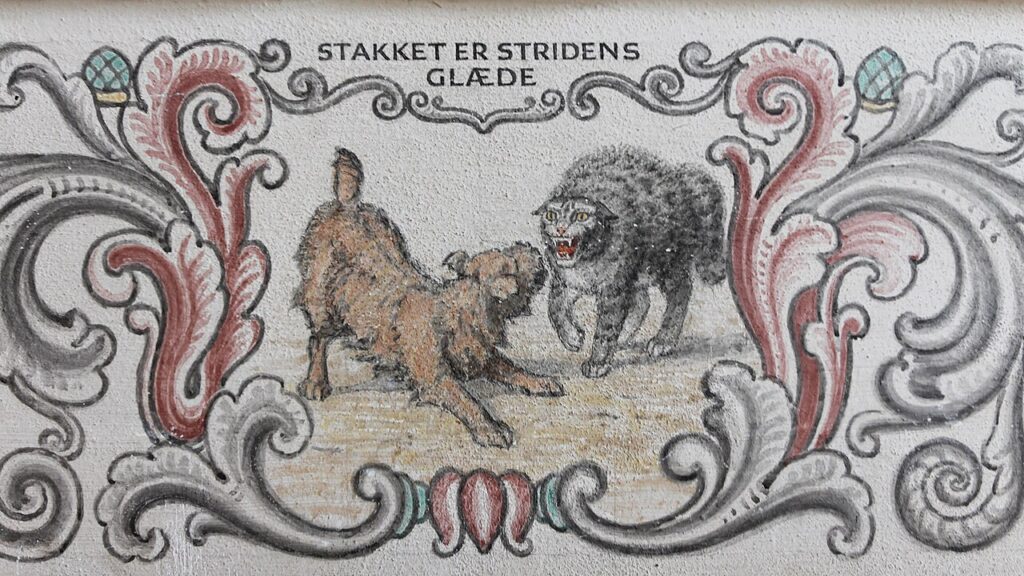
In pre-election polling, disgruntled voters penalize major parties whose ideological positions appear blurred or inconsistent.
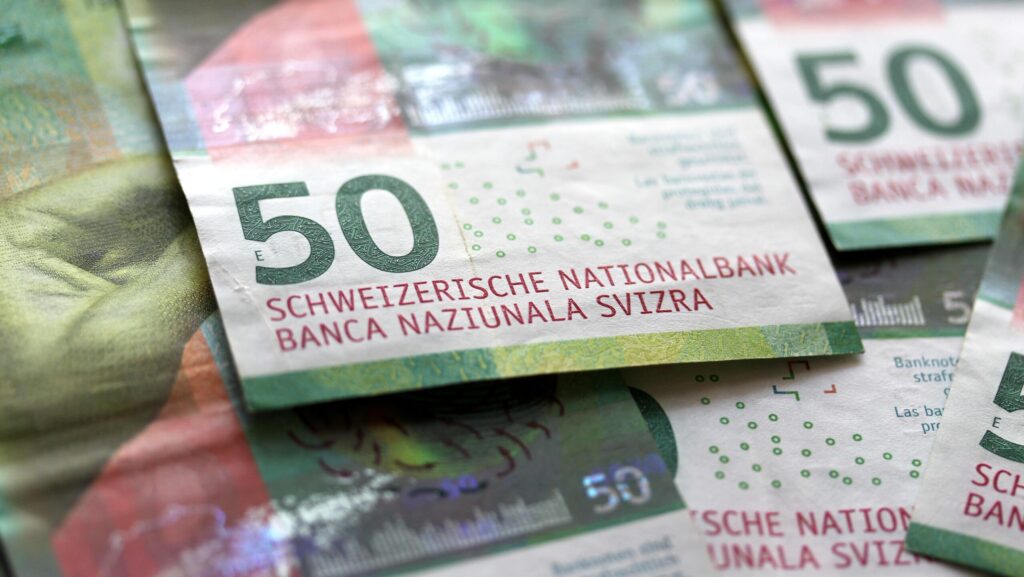
Remove cash from the system, and every economic interaction becomes visible to some authority somewhere, whether in one’s own country or somewhere else.
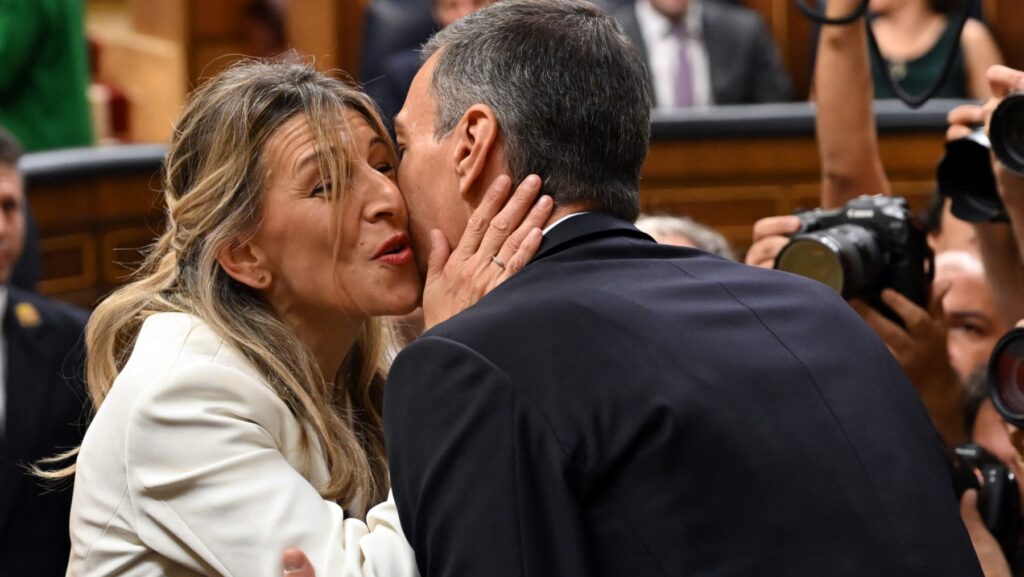
The Spanish PM’s shift to the left could foreshadow the path that socialism—or the social-democratic Left—across the West will follow, or is already following.
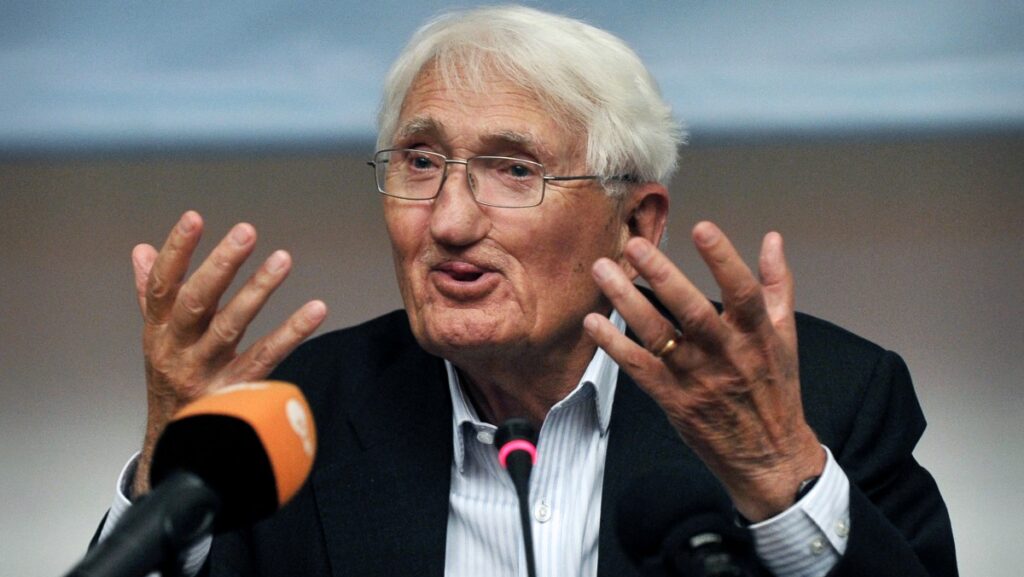
Habermas does not teach conservatives how to shout down the Left. He teaches them how to make the Left answer.
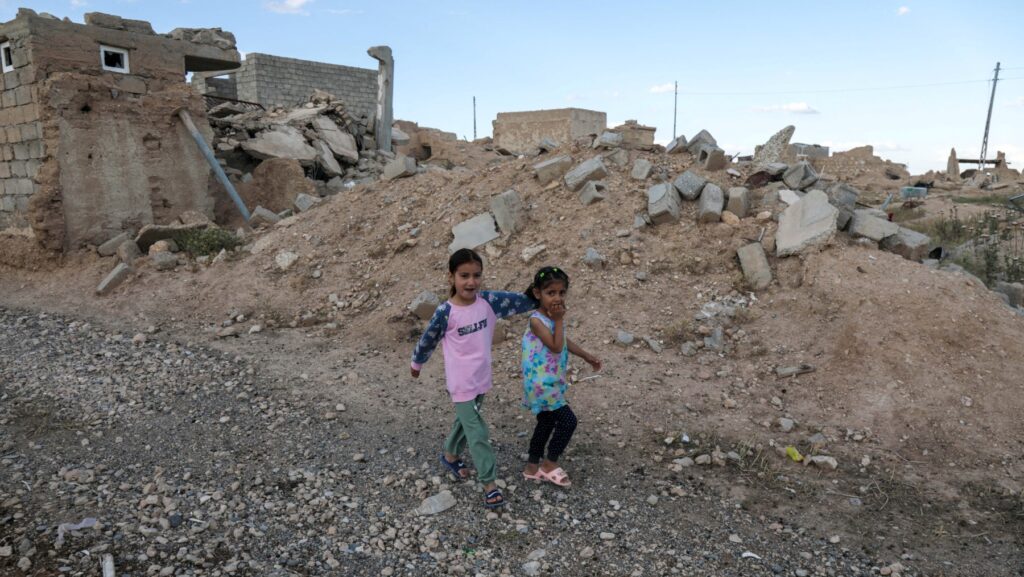
The existence of ISIS sleeper cells and other jihadist groups remains a major national security threat that European governments must no longer ignore.
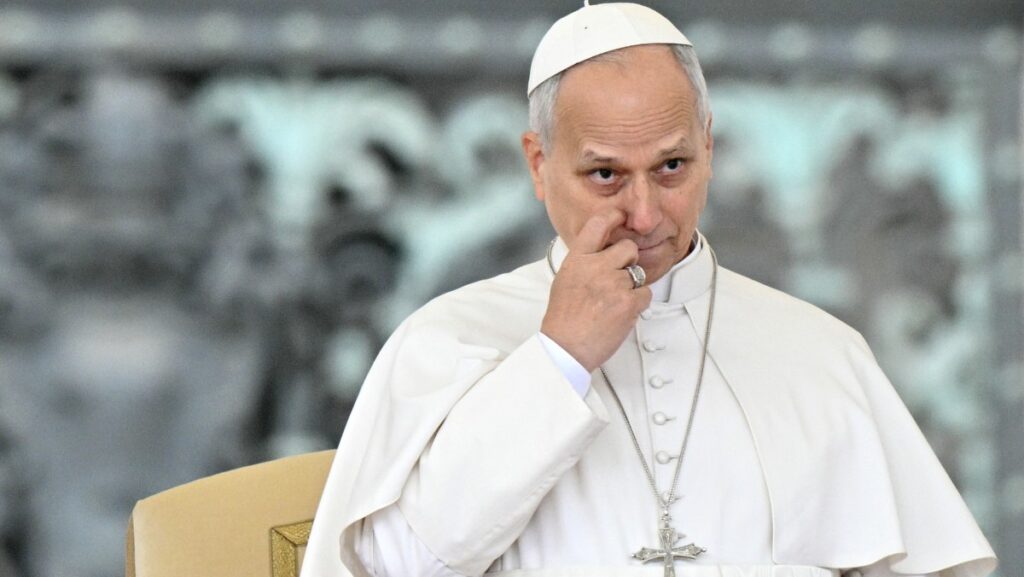
If Europe is to resemble something worthy of its name, things certainly will have to change.
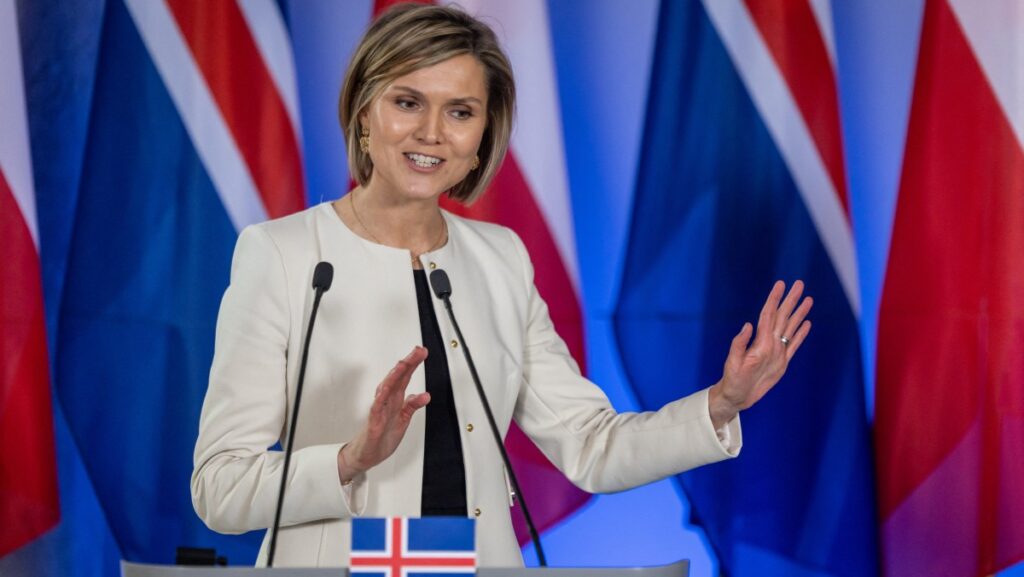
Vilifying masculinity and traditional masculine qualities leaves a vacuum that women are physically and mentally incapable of filling.
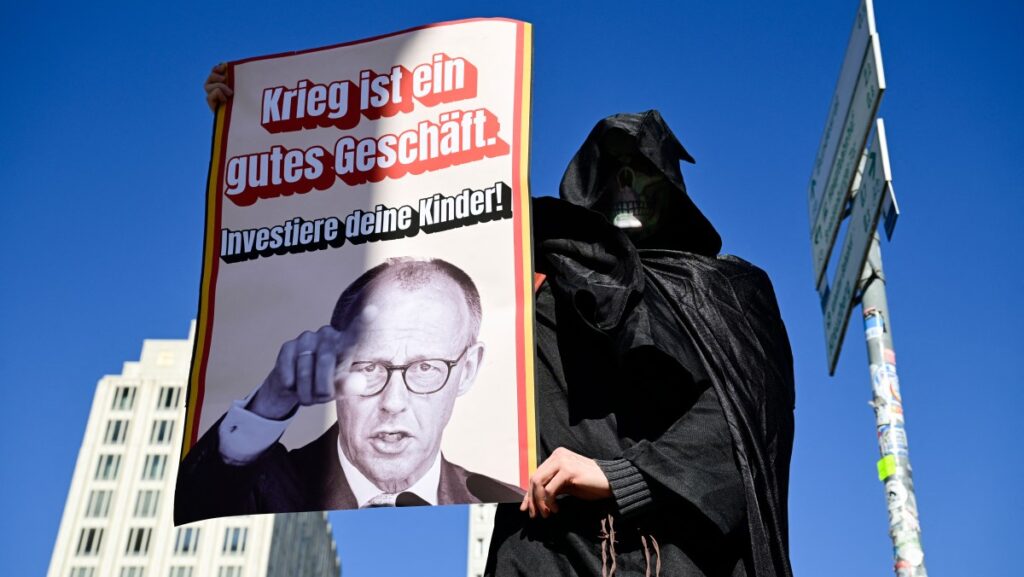
Over decades, Germany’s political elites have systematically undermined the very values that might inspire citizens to feel a stake in their country’s defence.
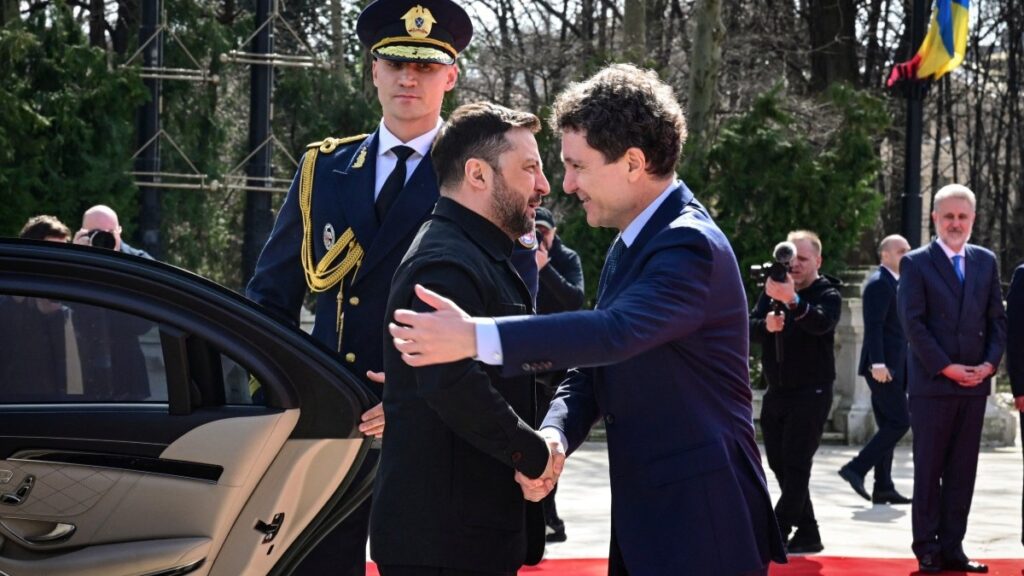
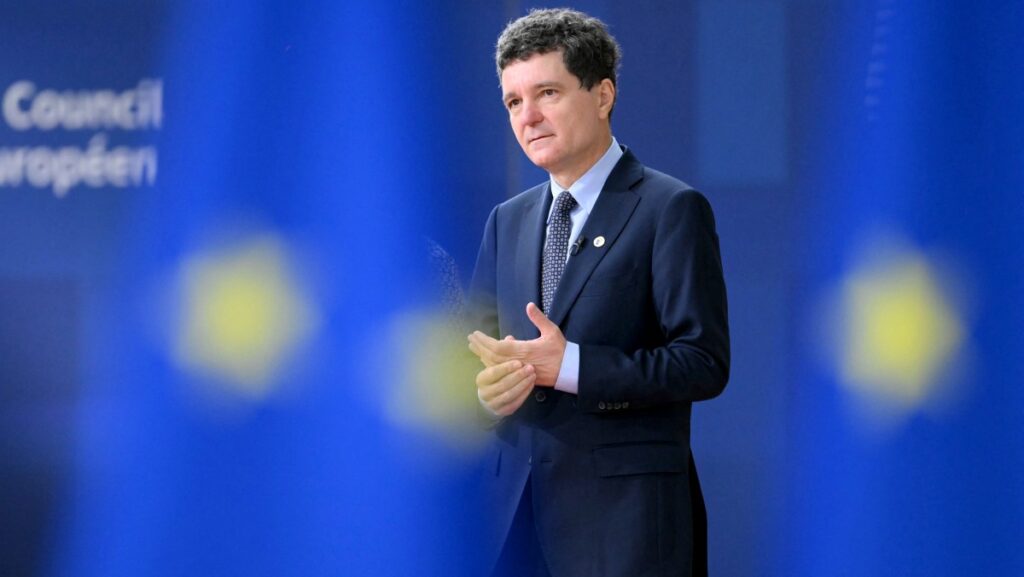
A statement by the Romanian president reveals how Ukraine’s political pressure on Hungary is finding allies inside the European Union.
The more chaotic and corrupting and violent society becomes due to the government’s refusal to govern, the more justified the government deems itself in intensifying its totalitarian regulation of society.
The real irony: the designers wanting to celebrate native wildlife are guided by the same bureaucracy that, next door, is dismantling rural England—banning hunting and taxing family farms.
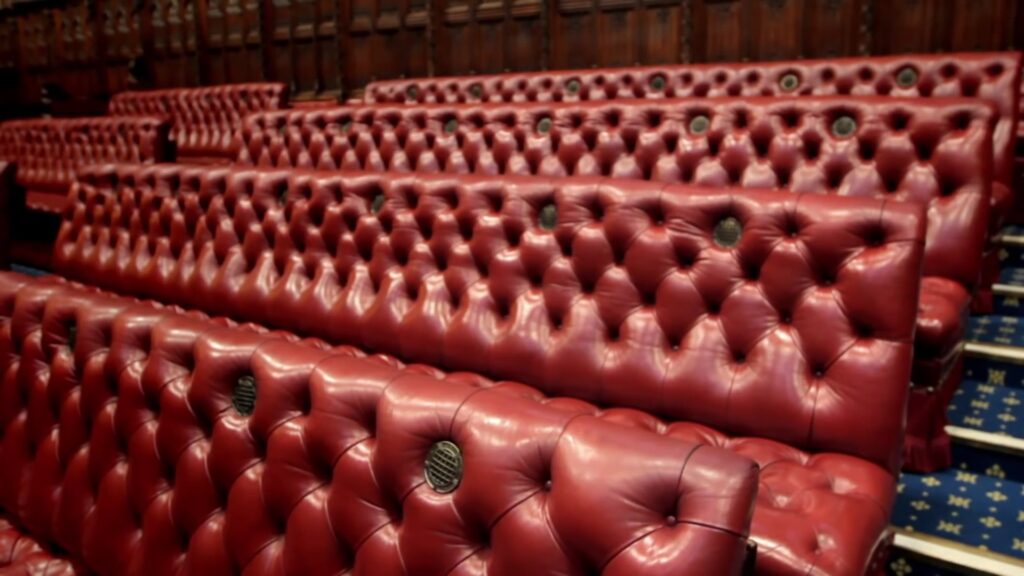
Removing hereditary peers may make Britain’s constitution look more “modern.” But it also leaves the House of Lords increasingly shaped by political patronage.
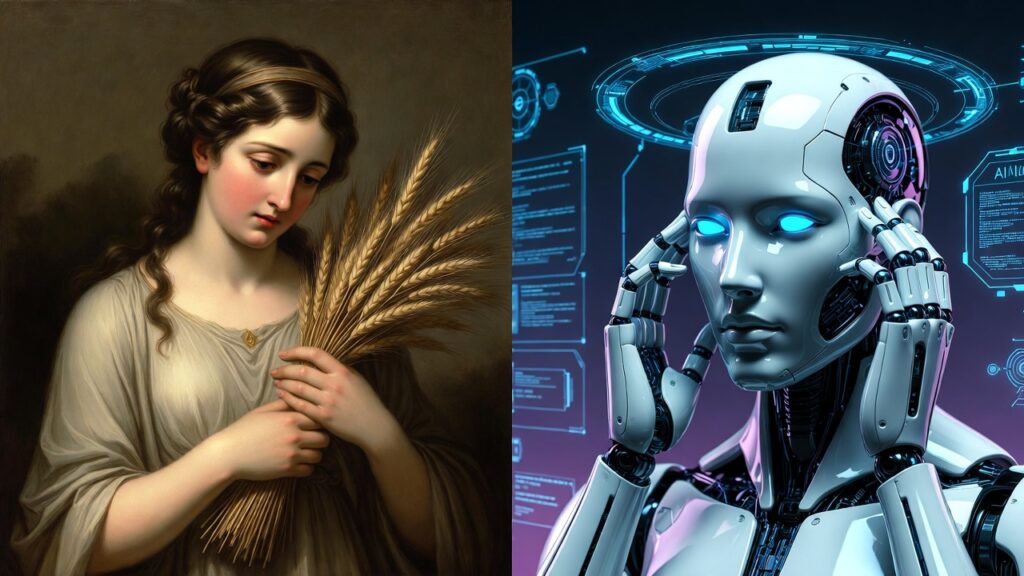
AI might not make humans obsolete or useless but rather spark a renewed reflection on what makes humans unique.
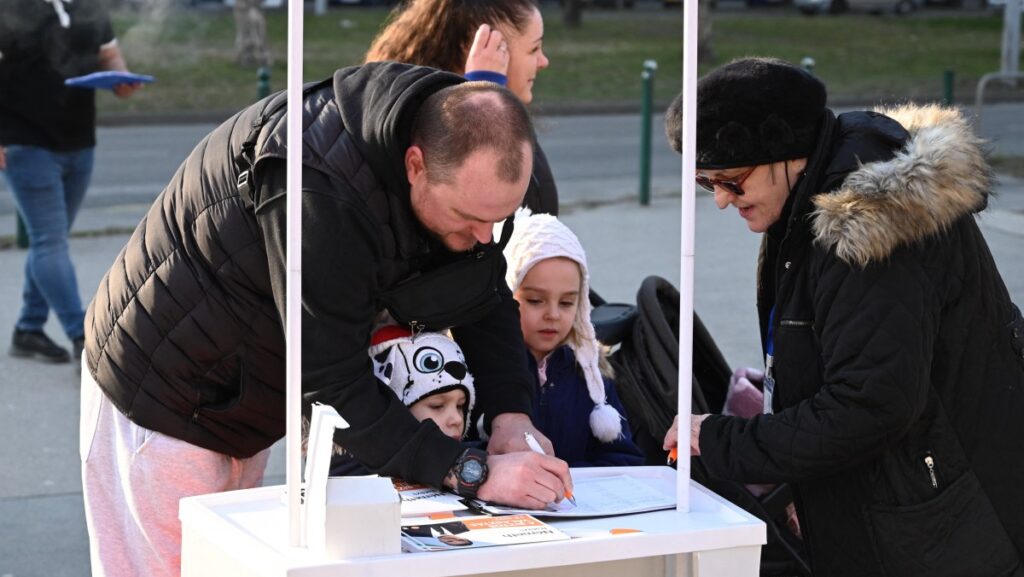
Why Transylvanian Hungarians do not decide Hungary’s elections.

To simultaneously obliterate Germany’s nuclear sector and to cut off energy ties with Russia wasn’t simply foolish—it was self-sabotage of the highest and most unforgivable order.
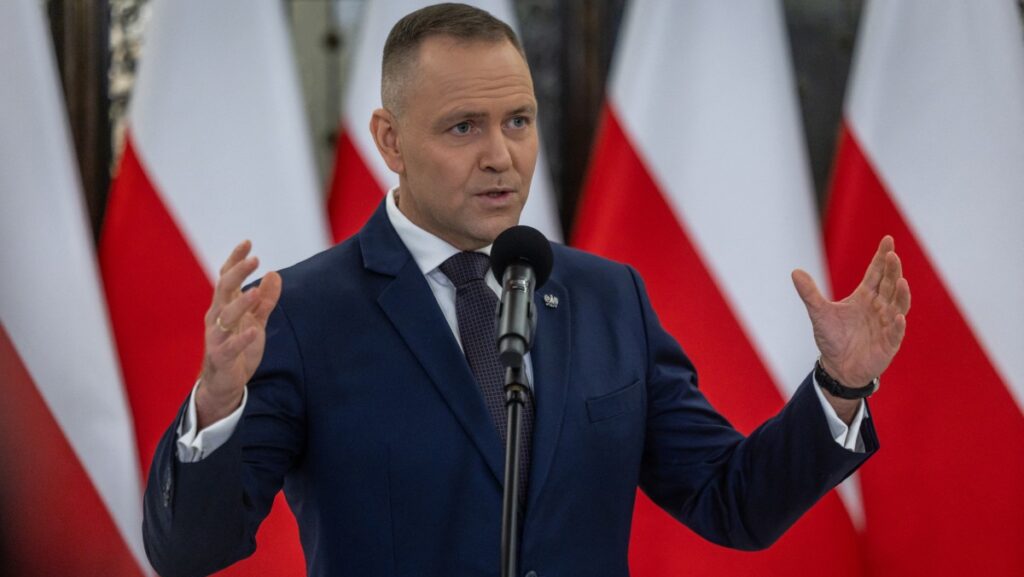
The president’s funding plan for Poland’s defense buildup removes the risk of Brussels holding funds hostage if they dislike the country’s required ‘progress reports.’

Much of the sense of European superiority towards America has long rested on an elitist belief that America is dominated by the wrong kind of voters.

The launch of Rupert Lowe’s Restore Britain party started a civil war with Reform UK for the loyalty of an emerging Christian voting bloc.
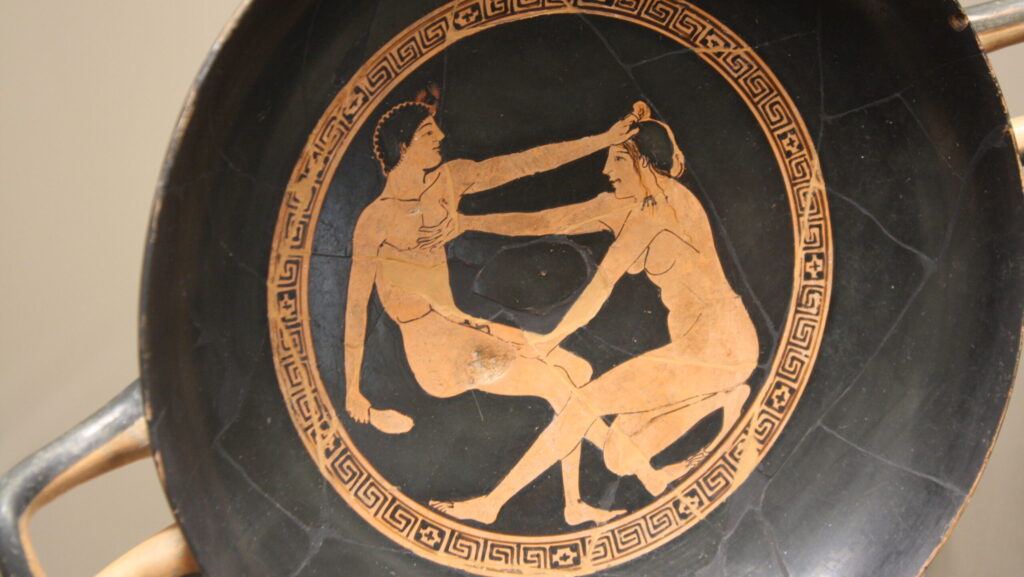
A brief history of a controversy surrounding X and the obsessions of the academic Left.

Repeatedly and inaccurately—on stage, on-screen, and in the media—calling people ‘fascists’ who are in fact just perfectly ordinary people who happen to think differently can provoke unpleasant real-life consequences.
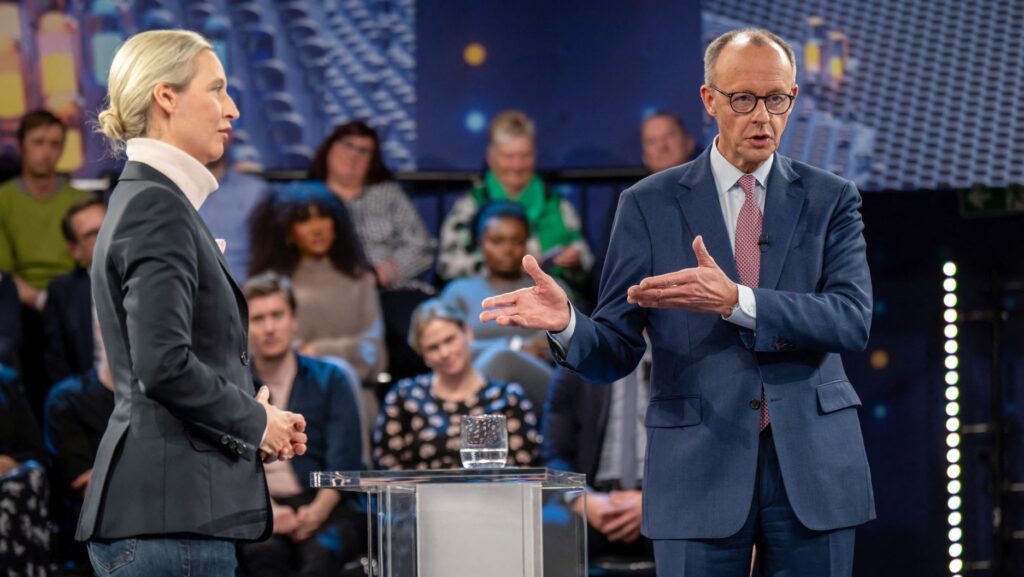
The upcoming elections reveal a familiar pattern of German politics: the cordon sanitaire ends up strengthening the political Left.