


The EU’s business model has been to put the age-old laws of politics to the test, argues Stefan Auer in his latest book. To survive, it needs to heed them instead.

Erdoğan either has the best of intentions for Turkey or is simply in love with power. The fact that he has altered the presidential voting system and extended his term of office in the process suggest the latter.
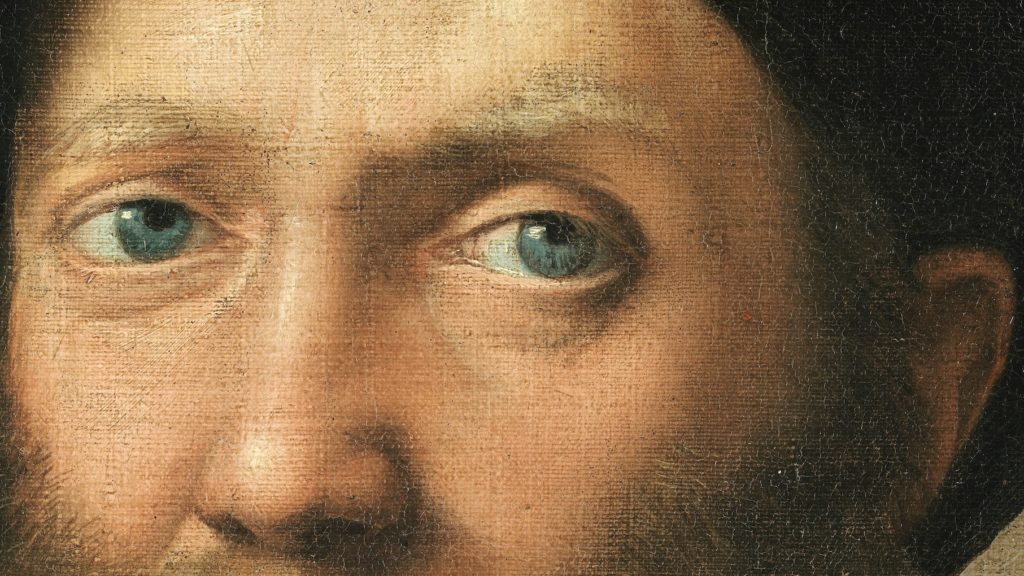
London’s National Gallery ventured to assemble what it described as the first exhibition outside Italy “to encompass all aspects of Raphael’s artistic activity across his career.”
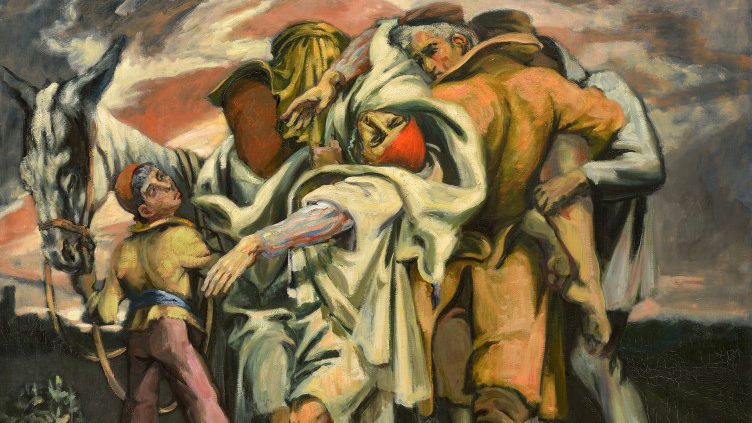
In France, Jews and Arabs have been drifting apart over the past 50 years. A Paris exhibition commissioned by one of the country’s leading historians hoped to build bridges.

The movie is about aviators flying jets, success and failure, personal struggle in the face of obstacles, facing ghosts of the past, family, and ultimately about pushing oneself to the limits. Period.
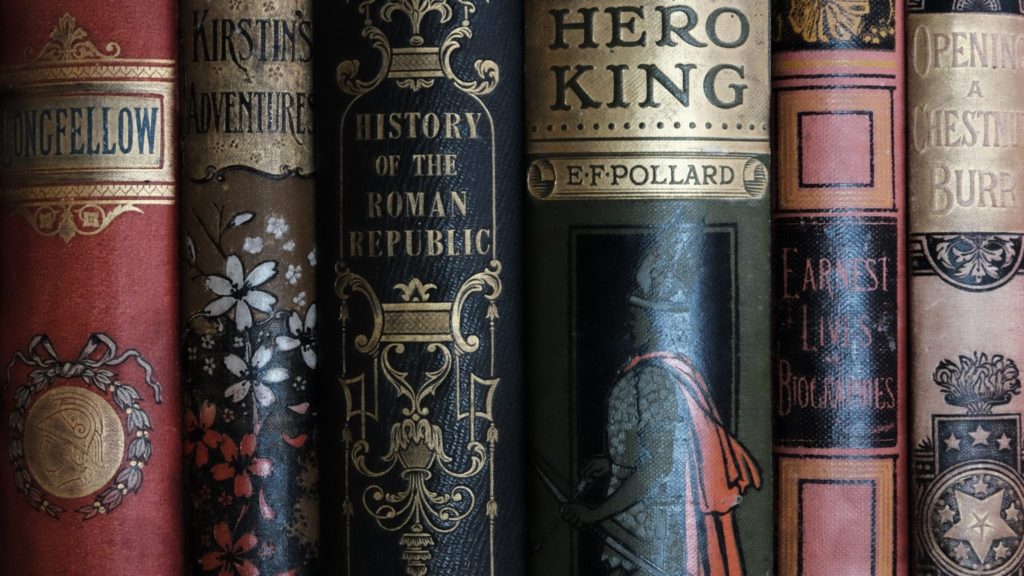
When we find ourselves at an impasse, it can be very helpful to look to great figures from history for guidance. Today, we could learn a thing or two about cultivating political culture from a universally-known but rarely studied figure, Charles the Great, or Charlemagne.
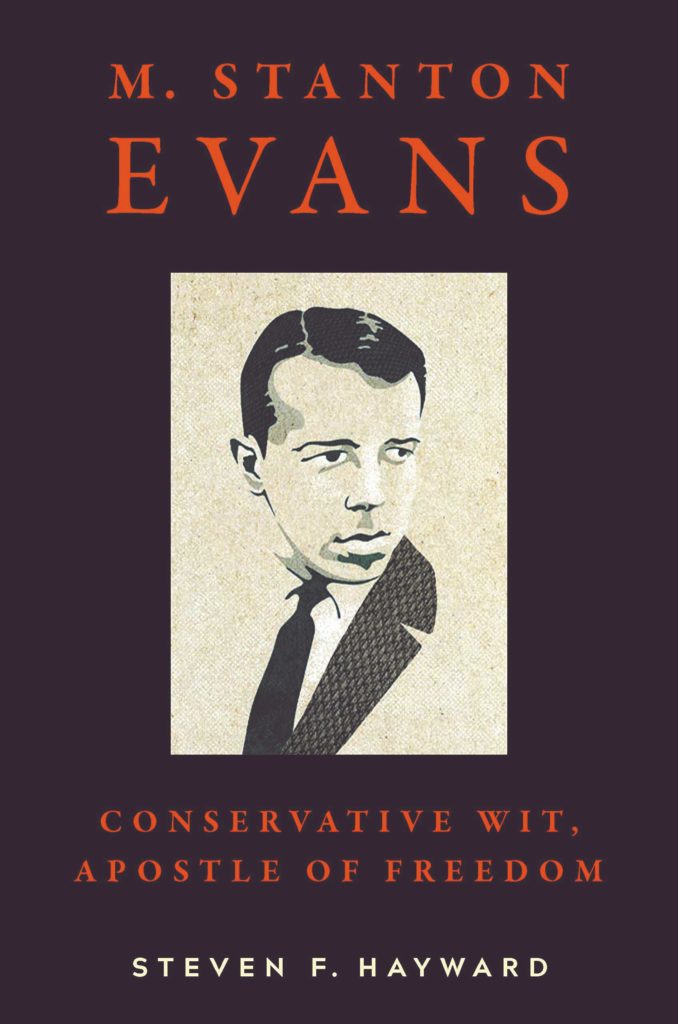
Reagan’s election would be the ultimate test of the so-called Evans’ law: “whenever one of our people reaches a position of power where he can do us some good, he ceases to be one of our people.”

Richard de Sèze’s brilliant and light pen swirls around the impressions of everyday life to give us a delicious panorama of things that pass and things that do not.
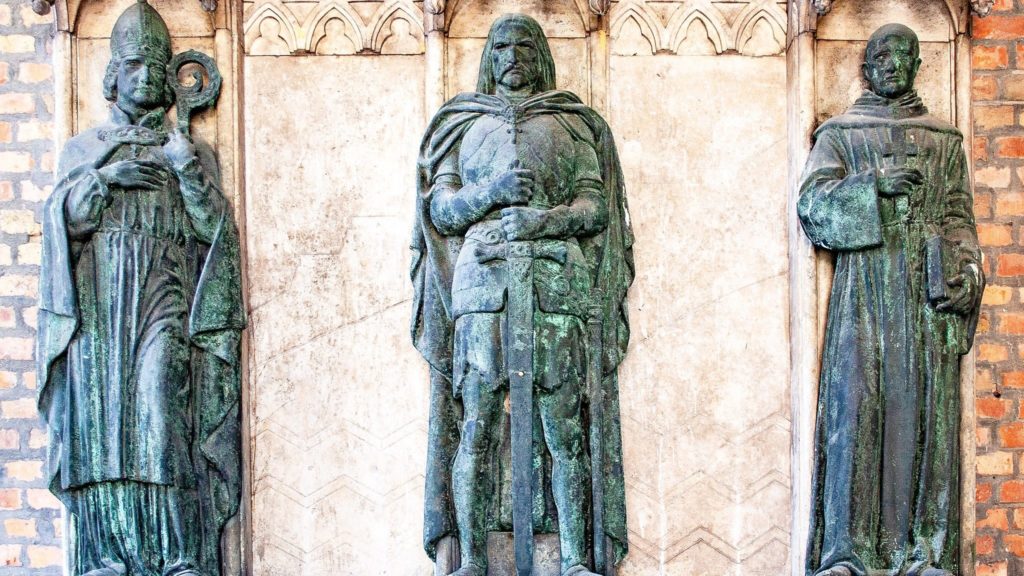
Although the book is properly a mosaic of voices— two personalities dominate, both on the battlefield and in the documentation. The first is the heroic Christian military commander Hunyadi. The second figure is far less remembered today, the Franciscan friar Saint John of Capistrano, sometimes called the Soldier Saint although the only “weapons” he carried were a crucifix and a banner.
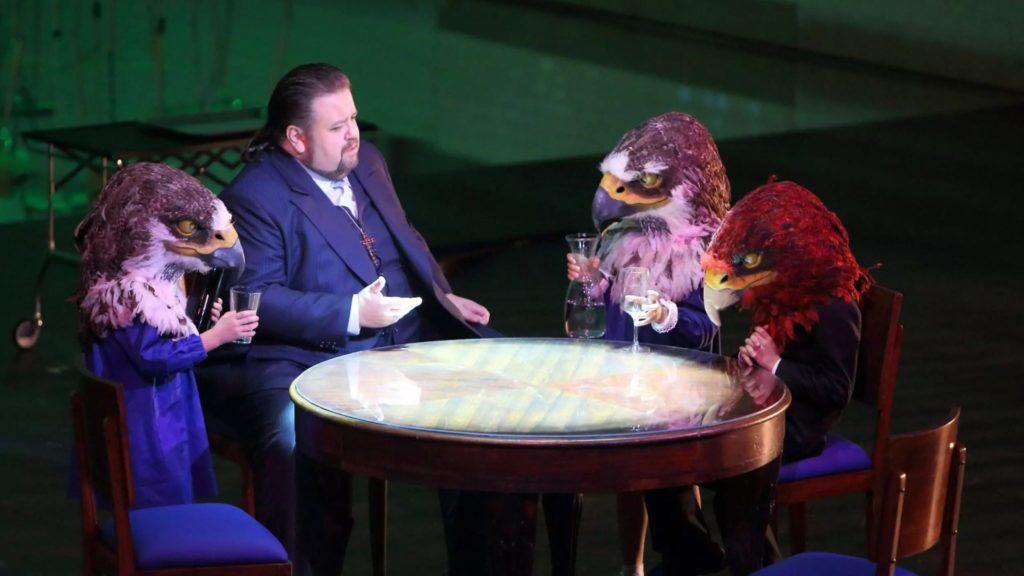
Warlikowski’s productions tend toward the visceral. His exploration of the opera’s mythological content led him to profound meditations on the fluidity of space and time, of the real and the unreal.

Waugh’s trilogy approaches war with a transcendent hope that is capable of withstanding the slings and arrows of modernity without losing itself.

A great deal has been said recently about Alexander Dugin’s thought. Michael Millerman, the foremost English language interpreter of the “most dangerous philosopher in the world,” reviews his 2021 book.

One of Hazony’s aims is to remind us that liberals and conservatives, while they teamed up against Communism to win the Cold War, do not share a political project. “Enlightenment liberalism,” Hazony argues, “is bereft of any interest in conserving anything. It is devoted entirely to freedom, and in particular to freedom from the past.”
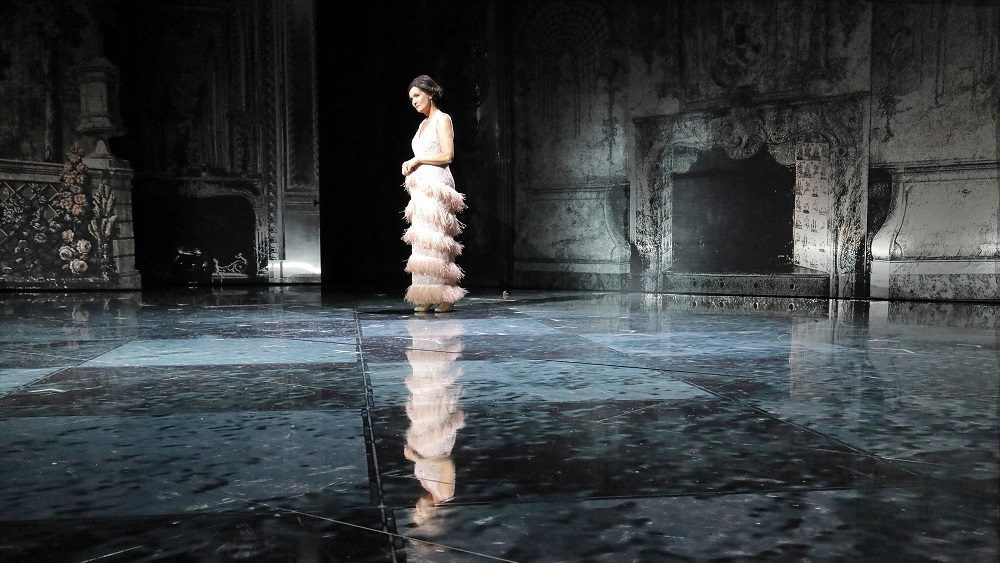
If the visuals left us baffled and disappointed, the musical performance reached toward the stars. The superb soprano Marlis Petersen delivered a sensitive, nuanced Marschallin that captured the character’s emotional dilemmas with a pathos unseen since Renée Fleming gave up the role five years ago.
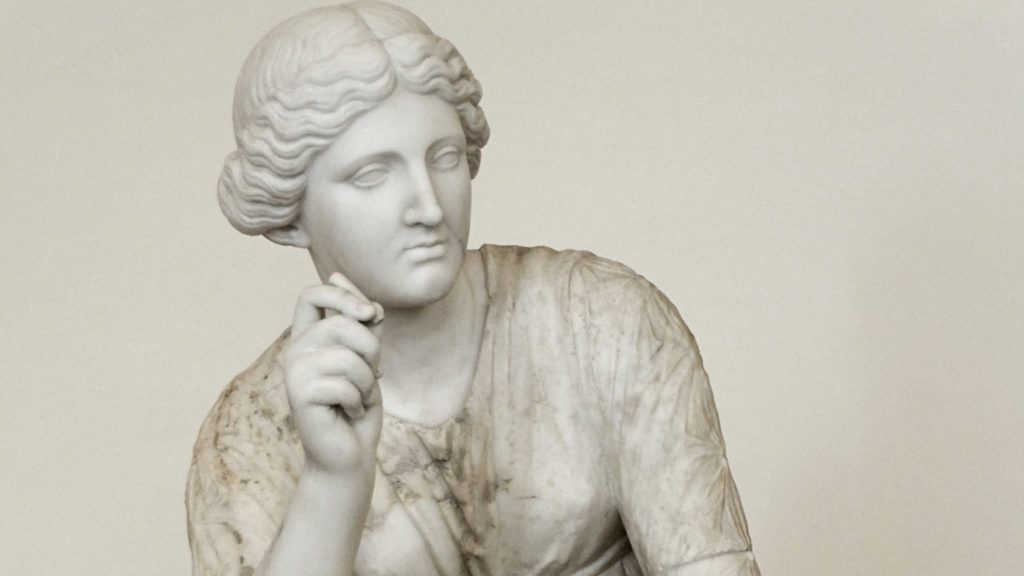
Rarely, if ever, does Christopher Ricks raise a point without matching it with some apt snippet of verse. Or, rather, rarely does Ricks raise a point at all; instead he discovers, within the verses of poets, the point he himself would like to raise and consider, so that reading a Ricks essay can become a game of hide-and-seek as the critic dodges and peeks from between the curtains of carefully selected verse.

We witnessed a prolonged curtailment of freedom of movement, freedom of association, and freedom of speech. But Mark Woolhouse does not address this. In fact, while he clearly comes out as lockdown sceptical, it is not entirely clear why.

Louise Perry is both predicting and calling for a counter-revolution, likely led by the “Gen Z women who have experienced the worst of it.”
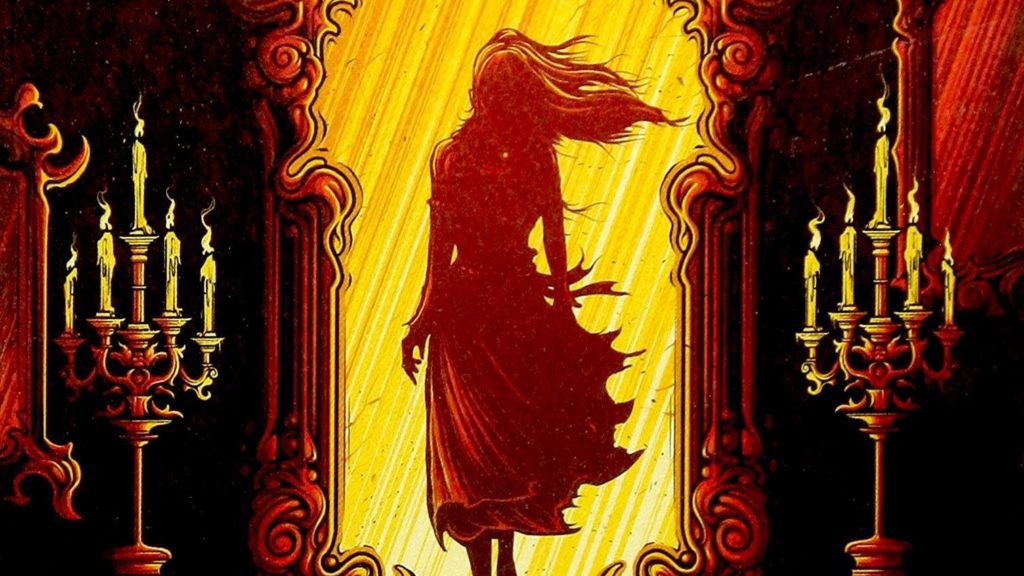
The novel treats Britain’s past with the utmost respect it deserves; the regency world is presented to the reader in all its glory. Susanna Clarke does not betray its spirit by infusing it with modern culture, unlike so many other representations of the period.
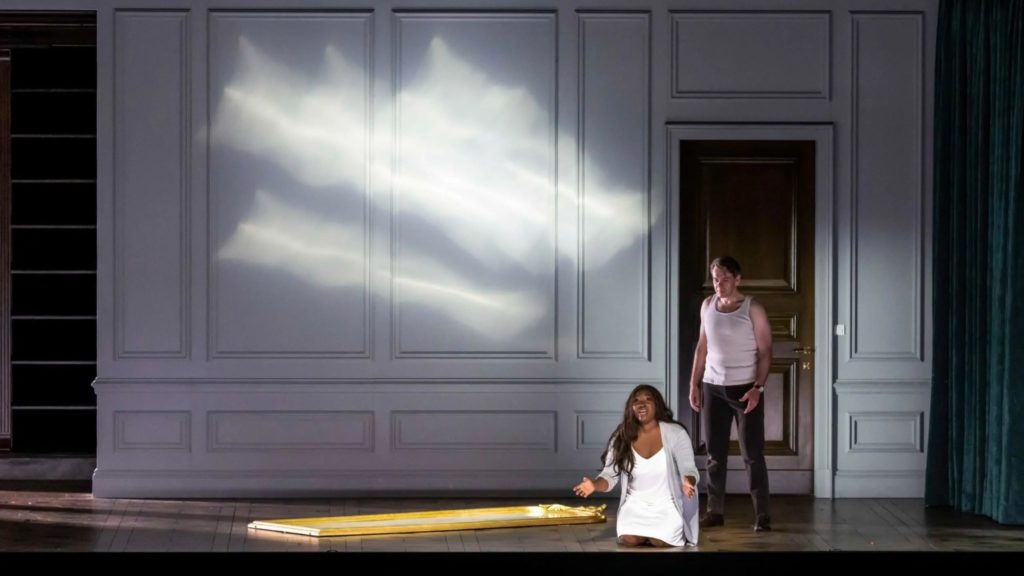
Tobias Kratzer successfully framed the tale’s tension between the temptation of lustful vice and the promise of salvation as a modern ‘crise de conscience.’
Reading Sigrid Undset’s trilogy challenges readers to confront their own moral vacillations and need for constancy.

Hypersensitivity forces beauty into a politically-correct straitjacket. It is hardly surprising that such straitjackets kill beauty, for what cannot breathe, cannot live.