

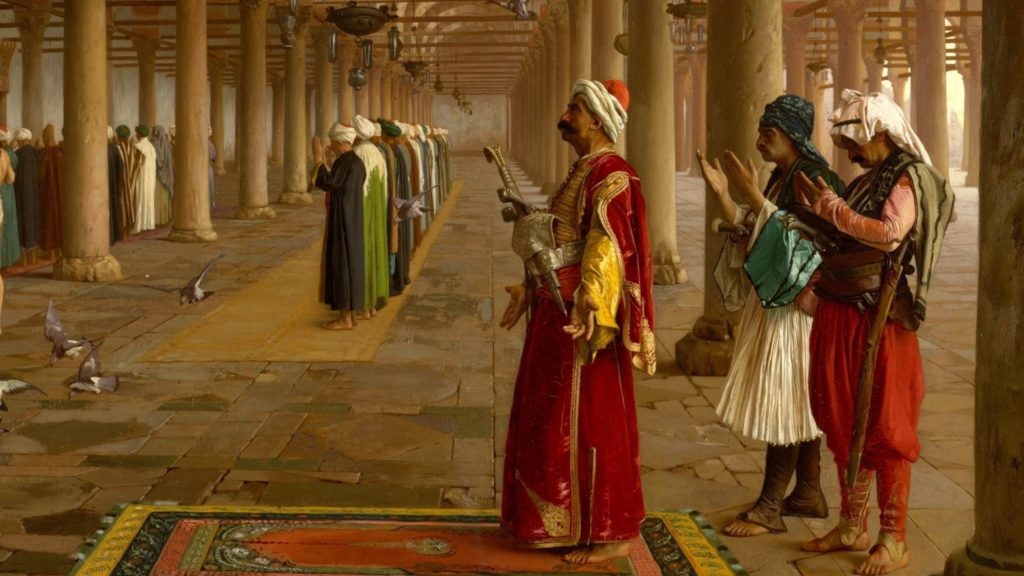
Islamic apologetics have, somewhat contradictorily, tended to ally themselves with a secular, Western academic drive to denigrate European culture and Christendom.
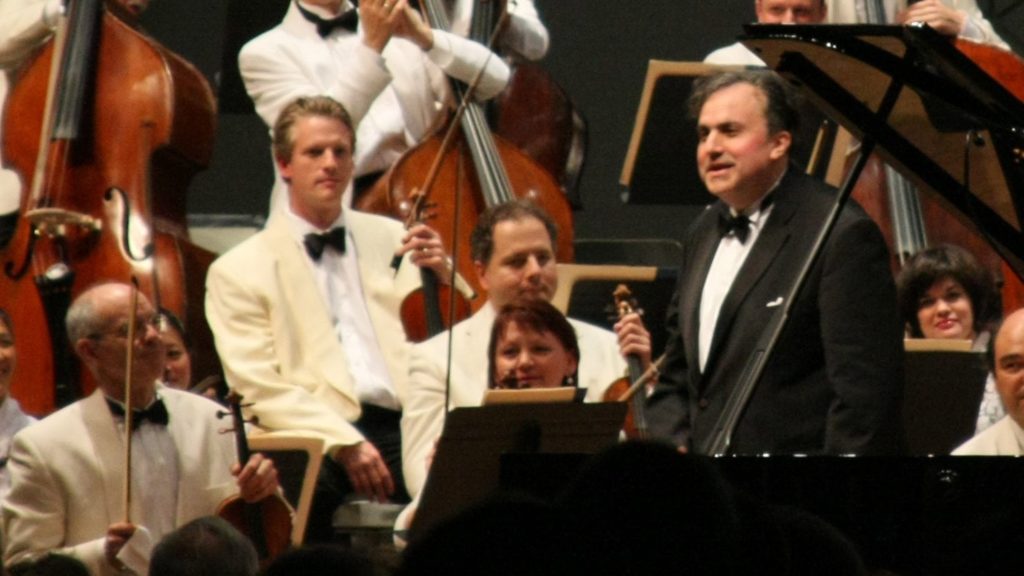
Interested readers should know that, in what is billed as “the return of one of the greatest pianists of our time” spanning from Beethoven’s “Appassionata” and Chopin’s “Third Sonata,” Yefim Bronfman will perform a piano recital at the Teatro Auditorium Manzoni in Bologna on February 28, 2022.
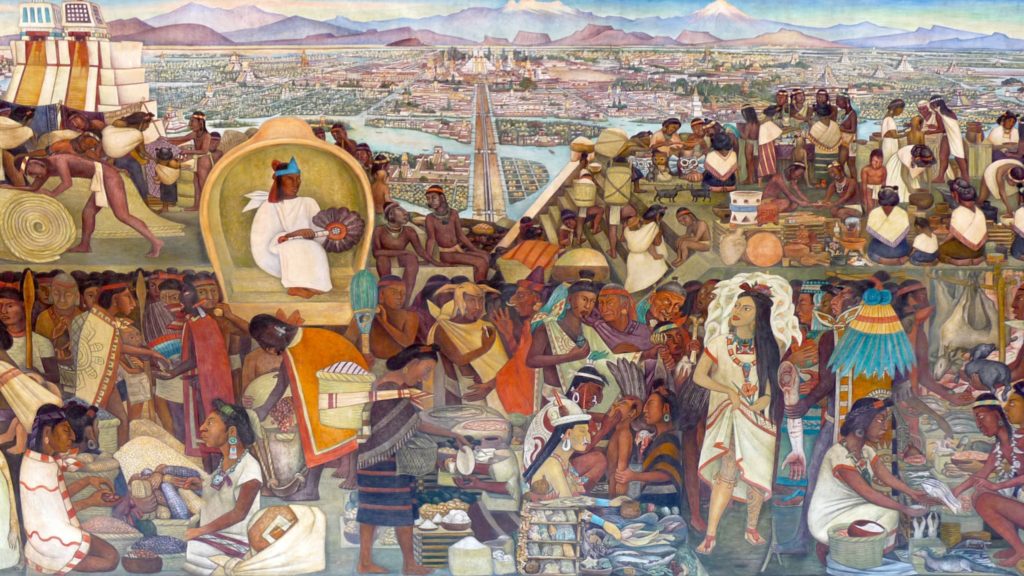
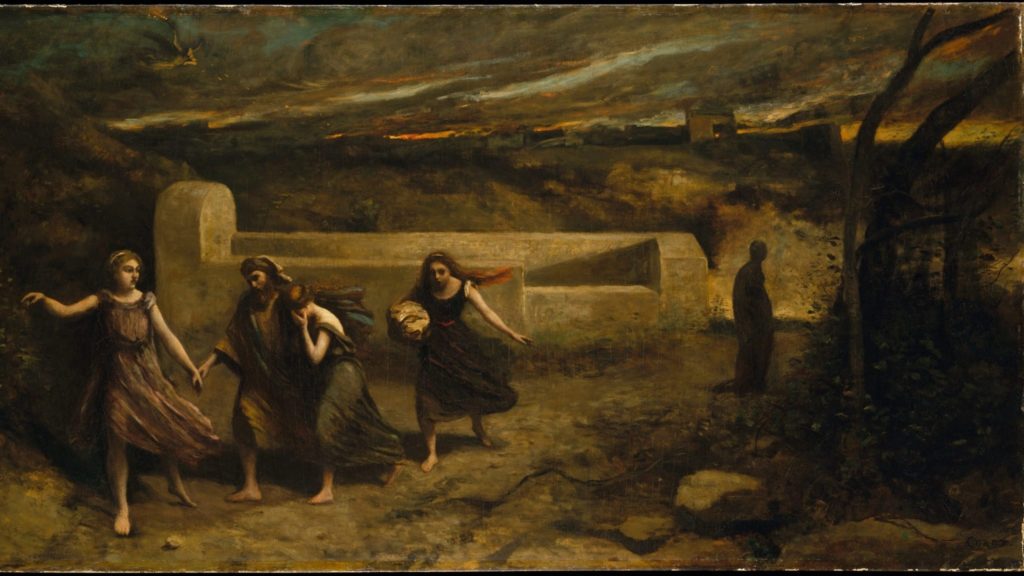
This new book by a senior lecturer at the University of St. Andrews is a bracing, short but expansive, study of poetic expressions of the fall of two fabled civilizations.

Political satire is at its best when it transcends the limitations of partisan thinking. “Don’t Look Up” fails to do this.
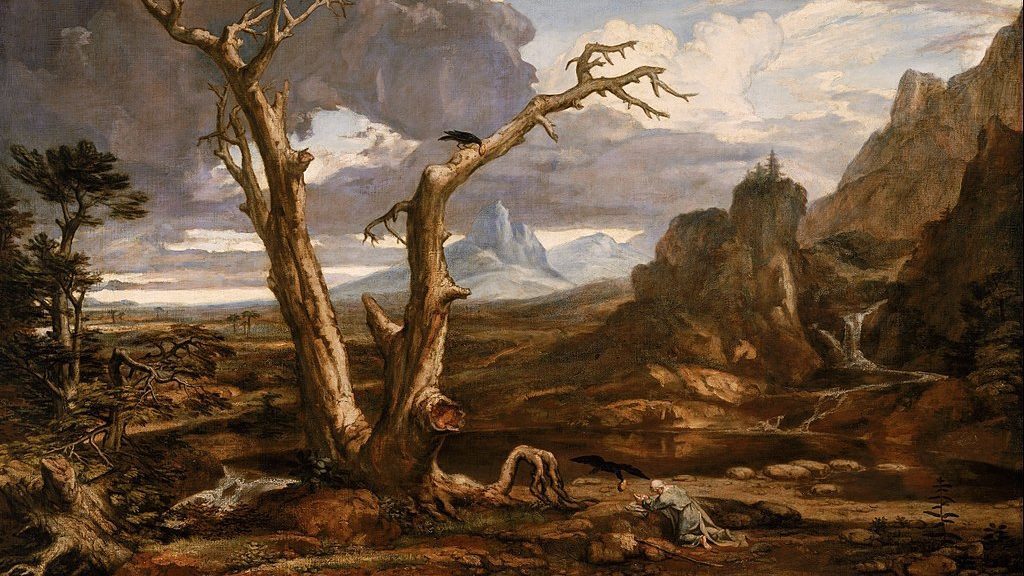
From the desert of modernity, there is a path, and that is the path of tradition and return—as in the soul’s return to God.

If de Beauvoir’s elders can be accused of mistaking repression for virtue, then she and her intellectual peers were blind to the fact that over-indulgence is not freedom, but, instead, ranks among the most irresponsible forms of neglect.
The phony ‘tolerance of relativism’ must inexorably and unavoidably translate in practice into what it really is: the most implacable, ferocious intolerance.
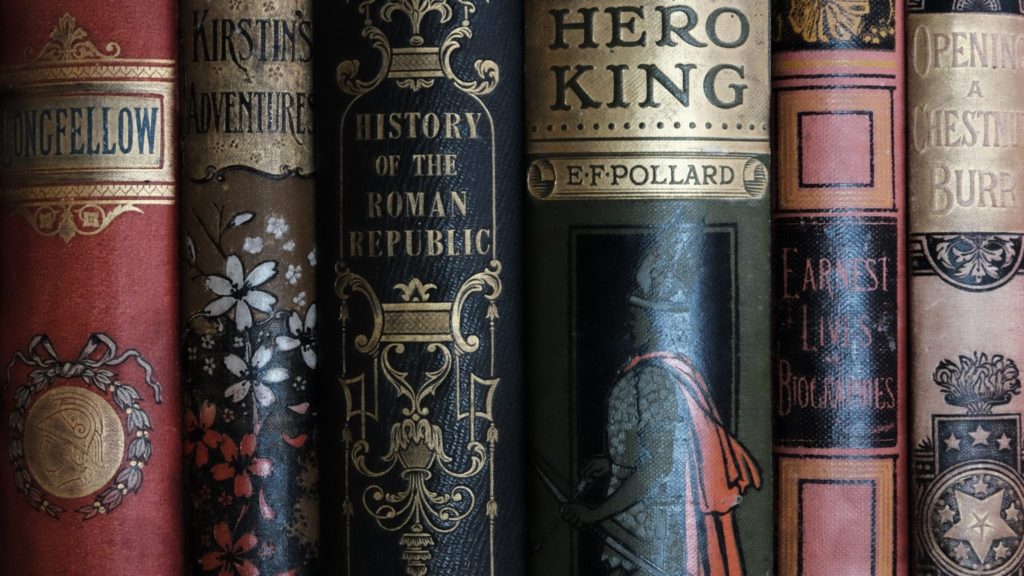
The novel is compelling (even spellbinding at times)—and if it is called antiquated, it is only because we have forgotten that the oldest human battle is the worthiest one: the battle to achieve and maintain virtue in a fallen world.

Roberts does not refrain from criticising George, both for his political missteps and for his tendency to be slow in acknowledging them. But overall, Roberts has painted a masterful portrait of a patriotic, diligent and cultivated monarch who was periodically struck down by mental illness, worst of all during the tragic last decade of his life.
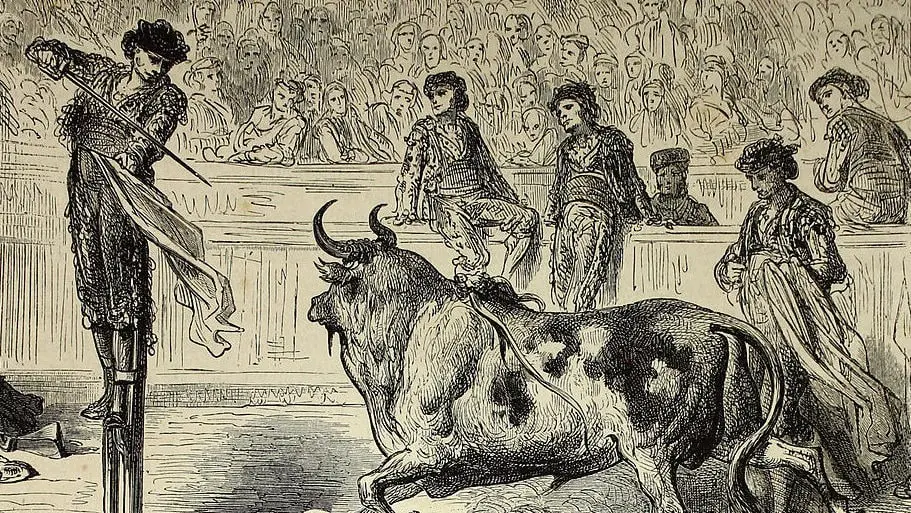
Ostensibly about bullfighting, it is actually the greatest book published by a foreigner about the city of Seville and one of the great books on Spain.
One might argue that conservatives and traditionalists have no choice but to use peaceful and legal means to advocate a return to traditional values, for the left is in a very totalitarian mood.
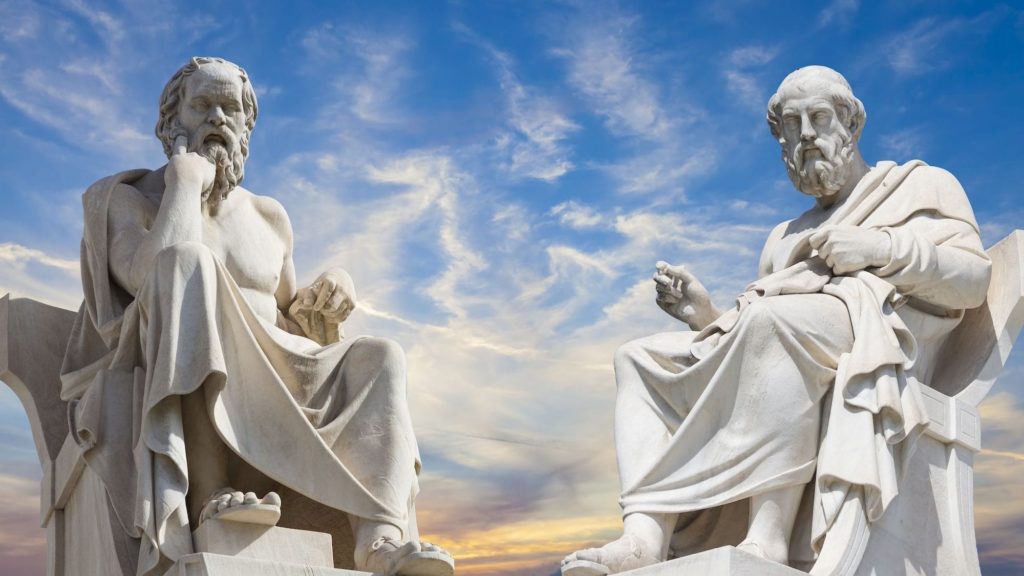
Without the Idea of the Good, Lloyd P. Gerson argues, a person cannot argue coherently against materialism, relativism, skepticism, mechanism, and nominalism.

As one of the first arts companies to return to live performance as the pandemic subsided, the Palm Beach Symphony has rocketed to national importance and richly deserves international notice.
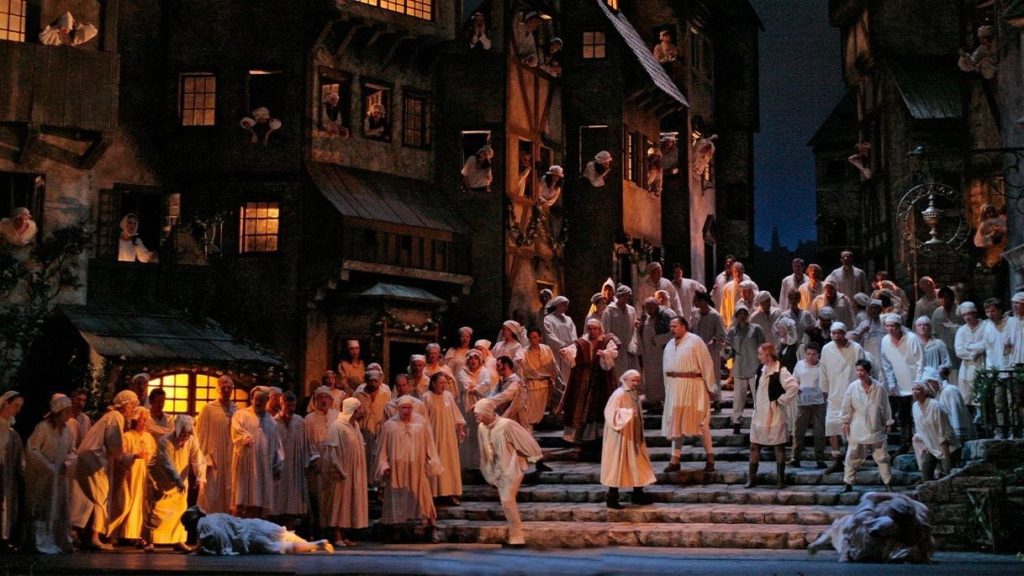
The production has aged well. Its vibrant return after a seven-year absence should have been a landmark revival and one of the highlights of the Met’s new season. Musically, it met the mark. The energy on stage was palpable. The only disappointment was to be found in the audience. The revival’s first performance reportedly filled just 57% of the seats.

Kinneging’s book is fundamentally meant to get the reader to read good books again, especially Plato, Aristotle, Augustine, and Aquinas.

In her brilliant essay, Anne-Sophie Chazaud, a French journalist and columnist, dismantles the systemic character of the censures we are subjected to today.
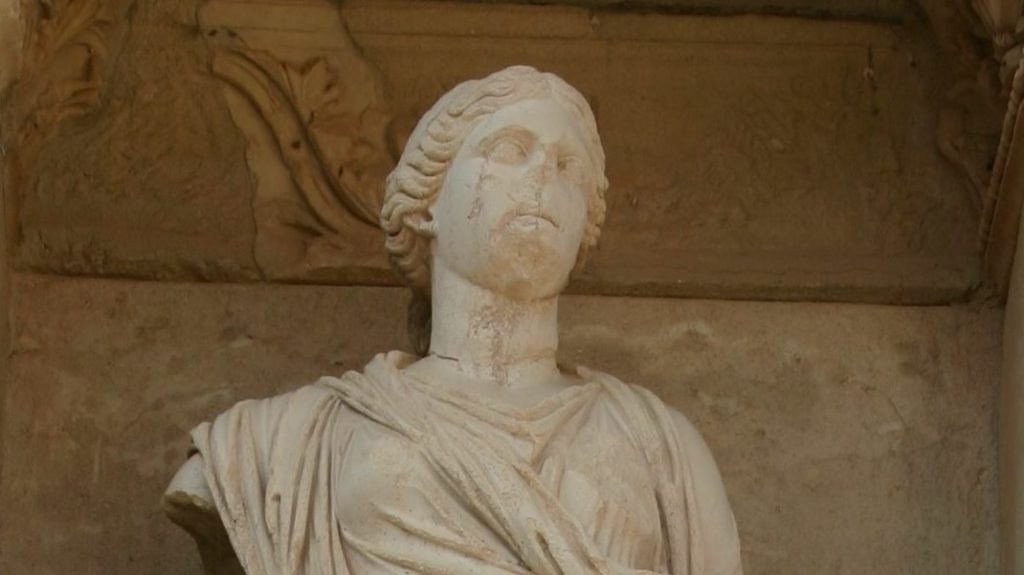
It is no wonder that an un-Sophianic culture would promote enmity between men and woman, viewing history as a protracted conflict of the genders and marriage as a procrustean bed, with procreation contradictorily thought of both as unnecessary burden and selfish environmentally-harmful indulgence.

Even if many of the accusations against Nero could be described as ‘fake news,’ enough of them eventually piled up to undermine his reign. Last year’s exhibit at the British Museum explored the life and rule of this legendary emperor.
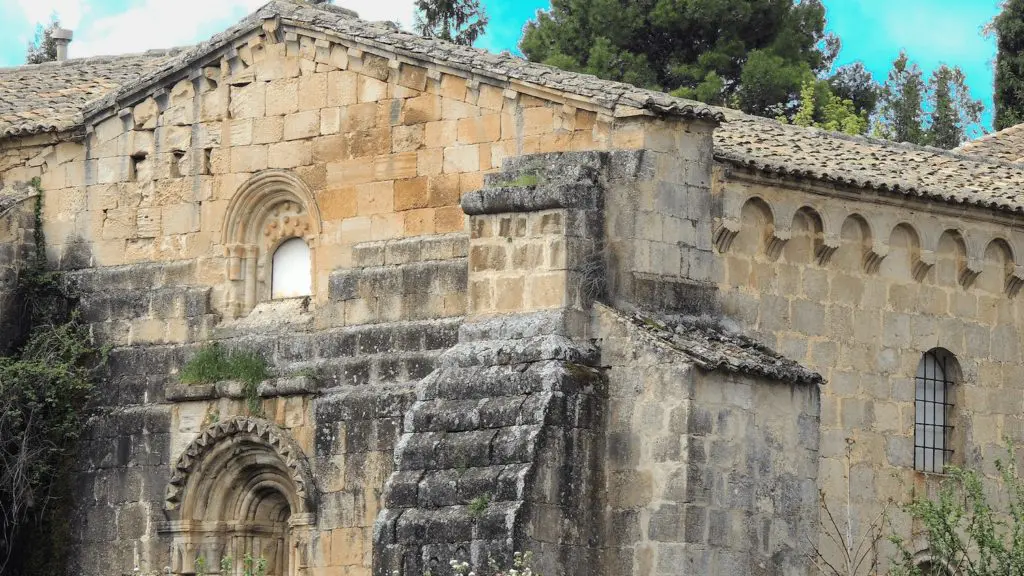
It is a mistake to assume that concrete rural scenes like those in the small Romanesque parishes Mr. Mora rightly celebrates, lead to appreciating life whereas, contrastingly, Gothic abstraction leads to a sort of world-weary sickness. This judgement assumes only two realities, body and mind, and pits these against each other.

The author starts from the principle that the study of the Habsburg Monarchy has for too long suffered from an analytical bias: scholars have regularly considered the Empire as something external to the nationalities that suffered under its oppression. This perspective presumes that the weaker forces, compelled to develop defensive measures, became stronger, jeopardizing the Empire’s stronghold.
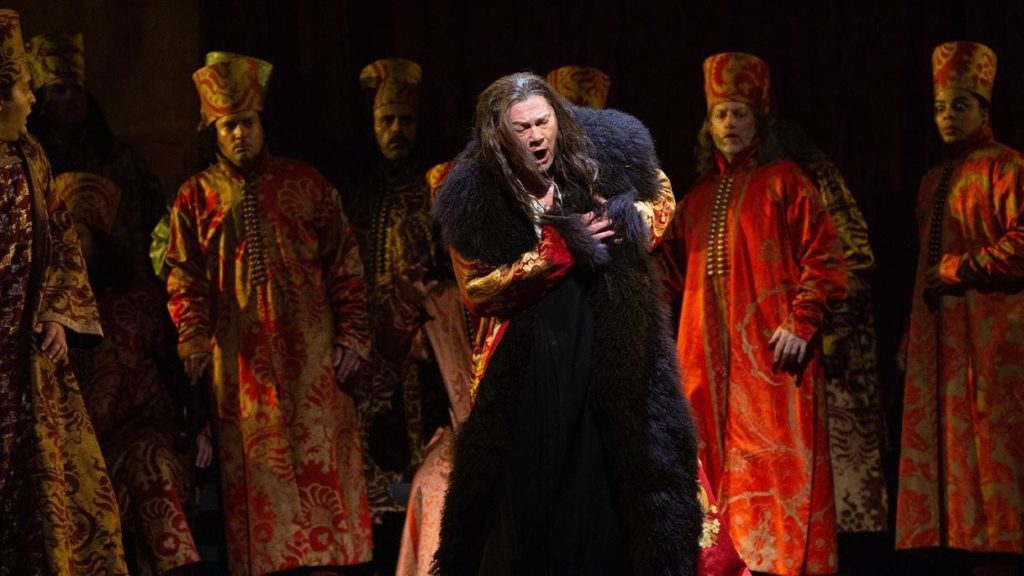
Scheduled for only six performances (September 28-October 17, 2021), the Met chose, as a cost-cutting measure, to present Mussorgsky’s original seven-scene 1869 version of the opera. European houses and scholarly purists favor this original score, which is currently found in repertoires in London, Paris, Berlin, and St. Petersburg.