

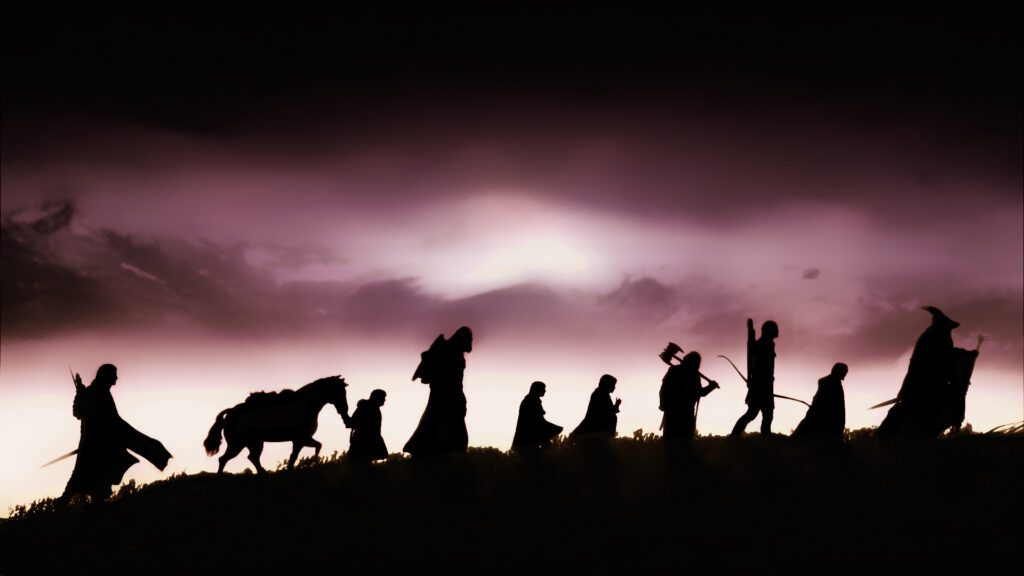
A new book considers a postmodern Tolkien, but it circles back to the obvious and enduring: love and friendship.

The Jüngers’ warnings are as apposite today as when they were written.
Chilcott’s Christmas Oratorio seems old and yet new, traditional and yet contemporary.

‘Woke’ is like a mind-altering substance widely consumed by the population which blinds them to what is taking place and ensures that ‘progressive’ values spread unimpeded.

In A Defense of Monarchy, six authors present the ancient Christian values symbolized in the British crown.
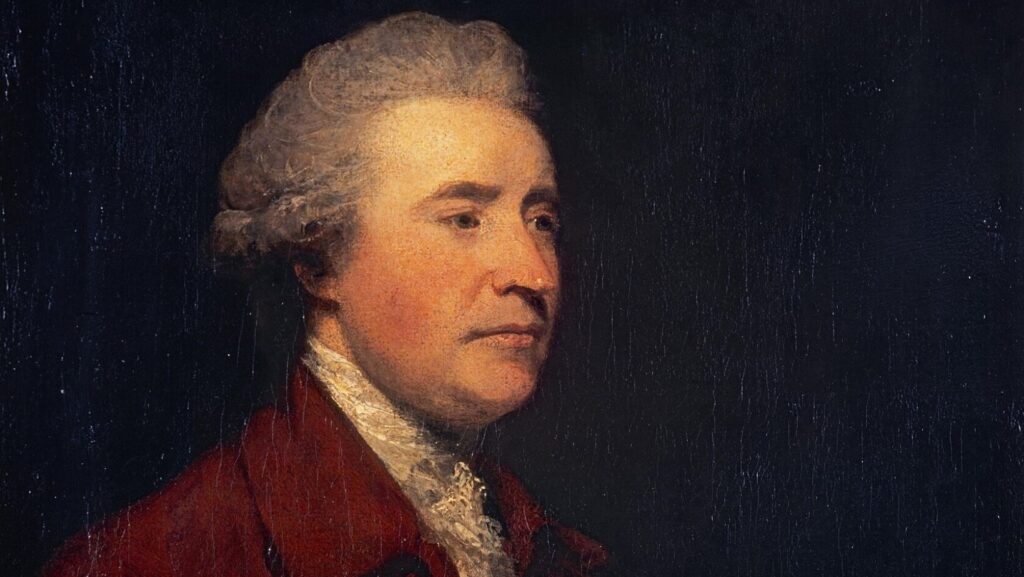
Why do people accept to be bound by the results of a democratic election, or by the state and its laws, or by the limitations embodied within a public office?

Septentrion is a strange, beautiful, and elusive nightmare of a dystopia set in a northern version of an eternal, seemingly pre-war Mitteleuropa.

Carlos Eire’s new book asks us to confront the miraculous with an open mind.
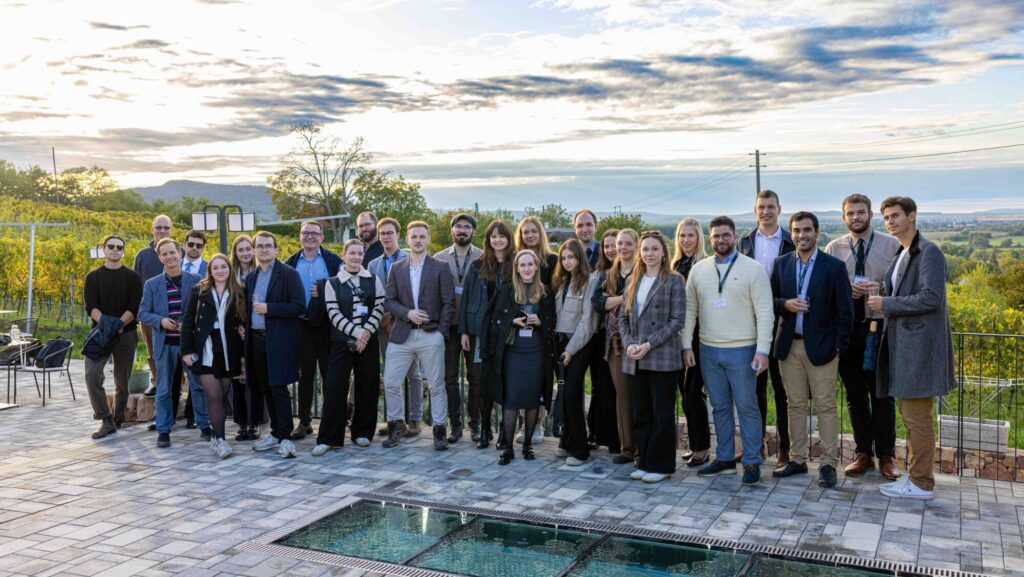
The excellent conference was complemented by a cultural experience against the beautiful backdrop of Hungary’s Lake Balaton.

Steven Searcy awakens us to the divine drama of our lives, in which God is present even in something as mundane as the tumbling of wind-blown leaves.

Eric Kaufmann argues that race taboo must be reformed from a sacred moral absolute “into a proportionate norm like any other.”

Britain’s forgotten people gave Boris Johnson power to act on their behalf, but he quickly forgot about them.
Dear Townies is an exasperated letter to green activists whose ideology could destroy the countryside.
A strong Christian current runs through Joshua Hren’s collection, engaging with each poem and tying them into a cohesive whole.
Martin thinks we must meet God in creation, and only then will we begin to respect again what He has made.
Jane Austen helps us to see that evil is a very ordinary thing.
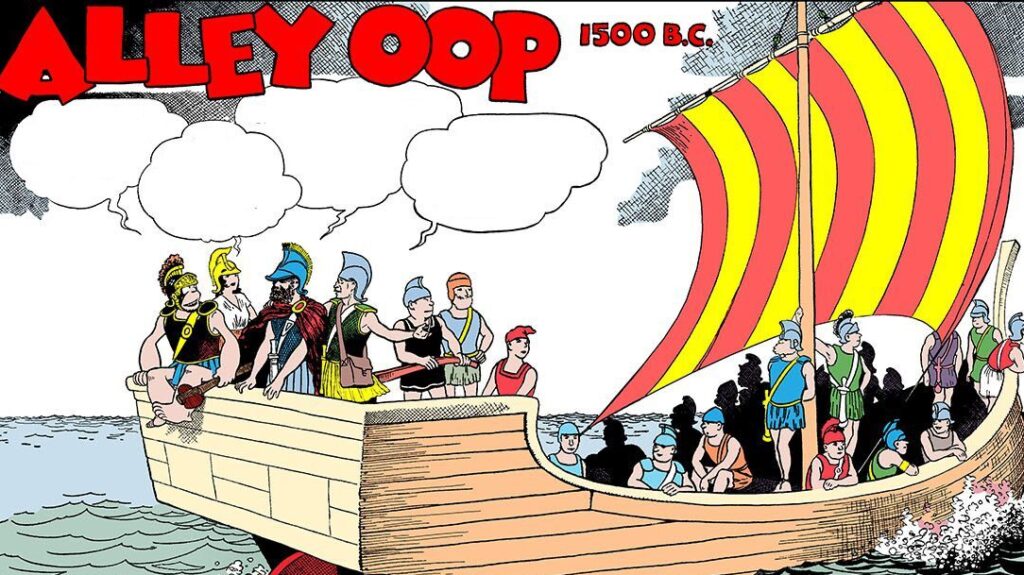
The time-travel comics of V.T. Hamlin remind us that our present moment is only one thread in the vast and ongoing tapestry of history.
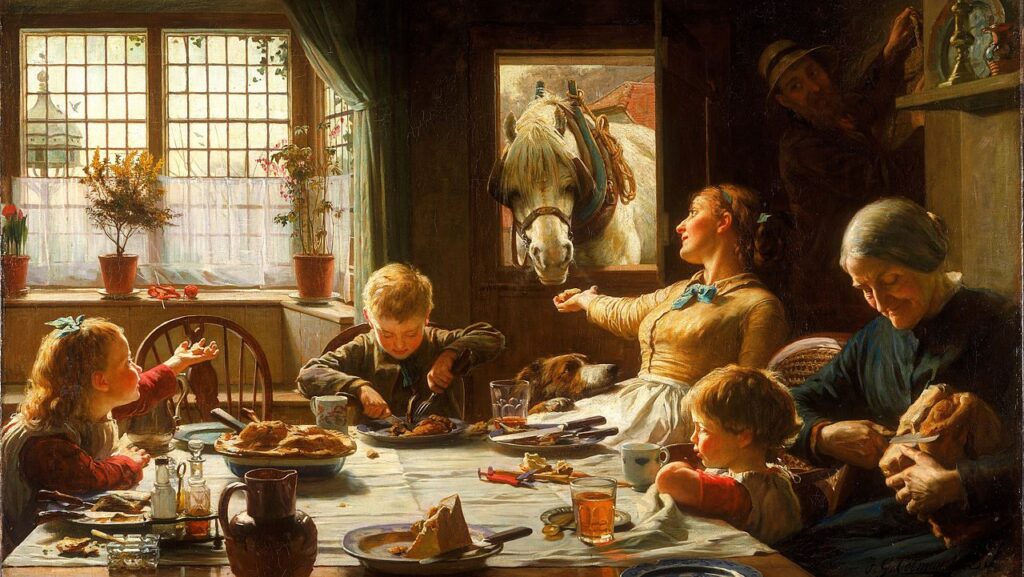
Eduard Habsburg contends that the family is the place where love, life, and faith are lived out in their fullest forms.
Goodbye, Eastern Europe marches in lockstep with Western journo-academic interpretations of the region’s history.

The Collected Poems of J.R.R. Tolkien is essential for anyone who appreciates the beauty of Tolkien’s verse.
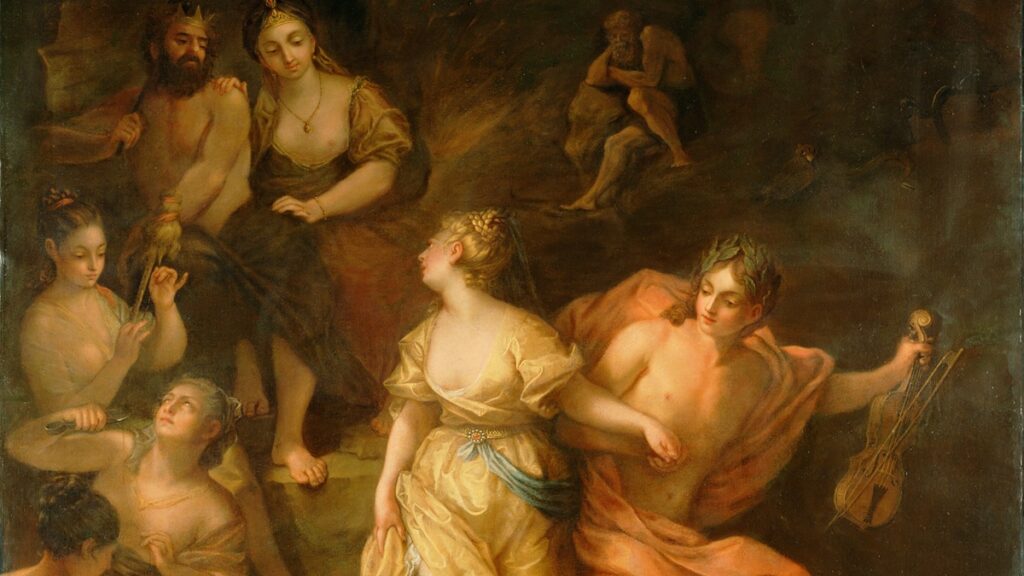
David Lane’s The Tragedy of Orpheus and the Maenads recommends itself by irresistibly inspiring readers to ponder.