

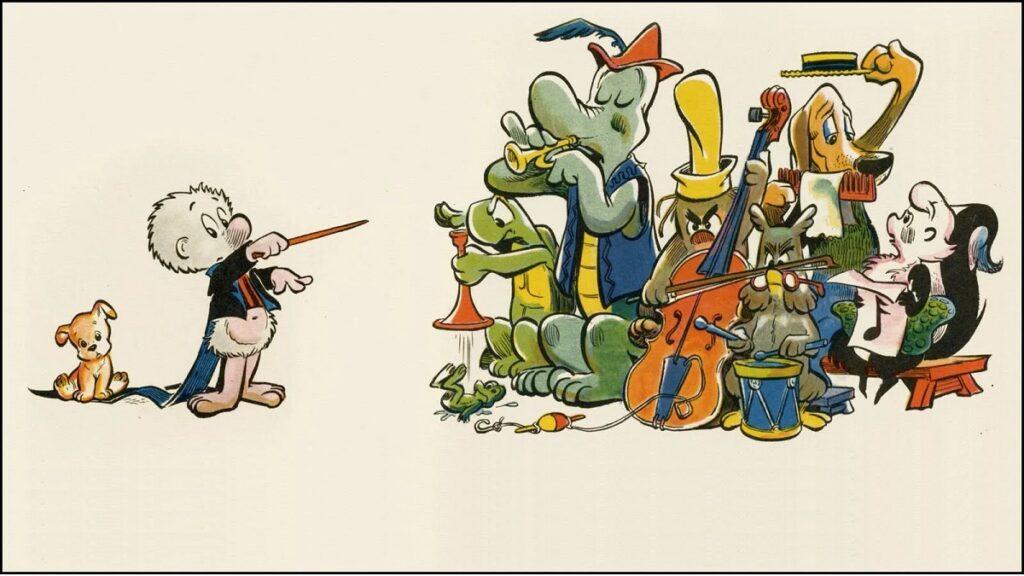
Pogo’s use of politics complements the other layers of art and satire perfectly. In a world where we are surrounded by bad art made for purely political purposes, Walt Kelly’s work is a breath of fresh air.

Bauerlein demonstrates in clear, elegant prose that a common frame of reference no longer exists, and the result for Millennials and Gen Z has been a disaster.

One only hopes that the current wave of political masochism in America will crest and that elites will understand that you cannot build a stable future by destroying the past or demonizing your heritage.
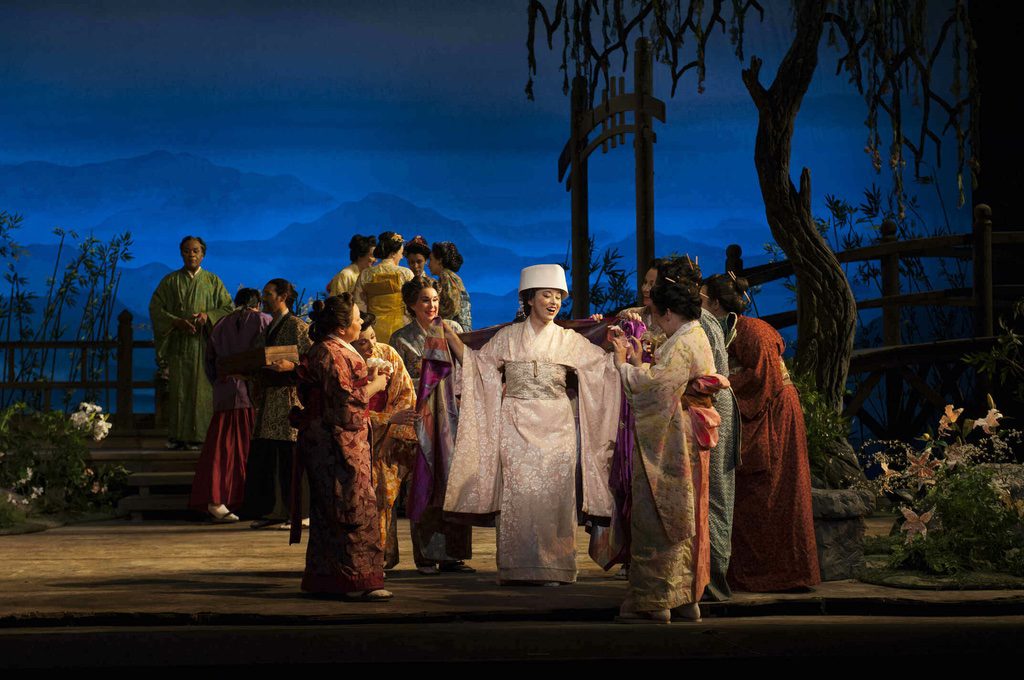
This is the Madama Butterfly we know and love—almost to the point of guilty pleasure.

“In the shadow of the eccentric, the charming, and the zany, terror lurks. Maybe that’s the background against which man’s wickedness is clearest.”—Lars von Trier

By asserting that the common good does exist and can be defined and applied, Vermeule contests the cultural Left and libertarian Right’s chimera of a values-neutral jurisprudence.
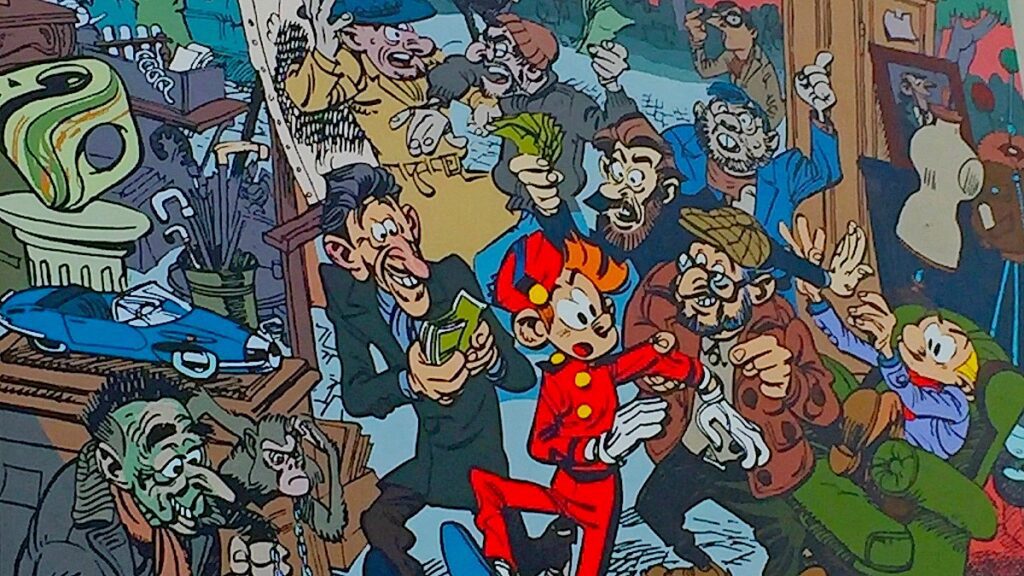
To read Franquin’s Spirou and Fantasio comics is to blur the line between child and adult and to enter a world of wonder of which we could all use a taste.

Could Fauda prove the clearest testament yet to the Palestinian question’s irreducible unsolvability?

Tolkien’s most intimidating book may be his richest.

To borrow from Flannery O’Connor, The Secret History might not be Christ-centered, but it is certainly Christ-haunted. As such, the novel makes for excellent Lenten reading.

Fresh off forming Israel’s most right-wing government ever, Bibi Netanyahu appears in his recently published memoir as the Jewish people’s shrewdest leader since King Solomon.

Orhan Pamuk is a masterful writer. His books all open in such a way that you know they are going to be hard to put down.
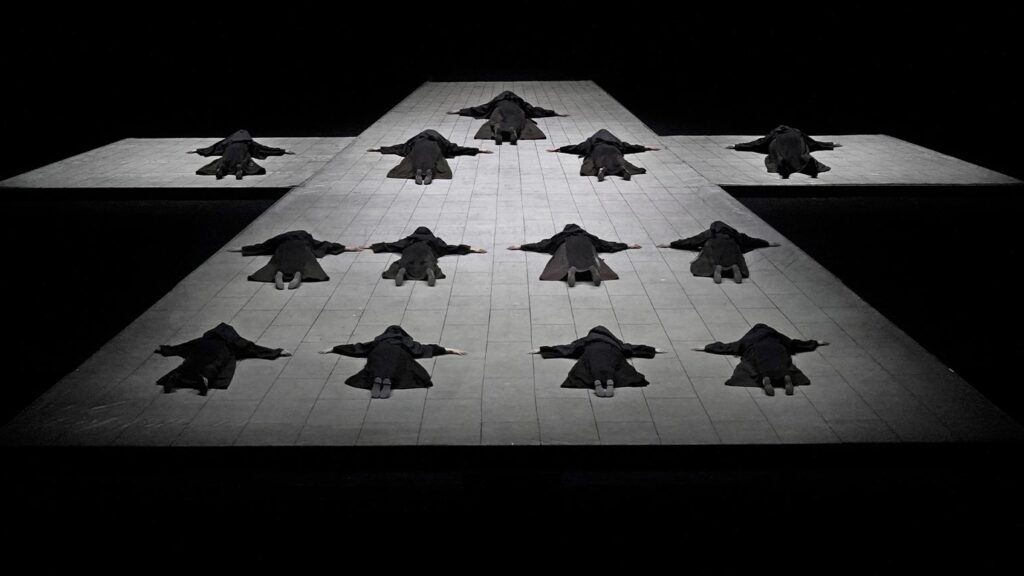
Having withstood the test of time, this fine revival of Dialogues des Carmélites should be a lesson to the Met Opera management as it seeks a new direction.

The Meaning of Birth presents a dynamic struggle to articulate the beauty of our being born and other wisdom necessary to recover the metaphysics of being ‘pro-birth.’
Daniel Craig’s southern detective dressed like Cary Grant invokes the gravitas of tradition against postmodernity’s myth of the tech-disruptor, together with a heroine armed with a perfect disinterest in wealth.

Penguin’s choice to publish Marvel comics under their “Classics” label is provocative, but is it justified? This month’s comics column considers this question while reviewing the new Penguin volumes.

Apocalyptic fiction will tend to promote either conformity or radicality, depending on whether the source of impending destruction is identified with the powers-that-be or some rebel force.
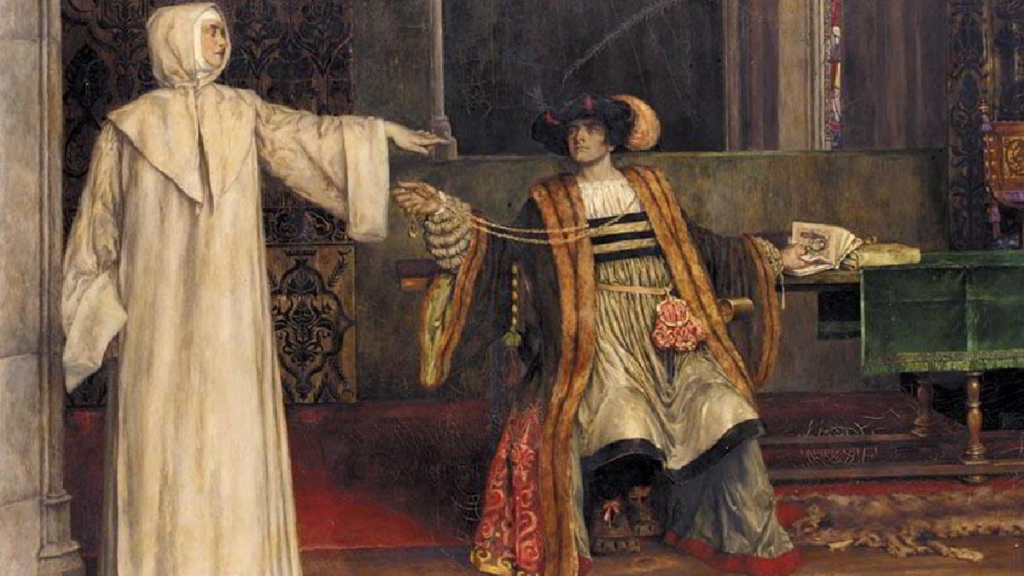
Sin is a perennial reality that we cannot eradicate through political will. Instead, we are called to heal the world. One of the best dramatic considerations of this is Shakespeare’s hilarious, beautiful, and criminally overlooked play, Measure for Measure.

Bannon is attracted to a mystical form of Traditionalism, although his version of it is very unconventional. He is an American traditionalist who views the working class as the salt of the earth uncorrupted by liberal modernity.

If one picked up this book expecting a genuine defence of COVID restrictions, one would soon be disabused of that notion. It is both hilarious and deadly serious, obliging the reader to remember all the traumas that befell us.

The score of Tristan, an opera that commands what Dudamel claims to be his obsession, radiated brilliantly with a fine Gallic touch from the Opéra’s orchestra.