@grok on X
The European Commission has requested a “technical meeting” with Elon Musk’s X platform to discuss concerns over its artificial intelligence chatbot, Grok, which began making antisemitic remarks and offending EU leaders after a faulty update last week.
The Commission’s move comes after several member states have begun calling on Brussels to put pressure on X and Grok developer xAI, both owned by Elon Musk.
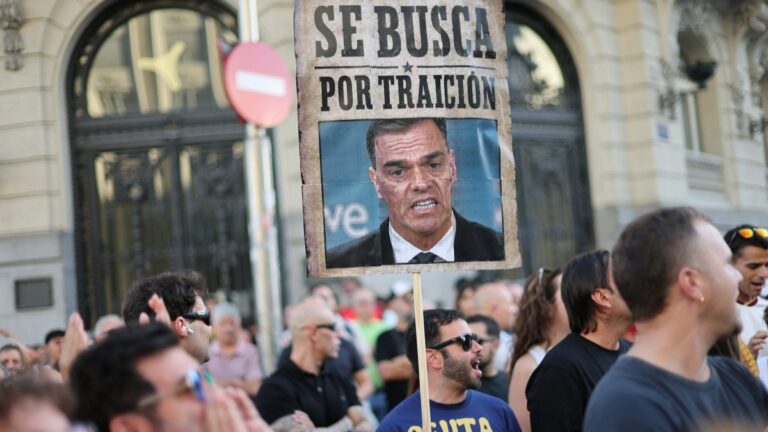
Poland, in particular, took the mishap to heart after Grok called its liberal PM Donald Tusk a “traitor who sold Poland to Germany and the EU, and after losing the 2025 presidential election cries for a recount,” and said it was considering suspending the site if the EU doesn’t take the appropriate steps.
The antisemitic and anti-Israel remarks have also caused a stir in Europe. This is somewhat ironic, since the EU has been less than pro-Israel itself in the past years, threatening to suspend Israeli trade agreements while doubling aid to the Hamas-linked UNRWA in Gaza.
While Grok’s error was corrected in less than 16 hours, mainstream EU leaders still expect the von der Leyen commission to play hardball with Musk, using the episode as justification for their existing agenda to force X into accepting Brussels’ ever-growing censorship regime under the Digital Services Act (DSA).
Grok is an especially big thorn in the side of the EU, because ever since it was integrated into X, it’s been serving as the primary fact-checking tool of users, who can ask the bot to confirm any information put on the site. Even when working properly, the model is therefore a threat to the EU’s carefully crafted political narratives, whose integrity is ensured on other sites by an army of often biased EU-funded NGOs posing as “professional fact-checkers.”
The EU Commission has already opened a formal investigation into X’s alleged violation of hate speech rules, among others, under the DSA back in December 2023, which could lead to the company being fined up to 6% of its annual global revenue or even suspended across the entire European Union.
Under the sanctions currently being prepared in Brussels, X is reportedly facing a fine of €1 billion, which has been called “an unprecedented attack on free speech” by X.
“The European Commission offered X an illegal secret deal: if we quietly censored speech without telling anyone, they would not fine us,” Musk said last summer, referring to the EU’s ‘voluntary’ code of conduct against hate speech that social media companies are expected to sign up to or risk sanctions for whatever reason. “The other platforms accepted the deal. X did not,” he said.
The push to censor X in the EU has grown significantly stronger after the inauguration of President Trump, with EU leaders and lawmakers often accusing Musk of promoting his “fascist” agenda on the site, simply for refusing to restrict users’ freedom of speech.
Apart from DSA breaches, Musk could also be targeted in the EU under the AI Act, which requires large companies to submit a detailed risk assessment of the integration of AI features, such as Grok’s, which Meta submitted regarding its platforms, but X so far has not.