At a time when Europe’s energy supply infrastructure is undergoing potentially profound changes, owing to the war in Ukraine, North Africa is gaining in importance. Algeria has signed a deal to increase the flow of oil and gas to Italy, and Morocco is vying for the resources of the Western Sahara.
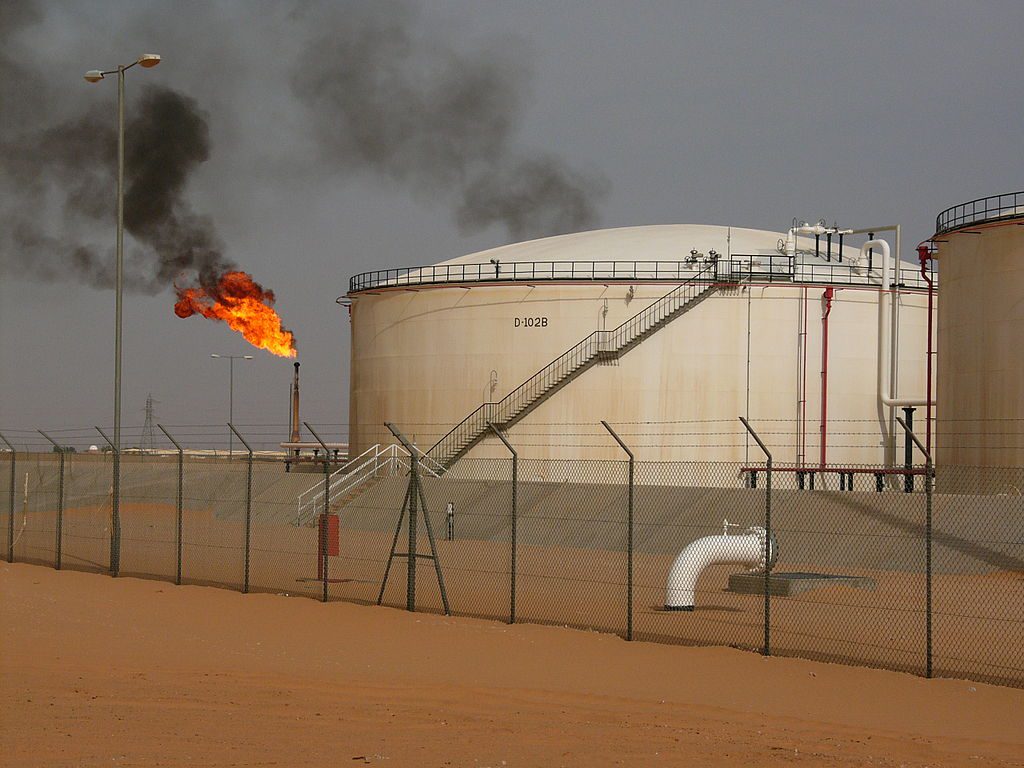
Despite its abundant oil reserves, however, Libya continues to languish under the weight of political instability, rendering itself unable to exploit the opportunity afforded by rising oil prices.
Forces belonging to one of the factions contending for power in Libya—those loyal to Khalifa Haftar—blocked workers from an oil terminal in the east of the country, and a different terminal ceased to function immediately after.
As a result, the Libyan National Oil Corporation has declared that it would be unable to honor its contracts.
It remains to be seen whether the agreement which had been reached between Tripoli and Tobruk-based governments can be salvaged. For its part, Europe stands to gain from facilitating this process.
In any case, the situations in Ukraine and Yemen, distant and unrelated as they seem, illustrate the fragility of European energy architecture. They also highlight the need for Europe to become energy independent while developing the ability to exert power in the maintenance of stability in its geopolitical neighborhood.